Landing soon… Gemini Game II
© Orion Gold 2026 – All rights reserved. Permission to copy, use or distribute, if acknowledgement of the original authorship is attributed to orion-gold.com

Landing soon… Gemini Game II
© Orion Gold 2026 – All rights reserved. Permission to copy, use or distribute, if acknowledgement of the original authorship is attributed to orion-gold.com
Victims – Part I
Motivation for investigating the identity of the Zodiac Killer was inspired by two occurrences.
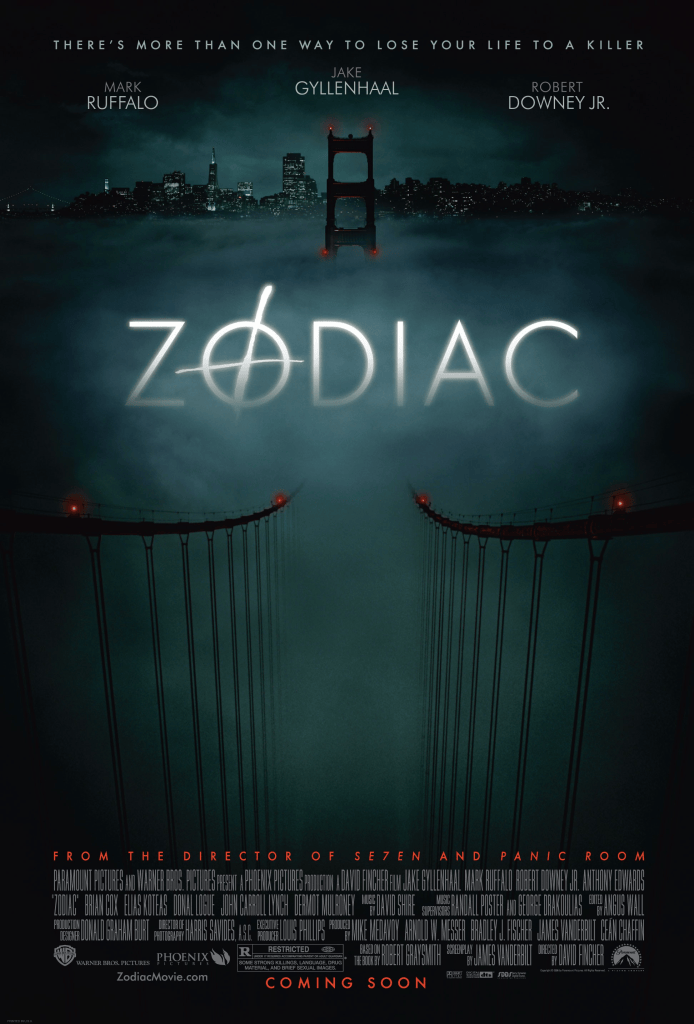
The first being the 2007 motion picture Zodiac – recently viewed for the first time by this writer – directed by David Fincher and starring the gifted and heavily underrated actor, Jake Gyllenhaal. The film is written by James Vanderbilt and based on the non-fiction books by Robert Graysmith: Zodiac (1986) and Zodiac Unmasked (2002).
The second being the unanticipated satisfaction experienced from the unexpected unmasking of the identity of Jack the Ripper – Article: Jack the Ripper.
Even if Jack the Ripper’s identity has not been answered – to the satisfaction of every reader – the case presented in establishing without doubt the number one prime suspect, is compelling and yet to be satisfactorily refuted.
Armed with an albeit new but avid interest in the Zodiac; supported by confidence in successfully dissecting the very cold case of Jack the Ripper, it is with gusto that this writer attempts to shed light on another cold case which has similarly gripped the public’s fascination… the identity of the Zodiac Killer.
In The Top Tens, Top 10 Greatest Unexplained Mysteries of All Time – of which there are currently 62 listings – the Zodiac Killer is ranked number 17, as voted by 2% of readers.
Number 2, being Jack the Ripper with 9% of readers votes.
Between 1968 and 1983, a political cartoonist for the San Francisco Chronicle (Robert Graysmith) morphed into an amateur detective obsessed with tracking down the Zodiac Killer, an individual who terrorised the San Francisco Bay area with a killing spree at lasting during the late 1960s and early 1970s at least if not longer.
All the while taunting police with letters, bloodstained clothing and ciphers mailed to newspapers. To this day the killer remains ‘officially’ unidentified, despite decades of intensive police investigation and numerous amateur sleuthing efforts. The police believe five killings were committed by Zodiac, including two failed attempts resulting in survivors thus totalling seven definite victims. Although other murders have been attributed to the killer.
In 2004 the San Francisco Police Department marked the case inactive, though subsequently re-opened the case in 2006. The California Department of Justice, the Federal Bureau of Investigation, the city of Vallejo and the Napa and Solano county sheriffs maintain the case status as open.
As well as endeavouring to unmask the Zodiac Killer’s identity, we will scrutinise some of the murders either claimed by the Zodiac (37 in one instance and 100+ in another) or attributed to them and whether they are guilty of any of them or not.
As we discovered with Jack the Ripper, the total tally of deaths committed by a serial killer is not always accurate, whether claimed by:
a. the killer themselves;
b. resulting from police investigation; or
c. from the public’s own conclusions.
We will begin tragically with the victims – later focussing on the suspects (and after that, the letters) – aiming to discover who were actually killed by the Zodiac and who were sadly (and mercifully in some cases) not.
The seven victims of the Zodiac Killer officially recognised by law enforcement – based on
a. physical evidence linking the scenes; and
b. the killer providing non-public details in their letters which only the true perpetrator could know – include:
David Faraday, Betty Lou Jensen, Darlene Ferrin, Cecelia Shepard and Paul Stine, the five who were murdered between December 1968 and October 1969; and Michael Mageau and Bryan Hartnell, the two who survived.
Investigators have never found forensic evidence to substantiate the additional 32 claims.
Tera Box:
‘The shadow cast by the Zodiac Killer over Northern California in the late 1960s remains one of the most heavily analyzed chapters in American criminal history. Yet, in the decades since the attacks, popular culture has often focused more on the killer’s cryptic letters, his executioner costume, and his unverified claims than on the actual lives he took. The disparity between the killer’s self-reported body count and the forensic reality is stark.
Understanding the Zodiac case requires separating the killer’s carefully constructed mythology from the documented crime scenes. By examining the confirmed victims, the survivors, and the highly debated “possible” victims, we can gain a clearer picture of the reality behind the letters.’
The Zodiac Killer may have conceivably killed previously and or practiced prior to their first officially admitted and recognised murders involving the ‘first’ two teenagers following.
David Arthur Faraday – Betty Lou Jensen
Case number: V-25564
Tera Box:
‘The first confirmed attack occurred on the frigid night of [Friday] December 20, 1968 [at approximately 11.15 pm], on [remote] Lake Herman Road, [a gravel turnout at the entrance to the Benicia Water Pumping Station] a secluded lovers’ lane just inside the city limits of Benicia [on the eastern outskirts of Vallejo], California.
The victims were 17-year-old David Arthur Faraday…’
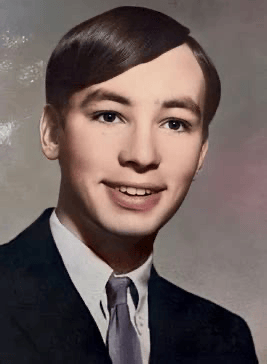
David at age 17 in 1968
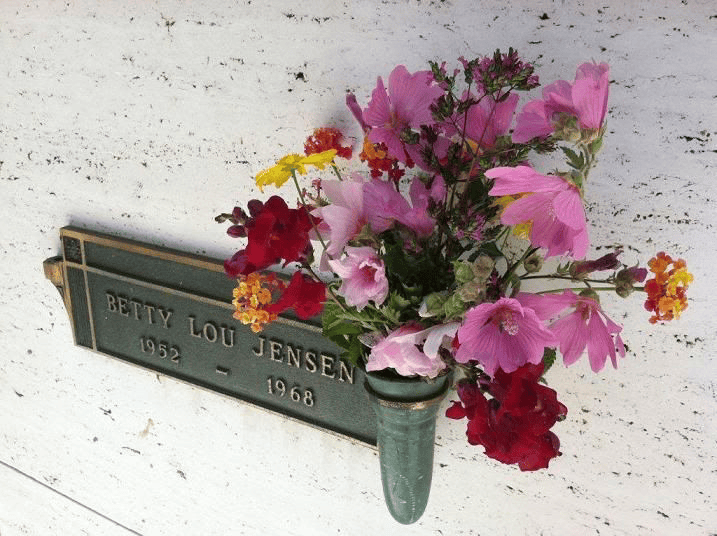
‘… and 16-year-old Betty Lou Jensen, two high school students on their first official date [the first date Jensen had ever been allowed on in fact].’
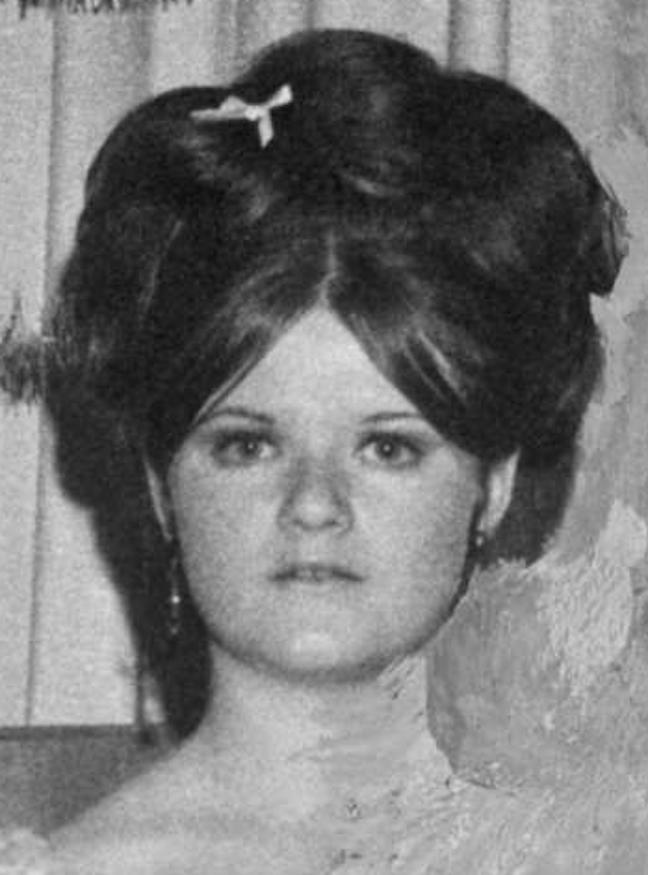
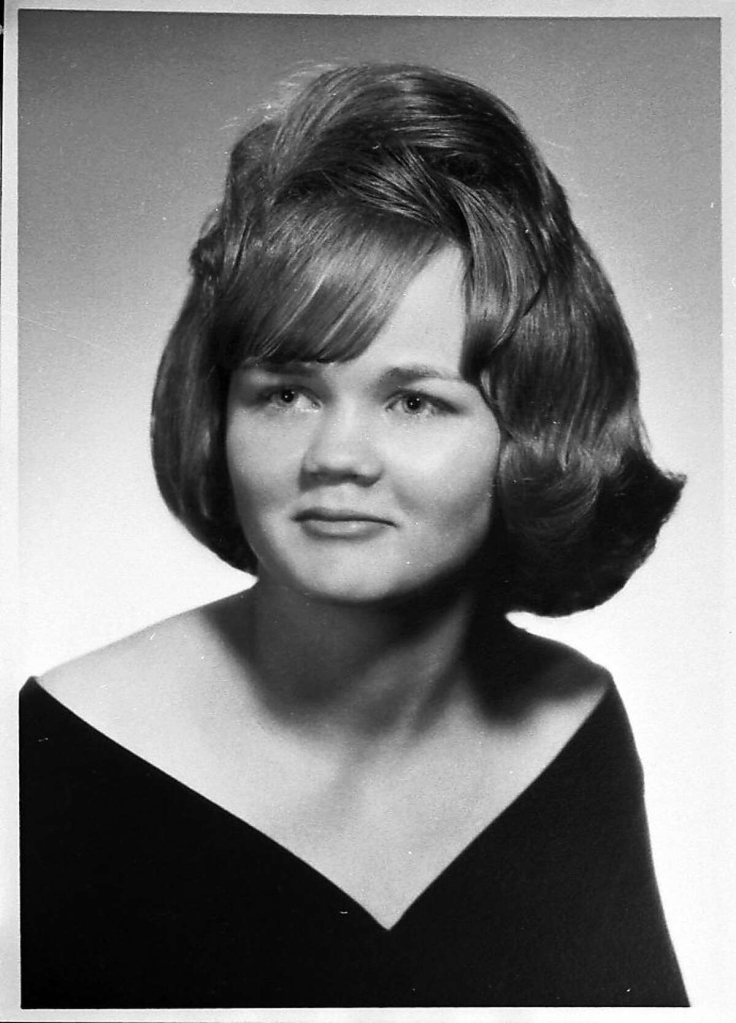
Betty Lou at Age 16 in 1968
‘Faraday was a highly regarded student and an Eagle Scout who had recently earned the “God and Country Award.”
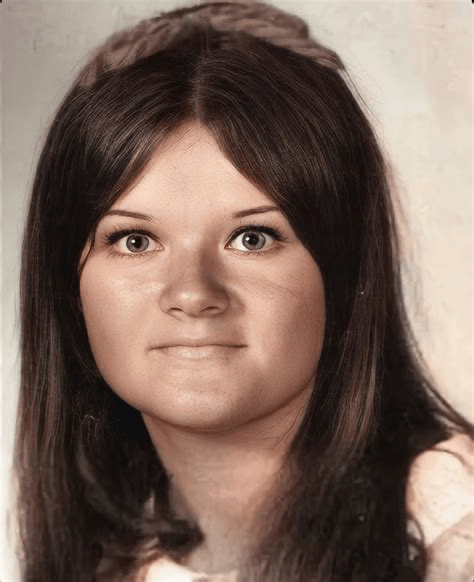
‘Jensen was an honor student and a member of the Pythian Sisters, a charitable fraternal organization.
Their backgrounds stand in stark contrast to the brutal nature of their deaths, highlighting the tragic loss of youth that characterized the killer’s early crimes.’
‘According to historical research summaries, the couple was parked in Faraday’s mother’s Rambler station wagon when another vehicle pulled alongside them.
The assailant forced them out of the car [with two shots fired into the vehicle].
Jensen exited the front passenger door first, followed by Faraday. Faraday was shot as he emerged from the car… once in the head at close range and… [was found still breathing and taken to Vallejo General Hospital where he was pronounced D.O.A. at 12:05 AM].’
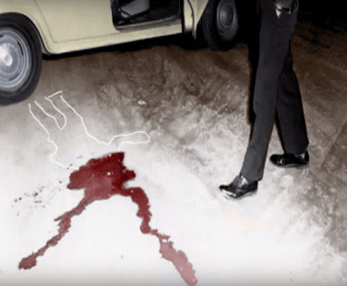
‘Jensen attempted to flee on foot but was struck by five [out of six] bullets in the back [and was found lying on the ground 10 feet behind the station wagon]. She was pronounced dead at the scene.’
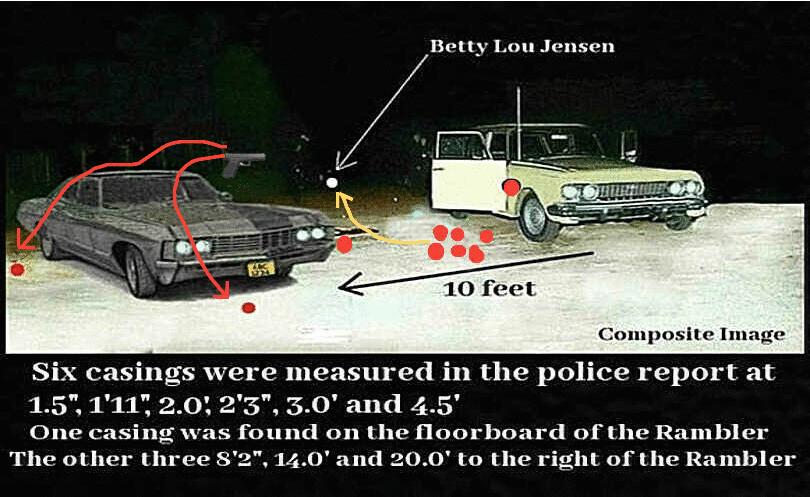
A total of ten shots were fired, with five hitting Jensen; one hit Faraday; two were shot into the car; and two bullets were unaccounted for (including one which had been fired at the fleeing Jensen and missed).
Zodiac Killer:
‘The weapon was a .22 caliber semi-automatic pistol. The ammunition was Winchester Western Super X copper-coated long rifle. There was no indication of robbery or sexual molestation. While there were no witnesses, several vehicles were seen in the area just prior to local resident Stella** Borges discovering the crime scene.
In the early 1990s, former Vallejo Police Department detective John Lynch said the couple was killed because Faraday had learned of a major drug deal and had been talking openly about who was involved.
Other sources have speculated that Zodiac wasn’t responsible because no taunting letters or phone calls were received until months after the murders. However, when Zodiac finally took credit for this attack, he provided many details that were not known to the general public [and only to the police].’
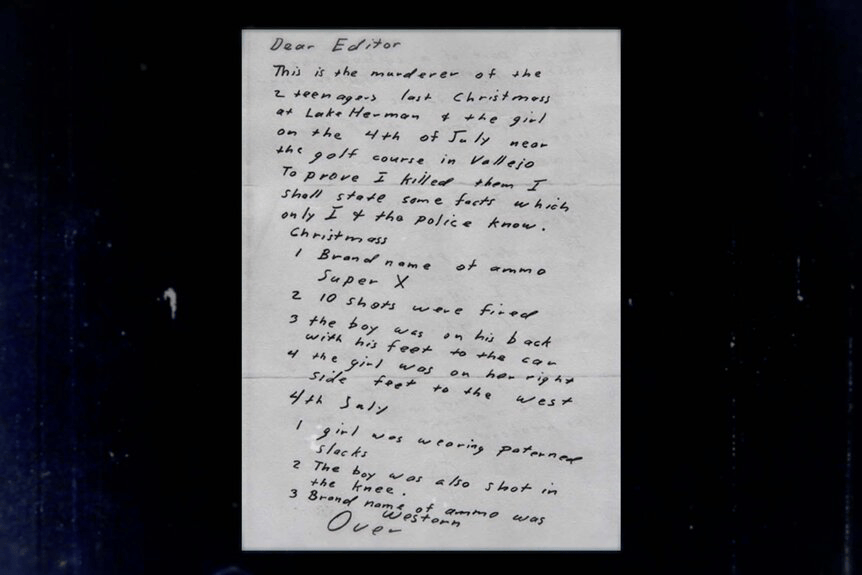
‘Perhaps Zodiac’s sense of fulfillment following the Faraday-Jensen murders was so strong that he didn’t feel the need to immediately brag to the news media.
More than 30 years later [1998], local residents still haven’t forgotten this crime.’
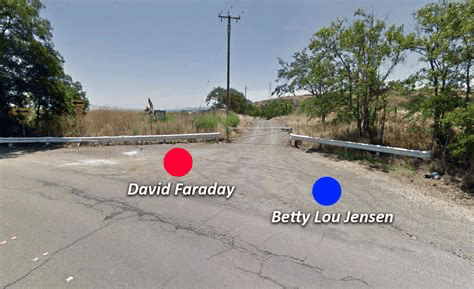
‘And the secluded area of the murders hasn’t changed very much at all.’
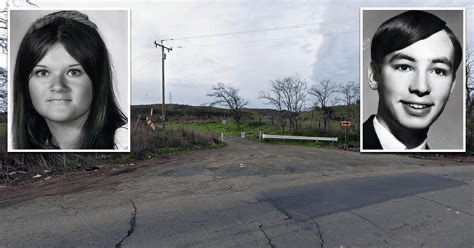
Specific details of particular interest leading up to the murder of Faraday and Jensen include the following witness testimony.
Zodiac Killer Info – emphasis mine:
‘Russell Butterbach of the Solano County Sheriff’s Department was with his partner Wayne Waterman on the night of the murder. “We got a call from the Sergeant that a man from Benicia who fishes at Lake Berryessa [location of third attempted double homicide] wasn’t home, and that was [well after] 7 o’clock, 8 o’clock. He asked us to look down Lake Herman Road and see if his truck was there. It was a blue truck.”
At around 9 PM, two raccoon hunters, Robert Connelly and Frank Gasser, observed a white 1959 or 1960 4-door hardtop Chevy Impala* parked at the pumping station gate.
Between 9:30 and 10 PM, William Crow was out with his girlfriend. The couple were trying out her sports car, and Crow was making adjustments to the motor. While parked at turnout, they observed a car coming west down the road from Benicia towards Vallejo.
The car passed, then stopped and reversed towards them. Worried, Crow sped off east towards Benicia, followed by the other car. They abruptly turned off on a road towards Benicia (Reservoir Road?), and the other car continued east on Lake Herman Road.
The police report suggests there were two subjects in the car, both caucasians.
In the Police report the car is described as a blue car, “possibly a Valiant”. Many years later, Crow stated that he never told police the car was a Plymouth Valiant, and said instead that he believed the car was a “four-door light-colored Chevy.”*
He also said: “I could not see the passenger seat, but the driver was a man [1] with short hair [2] and glasses [3].”
NOTE: Crow’s testimony is interesting, as it seems to suggest that the Zodiac may have been cruising around the area for some time, looking for a couple to murder. Crow’s statement about a light colored Chevy, driven by a man with short hair and glasses matches Kathleen Johns’ statement about a “late model vehicle, light in color driven by a man with “dark hair, wearing black rimmed plastic glasses.”
At “approximately 10 PM” a rancher named Bingo Wesher was checking on his sheep in an area east of the pumping station entrance, when he observed a white Chevrolet Impala sedan parked by the south fence at the pumping station entrance.
David Faraday and Betty Lou Jensen attended a Christmas concert at Vallejo’s Hogan high school, which they left around 10:00 PM. David was driving his mother’s 1961 AMC Rambler station-wagon.
At 10:15 PM a young woman named Helen Axe drove past the pumping station entrance with her boyfriend and reported seeing the Rambler parked at the turnout, facing the gate. She recognized Faraday and Jensen in the car. When she returned about 15 minutes later, the car was still there, but “turned around and the front was facing the field, a little to the side.”
At sometime around 11 PM… Peggy Your… driving west on Lake Herman Road… observed Faraday’s car parked “facing east towards the field at the left of the gate.” Mrs. Your “described the location of the car as the front facing the fence, the rear section of the station wagon facing directly west towards Vallejo.”
Sometime around 11:15 PM, a car pulled into the turnout and parked to the right of Faraday’s station wagon. The driver (the Zodiac killer) apparently sat in the car for a brief period, either to intimidate his victims, or perhaps to build up the courage to go through with the murder. Or maybe he saw the lights of an approaching car (see below) and waited for the car to pass.
Apparently just after the Zodiac killer pulled into the turnout, a man named James Owen was driving east on Lake Herman Road, going from his home in Vallejo to^ work at Humble Oil in Benicia. As he passed the turnout, he observed two cars parked 10 feet apart. Owen estimated the time to be 11:20 PM.
(NOTE: It seems likely that the actual time was slightly earlier… around 11:15-11:18 PM. This is based on the below testimony regarding Stella** Borges.)
In the police report, there are two separate statements given by James Owen – the first on December 21 and the second on December 24. In the latter statement, Owen said the distance between the cars was “three or four feet,” and that he “did not see anyone in the cars or around them.”
He also said that after driving about a quarter mile past the turnout, he thought he heard a gunshot. Just before reaching the turnout he had been passed by a car going in the opposite direction (west) toward Vallejo, but could give no description of the vehicle. This car has never been identified.
NOTE: Owen’s initial statement in the police report is a bit confusing as it says that he was “driving home from^ work at Humble Oil, Benicia.” This is an error – Owen was in fact driving to^ work, as he worked the graveyard shift. The diagram [not shown] showing the cars as he saw them indicates he was driving east, which would make sense only if he was driving to work.
The killer seems to have have waited for Owen’s car to pass, then exited his vehicle and approached the station wagon. It is not entirely clear what sequence of events followed… The entire murder, from the point where zodiac exited his vehicle, to the time when he drove away, probably took no more than 1 or 2 minutes.
At around 11:20 PM, Stella** Medeiros was driving east on Lake Herman Road. When she passed the pumping station turnout, she saw Faraday and Jensen lying on the ground. The boy “”looked like he had fallen out of the open door,” and the girl was “lying on her side facing the road.” There was only one car at the scene (the Rambler).
Medeiros drove to Benicia to report the incident to Police, and flagged down Captain Daniel Pitta and Officer William Warner at 11:25 pm on East 2nd Street (approximately a 3 minutes drive from the turnout).
… there are a couple of fairly specific times logged In Captain Pitta’s report, and it is possible that the times were accurately logged while looking at a clock. Pitta’s report states that Mrs. Madeiros flagged them down at 11:25 PM, and that they then drove to the crime scene, arriving there at 11:28 PM… [meaning] Stella Madeiros would have passed the turnout at around 11:22 PM. This would allow the time the Zodiac LEFT the turnout to be as late as about 11:20 PM.
The police report on the Lake Herman Road murder mentioned an incident that happened at “the Pancake House” on Tennessee St. This was The International House of Pancakes (IHOP) where Darlene Ferrin [next case below] worked in 1966-67.’
“Mrs. _____ is the mother of SHARON HENSLIN, BETTY LOU’s friend. She relates that, in a conversation with her daughter, a subject identified as MARK ____ of 137 ___ way, had spoken of an incident that happened at the Pancake House on Tennessee Street. The story went on to say that DAVID was going to turn in a subject for pushing grass (or Marijuana), and the man had threatened him.”
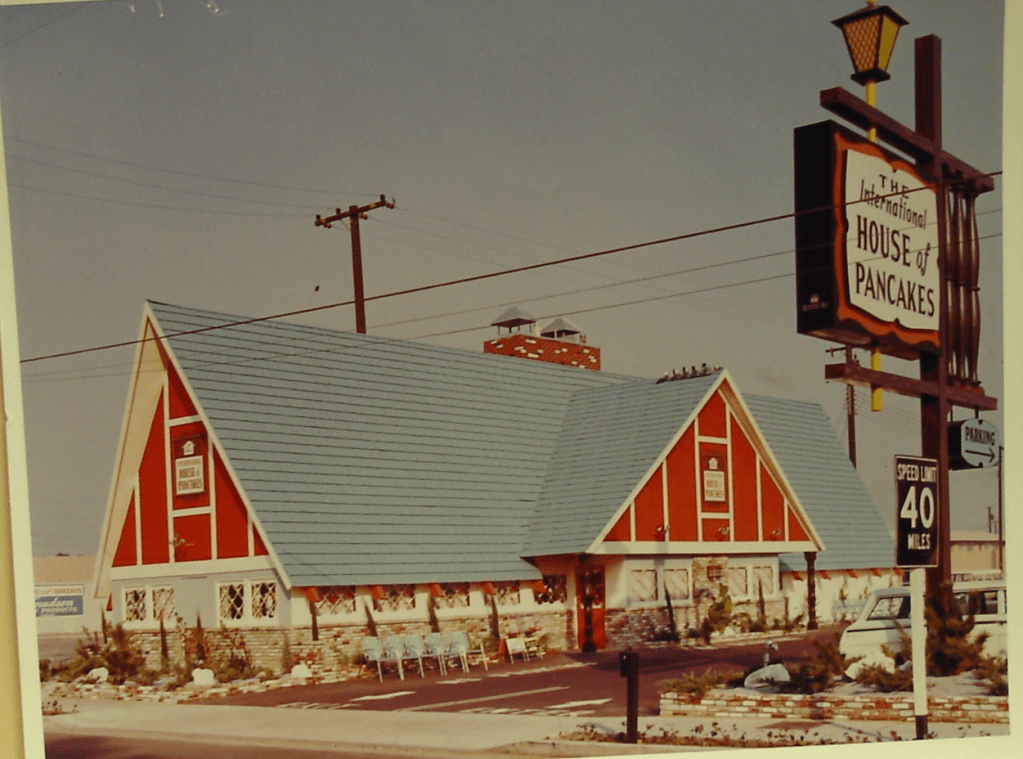
The IHOP (International House of Pancakes) at 1400 Tennessee Street
Salient observations about the double homicide which may prove relevant or pivotal as this investigation progresses include the following points.
The killer, rightly or wrongly appears to have been on edge and nervous. Perhaps orchestrating their first kill – in this ambush like manner at least. Firing panicky shots wildly into the car, rather than calmly telling the victims to get out of the car.
This is amplified by how the killer fired only one shot (under kill) at David Faraday, failing to kill him outright, yet fired five rounds (over kill) into Betty Jensen, undoubtedly killing her in seconds.
The excess of bullets fired at Jensen probably indicates a greater degree of anger towards her because she was female.
The episode overall reflects an inexperienced or anxious individual who was either
a. not use to firearms;
b. was not a professional assassin; or
c. whom was fearful of being caught by another car arriving and therefore acted with intentional alacrity.
We learn that the crime was not overtly sexual as in the perpetrator molesting or raping either of the victims. Though the act of an execution type killing of two young people on a renowned lover’s lane and who were likely to become intimate in some fashion, hints at the killer gaining a measure of sexual satisfaction in interrupting their sexual intent.
It may also reveal some form of impotency on the killer’s part, by virtue of
a. they did not have sexual contact with either victim; yet
b. brutally killed both victims in rage violence who were in a situation promising sexual activity.
Four key deductions to ponder are:
1. a hurried attack (perhaps due to location);
2. leading to an amateur (unprofessional) ambush;
3. with an excessive amount of ammunition fired and
4. non-sexual (or asexual) motivated violence.
Possible facts are the sighting of a suspicious white Chevy car (thrice) – which may have had two occupants – and was driven by a man with short hair and wearing glasses.
The aspect of an accomplice will be discussed further and we will learn the description of short hair and eye glasses is repeated. There is reason to believe the glasses may have been part of a disguise. As could the dyeing of the killer’s hair from descriptions ranging from light to dark brown.
A coincidence which could be much more than that, is the alleged altercation between David Faraday and another man at the International House of Pancakes; where a subsequent murder victim, Darlene Ferrin had previously worked. Ferrin meanwhile had been the focus of interest from the man who would become the prime Zodiac Killer murder suspect: Arthur Leigh Allen.
Notice Allen has the same first name as Faraday’s middle name. Whether it was Allen or somebody else, did they know (of) both Faraday and Ferrin? Is there a connection between the murders of Faraday (and Jensen) with the later killing of Ferrin?
Darlene Elizabeth (“Dee” nee Suennen) Ferrin – Michael Renault Mageau
Case number: 243146
Tera Box:
Approximately six and a half months later on Friday, July 4, 1969, at approximately 11.55 pm, ‘the killer struck again at [a parking lot in] Blue Rock Springs Park… [on the eastern outskirts of] Vallejo, just a few miles from the site of the first murders.’
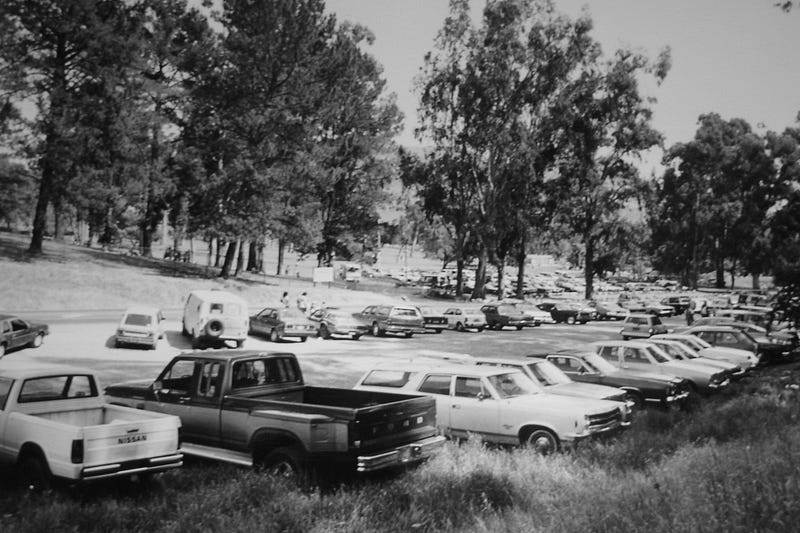
‘Darlene Elizabeth Ferrin, a 22-year-old popular waitress, wife, and mother, was parked in the lot with her friend, 19-year-old Michael Mageau.
Zodiac Killer:
‘Ferrin was married and worked as a waitress at Terry’s Restaurant. Mageau was single and worked as a laborer. Ferrin’s husband, Dean, was initially a suspect in the murder, however, was ruled out once it was established he was working as a cook at Caesar’s Restaurant at the time of the murder. Ferrin’s first husband, James Phillips Crabtree, was also briefly a suspect.’
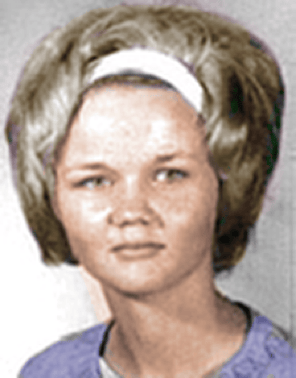
Darlene at age 18 in 1966
‘Darlene and Dean lived at 1300 Virginia Street, Vallejo. Darlene’s sister, Linda Del Buono, lived at 449 Cedar Street. Darlene’s parents were Mr. and Mrs. Leo Suennen of 130 Jordan St, Vallejo. One of Darlene’s babysitters said that she covered up for “Darlene’s running around with other men while she was married to Dean. One of the men mentioned was… Michael Mageau.”
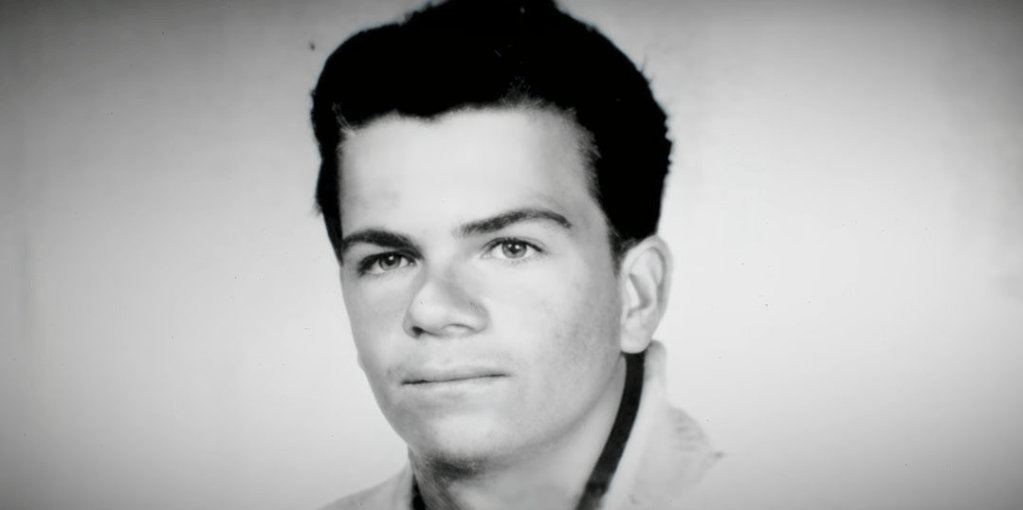
Michael at age 16 in 1966
‘According to surviving victim Mageau, he and Ferrin had parked at the isolated location to talk. A car, possibly a light-brown Ford Mustang or Chevrolet Corvair, pulled into the lot just a few feet away. A man with a flashlight exited the vehicle and approached them. There were no other cars in the parking lot. Thinking it was a police officer, the couple had their identification ready.’
Tera Box:
‘The attacker approached their vehicle with a flashlight [taped to the firearm], blinding the occupants… [and without warning] opening fire with a 9mm Luger. Ferrin was struck multiple times and was pronounced dead upon arrival at the hospital.’
Zodiac Killer:
‘After five shots were fired, the man walked slowly back to his car. Mageau screamed in pain, at which point the man returned and fired two more shots into each victim [and Marceau got a look at the killer].
No conversation between the victims and the man occurred.’
Tera Box:
‘… Despite being shot in the jaw, shoulder, [hip] and leg, Mageau survived.
His initial description of the killer – a heavy-set [1] white [2] male [3], roughly 5’8” to 5’9” [4], with a round [5] face – formed the basis of the early police profile.’
Zodiac Killer adds:
‘The man was… in his late 20s to early 30s [6], stocky build, round face, and brown [7] hair.’
Tera Box:
‘Mageau’s involvement in the case resurfaced dramatically in 1991. According to biographical profiles of the case, Vallejo police [George Bawart] presented Mageau with a photo lineup 22 years after the attack. He pointed to a photo of Arthur Leigh Allen, a long-time suspect, and identified him as the shooter.
However, because the identification relied on a “cold” memory from a highly traumatic event over two decades prior, prosecutors felt it was not strong enough to secure an indictment before Allen’s death in 1992.’
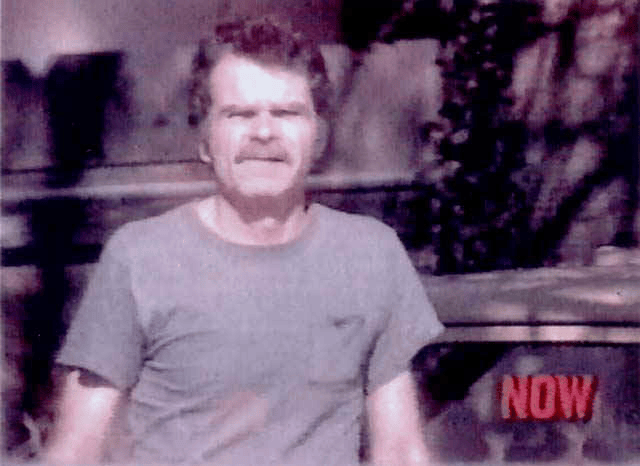
Michael Mageau in 1998
Zodiac Killer:
‘When Bawart asked Mageau why he had never identified Allen in the 20 years Allen had been the top suspect, Mageau said that he had never been shown any pictures of suspects and he had only been asked if he recognized certain names. If Mageau’s statement is true, it’s probably the biggest law-enforcement blunder of modern times.’
Tera Box:
‘Shortly after the attack [forty-five minutes later], a man called the Vallejo Police Department from a public payphone, claiming responsibility for the shooting and explicitly taking credit for the murders of Faraday and Jensen the previous year. This phone call marked the beginning of the killer’s direct communication with law enforcement.’
Specific details of particular interest leading up to the attack on Mageau and Ferrin include witness testimony, as well as pertinent facts.
Zodiac Killer Info:
“At approximately 11:30 or shortly thereafter [nearer 11:40]” Darlene Ferrin picked up Mike Mageau at his house at 864 Beechwood Ave, Vallejo, a 5 minute drive from Darlene’s house. According to Mageau, they were going to “have a lover’s lane type thing, and kiss, and talk and hold each others’ hands.” Mageau also said that he and Darlene were dating and that her husband was aware of this.
They were both hungry and decided to get something to eat. But after briefly heading west down Springs Road, Darlene said she wanted to talk to him about something, so they turned the car around and headed to Blue Rock Springs Park. They turned around at “approximately the location of Mr. Ed’s” at 1339 Springs Road – an 8 minute drive from Blue Springs Park.’
‘At sometime around 11:45 to 11:48 PM, Darlene and Mike arrived at Blue Rock Springs Park. After parking, Darlene turned off the headlights and the motor, but left the radio playing. After being in the park for “a very short time, a few minutes,” three cars pulled in… some young kids laughing and carrying on lighting firecrackers. The three vehicles left “within a short time.” “This was just a very short space of time, a few minutes,” according to Mageau.
“Shortly after this [11:50],” another car pulled into the lot, coming from the direction of Springs Road and Vallejo. The driver pulled to the left or east of their car and turned off the headlights and sat there for a minute. Michael asked Darlene if she knew who it was and she said, “Oh, never mind.” (Note: in 2007, Mageau said “She told me it was a friend of hers and not to worry. He was just jealous.”)
Mageau could not see the car very well, or the color of the car, but said it was similar in shape to Darlene’s [Chevrolet] Corvair. The car then drove off at a fast rate of speed back towards Vallejo to the south.
Approximately 5 minutes after driving away [11:55], the same car returned and parked about 10 feet behind and to the right of them.’
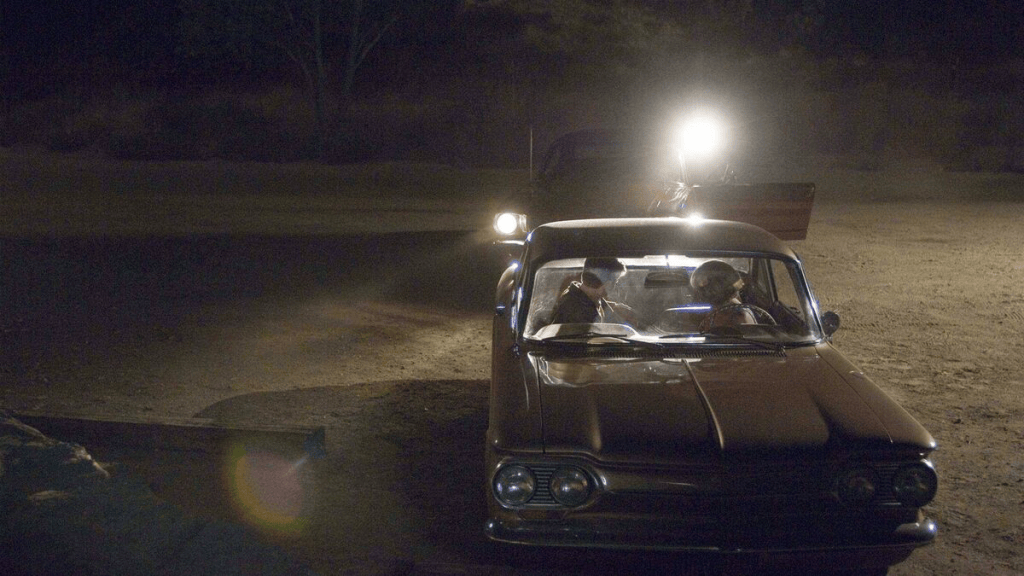
‘The driver exited the vehicle, approaching the passenger side door of Ferrin’s car, carrying a flashlight and a 9 mm pistol. The killer shined the flashlight into Mageau’s and Ferrin’s eyes before shooting at them, firing five times. Both victims were hit, and several bullets had passed through Mageau and into Ferrin. After the shooting the car drove off again towards Vallejo.
At “approximately midnight” gunshots were heard by a witness named George Bryant who lived 800 ft from the Blue Rock Springs parking lot. George then heard the car “take off at super speed and it burned rubber and was squealing its tires as it sped along the road.”
In the 2007 documentary “This is the Zodiac Speaking” Mageau said that someone in another car chased him and Darlene from the restaurant, all the way to the park. The car drove off, and then came back, at which time the driver got out and shot them.
In what seemed to Mageau to be 8 or 10 minutes later [12:05], a car came by with three “hippy types” in it: Debra ___, 19, Roger ___ 17, and Jerry ___, 17. The teens later said that they “guess the time they were at the park as real close to midnite, possibly a little before midnite.”
Mageau told them, “I’m shot and the girl’s shot. Get a doc.” The teens drove off to call police from Jerry’s house at 938 Castlewood Drive, Vallejo, which was 2.4 miles from the park (a 5 minute drive).
At 12:10 AM, police dispatch operator Nancy Stover received a call from a female stating that 2 juveniles were being shot at Blue Rock Springs parking lot. Officers were then dispatched to the scene.’
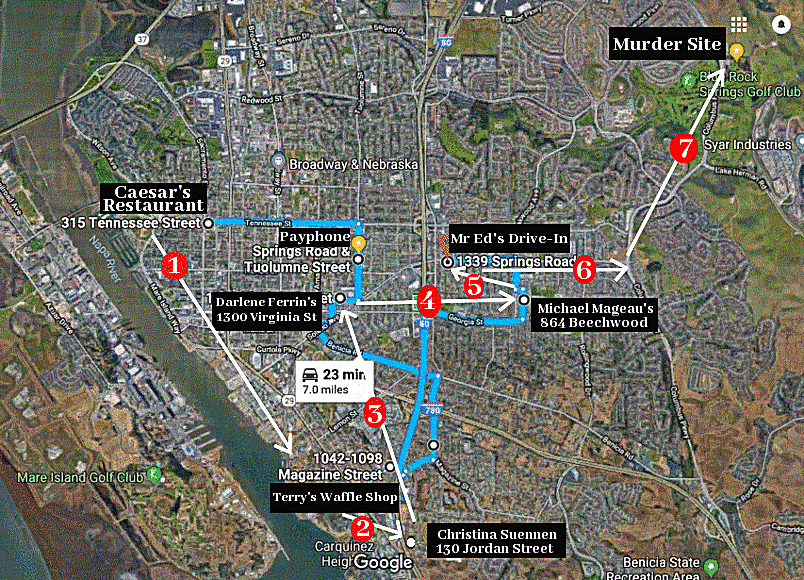
‘Approximately 40 minutes after the shooting, the killer called Vallejo police and spoke with dispatcher Nancy Slover:
“I want to report a double murder. If you will go 1 mile east to the public park on Columbus Parkway you will find the kids in a brown car. They were shot with a 9mm Luger. I also killed those kids last year. Goodbye.”
By 12:47, a PT&T (Pacific Telephone and Telegraph Company) operator called Vallejo Police to report that the call had been traced to a payphone at Joe’s Union, at the corner of Springs Road and Tuolumne Street.’
To be continued…
© Orion Gold 2026 – All rights reserved. Permission to copy, use or distribute, if acknowledgement of the original authorship is attributed to orion-gold.com

