Interest in the Kings of the North and of the South is well founded as the culmination of their prophetic roles signals the onset of the time of Jacob’s trouble and may well unravel a third of a millennia from now, near and a little beyond the horizon line of where the third century ends and the next begins.
Jeremiah 30:7
English Standard Version
‘Alas! That day is so great there is none like it; it is a time of distress for Jacob; yet he shall be saved out of it.’
The Book of Daniel chapter eleven contains the single longest prophecy in the Bible; whom biblical scholars believe chronicles principally the break up of the Greco-Macedonian Empire, before projecting into the future. The early part of the chapter references Greece or Javan – somewhat confusingly – as it is not the son of Japheth being described, but actually the Greco-Macedonian Empire and its confrontation with the existing, ruling Medo-Persian Empire ending in 331 BCE.
This writer is not convinced that it is towards the end of the chapter when a change in the players of north and south is revealed, but that it occurs earlier. Regardless, the King of the North and King of the South shift from a Mediterranean and Middle Eastern theatre of orientation, to an imminent global power struggle.
While not stated as such in the Bible, there is of sorts, a King of the West. This nation is presently a behemoth on the world stage; yet has begun a gradual decline, as we enter the beginning of the end – refer Chapter XXXIII Manasseh & Ephraim – the Birthright Tribes. Within a sixty-five year period, the pride of its power will speedily decline, suddenly fail and with that, it cataclysmically falls.
Isaiah 7:8
English Standard Version
‘… And within sixty-five years Ephraim will be shattered from being a people.’
Its final demise will be spectacular, sudden, devastating and completed at the hands of the King of Assyria – Isaiah 7:17, Hosea 11:5.
The United States does not play a role as the King of the North or the King of the South, though according to Bible prophecy, it will experience tragedy at the hands of the future King of the North (Article: Is America Babylon?)
The prevalent view amongst identity adherents and fundamentalist Christians has been that Asshur as ‘the instrument of God’s wrath’ in bringing true Israel to its knees in repentance past and future, is the nation of Germany and the Teuton peoples. Yet geography, history, migration, autosomal DNA, mtDNA and Y-DNA Haplogroups, reveal that the Germans are actually descended from Ishmael – refer Chapter XXVIII The True Identity & Origin of Germans & Austrians – Ishmael & Hagar.
As the dominant nation from the descendants of Peleg – the son of Eber from Arphaxad a son of Shem – in Western Europe, centrally placed Germany is also the leading nation of all of Joktan’s descendants from Eber, who reside in Eastern Europe. In the future, a German led United States of Europe will ally itself with the real Assyrians – refer article: Is America Babylon?
The prophet Balaam provides a future prophecy on these specific nations, including Kittim, a son of Javan descended from Japheth.
Numbers 24:24
English Standard Version
“But ships shall come from Kittim and shall afflict [H6031 – anah] Asshur and Eber; and he too shall come to utter destruction.”
It is in fact the Russians who descend from Asshur and are modern day Assyria – refer Chapter XX Will the Real Assyria Stand Up: Asshur & Russia. Russia is both the King of the North and the instrument of God’s wrath against true Israel and Judah. The Hebrew word for afflict, means: ‘to afflict, abase’ or ‘humble (one self).’
While Iran and France are not the future King of the North, it is insightful by the source of this montage to correctly include Russia, Moscow and its current president under the banner of the King of the North.
Zephaniah 2:13
English Standard Version
‘And he will stretch out his hand against the north and destroy Assyria, and he will make Nineveh [their capital] a desolation, a dry waste like the desert.’
Isaiah 10:5, 24-25
English Standard Version
5 ‘Woe to Assyria, the rod of my anger; the staff in their hands is my fury…
24 Therefore thus says the Lord God of hosts: “O my people, who dwell in Zion, be not afraid of the Assyrians when they strike with the rod and lift up their staff against you as the Egyptians did. 25 For in a very little while my fury will come to an end, and my anger will be directed to their destruction.’
There are only two nations in the northern hemisphere which could at a certain point in the future, possess the military and economic wherewithal to inflict a captivity of this magnitude on the modern nations of Israel and Judah – not the modern state called Israel – Chapter XXX Judah & Benjamin – the Regal Tribes; and Chapter XXIX Esau: The Thirteenth Tribe. The nation of Germany is not in the north.
Amos 6:8-9, 11, 14
English Standard Version
‘… declares the Lord, the God of hosts: “I abhor the pride of Jacob and hate his strongholds, and I will deliver up the city and all that is in it.” … And if ten men remain in one house, they shall die… and the great house shall be struck down into fragments, and the little house into bits. “For behold, I will raise up against you a nation, O house of Israel,” declares the Lord, the God of hosts; “and they shall oppress you…”
The other contender nation China, already has its own predetermination as we will learn. The Assyrians are given their mission as Israel’s punisher from the Creator, though as they relish the role, their demise is also foretold.
We then read further, about the King of the North in the book of Daniel. The whole of chapter eleven is worth reading, though for brevity the key verses include the following.
Daniel 11: 15, 18, 25, 29-31, 40, 42-44
English Standard Version
‘Then the king of the north shall come… Afterward he shall turn his face to the coastlands and shall capture many of them… And he shall stir up his power and his heart against the king of the south with a great army. And the king of the south shall wage war with an exceedingly great and mighty army, but he shall not stand, for plots shall be devised against him…’
The King of the North finds reason to attack the coastlands or isles which in the Bible are always associated with the far East. In this case, southeast Asia – Chapter VII Javan: Archipelago South East Asia & Polynesia; and Chapter IX Tarshish & Japan.
Isaiah 66:19, ESV: ‘… to Tarshish , Pul, and Lud, who draw the bow, to Tubal and Javan, to thecoastlands far away, that have not heard my fame or seen my glory…’ Pul, is not a mis-translation of Put or Phut. It is a name of a king; a King of Asshur and a reference to Assyria. Russia then turns its attention to the King of the South and defeats them in their first encounter.
Daniel: ‘At thetime appointed he shall returnand come into the south, but it shall not be this time as it was before. For ships of Kittim shall come against him, and he shall be afraid and withdraw, and shall turn back and be enraged and take action against the holy covenant… and profane the temple and fortress, and shall take away the regular burnt offering. And they shall set up the abomination that makes desolate’ – Matthew 24:15.
The interlinear says: ‘For ships Chittim shall come…’ It does not include ‘of’ or ‘from’ in the Hebrew, though it is considered the inference is from more than of, Kittim. Sometimes translated unhelpfully, as ships from the west. Some have then mistakenly translated Kittim as being Cyprus or Italy; where they once dwelled. The people today descended from Kittim live in the Indonesian archipelago – refer Chapter VIII Kittim & Indonesia.
We learned earlier in Numbers 24:24, that ships from Kittim inflict a loss on Asshur and Eber – an alliance of Russia and a German led European Union respectively.
At some point, Kittim is either part of those nations amalgamated as the King of the South, and Indonesia’s military and naval power is formidable enough to fight Russia and Europe, or more likely, the verse is a veiled reference to a naval cavalcade, of various confederate nations travelling from a base in Kittim. It is plausible that Indonesia could accommodate a military and naval presence within its strategically positioned islands in southeast Asian waters. This enlargement of the King of the South alliance creates a powerful navy, which wins a confrontation against the King of the North, scaring them into retreat.
Modern navies since the last century have considerably more impact in any escalation than in the past, as they not only provide an effective means of transporting soldiers and military hardware, they include the critical strike potency afforded through the combined use of aircraft carriers and their jet fighter aircraft – Article: 2050.
In wrathful response, the abomination of desolation is committed and marks the beginning of the great tribulation some thirty days later and a final three and one half year period; a prophetic 1260 days before the Son of Man returns – Daniel 9:27, 12:11, Matthew 24:21-22.
Daniel: ‘At the time of the end, the king of the south shall attack him, but the king of the north shall rush upon him like a whirlwind, with chariots and horsemen, and with many ships… He shall stretch out his hand against the countries, and the land of Egypt [Mizra] shall not escape. He shall become ruler of the treasures of gold and of silver, and all the precious things of Egypt,and the Libyans [Phut] and the Cushites shall follow in his train. But news from the east and the north shall alarm him, and he shall go out with great fury to destroy and devote many to destruction.’
The King of the North clashes for a third time with the King of the South, who this time is the aggressor – bolstered by winning the second exchange – attacking Russia with its allies. Notice the King of theNorth is prepared with ‘many ships’ and wins the third and final conflagration. Mizra includes the Arab nations, led by Egypt, Phut is Pakistan and Cush is India – refer Chapter XIII India & Pakistan: Cush & Phut; and Chapter XIV Mizra: North Africa & Arabia. India though, is not aligned with the King of the South. Russia gains control of Arab assets, for instance oil reserves. The threat from the Northeast, is an East Asian alliance, led by China.
The dominance of Russian interest expands to include the Middle East, West Asia and South Asia. This has been the long term goal of Russia – not withstanding the failed attempt at securing a warm water port during the war in Afghanistan from 1979 to 1989 – and echoes the words of ‘Peter the Great… [who] advised his descendants to “approach as near as possible to Constantinople [Istanbul] and India [Cush]. Whoever governs there will be the true sovereign of the world. Consequently, excite continual wars, not only in Turkey [Elam], but in Persia [Iran, Lud]… Penetrate as far as the Persian Gulf [Iraq], advance as far as India” – Prisoners of Geography, Tim Marshall, 2016 & 2019, page 13.
Ezekiel 27:10
New English Translation
‘Men of Persia [Elam], Lud, and Put [Pakistan] were in your army, men of war. They hung shield and helmet on you; they gave you your splendor.’
Lud a son of Shem, is associated with Elam and Phut geographically and militarily a number of times in the Bible. All the verses which mention them are connected with warfare. It is not a surprise therefore to discover that Lud is the modern militaristic state of Iran – refer Chapter XVII Lud & Iran. Their relationship with Pakistan and Elam falls into place in the jig-saw of who comprises the King of the South; as Elam is the nation of Turkey – refer Chapter XVIII Elam & Turkey.
What is worth noting, from Ezekiel 27:10, is that Turkey, Iran and Pakistan are the heart and core of the future Islamic Alliance which is referred to in the Book of Daniel, as the King of the South. Peripheral players in this powerful confederacy, may well include other major Islamic nations of Egypt, Pathros from Mizra; Bangladesh, Havilah from Cush; and Indonesia, Kittim from Javan.
There are a handful of contender nations for leader of the Muslim world: population wise, Bangladesh and Indonesia; diplomatically wise as in gaining pan-Arab support, Egypt; militarily, Pakistan and critically, ideologically wise, Iran. The last two would appear favourites and Iran has the edge maybe, in religious zealotry and militancy compared with Pakistan.
On the fringes because of its ostensibly more western footing is Turkey. How it would fit into an Islamic alliance is not as clear cut, unless economic clout is considered foremost. Potential leader cannot be ruled out particularly as its economy – 19th biggest GDP in the world – though marginally behind Indonesia at 16th and Saudi Arabia at 18th, is growing to soon make it the dominant nation of the South.
Turkey is included in the Next Eleven countries that are projected to dominate the global economy in the middle of the twenty-first century. Other N-11 nations coincidentally, include Bangladesh, Egypt, Indonesia, Iran and Pakistan. Most of the group’s total gross domestic product derives from Mexico, Indonesia, South Korea and yes, Turkey. These Islamic nations are the fastest growing major economies of the next generation along with the burgeoning economies of the BRIC nations, comprising Brazil, India, China and forebodingly, Russia.
India is discussed in the Bible and has a vital role to play as the Queen of the South; a powerful counterpoint to the King of the South.
Matthew 12:42
Amplified Bible
‘The Queen of the South (Sheba) [Sheba and Dedan descended from Cush] will stand up [as a witness] at the judgment against this [last] generation, and will condemn it because she came from the ends of the earth to listen to the wisdom of Solomon; and now, something greater than Solomon is here [the Messiah].’
The term Queen of the South is a tantalising clue as it confirms the status of India on the world stage, while at the same time excluding it from the future union of Islamic nations incorporating the King of the South: Turkey, Iran, Pakistan, Egypt and their allies Indonesia and Bangladesh.
An alliance led by China, is predicted in the Book of Revelation.
Revelation 16:12
English Standard Version
‘The sixth angel poured out his bowl on the great river Euphrates, and its water was dried up, to prepare the way for the kings from the east.’
The Kings from the East comprise China, North Korea or sensationally, a united Korea and much of continental southeast Asia, including Vietnam, Myanmar and Thailand. At this juncture, after the King of the North has conclusively and systematically defeated the King of the South; the Queen of the South; and having previously dispatching the King of the West; China decides to impede Russia’s rush towards total global dominion.
Revelation 16:16
English Standard Version
‘And they assembled them at the place that in Hebrew is called Armageddon [G7171 meaning: ‘the hill or city of Megiddo’ derived from G4023: ‘to surround, encompass, take possession, sieze’ and G2022: ‘to pour upon’].’
The forces of the Russian King of the North square up against the combined Chinese led Asian Kings of the East on the plains below (adjacent to) Megiddo.
China comprises three of Japheth’s sons – refer Chapter X China: Magog, Tubal & Meshech. Magog, Tubal and Meshech dwell in the North and in the East – Daniel 11:44, Revelation 16:12. Magog is described in Ezekiel chapters thirty-eight, thirty-nine and in Revelation 20:1–10. Only one nation in the world could be the correct match.
Gog is a future ruler of Magog – quite literally, a de-magog-ue.
Definition of a demagogue: ‘a person, especially an orator or political leader, who gains power and popularity by arousing the emotions, passions, and prejudices of the people.’
This leader is suspiciously reminiscent of the Nephilim – Articles: Nephilim & Elioud Giants I & II.
There are in fact two wars predicted, involving Magog:
1. Towards the end of the Great tribulation at the battle of Armageddon, Magog with the Kings of the East, faces off against the King of the North.
2. At the end of a millennial period of peace, Magog and its allies attack, not the present day state of Israel (or the Jews), but rather true Israel descended from the sons of Jacob – Chapter XXIX Esau: TheThirteenth Tribe; and Chapter XXX Judah & Benjamin – the Regal Tribes.
‘The phrase, “The Yellow Peril,” was first introduced into public print by Emperor William of Germany in 1895. In making a cartoon, representing the dangers likely to arise from the nations of the East against the West, the Emperor named the picture, ‘The Yellow Peril’ – The Yellow Peril, or the Orient vs. the Occident as viewed by modern statesmen and ancient prophets, 1911, Greenberry George Rupert (1847-1922).
The Statue in Nebuchadnezzar’s dream has been discussed previously, with the Medes of Madai, represented by the Turko-Mongols of Central Asia and the Persians of Elam, represented by Turkey, being the chest and arms of silver.
The head of gold is synonymous with the Babylonian Chaldean Empire from the descendants of Abraham’s brother Nahor, represented by Italy.
The torso and thighs of bronze equate to the Greco-Macedonian Empire, the descendants of Abraham’s nephew Lot (Moab and Ammon), represented by France – Chapter XXV Italy: Nahor & the Chaldeans; and Chapter XXVI The French & Swiss: Moab, Ammon & Haran.
Each descending metal is less valuable, though more robust than the one previous to it.
In Daniel 2:33, 40 NET, it says:
‘Its legs were of iron… Then there will be a fourth kingdom, one strong like iron. Just like iron breaks in pieces and shatters everything, and as iron breaks in pieces all these metals, so it will break in pieces and crush the others.’
The legs of iron, are much stronger than the bronze of the Greco-Macedonians, yet not as culturally sophisticated or resplendent. It would be unusually conspicuous if the Assyrians were missing from the statue, as other major European powers are included as we have investigated.
The two legs represent the division of the Roman Empire. One leg of iron is the Western Roman Empire centred in Rome and represents the descendants of Ishmael: Germany – Chapter XXVIII The True Identity & Origin of Germans & Austrians – Ishmael & Hagar.
The other leg is the Eastern Roman Empire of Byzantium and this leg represents the descendants of Asshur: Russia – Chapter XX Will the Real Assyria Stand Up: Asshur & Russia.
Edited excerpt from an answer to questions asked on Quora: What is the meaning of Daniel chapter 11? and What does the Bible mean about “Queen of the South”?
The fourth son of Shem is Lud. His descendants are an elusive people to track historically and next to impossible to locate for identity researchers and biblical scholars alike. We have discussed the descendants of Phut and of Mizra’s son Lehab intermingling, so that the Bible translation ‘Libya’ applies to both – refer Chapter XIII India & Pakistan: Cush & Phut; and Chapter XIV Mizra: North Africa & Arabia.
Commentators have resolutely taught that Lud from Shem and the Lud-im from Mizra are separate peoples. Any references to Lud or ‘Lydia’ have been even more perplexing to the identity investigator in trying to establish which Lud in question is being addressed – the one from Ham, or the one descended from Shem? The answer is that the descendants of Lud primarily descended from Shem, are living nestled within the region of Ham.
The Origin of the Nations, Herman Hoeh, 1957 – emphasis mine:
‘Shem had a son named Lud (Genesis 10:22). Lud early migrated from the Mesopotamian Valley. We read of Lud only as a trading people in the Old Testament.
They play no important part in prophecy, but we ought to know where Lud’s descendants are today.
From the region of Western Mesopotamia, the sons of Lud spread into Western Asia Minor and founded the ancientKingdom of Lydia. “The Assyrians called Lydia Ludu”, says the International Standard Bible Encylopaedia. From Lydia they spread into Europe. Enroute they gave the name Ludias to a river in Macedonia, north of Greece. Nearby, in Thrace, we find the town of Cabyle. A people of the white race called Cabyle or Kabyle are found in North Africa today!
The Romans found the Lydians spread over much of Italy and along the shores of the Adriatic in early times. They called the Lydians Etruscans and Tuscans. In the little country of Albania (next to Greece) the Tosks live today. The BRITANNICA states that these Albanians are probably “identical with Tuscus [and the] Etruscans” of Roman times, who were of Lud (article “Albania”). The Greeks call Albania Arberia, a word akin to Berber or Barbar. Associated with them are the Berbers, or Barbars. The Greeks probably derived the word Barbarian, meaning non-Greek, from the Berbers of Lud whom they met.
Ezekiel 30:5 gives the definite implication that part of Lud is to be found today in North Africa. Various forms of the name “Albania” are common even today in Italy. From Italy we can trace many Lydians to the East, around the Black Sea, where they founded another Kingdom of Albania in the Caucasus.
According to many historians, “the name [Albania] arose from the alleged fact that the people were the descendants of emigrants from Alba in Italy”, the BRITANNICA states. In the region of the Causasus today dwell many small tribes, related to one another racially, but distinct linguistically. They are not related to any other people in Russia. They are known by a dozen different names. Among these are the Georgians from whom Joseph Stalin came.
The sons of Lud have not become a great people in the world [in part] due to the… geographic areas in which they settled. Isaiah 66:19 describes them today as dwelling among the Latin and Slavic peoples of Europe.’
The descendants of Lud actually play an important role in the future.
Understanding their identity reveals they are located in West Asia and therefore not associated with North African, Latin or Slavic speaking peoples.
The Albanians have inherited names from previous peoples who have migrated through Southern Europe. Their name Alba-nia does have a close association with the peoples of Alba who passed through Albania and Italy en route to ultimately, Alba in Britain. The Albanians were not a people living in the same location for over 2,500 years; thus their name today is inherited and not original to them – refer Chapter XXIV Arphaxad & Joktan: Balts, Slavs & the Balkans.
The Lydian civilisation dwelt in Western Asia Minor and then seemingly disappears from view. We will discover that it was a different people descended from Shem who were the ancient Etruscans. The Etruscans ethnically and culturally, have much more in common with the Romans and Greeks as well as with the Phoenicians of Carthage – with whom they had an alliance – to indicate any link with Lydia from Lud, to be unlikely. The Georgians though, are a part of Lud’s descendants.
Christian Churches of God – emphasis mine:
‘Although there is a Semite of the same name, we find that Lud, grandson of Ham, was father of the Ludim. He was also the first-born of Mizraim. The Hebrew word is ludiyiy (SHD 3866), meaning to the firebrands:travailings (BDB). (The descendants of Lud, the fourth son of Shem, were supposedly the Lydians.)’
Recall, the definition for Lehab (or Lubim), the son of Mizra living with Phut in Pakistan, is: ‘flames, to burn.’
CCG:
‘The entry in the International Standard Bible Encyclopaedia is as follows:
“In Genesis 10:13 Ludim appears as the firstborn of Mizraim (Egypt), and in 10:22 Lud is the fourth son of Shem. We have therefore to do with two different nationalities bearing the same name, and not always easy to distinguish…”
‘In Isaiah 66.19 Lud is mentioned with Tarshish and Pul (generally regarded as a mistake for Phut), Tubal, Javan, and the isles. Accepting this emendation, the passage agrees with Jeremiah 46:9, where the Ludim are spoken of with Kush and Phut as the allies of Egypt; and also with Ezekiel 27:10, where Lud is referred to with Persia and Put… Lud, again, is mentioned with Ethiopia (Cush), Put, all the mingled people, Cab, and the children of the land which is in league (or, margin “the land of the covenant”), which were all to fall by the sword (Eze 30:5)…
The existence of Lud in the neighborhood of Egypt as well as in Asia Minor finds parallels in… Assyrian inscriptions… and… certain Assyrian letters relating to horses, by the side of the Cush (Kusu likewise) which stands for Ethiopia. Everything points, therefore, to the Semitic Lud and Ludim being Lydia, and the identification may be regarded as satisfactory. It is altogether otherwise with the Egyptian Lud and Ludim, however, about which little can be said at present.
The reference in Isaiah 66:19 seems to locate the land of Lud in the Mediterranean, whilst Jeremiah (46:9) and Ezekiel (27:10; 30:5) place it squarely in Africa. The likelihood is that it is in North Africa on the Mediterranean shores. The Lydians in Asia Minor came into contact with the Assyrians and with Egypt in the early Seventh century BCE when their king Gyges sent an embassy to Ashurbanipal in 668 or 660 (Interpretative Dictionary Volume 3, page 179).Their language was not known and they were not really understood until the Persians conquered them in 546 BCE. Mellink (ibid.) considers the Lydians of Asia Minor to be neither Hamitic nor Semitic. However, if they were either it would be Semitic.’
We can understand the confusion caused in trying to separate both Luds. This then creates difficulties in who is who; with one commentator even saying they are neither. The Bible reveals the answer and it has been available all along, waiting to be read and plainly understood.
Ezekiel 30:5
Young’s Literal Translation
‘Cush [India], and Phut [Pakistan], and Lud, andall the mixture, and Chub[Lehab], And the sons of the land of the covenant with them by sword do fall…’
Lud is associated with India and Pakistan. Pakistan is Phut and Lehab combined. Similarly, Lud is a mixture of peoples and thus all mention of Lud, Ludim or Lydia in the Bible relate to the two lines of Lud, together.
Lud is the nation of Iran.
Iran is also known as Persia and the main body of people are called Persian and speak Persian (or Farsi). The original Persians once lived in this region and are now identifiable with Elam – refer Chapter XVIII Elam & Turkey.
Modern Iranians have inherited the name and again, it is not original to them. For the name ‘Iran’ etymologically, is derived from the word Aryan – Chapter XIII India & Cush: Cush & Phut.
The name Ludim is used once in the Bible – aside from the family listings for Mizra in Genesis chapter ten and 1 Chronicles chapter one – and is translated as Lydia (as opposed to Lud) in other passages.
The Oxford Bible Church article (below) by Derek Walker, provides a summary synopsis of Iran, though understandably links Iran with ancient ‘Persia’, which is actually Elam in the Bible rather than Lud – emphasis mine:
‘Ezekiel 38:5 lists Persia as the principal (first mentioned) ally of Magog in the end-time war against Israel [not the state of Israel]. Persia is easy to identify as modern Iran. Iran was called Persia until 1935… then in the 1979 Revolution, the Islamic Republic of Iran. Once [Iran] was pro-western and pro-Israel but after Khomeini’s Islamic Revolution, [it] became anti-western, anti-Israel and more within the Russian sphere of influence.’
Online Encyclopaedia:
‘Ruhollah Musavi Khomeini was an Iranian cleric, politician, political theorist and revolutionary who founded the Islamic Republic of Iran and served as its first supreme leader from 1979 until his death in 1989. He was the main leader of the Iranian Revolution, which overthrew Mohammad Reza Pahlavi and transformed Iran into a theocratic Islamic republic [based on Islamic law].’
Ayatollah Khomeini 1902 – 1989
Walker:
‘Iran is a predominantly Muslim nation, with a radical fundamentalist leadership. Israel considers Iran as its most dangerous enemy. [Iran] desires to lead* the Muslim world, taking centre stage to bring Muslim and Arab nations together against Israel and the USA. [Iran] wants all Muslim nations to devise a common strategy against Israel in the Middle East. Iran is the most extreme of the extremists. Hezbullah is essentially an arm of Iran. Hamas is becoming increasingly dependent on [Iran]. On many occasions [its] leaders have expressed the desire to wipe Israel from the map, which is why there is so much concern that [Iran] is determined to have… nuclear capability.
[Iran] supports many terrorist groups and could easily pass nuclear weapons to them to use against Israel and the West. That is why sanctions have been applied but Russia has protected Iran from the worst of them, because [it] has many lucrative contracts with [Iran], including helping Iran build its nuclear reactor and selling weapons…
Russia continues to align [itself] with Israel’s enemies, and the top of this list is Iran, who would not hesitate to join in [an] invasion. In order to mount this large-scale invasion, Russia needs Iran as an ally. It would be much more difficult to move a large land army across the Caucasus Mountains bordering Turkey, than the Elburz Mountains bordering Iran. [Iran’s] general terrain is also easier to cross than Turkey’s.’
Mount Damavand is a dormant stratovolcano and the highest peak in Iran and Western Asia; the highest volcano in Asia; and the 3rd highest volcano in the Eastern Hemisphere at an elevation of 5,609 m (18,402 ft). Damāvand has a special place in Persian mythology and folklore. The mountain is in the middle of the Alborz range near the southern coast of the Caspian Sea and forty-one miles (66 km) northeast of the city of Tehran.
Jeremiah 46.9
Bible in Basic English
‘Go up, you horses; go rushing on, you carriages of war; go out, you men of war:
Cush and Put, gripping the body-cover, and the Ludim, with bent bows.’
New English Translation
‘Go ahead and charge into battle, you horsemen! Drive furiously, you charioteers! Let the soldiers march out into battle, those from Ethiopia and Libya who carry shields, and those from Lydia who are armed with the bow.’
Statue of Arash the Archer at the Sa’dabad Complex in the capital, Tehran
The proficiency with bow and arrow extends to modern warfare. And what tends to be thrown or fired now… is missiles.
In which Iran has a fond proclivity in using against Israel. Beginning in 1979 there has been a timeline of shared mistrust, tension and hostility.
Iranian missile strike against Israel in 2025
Times Now, Ajay Kumar, 2025:
“The 1979 Islamic Revolution marked a significant turning point in Iran’s foreign policy, leading to the severance of diplomatic ties with Israel. Ayatollah Khomeini’s regime branded the U.S. as the ‘Great Satan’ and Israel as the ‘Little Satan.’ This ideological shift, combined with the emergence of anti-Israel sentiment and support for militant groups like Hezbollah, transformed Iran into a staunch adversary of Israel, ending decades of cooperation.”
Meanwhile, Israel has had growing concern over Iran’s determination in developing nuclear weapons. The perceived threat (refer article: Nuclear Nefariousness) heightened by the fact that Iran has proven its desire to obliterate Israel by its relentless pursuit of an ever increasing number of missiles.
Iran Watch, January 26, 2026 – emphasis mine:
‘Despite recent losses, Iran’s missile arsenal remains one of the largest and most diverse in the Middle East. In 2022, U.S. Central Command’s General Kenneth McKenzie stated that Iran possessed “over 3,000” ballistic missiles. That did not include the country’s burgeoning land-attack cruise missile force. Iran expended hundreds of missiles in its short war with Israel in June 2025 and two exchanges of fire in 2024, while Israel targeted Iranian missile stockpiles, launcher, and production capabilities in return.
Iran’s sense of urgency in rebuilding its missile arsenal reflects the heavy investment its rulers have made in the country’s missile capabilities over the past two decades, which focused on improving the combat-readiness, precision, and accuracy of its missiles to make them a potent conventional deterrent. The focus on precision and accuracy took precedence over extending the missiles’ range, a policy which was formalized in 2015 with a self-imposed missile-range limit of 2,000 km. Iran could, however, abandon the limit at any time, and indeed has deployed a system, the Khorramshahr, that could almost certainly reach longer ranges if equipped with a lighter warhead.
The emphasis on combat readiness led Iran to focus on developing solid-propellant missiles, a departure from its earlier reliance on liquid-fueled designs. Following the poor performance of some of its missiles against U.S. and Israeli air defenses in 2024-2025, Iran has also sought to improve the maneuverability of its reentry vehicles and warheads.
Although conventional capability has been Iran’s recent focus, many Iranian missiles are capable of carrying nuclear payloads, which has long been an international concern. U.N. Security Council resolution 1919, which returned to effect in September 2025, says that “Iran shall not undertake any activity related to ballistic missiles capable of delivering nuclear weapons, including launches using ballistic missile technology.” That international legal prohibition is accompanied with U.N. restrictions on Iranian procurement of missile technology and targeted sanctions on entities involved in missile development.
Despite these restrictions, and others which preceded them, Iran has persisted in developing a wide array of missiles that are inherently capable of carrying a nuclear warhead, as well as space launch vehicles (SLVs) that use many of the same technologies as long-range ballistic missiles.
Iran has also transferred missiles to proxies such as Yemen’s Houthi rebels, who have used them to strike civilian targets in Saudi Arabia and the United Arab Emirates and, more recently, to harass commercial ships transiting the Red Sea. It has also sold hundreds of close-range ballistic missiles and air defense missiles to Russia for use against Ukraine.’
Isaiah 66.19
New English Translation
‘I will perform a mighty act among them and then send some of those who remain to the nations – to Tarshish [Japan], Pul [Asshur], Lud (known for its archers), Tubal [economic power located in southeastern coastal China], Javan [Archipelago South East Asia], and to the distant coastlands that have not heard about me or seen my splendor.’
Ezekiel 27:10
New English Translation
‘Men of Persia [Turkey (Elam)], Lud [Iran], and Put [Pakistan] were in your army, men of war. They hung shield and helmet on you; they gave you your splendor.’
We learn that Lud is associated with Cush, Phut and Elam geographically and militarily.
All the verses are connected with warfare. It is not a surprise therefore to connect Lud with the modern militaristic state of Iran. Their complex geopolitical relationship with Turkey, Pakistan and India, also now falls into place.
The Middle Eastern and Southwest Asian jig-saw is looking a little more complete and hopefully of sense to the constant reader. Pul, is not a mis-translation of Put (or Phut). Rather, we will learn later it is a name of a king – a King of Asshur. The reference is about Assyria and again, Iran has close historic ties with Russia – refer Chapter XX Will the Real Assyria Stand Up: Asshur & Russia.
What is worth noting from Ezekiel 27:10, is that Elam-Turkey, Lud-Iran and Phut-Pakistan are the heart and core of a future Islamic alliance, which is referred to in the Book of Daniel, as the King of the South.*
Peripheral players in this powerful confederacy may well include other major Islamic nations, including:
Egypt-Pathros from Mizra; Bangladesh-Havilah from Cush; Indonesia-Kittim from Javan; and Nigeria-Hamath from Canaan – refer article: Four Kings & One Queen.*
The map below identifies the highest population regions and density. Most of Iran’s bigger cities are located in the west of the nation. Iran’s affinity lays more with Turkey and the Arab world, than its eastern neighbours comprising Pakistan and Afghanistan.
There are a handful of contender nations for leader* of the Muslim world: population wise, Indonesia, Bangladesh and Nigeria; diplomatically wise – as in gaining pan-Arab support – Egypt; militarily wise, Pakistan; and critically ideologically wise, Iran.
The last two would appear favourites and Iran has the edge maybe, in religious zealotry and militancy compared with Pakistan.
On the fringes because of its ostensibly more western footing is Turkey. How it would fit into an Islamic alliance is not as clear cut. Potential leader cannot be ruled out particularly as its economy (19th in the world) and marginally behind Indonesia (at 16th) and Saudi Arabia (at 18th), is growing to soon make it the dominant nation of the South.
In the Book of Jasher 7:17, we learn that Lud had two sons:
Pethor and Bizayon.
The Muslim historian Muhammad ibn Jarir al-Tabari, circa 915 CE recounts a tradition that the wife of Lud was named Shakbah, a daughter of Japheth and their two sons were Faros and Jurjan. He further states that Lud was also the progenitor of the Amalekites – both a grandson of Esau and a separate people by the same name – refer Chapter XXIX Esau: The Thirteenth Tribe.
The first son, Far-os is reminiscent of Fars province in Iran. Fars, Pars or Faristan is the state that was once the southern part of the original homeland of Elam. The native name of the Persian language is Farsi or Parsi. Persia and Persian both derive from the Hellenized form of Persis, from the root word pars. The Old Persian word was Parsaa – while Fars is the Arabicised version of Pars.
The Book of Jubilees 9:6, says that Lud received:
“the mountains of Asshur and all appertaining to them till it reaches the Great Sea, and till it reaches the east of Asshur his brother”.
The Ethiopian version specifically reads:
“… until it reaches, toward the east, toward his brother Asshur’s portion.”
Scholars have associated Lud with the Lubdu of Assyrian sources, who inhabited certain parts of western Media.
This past relationship is paralleled in recent centuries through the close geographic proximity and historic interaction between Iran (Lud) and Russia (Asshur) – Chapter XXI Will the Real Assyria Stand Up: Asshur & Russia.
Abarim Publications – emphasis mine:
‘The people called Ludim descend from Mizraim… spelled Ludiyim in 1 Chronicles 1:11. But the only person named Lud is a son of Shem. It appears that the only Lud in the Bible and the only Ludim in the Bible have nothing to do with each other; i.e. the Ludim stem from some other, otherwise unmentioned Lud. It may be that there once were two patriarchs named Lud and thus two peoples named Ludim, but that one people and the other patriarch vanished from the story.’
It is incredible that a commentary would head off on such a completely incorrect tangent and therefore, in a mis-leading direction, instead of seeing the simplicity of the obvious answer – that two merged to become one. Some forbearance needs to be given, as in nearly all other instances, Abarim have been far and away the best Bible concordance for this project’s requirements and of which this writer is grateful.
Abarim:
‘It’s a mystery what the names Lud and Ludim might mean, although scholars have proposed several possibilities. The name Lydia means From Lud and the name Ahilud may mean Brother Of Lud. It can also be that – as is attested by Jones’ Dictionary of Old Testament Proper Names – in the language where this name came from (Phoenician, says Jones) the ‘d’ and the ‘z’ were pretty much indistinguishable and the name is actually Luz, meaning Turn of Twist, and thus the word by which the crooked almond tree was known.
The word (lwd) simply does not occur in Hebrew. BDB Theological Dictionary and NOBSE Study Bible Name List do not translate. Jones’ Dictionary of Old Testament Proper Names, slightly more daring, indeed derives (Lud) from (luz), a verb meaning to turn aside, depart: The verb (luz) means to turn aside, [to bend] or away. Noun (lazut) means deviation or crookedness. Noun (luz) describes almond wood. To a Hebrew audience, perhaps the name Lud rang like it has something to do with the verb (yalad), meaning to beget, bring forth: perhaps Lud… means something like [twisted] Productivity or Emergence.‘
This writer cannot attest to the national character or approach of an Iranian, so does not know if the following is indicative or not – though its current leadership would indicate a correlation. It is not too dissimilar to the definition for a Philistine – refer Chapter XV The Philistines: Latino-Hispano America.
Luddite:
‘a member of any of various bands of workers in England (1811–16) organised to destroy manufacturing machinery, under the belief that its use diminished employment.’
Also: ‘someone who is opposed or resistant to new technologies or technological change.’
The historical and chronological link between the original Lud and modern Iran can be found in the former state of Urartu.
Which raises an important point of distinction, in that the original territory of Lud after the post-flood dispersion from the Indus Valley was in the western region of Asia Minor circa 9500 BCE – Chapter I Noah Antecessor Nulla.
The map above is a reasonably accurate depiction of the territory of Lud in Asia Minor and the Ludim located in North Africa.
A vast expanse of time passed – counted in millennia’s – until the Kingdom of Lyd-ia which was prominent from circa 1200 BCE until 546 BCE, when the kingdom was defeated by the Persian king Cyrus. Subsequently, the region fell under the domination of the Persians, Macedonians and Romans.
Lud’s name became a. associated with the western area of Asia Minor and b. was inherited by those civilisations who dwelt there. Thus the Lydian Kingdom did not comprise the people descended from Lud. In fact, the Etruscans once dwelt in Lydia before migrating to the Aegean and then on to the Italian Peninsula – Chapter XXVII Abraham & Keturah – Benelux & Scandinavia.
Urartu received its name from the Assyrians who bordered their land to the South.
Urartu’s origins stretch back to an Assyrian inscription dating to just after 1100 BCE – some time following the conquering of the Nairi states by Assyrian king Shalmaneser I in 1274 BCE. The name Uruatru originally referred to one of the states of Nairi. This was a confederation of small kingdoms and tribes located in the Armenian Highlands between the 14th and 11th centuries BCE.
These states were repeatedly attacked by the Middle and Neo-Assyrian Empires. Eventually the kingdoms tired of the constant invasions and merged in the ninth century BCE to form the Kingdom of Urartu. Their first king was Arame of Urartu who founded his first capital at Sugunia and then a second at Arashkun.
The Hebrews called Urartu, Ararat and like present day Iran – with formerly Shahs and currently Ayatollahs – were synonymous with a prominent ruler who was the focal point of their civilisation. Herodotus called them Alarodians.**
Urartu was known for its indomitable fighting spirit and development of a high culture. H A B Lynch, remarked that Urartu was “no obscure dynasty which slept secure behind the mountains, but a splendid monarchy which for more than two centuries rivalled the claims of Assyria to the dominion of the ancient world.”
Between 860 and 585 BCE, Urartu contested with Assyria for the dominance of western Asia. Its beginnings are supposedly lost in the mists of pre-history, though their identification with Lud and the people of Lydia in western Asia Minor fits their profile and location.
Lehmann-Haupt proposes they migrated from that direction, citing as proof their ‘metallurgy, architecture and folkways.’ The people were first known as Nairi. They were also known as haldians** or children of the god (K)haldis. Haldi was portrayed as a man standing on a bull or lion, symbolic of his power – refer Bull, Chapter XV The Philistines: Latino-Hispano America.*
The main gods of Urartu were represented as bronze figurines while the lesser deities were carved out of bone. These deities are quite disturbing and are a throwback to the antediluvian age – taking the form of human-animal hybrids such as a scorpion-man or a fish-man.
Column base: the god Khaldi stands on a lion, holding in his left hand a bowl and in his right hand a spearhead (or a plant) – Reign of King Rusa II (685-645 BCE); Museum of Anatolian Civilizations, Ankara.
Temples were built in Haldi’s honour, which had distinctive square towers and reinforced corners. The king was known as the ‘servant of Haldi’ and all wars were carried out in his name.
Urartu sphinx statue above top and Haldi god relief above; compared to modern Persian symbols of a winged bull below and the Golden Lion below bottom – found on the Iranian flag prior to 1979.
An important deity was Shivani, the Sun god,* who given his representation with a winged solar disk, was similar to Assyrian depictions and the Egyptian god, Ra. The consort of Haldi was Arubani, the most important female goddess. Sielardi was the moon goddess and Sardi a star goddess.
Urartu artwork includes the Tree of Life symbol common to Mesopotamian cultures and is depicted with a figure stood either side making offerings – refer Chapter XXII Alpha & Omega.
The Urartians referred to themselves as Shurele – transliterated as Shurili or Surili. A name mentioned within the royal titles of the kings of Urartu; the king of Suri-lands. The word Suri has been theorised as originally referring to chariots or swords. The Shur-ili were able warriors typical of Lud, so this is possible; or it might be related to the word, king or ruler as in Shah.
All Urartu kings took pride in leading their armies into battle. Weapons as shown in temples, included iron and bronze swords, spears, javelins and bows. Lud likewise, is associated with weaponry in the scriptures.
Urartian bronze quiver with chariots motif that once belonged to Sarduri II, 764 to 735 BCE, at The Hermitage Museum.
The modern Iranians combine religion and military as the Shurili Urartians did. The Uratians employed heavy shields which had large central bosses decorated with images of mythical creatures such as bulls and lions. They wore helmets and metal scale armour.
Even though the main adversary of the Urartu kingdom was the Neo-Assyrian Empire, there is evidence of trade between the two during times of peace. As the Assyrians used chariots, the Shurili may have as well, particularly as they were adept at horse breeding. Urartu did secure some victories in the mid-eighth century BCE, though Tiglath-Pileser III (745-727 BCE) laid siege to Tushpa (the capital) and Sargon II (722-705) in 714 BCE mounted successful campaigns against the Urartu.
Other enemies who bordered the Shurili, included the Cimmerians, Scythians and later the Medes – Chapter IV Central Asia – Madai & the Medes.
A Urartian cauldron from the Museum of Anatolian civilizations, Ankara
Forty-two inscriptions found at Van in 1842, reveal a unique people and culture. Professor A H Sayce wrote:
‘a new language and a new people to the museum of the ancient Oriental world’ has been added.
The Vannic texts were described as ‘a vanished civilization from the grave.’ War, vandalism and the passing of time has obscured the chance to learn more than fragments of their history. The seat of the Shurili theocratic monarchy – like the Shah and Ayatollah combined – was Tushpa; capital of the territory called Biaina, later called Van.
Tiglath-Pileser I, king of Assyria, asserted that he had conquered twenty-three kings of Nairi in 1114 BCE. Confirming these kingdoms were comparatively small regions within the greater Shurili empire of Urartu. An inscription of the Assyrian king Assurbelkala (1073‑1056 BCE), first includes the name Uruatru. Assyrian Shalmanaser II (1030-1019 BCE), claimed the conquest of ‘the entire country of Uruatru’ in three days.
It was Sarduri I (844-828) who united the different segments of Urartu into a confederation. Sarduri was the son of Lutipris, who had succeeded Arame. He left an inscription in the Assyrian language, calling himself King of Sura, which, according to Professor Albrecht Goetze, ‘is the same as Subaru.’
According to Babylonian and Assyrian inscriptions, Sarduri’s other titles included:Great King and Ruler of Four Regions or Shar-Kishatti.
Sarduri built a fortress of huge stones west of the Rock of Van, and his son and successor Ispuinis, chose that rock as his residence and the holy seat of the god Khaldis.
Ancient Urartu fortress near the Ishak Pasha Palace, Dogubayazit, Turkey
The period of rule by Ispuinis and then his son Menuas is recognised as the highpoint in Urartean history. Under their successive reigns, it extended from the Zagros Mountains in the East to Palu in the North and Malatia in the West. During their combined reigns great works were constructed around Van, including the aqueduct of Shamiram‑Su, which was forty-five miles in length and brought the pure water of the Khoshab River to the eastern shores of Lake Van whose water is undrinkable, enabling King Menuas to found a city there in his name. This canal irrigates the plain of Van even to the present day.
Menuas strengthened the existing, great fortification of Melazkert. It was an ideal location for a fortress, for a power operating from the southern lowlands and building an empire on the Armenian plains. Made more secure by a fleet of ships on the lake and by the fortification of the passes of Mount Varag; the region became of first rate military importance against the hostile forces that lay in Mesopotamia. These factors explain the comparative immunity and rapid development of the empire under the successors of Sarduri I – at a time when Assyria was ruled by warlike monarchs.
The Forgotten Kingdom of Urartu: From Prosperity to Fall, Robbie Mitchell, 2024:
‘The kingdom’s longest-lasting capital, Tushpa, was a fortress city located on the eastern shores of Lake Van, modern-day Türkiye’s largest lake. At its peak, Tushpa’s name was changed to Van, and was home to around 50,000 people. The city’s crown jewel was a stunning royal necropolis carved out of the mountain on which the city rested (below).’
In 758 BCE, after crushing the revolt of the Hatti king of Milidu (Malatia), Sarduri III successor of Argistis I, moved southward, putting the Great King of Carchemish, Jarablus under tribute and captured the whole territory as far as Halpa (Aleppo). ‘The empire of Assyria was then encircled’ says the Turkish scholar, Professor Shemseddin, ‘as if [in an iron hoop].’
Later, Surili rulers possessed the name of Rusa I and Rusa II. An intriguing coincidence, as the Shurili were neighbours of the Assyrians, who themselves were later to be known as Rus and eventually as Russians – Chapter XXI Will the Real Assyria Stand Up: Asshur & Russia.
In the beginning, the Urartians wrote using simple pictograms but over time adopted cuneiform from seemingly the Mesopotamians. The Urartean language has been deemed as neither^ Semitic nor Indo-European, as efforts to decipher the cuneiform inscriptions through the present day Armenian language have failed.
One investigator, P Jensen, found a certain similarity between the Urartean language and that in which the letter of King Tushratta of Mitanni – found at Tel-el‑Amarna, Egypt – was written. The name of the god Tesub of the Mitanni closely resembles that of the god Teisbas of Urartu.
Another scholar thinks that ancient Urartu had a cultural connection with Asia Minor and Syria; citing the Hurri-Mitanni or Subarean remains in upper Mesopotamia and Syria as having points of resemblance with the characters of the Khaldian inscriptions. It is likely the two languages share a common ancestor.
Scholars suggest:
‘there appears to have been a pre-Indo-European substratum of speech which strongly influenced the Indo-European-Armenian’ and that ‘the Aryo-European must have exerted great influence upon the Urartean, even long before the times of the Vannic Empire.’
This coincides with modern day Persian, as even though classed as Indo-European and supposedly related to the Slavic, Germanic, Romance, Greek and Armenian languages, it is not mutually intelligible with them, for Persian is entirely unique.^
Shurili artwork has been found outside Urartu – when finding bronze items belonging to the royal household and identifying inscriptions on them – such as in Etruscan tombs in central Italy – Chapter XXVII Abraham & Keturah – Benelux & Scandinavia.
Robbie Mitchell:
‘Despite all its prosperity, the Kingdom of Urartu was relatively short-lived. At some point between the late 7th and early 6th centuries BC the kingdom came to an incredibly bloody but also mysterious end.
It’s believed… Urartu’s decline began thanks to its near-constant warfare with the Assyrians, which gradually wore the kingdom down and emptied its coffers. This probably forced the kingdom to keep expanding until it began to overstretch itself. At some point, a new force came along and delivered the killing blow.
… towards its end both the Scythians and Cimmerians were attacking the kingdom – Chapter XXX Judah & Benjamin – the Regal Tribes.
Between 640 and 590 BC, most of Urartu’s cities were destroyed. From 585 BC the Medes, allies of the Scythians, were in control of most of Urartu’s old territories’ – Chapter IV Central Asia – Madai & the Medes.
The pre-revolution Iranian flag above and the post-revolution flag below.
The symbol in the centre of the flag ‘is a stylized tulip that encodes the word “Allah,” which means God in Arabic.’
It is also the official national emblem of the Islamic Republic of Iran.
It is known as the Nishan Rasmi and apparently in this context ‘consists of four crescents and a sword, surmounted by a shadda’ (“A shadda is a diacritical mark in Arabic that indicates the doubling of a consonant, meaning the consonant is pronounced twice in quick succession. It is represented by a small symbol that looks like a “w” placed above the letter).
The emblem was designed by Hamid Nadimi and was officially approved by Ayatollah Khomeini, the first supreme leader of Iran, on 9 May 1980.
Additionally, the flag features the phrase “Allāhu akbar” – meaning: God is great – written in Kufic script along the edges of the green and red stripes, further emphasising the religious significance of the flag.
Encyclopaedia – emphasis & bold mine:
‘Iran… is a country in Western Asia with [92,921,985] inhabitants.
Its central location in Eurasia and proximity to the Strait of Hormuz give it significant geostrategic importance. Iran is the world’s 17th most populous country. Spanning 1,648,195 km2 (636,372 square miles), it is the second largest country in the Middle East and the 17th largest in the world.
The term Iran derives directly from Middle Persian Eran, first attested in a third-century inscription at Rustam Relief, with the accompanying Parthian inscription using the term Aryan, in reference to the Iranians… recognized as a derivative of Proto-Indo-European *ar-yo-, meaning “one who assembles (skilfully)”. According to the Iranian mythology, the country’s name comes from the name of Iraj, a legendary prince and shah who was killed by his brothers.
Historically, Iran has been referred to as Persia by the West, due mainly to the writings of Greek historians who referred to all of Iran as Persis… meaning “land of the Persians”, while Persis itself was one of the provinces of ancient Iran that is today defined as Fars. In 1935, Reza Shah requested the international community to refer to the country by its native name, Iran, effective 22 March that year. Today, both Iran and Persia are used in cultural contexts, while Iran remains irreplaceable in official state contexts.
“Greater Ira” (Iranzamin or Iran e Bozorg) refers to territories of the Iranian cultural and linguistic zones. In addition to modern Iran, it includes portions of the Caucasus, Anatolia, Mesopotamia, Afghanistan and Central Asia.
By the 1500s, Ismail I of Ardabil established the Safavid Empire with his capital at Tabriz. Beginning with Azerbaijan he subsequently extended his authority over all of the Iranian territories, and established an intermittent Iranian hegemony over the vast relative regions, reasserting the Iranian identity within large parts of Greater Iran.’
‘Iran was predominantly Sunni, but Ismail instigated a forced conversion to the Shia branch of Islam, spreading throughout the Safavid territories in the Caucasus, Iran, Anatolia, and Mesopotamia.
As a result, modern-day Iran is the only official Shia nation of the world,
with it holding an absolute majority in Iran and the Republic of Azerbaijan, having there the first and the second highest number of Shia inhabitants by population percentage in the world.
Meanwhile, the centuries-long geopolitical and ideological rivalry between Safavid Iran and the neighboring Ottoman Empire [Turkey] led to numerous Ottoman-Iranian wars.
The Safavid era peaked in the reign of Abbas I (1587–1629) [who reinforced Iran’s military, political and economic power], surpassing their Turkish arch-rivals in strength, and making Iran a leading science and art hub in western Eurasia.
The Safavid era saw the start of mass integration from Caucasian populations into new layers of the society of Iran, as well as mass resettlement of them within the heartlands of Iran, playing a pivotal role in the history of Iran for centuries onwards.’
This migration of people from the north is indicative of those descendants of Lud from Shem, amalgamating with the established peoples related to Arabs; in turn representing a lineage from the Ludim of Mizra and Ham.
‘The Russo-Iranian wars of 1804-1813 and 1826-1828 resulted in large irrevocable territorial losses for Iran in the Caucasus, (comprising modern-day Dagestan, Georgia [population: 3,806,893], Armenia [population: 2,957,151] and [the] Republic of Azerbaijan [population: 10,384,029]), which made part of the very concept of Iran for centuries, and thus substantial gains for the neighboring Russian Empire… which got confirmed per the treaties of Gulistan and Turkmenchay.
Despite Iran’s neutrality during WW I, the Ottoman, Russian and British empires occupied the territory of western Iran and fought the [Persian] Campaign before fully withdrawing their forces in 1921. [Britain] directed [the] 1921 Persian coup d’etat and Reza Shah’s establishment of the Pahlavi dynasty. Reza Shah, became the new Prime Minister of Iran and was declared the new monarch in 1925.’
Imperial Coat of Arms of Iran from 1932 until 1979
‘In June 1925, Reza Shah introduced conscription law… At that time every male person who had reached 21 years old must serve [in the] military for two years… [and the] Iranian constitution obliges all men of 18 years old and higher to serve in [the] military or police… They cannot leave the country or be employed without completion of the service period.
The 1979 Revolution, later known as the Islamic Revolution, began in January 1978 with the first major demonstrations against the [last] Shah [of Iran]. After a year of strikes and demonstrations paralyzing the country and its economy, Mohammad Reza Pahlavi [Reza Shah’s son] fled to the United States, and [Ayatollah, meaning a high ranking Shiite religious authority] Ruhollah Khomeini returned from exile to Tehran in February 1979, forming a new government. After holding a referendum, Iran officially became an Islamic republic in April 1979. A second referendum in December 1979 approved a theocratic constitution.’
Now exiled former Shah (King) of Iran (1941-1979) Mohammad Reza Pahlav
‘The Leader of the Revolution (“Supreme Leader”) is responsible for delineation and supervision of the policies of the Islamic Republic of Iran. The Iranian president has limited power compared to the Supreme Leader Khamenei. The current longtime Supreme Leader, Ali Khamenei, has been issuing decrees and making the final decisions on the economy, environment, foreign policy, education, national planning, and everything else in the country [since 1989].
The officially stated goal of the government of Iran is to establish a new world order based on world peace, global collective security, and justice. Iran’s syncretic political system combines elements of an Islamic theocracy with vetted democracy.’
Current long-serving leader of Iran, Ayatollah Ali Hosseini Khamenei (1989 – present)
‘On 22 September 1980, the Iraqi army invaded the western Iranian province of Khuzestan, launching the Iran-Iraq War. Although the forces of Saddam Hussein made several early advances, by mid 1982, the Iranian forces successfully managed to drive the Iraqi army back into Iraq. In July 1982, with Iraq thrown on the defensive, the regime of Iran took the decision to invade Iraq and conducted countless offensives in a bid to conquer Iraqi territory and capture cities, such as Basra. The war continued until 1988 when the Iraqi army defeated the Iranian forces inside Iraq and pushed the remaining Iranian troops back across the border. Subsequently, Khomeini accepted a truce mediated by the United Nations.’
Iran’s conflicts with Iraq, Turkey, Russia and of late, Israel parallels the war-like stature of Lud and reflects its militaristic leanings.
‘As of 2009, the government of Iran maintains diplomatic relations with 99 members of the United Nations, but not with the United States, and not with Israel – a state which Iran’s government has derecognized since the 1979 Revolution. Among Muslim nations, Iran has an adversarial relationship with Saudi Arabia due to different political and Islamic ideologies. While Iran is a Shia Islamic Republic, Saudi Arabia is a conservative Sunni monarchy.
Regarding the Israeli-Palestinian conflict, the government of Iran has recognized Jerusalem as the capital of the State of Palestine, after [President] Trump recognized Jerusalem as the capital of Israel.
Judaism has a long history in Iran, dating back to the Achaemenid conquest of Babylonia. Although many left in the wake of the establishment of the State of Israel and the 1979 Revolution, about 8,756 to 25,000 Jewish people live in Iran.
Iran has the largest Jewish population in the Middle East outside of Israel.’
This is immensely ironic and will be apparent; when we study the state of Israel and the modern Jewish people – Chapter XXIX Esau: The Thirteenth Tribe.
Tehran is the capital and largest city of Iran.
With a population of approximately nine million in the city and seventeen million in the metropolitan area, Tehran is the most populous city in West Asia; the second largest metropolitan area in the Middle East after Cairo, Egypt; and the 24th most populous metropolitan area in the world.
‘Iran has the world’s second largest proved gas reserves after Russia, with 33.6 trillion cubic meters and the third largest natural gas production after Indonesia and Russia. It also ranks fourth in oil reserves with an estimated 153,600,000,000 barrels. It is OPEC’S second largest oil exporter, and is an energy superpower.’
Imamzadeh Saleh mosque located at Tajrish Square in Tehran’s northern Shemiran district
‘The following export product groups represent the highest dollar value in Iranian global shipments during 2020.
Mineral fuels including oil: US$16.7 billion
Plastics, plastic articles: $4.7 billion
Iron, steel: $4.2 billion
Fruits, nuts: $2.9 billion
Organic chemicals: $2.4 billion
Vegetables: $941.2 million
Copper: $876.2 million
Fertilizers: $722.9 million
Salt, sulphur, stone, cement: $512.3 million
Machinery including computers: $489.8 million
Fruits and nuts was the fastest grower among the top 10 export categories, up by 22% from 2019 to 2020. The leading decliner among Iran’s top 10 export categories was mineral fuels including oil thanks to a -27.2% drop year over year.’
Severe economic sanctions by the international community and particularly from the United States – over concerns of Iran’s ‘nuclear’ program – has led to a dramatic shift in Iran’s export revenue.
‘The following export product groups represent the highest dollar value in Iranian global shipments during 2024.
Plastics, plastic articles: US$2.3 billion
Fruits, nuts: $1.3 billion
Ores, slag, ash: $1.3 billion
Mineral fuels including oil: $1.2 billion
Iron, steel: $1.1 billion
Organic chemicals: $822 million
Aluminum: $668.1 million
Copper: $616.1 million
Salt, sulphur, stone, cement: $420.6 million
Zinc: $340.7 million
Ores, slag and ash was the lone grower among the top 10 export categories, up by 39% from 2023 to 2024. The leading decliner among Iran’s top 10 export categories was mineral fuels including oil, pulled down by a -97.9% year-over-year plummet. The severest drops were recorded by Iranian exports for crude oil, petroleum gases and petroleum coke.’
Iran’s GDP was $399.1 billion in 2025, making it the 46th largest economy in the world – far below where it could be.
Still, it does not hinder Iran in having one of the largest military forces in the Middle East, with approximately 610,000 active-duty personnel and 350,000 reserve personnel, making a total of about 960,000.
Iran ranks 16th among global military powers, with a defence budget of around $15.5 billion.
Encyclopaedia:
‘… two-thirds of the population [are] under the age of 25. Iran’s population grew rapidly during the latter half of the 20th century, increasing from about 19 million in 1956 to more than 84 million by July 2020. Due to its young population, studies project that the growth will continue to [grow] until it stabilizes around 105 million by 2050.’
‘The Library of Congress issued… estimates [of the Iranian population]:
65% Persians (including Mazenderanis, Gilaks, and the Talysh),
16% Azerbaijanis,
7% Kurds, 6% Lurs, 2% Baloch, 1% Turkic tribal groups (including Qashqai and Turkmens), and non-Iranian, non-Turkic groups (including Armenians, Georgians, Assyrians, Circassians, and Arabs) less than 3%.
It determined that Persian is the first language of at least 65% of the country’s population, and is the second language for most of the remaining 35%. Other nongovernmental estimates regarding the groups other than Persians and Azerbaijanis are roughly congruent with the World Factbook and the Library of Congress.
However, many estimates regarding the number of these two groups differ significantly from the mentioned census; some place the number of ethnic Azerbaijanis in Iran between 21.6 and 30% of the total population, with the majority holding it on 25%. In any case, the largest population of Azerbaijanis* in the world live in Iran [higher than in Azerbaijan].’
Mitochondrial DNA and Y-chromosomal stratification in Iran: relationship between Iran and the Arabian Peninsula, multiple authors, 2011 – emphasis & bold mine:
‘Similarly, Quintana-Murci et al. found greater proportions of mtDNA haplogroups N1b, R2 [India], HV2, U7 [Pakistan], J2 and T* in northern Iran, whereas M* [India], N*, R5, B, pre-HV1, U2* [India], U2e and U3 lineages were higher in the south.
A recent study, based on both Y-chromosome and mtDNA analyses, found little to no differences in ethnic groups (Indo–European speakers versus Semitic speakers) residing in close geographical proximity within Iran. Furthermore, another mtDNA investigation led to the conclusion that two Indo-Iranian-speaking Talysh groups from Iran and Azerbaijan, that claim a common ancestry, were genetically similar. In the same study, however, Y-chromosomal marker composition was shown to differ considerably between the Iranian and Azerbaijani Talysh, with the Azerbaijan Talysh more closely resembling the Azerbaijan neighbors than its Iranian counterpart.
Results reported by Regueiro et al. also indicate differential gene flow between northern and southern Iranian groups (divided by the Dasht-e Kavir and Dash-e Lut deserts) not only with respect to the R-M198 [R1a1a] mutation, as illustrated by Wells et al., but also with R-M269 [R1b1a1a2] as well.
The same study also reveals significant divergence in the overall Y-haplogroup distributions between northern and southern Iranians as well as between both groups and other spatially separated Iranian populations (the Esfahan of Central Iran reported by Nasidze et al. and Uzbekistan discussed in the study by Wells et al.
In spite of these efforts, a consensus has not yet been reached as to the source populations, overall genetic relationships and degree of stratification between different Iranian regions.’
The mtDNA Haplogroups in Iran reveal a divergent north-south divide and in the overall Y-DNA Haplogroup picture it is replicated, so that combined there is a haziness in what are the original Iranian or Persian Haplogroups. This is due to the simple fact that there is autosomal DNA via Lud from Shem and also, via the Ludim from Mizra and Ham, which has intermingled over a very long period of time.
‘In the MDS plot based on mtDNA [below], the southwest Asian populations are restricted to the left portion of the chart, the majority of which sequester in the lower left quadrant. The Afghanis group with the central Asians in the lower center of the graph is an expected association given that Afghanistan is frequently considered as a part of central Asia’ – refer Chapter XIII India & Pakistan: Cush & Phut.
‘The Balkan Peninsula populations form a tight cluster at the right-most extreme of the lower right quadrant, whereas the populations from the Caucasus, Levant/Anatolia and North Africa conform to a ladder-like pattern that extends from the extreme right center of the chart into the upper right quadrant.
The central and southern Iranians are close to each other and to the North Africa and Levant/Anatolia assemblages [those Arab, Berber and related peoples stemming from Casluh/Caphtor and Pathros, as well as Turkish from Elam, whereas] The Peninsular Arabs partition to the left of above mentioned groups of populations [those Arabs descending from Naphtuh and Anam]; interestingly, IN (present study) is located within this cluster, specifically close to the Qatar collection. Two other North Iranian populations from the South Caspian region, the Gilaki and Mazandarian, are positioned between Arabian and Levant groups, closest to Saudi Arabia, Oman and Egypt.
Clear differences are observed in the maternal versus paternal gene pools of each specific Iranian region, as well as when these are compared with each other.
The IN collection exhibits a 92.1% influence from the Peninsular Arabs when mtDNA is examined while this impact [diminishes] to 11.2% when Y-chromosomal data are examined.’
Either way, the maternal ancestry in Iran is heavily weighted towards an affinity with the Arab sphere – Qatar, Egypt and Iraq – as clearly delineated on the first PCA plot below. This aligns with an ancestral line from Ludim or rather, his wife.
‘Similarly, the north Iranian Caspian populations of Gilaki and Mazandarian as well as central Iran and IS exhibit considerable proportions of mtDNA from the Arabian Peninsula (43.5 and 64.3%, 53.3% and 52.1%, respectively), whereas no apparent effect is seen in the Y-chromosomal component for central Iran and only 7.3% is observed for IS.
Unfortunately, the Y-chromosome haplogroup counterparts were not reported at the resolution required for these analyses in the north Iran/Caspian populations. Balkan inputs are observed in the mtDNA pool of both IN (7.9%) and IS (23.1%), but are absent in Central Iran and in the other two north Iran collections.
Whereas the Balkan region impacts the central Iran group at 28.7% via Y-chromosomal inputs, no Y-influence is detected in either the IN or IS populations.
Imprints from the Levant and southwest Asia are mostly of Y-chromosomal origin, but are seen in the mtDNA of the central Iranian population and in the Gilaki. Central Asian impacts are only detected at the Y-chromosomal level and are absent from IS, whereas influences from Caucasia are observed in all instances except via mtDNA in IN despite its close geographical proximity to the region. No north African effects were detected for any of the Iranian populations using either mtDNA or Y-markers.’
(a) MDS plot based on observed frequency of mtDNA haplogroup distributions (stress=0.28852) (b) MDS plot based on observed frequency of Y-chromosome haplogroup distributions (stress=0.12492)
The graphs highlight the fact that in northern Iran the mtDNA maternal Haplogroups share an affinity with the Arabs of the Arabian Peninsula descended from Ham. Both central and southern Iran are more related to each other and are distinct; being relatively equally distant from say Egypt from Mizra and Ham and Turkey from Elam and Shem.
Regarding Y-DNA paternal Haplogroups; northern Iran is closest to Georgia, central Iran with the countries of the Balkans, such as Macedonia and Greece, while southern Iran with Azerbaijan and Turkey. These nations are all descended from Shem and not from Ham. Thus confirming a related European lineage from Lud in contrast with the Hamitic maternal line from Ludim.
‘A comparison of the mtDNA pools of IN and IS populations reveals contrasting frequencies of haplogroups H, J and U [the primary mtDNA Haplogroups for peoples of European and West Asian extraction descended from Shem].
Although haplogroup J constitutes the majority (35.5%) of the maternal component in the north, it is considerably lower (14.5%) in IS.
Haplogroup U accounts for the majority (22.2%) of the mtDNA lineages in the south… The IN and IS also differ with respect to haplogroups T*, T1 and T3 (middle eastern – and lower Arabian Peninsula-specific), and L0 and L1 (characteristic of sub-Saharan Africans). In IS, haplogroups T and L are detected at frequencies of 3.4 and 2.56%, respectively, whereas both lineages are completely absent from the northern sample set.
These findings, however, contradict the data published by Quintana-Murci et al., where L lineages are reported for the northern but not southern groups, and haplogroups T* and T1 are observed in both regions of the Plateau but are higher in the north than in the south. These differences could be due to the small sample size of the North Iranian collection.
The presence of both haplogroups in the Iranian populations may be indicative of gene flow from the Middle East and Africa’ [yes, agreed].
Or simply, that the Haplogroups from Ludim, which would account for the Middle East and North Africa input, are included* with Lud and his similar ancestry with the European peoples of the Balkans, Caucasia and Anatolia.
‘The admixture analysis results indicate that the majority of Iran’s mitochondrial pool is derived from Arabia [and subsequently from Ludim of Ham]. The Persian groups obtained from previous studies also display high degrees of similarity with the Peninsular Arabs; however, they all exhibit greater contribution from adjacent populations especially with groups from Caucasia.
These genetic affinities are also evident in the MDS projection in which all the Iranian populations plot between the Arab collections, and the Levant-Anatolia and the northeast Africa assemblages. The three north Iranian populations partition nearest to the Arab cluster, whereas the central and south Iranian populations segregate closest to the Levant–Anatolia and the north African groups.
The genetic affinities* between the Arabian Peninsula and Iranian groups may stem from gene flow at various points during the time continuum since the initial out–of–Africa dispersal… and/or during the Arab expansions of the third to the seventh centuries AD [unlikely]. Another plausible explanation for the closeness between Persia and Arabia may be the result of dispersals emanating out of central Asia into the Arabian Peninsula via Persia [unlikely].
However, the effect of these migrations is not well understood, and the degree of similarities between the Peninsular Arabs and the Iranians suggests widespread (involving the movement of large numbers of individuals) rather than discreet (a few scattered communities) migratory waves.
It should be noted that the degree of genetic flow from Arabia, as seen in the admixture analysis results, is much lower for the Y-chromosome than it is for the mtDNA. It is possible that this is the result of a larger male dissemination from other territories into Persia. This is apparent in the high frequencies of Y-haplogroup R1a1 (M198) of central Asian descent, which is believed to be a tell-tale marker for the expansion of the Kurgan horse culture and Indo-European languages. It is widely accepted that Iranians are Aryans [European or western as opposed to Hamitic or equatorial in origin] who migrated from the central Asian steppes around 4000 years before present.
The [mtDNA] J1b sub-haplogroup is abundant in the Mediterranean and southern Atlantic regions. Interestingly, the frequency of this marker in IN is significantly (with the Bonferroni adjustment for 11 comparisons) higher than that of any of the surrounding regions surveyed (panel J in portrays mtDNA haplogroup J as a whole), including those from the Levant (Palestine, Syria, Egypt and Jordan), west central Asia (Armenia), the Near East (Iraq and Iran Kurdish) and the Arabian Peninsula (Oman, UAE, Qatar and Yemen)… it is tempting to conclude that this distribution pattern suggests a North Iranian origin for this lineage…
Although IN and IS individuals form part of the ancestral core in the global J1b network, most of the remaining Iranian J1b haplotypes are located individually along the branch harboring the 16 222 transition. If the J1b source lies within northern Iran, it seems logical to expect more haplotype sharing or, at least, more integration of the IN and reference collections J1b sequences.
The significance of the Iranian J1b frequency distribution and lineage pattern is not clear* at this point.
Denser sampling within and around Iran may provide added insight with respect to the phylogeographic history of J1b within this region.’
Phylogeography, is the study of the “historical processes that may be responsible for the past to present geographic distributions of genealogical lineages. This is accomplished by considering the geographic distribution of individuals in light of genetics, particularly population genetics.”
A Persian man and woman
‘The asymmetrical partitioning of mtDNA haplogroups J (IN 35.5% and IS 14.5%) and J1b (IN 22.7% and IS 6%) between the two study populations parallels that of the Y-lineage R1b1a-M269, also found at a substantially higher frequency in the northern portion of the Plateau (15 versus 6% for IN and IS, respectively).
Furthermore, as was observed with the J and J1b mtDNA haplogroups, this Y-specific marker is substantially more abundant in IN than in most of the surrounding Middle East, Near East and Levantine groups examined, with the exception of Turkey (14.5%)’ – refer Chapter XVIII Elam & Turkey.
‘The M269 mutation is observed at elevated levels throughout Europe and declines in frequency along a southeast trajectory from Europe toward Pakistan (14.5–2.8%).
The significance with respect to the enrichment of this European Y-chromosome marker in IN remains unclear.
It is not known whether the presence of M269 in north Persia is associated with the northwest Neolithic agricultural movement from the Near East to Europe or if it signals a subsequent back migration eastward from Europe.’
The middle of this paragraph is highly signifiant, repeat: highly significant. For here is where we find men who have a higher concentration of R1b than all the other peoples of the Middle East or West Asia and South Asia – with the exception of Turkey. As explained, Iran as Lud, is a unique blend of Lud from Shem a western lineage and Ludim from Ham, an equatorial line of descent. The fact that Turkey is the only other major nation with a similar percentage of R1b is not a coincidence. For Turkey and Iran are brother nations, as Elam and Lud – both descending from Shem.
Even so, Haplogroup R1b may not be the defining paternal marker Haplogroup for Iranian (Persian) men – as R1a has a significant presence, though from perhaps predominantly admixture.
As we learned earlier: Pakistan is also a blend of two distinct peoples albeit, both from Ham. Iran is a blend of two separate unrelated peoples. Notice scientists use the term ‘back migration’ when they don’t realise they are dealing with an anomaly that is pointing towards an event not explicable by the hypothetical theories of evolution and the out of Africa paradigm.
‘The distribution of haplogroup I also differs between the northern (9.7%) and southern (1.7%) regions of Iran. This incongruence is significant at α=0.05 (P<0.03) but not following the application of the Bonferroni adjustment. It is noteworthy that, with the exception of its northern neighbor Azerbaijan, IN is the only population in which haplogroup I exhibits polymorphic levels. Also, a contour plot based on the regional phylogeographic distribution of the I haplogroup exhibits frequency clines consistent with an Iranian cradle. Moreover, when compared with other populations in the region, those from the Levant (Iraq, Syria and Palestine) and the Arabian Peninsula (Oman and UAE) exhibit significantly lower proportions of I individuals (1–2%). It should be noted that this haplogroup has been detected in European groups (… a tiny island off the coast of Croatia (11.3%), and Lemko, an isolate from the Carpathian Highlands (11.3%) at comparable frequencies to those observed in the North Iranian population.
In addition, several studies report the Middle East as the origin of this haplogroup, but for unknown reasons, the prevalence of this lineage in the region has been lost. Thus, it is plausible that the high levels of haplogroup I present in IN may be the result of a localized enrichment through the action of genetic drift or may signal geographical proximity to the location of origin.’
Or, it might just simply be that Iranians paternally are fundamentally a white, western (‘European’) people enriched with maternal Hamitic, equatorial (Arab) DNA comparable to that exhibited in their near neighbours, geographically and ethnically .
‘Although [mtDNA] haplogroup H and its subclades are found in highest frequencies in Europe and Caucasia, the presence of these haplogroups in Iran may reflect gene flow from neighboring southwest Asia where they are present at moderate frequencies.
Furthermore, considering the substantial frequency of H2a1 (12.5%) in central and inner Asia, its low frequency in eastern Europe and its absence in western Europe, it is likely that its presence in Iran may be due to gene flow from Asia. The fact that sub-haplogroups H2, H2a1, H4 and H7 are seen only in IS (absent in IN), and at relatively low frequencies, may stem from the low number of individuals collected in IN (n=31).
… mtDNA haplogroup T is common in eastern and northern Europe, and is found as far as the Indus Valley and the Arabian Peninsula. Thus, the presence of sub-haplogroups T*, T1 and T3 in IS, and their absence in IN, may be associated with gene flow from the Arabian Peninsula to southern Iran.’
Huge study on Y-chromosome variation in Iran – Viola Grugni (et al. 2012), posted online – emphasis & bold mine:
UPDATE I:
‘One of the most interesting finds is the presence of a few IJ-M429* chromosomes in the sample. Haplogroup IJ encompasses the major European I subclade, and the major West Asian J subclade. The discovery of IJ* chromosomes is consistent with the origin of this haplogroup in West Asia; it is widely believed that haplogroup I represents a pre-Neolithic lineage in Europe, although at present there are no Y chromosome-tested pre-Neolithic remains.’
‘There is also a wide assortment of Q and R in Iran. While some of these may be intrusive (e.g., the 42.6% of Q1a2 in Turkmen, likely a legacy of their Central Asian origins), the overall picture appears consistent with a deep presence of these lineages in Iran. This is especially true for haplogroup R where pretty much every paragroup and derived group is present, excepting those likely to have originated recently elsewhere.’
UPDATE II:
From the paper
“Although accounting only for 25% of the total variance, the first two components (Figure above) separate populations according to their geographic and ethnic origin and define five main clusters:
East-African (1),
North-African and Near Eastern Arab (2) [Ludim],
European (3) [Lud],
Near Eastern (4) [Ludim and Lud] and
South Asian (5).
The 1st PC clearly distinguishes the East African groups(showing a high frequency of haplogroup E) from all the others which distribute longitudinally along the axis with a wide overlapping between European and Arab peoples and between Near Eastern and South Asian groups.
The 2nd PC separates the North-African and Near Eastern Arabs (characterized by the highest frequency of haplogroup J1) from Europeans (characterized by haplogroups I, R1a and R1b) and the Near Easterners from the South Asians (due to the distribution of haplogroups G, R2 and L).
Iranian groups do not cluster all together, occupying intermediate positions among Arab, Near Eastern and Asian clusters. In this scenario, it is worth… noticing the position of three Iranian groups:
(i) Khuzestan Arabs (KHU-Ar) who, despite their Arabic origin, are close to the Iranian samples;
(ii) Armenians from Tehran (TEH-Ar), whose position, in the upper part of the Iranian distribution, indicates a close affinity with the Near Eastern cluster, while their position near Turkey and Caucasus groups, due to the high frequency R1b-M269 and other European markers (eg: I-M170), is in agreement with their Armenia origin…”
UPDATE V:
‘This confirms my observation from the recent studies in Afghanistan, that there is an inverse relationship of J2a [influence from Turkey or evidence of Ludim] and R1a [influence from Pakistan or evidence of Lud] in Iranian-speaking groups, with an excess of the latter among the eastern Iranians, and of the former among the Persians.’
From the paper:
“Among the different J2a haplogroups, J2a-M530 is the most informative as for ancient dispersal events from the Iranian region. This lineage probably originated in Iran…The high variance observed in the Italian Peninsula is probably the result of stratifications of subsequent migrations and/or of the presence of sub-lineages not yet identified.”
‘Of course, the idea that the diffusion of J2a related lineages ties in with early agricultural expansions has been with us for a long time, but it is time to abandon it.
First of all, as we have seen, J2a diminishes greatly as we head towards South Asia; it certainly doesn’t look like the lineage of the multitude of agricultural settlements that sprang up along the southeastern vector soon after the invention of agriculture.
Second, it is lacking so far in all ancient Y chromosome data from Europe down to 5,000 years ago. It seems much more [probable] that J2 related lineages spread from the highlands of West Asia much later.
It is unfortunate that there is no progress in the phylogeographic assessment of R1a in this paper. There have been substantial discoveries of SNPs within this haplogroup as a result of commercial testing; however there is clearly an ascertainment bias in the newer discoveries, as almost all these SNPs have been detected in Europeans [Eastern Europeans or Slavic speakers]. The new paper confirms the high levels of Y-STR variance in India [Cush], Pakistan [Phut], and Iran [Lud].
The Indo-Iranians were then initially the mixed descendants of the Indo-Europeans and the R1a old agricultural population, and were formed in the territory of the Bactria-Margiana Archaeological Complex. This also explains the contrast between Iranian and Armenian groups: the latter mostly lack the R1a lineage, contrasting with all Iranian groups (even their Kurdish neighbors) who possess it. Conversely, Iranian groups, and especially easternIranians and Indo-Ayrans lack the R1b lineage.
UPDATE VI:
‘I have created… [a] dendrogram using the Y-haplogroup frequencies and the hclust package of R (default parameters):
From top to bottom, one can identify some clusters:
Eastern Europe, further broken down into Balkans and Slavic+Hungary
West Asian/Caucasus
Iranian Proper
Arab
These correspond largely to the clusters identified by the authors, with India and the Turkmen sample emerging as the clear outliers.’
The constant reader is urged to take time to study the dendrogram, as it aptly shows the evidence of Iran having one foot in the Arab world as Lud-im and one foot in the Caucasian world as Lud.
UPDATE VII:
‘At present, the Iranian population is characterized by an extraordinary mix of different ethnic groups speaking a variety of Indo-Iranian, Semitic and Turkic languages.
Despite these features, only [a] few studies have investigated the multiethnic components of the Iranian gene pool.
In this survey 938 Iranian male DNAs belonging to 15 ethnic groups from 14 Iranian provinces were analyzed for 84 Y-chromosome biallelic markers and 10 STRs. The results show an autochthonous but non-homogeneous ancient background mainly composed by J2a sub-clades with different external contributions.
The phylogeography of the main haplogroups allowed identifying post-glacial [post-flood] and Neolithic expansions toward western Eurasia but also recent movements towards the Iranian region from western Eurasia (R1b-L23 [R1b1a1a2 – downstream from M269]), Central Asia (Q-M25), Asia Minor (J2a-M92) and southern Mesopotamia (J1).
In spite of the presence of important geographic barriers (Zagros and Alborz mountain ranges, and the Dasht-e Kavir and Dash-e Lut [Lud] deserts) which may have limited gene flow, AMOVA analysis revealed that language, in addition to geography, has played an important role in shaping the nowadays Iranian gene pool. Overall, this study provides a portrait of the Y-chromosomal variation in Iran…’
Complete Mitochondrial DNA Diversity in Iranians, multiple authors, 2013 – emphasis & bold mine:
‘By reconstructing the complete mtDNA phylogeny of haplogroups R2, N3, U1, U3, U5a1g, U7, H13, HV2, HV12, M5a and C5c we have found a previously unexplored genetic connection between the studied Iranian populations and the Arabian Peninsula, India, Near East and Europe…
It is worth pointing out the position of Azeris from the Caucasus region, who despite their supposed common origin with Iranian Azeris, cluster quite separately and occupy an intermediate position between the Azeris/Georgians and Turks/Iranians grouping.
Interestingly, the results of our MDS analysis do not combine the populations studied according to their geographic and/or linguistic affinity.’
‘Therefore, Turkic-speaking Qashqais, Azeris, and Turks are located quite distantly from each other on the plot, even though association between the latter two groups has been recently revealed based on complete mtDNA sequences. All populations from the Caucasus region (Armenians, Azeris, and Georgians) are scattered on the plot though their genetic proximity has been demonstrated by Schönberg et al. Similarly, Iranians from Tehran province and Persians studied here are clearly separated from each other.
Overall, the complete mtDNA sequence analysis revealed an extremely high level of genetic diversity in the Iranian populations studied which is comparable to the other groups from the South Caucasus, Anatolia and Europe.
The Iranian populations studied here and previously exhibit similar mtDNA lineage composition and mainly consist of a western Eurasian [European] component, accounting for about 90% of all samples, with a very limited contribution from eastern Eurasia, South Asia and Africa.
The South Asian and African influence is more pronounced in Iranians from the southern provinces of the country.
Our results confirms that populations from Iran, Anatolia, the Caucasus and the Arabian Peninsula display a common set of maternal lineages although considerable regional differences in haplogroup frequencies exist.
Meanwhile, some haplogroups previously defined as South Asian (such as [Y-DNA] R2 and [mtDNA] HV2) could be considered as having Southwest Asian origin, taking into account the relatively high frequency and diversity of those haplogroups in Iran.’
The ‘origin’ of these Haplogroups is South Asian – not South West Asian – entering Iran via admixture.
Persian men
It would be expected to view a rather complicated Haplogroup structure for Lud – comparing Iran with the three related peoples from the Caucasus region of Azerbaijan, Georgia and Armenia.
There is the admixture of Ludim from Mizra to consider and also Iran’s proximity to the descendants from Ham, with Iraq on its western border, Pakistan on its eastern border, Uzbekistan descended predominately from (Madai) Japheth to the North and finally Lud’s brother Elam-Turkey on its northwestern frontier – Chapter XVIII Elam & Turkey.
The mtDNA maternal Haplogroups found in Iran include:
H [16.9%] – J [13.8%] – U [11.8%] – HV [7.4%] – K [7.3%] – T2 [4.9%] –
U5 [3.3%] – T1 [3.1%] – U3 [2.8%] – X [2.8%] – I [2.4%] W [2.4%] –
U2 [1.6%] – U4 [1%] – HV0+V [0.6%] – L [0.2%]
HV H J T2 U K
Iran 7 17 14 5 12 7
Iraq 9 17 13 4 7 5
Georgia 4 20 3 9 5 12
Azerbaijan 6 23 6 10 9 4
Armenia 6 30 10 5 8 7
In essence, Iran’s combined regions provide an mtDNA top three Haplogroup picture the most reminiscent of Iraq. The admixture with Ludim is evident; yet the fact remains that the Arab and Persian peoples are still distinct ethnicities – refer Chapter XIV Mizra: North Africa & Arabia.
It is of note that this maternal Haplogroup spread is closely associated with the descendants of Shem. While autosomal DNA and paternal Haplogroups show a different line of descent for Arab related peoples compared with Europeans, there must be a common denominator (ancestor) in the maternal lineage for Indians and Arabs from Ham with Europeans from Shem.
Haplogroup H is the most common group amongst Europeans and generally Arabs from admixture, then U and J; so it is interesting that in Iran there is a higher frequency of mtDNA Haplogroup J in proportion similar with Iraq and Saudi Arabia.
It is apparent that overall Iran has more in common with Azerbaijan and Georgia than Armenia; which we will confirm, has a closer genetic ink with Turkey.
Iranian men have a higher percentage of J2 than J1; meaning less J1 which is associated with Middle Eastern males and more of Haplogroup J2 which is primarily associated with Pakistani men descended from Phut (and Lehab, J1). Haplogroup J2 mutations are also found in the Levant, Anatolia and Southeastern Europe from admixture.
Haplogroup E1b1b shows Iran’s admixture with ostensibly Mizra and Ludim whom have inherited Haplogroup E1b1b from resulting intermixing with Canaan – Chapter XII Canaan & Africa.
Haplogroup G is indicative of peoples in the Caucasus region and beyond – an older lineage descending from Shem.
The more recent R1a and R1b Haplogroups are typically European Haplogroups and show Iran’s link with other male sibling descendants of Shem. There are exceptions, such as Pakistan, India and Central Asia, whom possess different sub-clades (or mutations) of R1a derived from intermixing and intermarriage – refer Chapter XIII India & Pakistan: Cush & Phut; and Chapter IV Central Asia – Madai & the Medes.
The total percentage for the European paternal Haplogroups composing G, I, R1a and R1b is 35.5% and reflects the European status of Iranian men descended from Lud.
The total percentage for those Haplogroups associated with Mizra constituting J1, (J2), E1b1b and T1a, totals 41% and reflects the Arab related status of Iranian men descended from Ludim.
The remaining Haplogroup percentages further reveal the extent intermixing has occurred with neighbouring peoples over the centuries.
The Y-DNA Haplogroups of Iran’s near neighbours to the north.
Azerbaijan: J – G2a – R1b – R1a – E1b1b – I – L
Georgia: G2a – J2 – J1 – R1b – R1a – E1b1b – I – L – T1a – Q
Iran is closest to Azerbaijan genetically and the fact more Azerbaijanis live in Iran – approximately twenty million people plus, as opposed to inside Azerbaijan with approximately ten million – is a fact that supports common ancestry from Lud. Iran also shares some common ground with Georgia, but not so much with Armenia.
E1b1b [6%] – I [4.5%] – T [4%] – L [3%] – Q [1%] – N [0.5%]
The Haplogroups associated with descent from Ham are J1, J2, L and T and from Canaan, E1b1b. Haplogroups common with descent from Shem, are G, I, R1a and R1b.
Y-DNA Haplogroups for Iran’s immediate neighbours to the Northeast, East and West.
Turkmenistan: R1b – J2 – K – P – R1a – R2
Pakistan: R1a – J – L – R2 – H – G – Q – C
Iraq: J1 – J2 – E1b1b – R1b – R1a – I – T1a –
G2a – E1b1a – L – Q – N
Iran shares similar Hamitic Haplogroups with its western neighbour and nemesis, Iraq. As Iraq is adjacent to Iran and descended from Mizra and possibly from Ludim in part (with Naphtuh), we would expect them to be related to the Ludim within Iran – refer Chapter XIV Mizra: North Africa & Arabia.
Not surprisingly, Iran shares Y-DNA commonality with Pakistan (Phut) and Turkmenistan (Madai), the closest of the Central Asian Republics.
Turkmenistan: R1b [37%] – J2 [17%] – K [13%] – P [10%] –
Yet, we will discover that it is Turkey apart from Azerbaijan, which Iran has the most Y-DNA Haplogroup synchronicity with of its seven neighbours. This may be a surprise to many readers, who while they may be aware that Iran is not the same as Iraq and Pakistan, would have assumed a similar paternal linage with them rather than Turkey. Whereas Iran’s predominant lineage as Lud, is linked more closely instead with Turkey as Elam.
The table shows the key Y-DNA Haplogroups for the nations neighbouring Iran.
J J1 J2 E1b1b G R1a R1b L
Turkmenistan 17 17 7 37
Pakistan 20 10 6 37 12
Azerbaijan 31 6 18 7 11 2
Iran 32 9 23 7 10 16 10 7
Armenia 33 11 22 6 12 5 30 3
Georgia 43 16 27 2 30 9 10 2
Iraq 63 43 20 10 3 6 10 0.5
There is an obvious relationship between Azerbaijan and Iran and the PCA plot clusters for Iran and Near Eastern peoples indicate that Azerbaijan has a closer link with Iran than Georgia or Armenia.
The Bible states Lud (Iran) and Ludim (Iran), with Phut (Pakistan) and Lehab (Pakistan), are a mingled and mixed people and this region of the world certainly fits this description.
We will leave Turkmenistan out of the equation as they have a closer relationship with Turkey; which will be explored in the next chapter. Pakistan is clearly not related to the Caucasus nations and nor is Iraq with its higher levels of the Hamitic Haplogroups, J1 and E1b1b.
Using Haplogroups J1 and J2 as geographic marker Haplogroups for the remaining four nations, it is Azerbaijan and Georgia who bookend the table. Georgia possesses the highest percentages of Haplogroups G and J2; Armenia for R1b; and Iran in R1a. All four nations possess Haplogroup L, normally associated with India and Pakistan; with the small amounts hinting at admixture.
The four nations reveal their commonality – as well as a different lineage from the descendants of Ham dwelling in Pakistan and Iraq – exhibiting considerably higher levels of Haplogroup G, which is indicative of Shem’s early descendants (refer article: Y-DNA Adam & mtDNA Eve:The Genesis and Evolution of Homo sapiens).
Worthy of mention is that both Iran-Lud and Turkey-Elam, have interacted considerably with the Arab world. Both nations have not strayed as far from their original homeland positions in ancient Mesopotamia – unlike Asshur, Aram and Arphaxad – so that Iran has been in the pathway of peoples migrating east-west and vice-versa.
Located in the southern crossroads of the world, which incorporates Anatolia and stretches to West Asia much like Madai in Central Asia, has meant a variety of additional paternal Haplogroups for Iranian males, such as the related
G, R1b and I from Shem;
E1b1b from Canaan:
J2, L and T from Ham; and
Q and N from Japheth.
These have been added to their core paternal defining marker Haplogroup signatures: of
R1a-Z93 as Lud, descended from Shem; and
J1 as Ludim, descended from Mizra and Ham.
Iran and Turkey are both at once a nemesis and compatriot. To understand one is to comprehend the other and so it is Iran’s near neighbour Turkey we will investigate in the following chapter.
Wisdom rests in the heart of the discerning; it is not known in the inner parts of fools.
Proverbs 14:33 New English Translation
“Being on the side of the majority is often a sign that you are wrong, or the most unlikely to be right.”


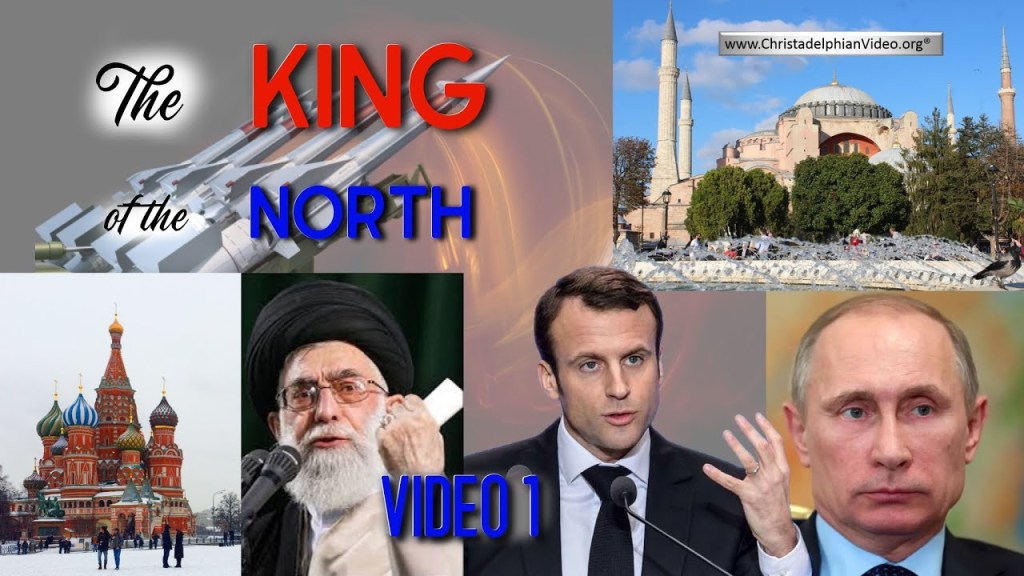


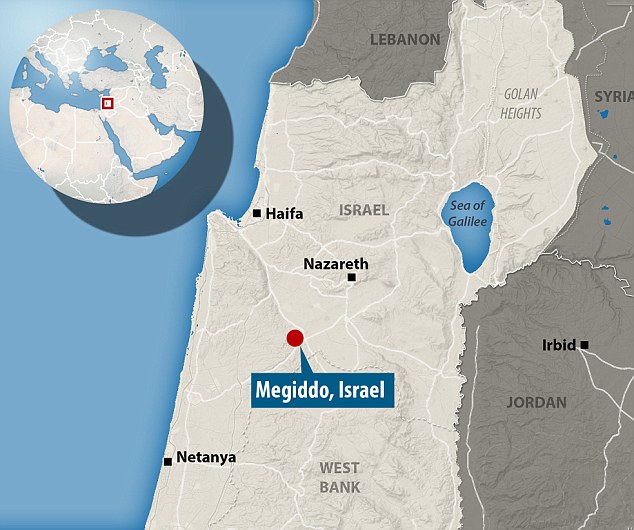


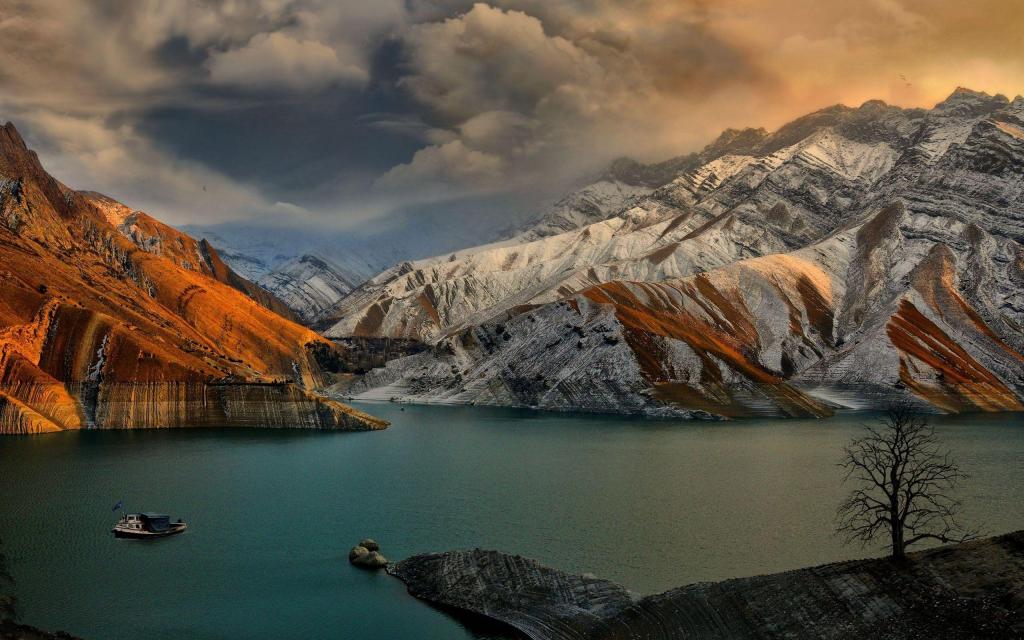
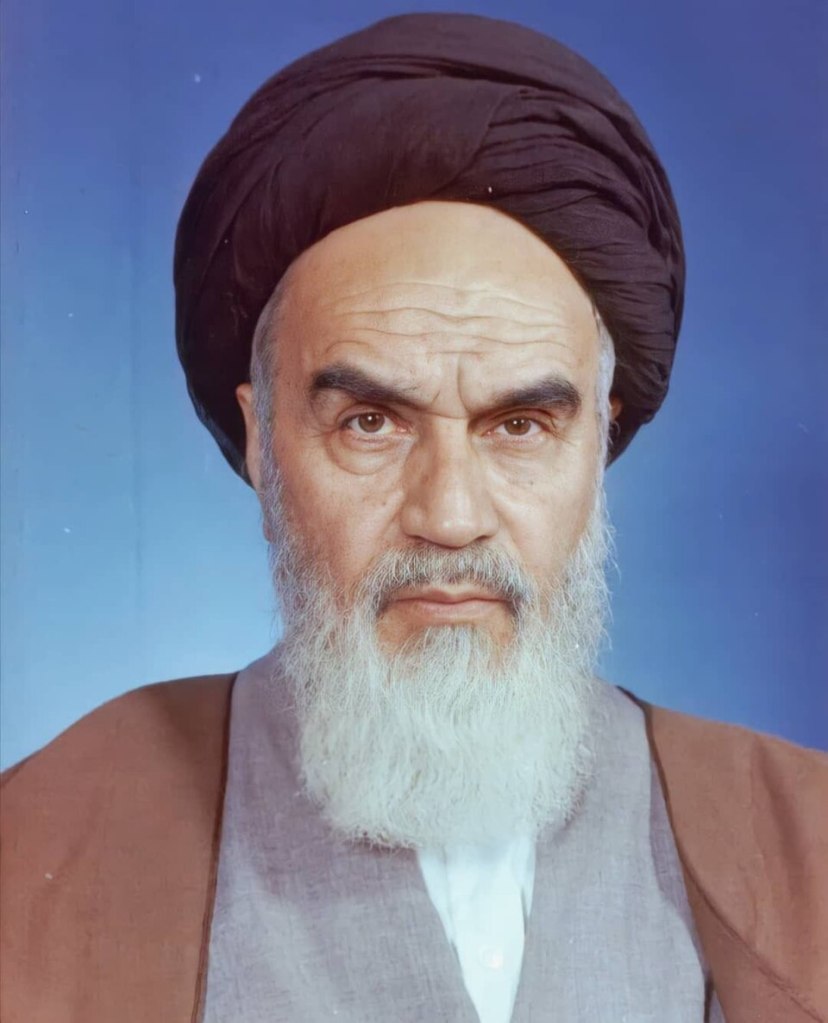
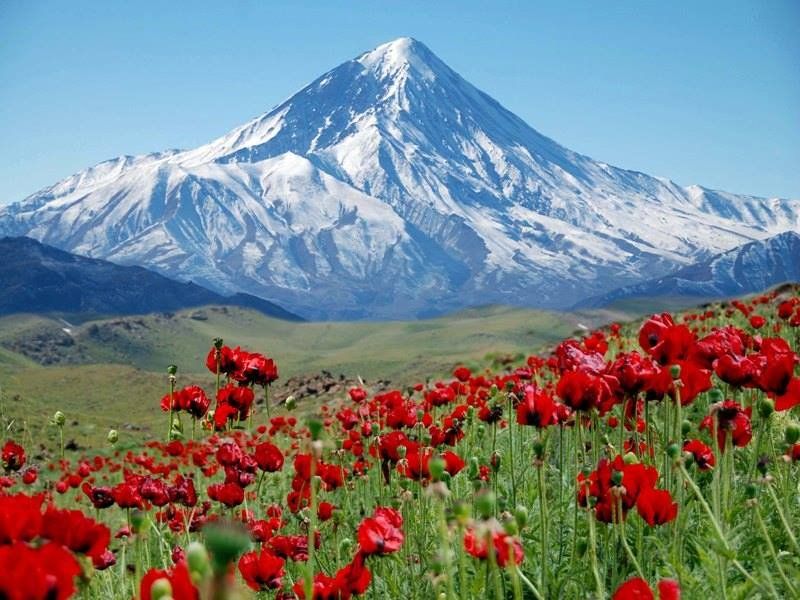

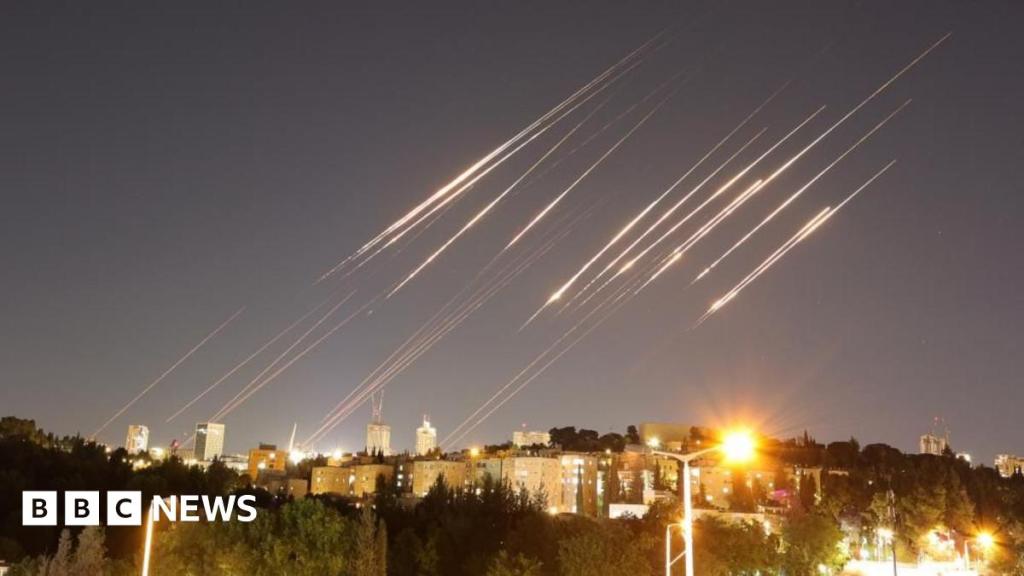
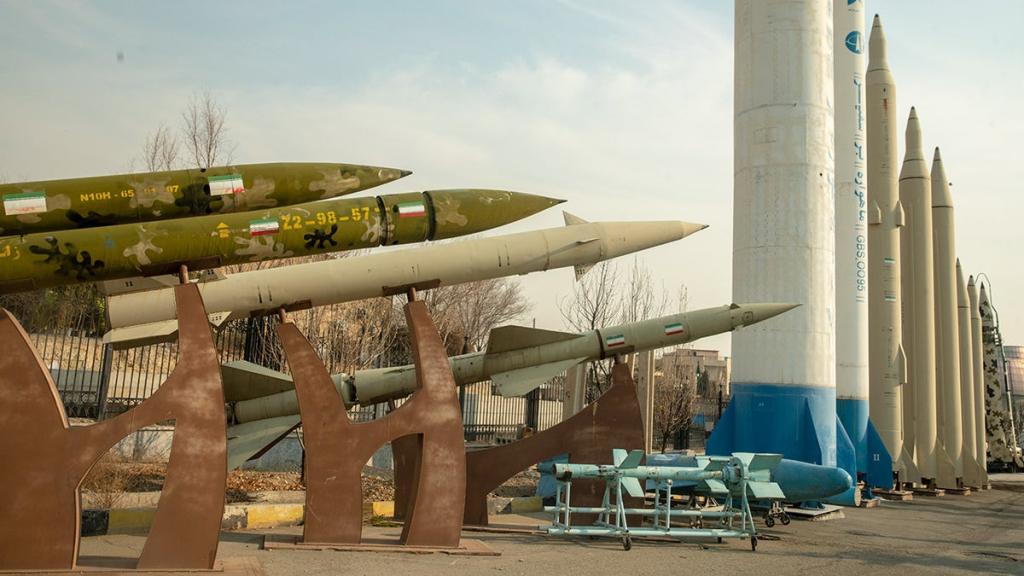
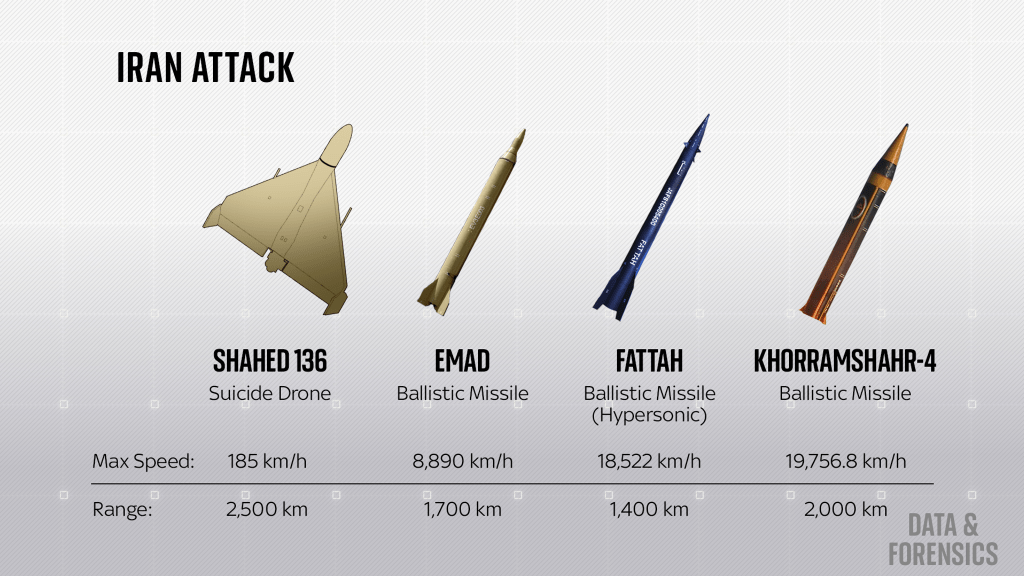

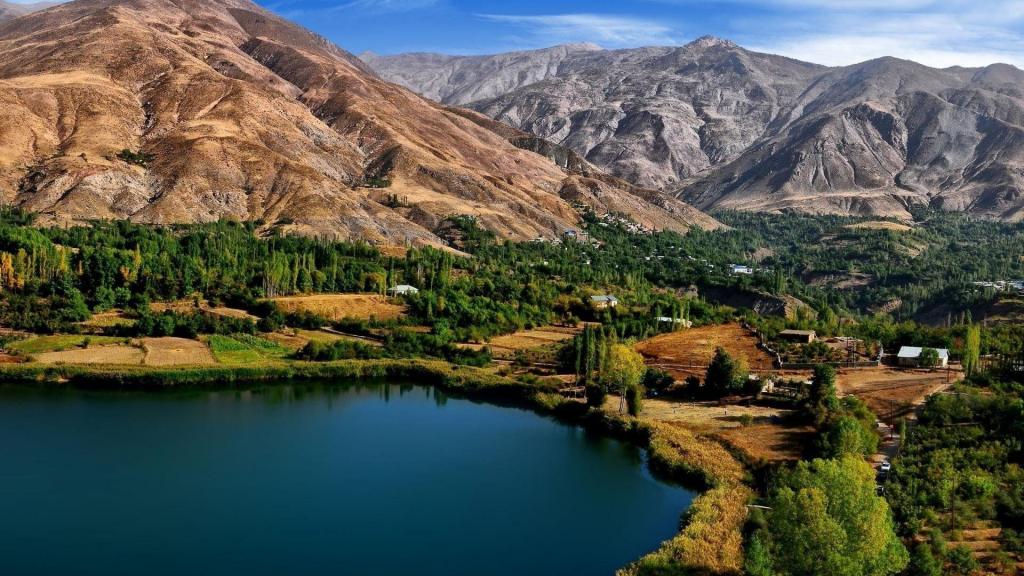
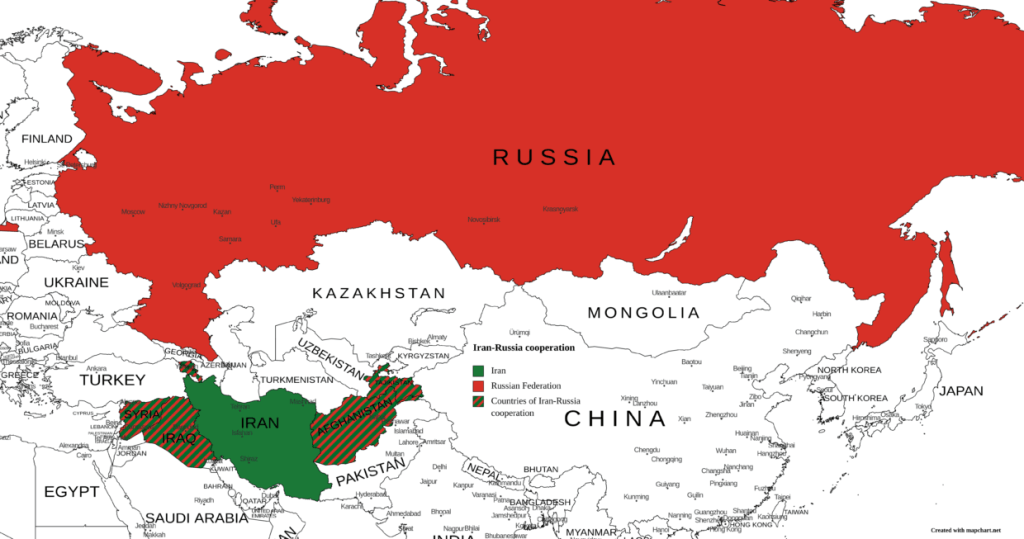
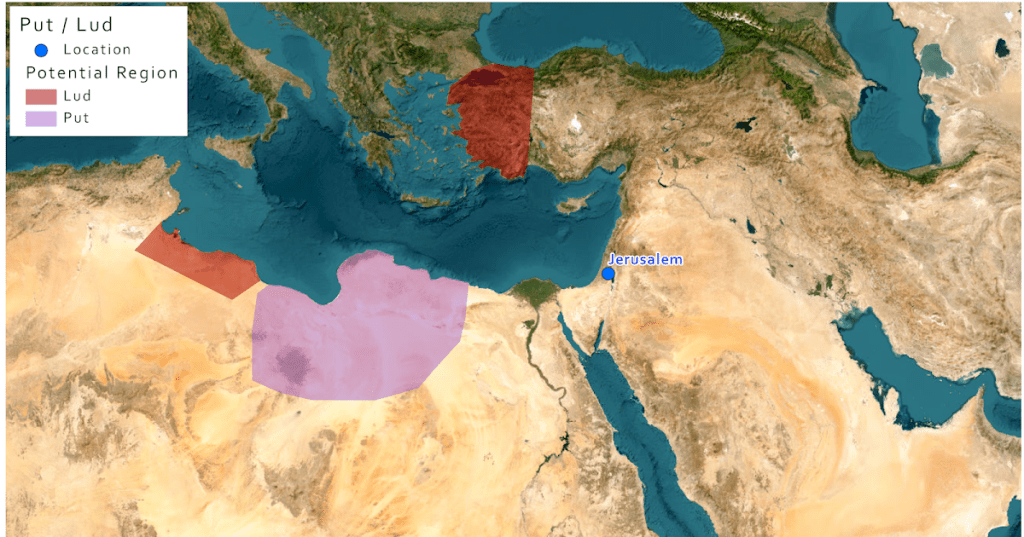
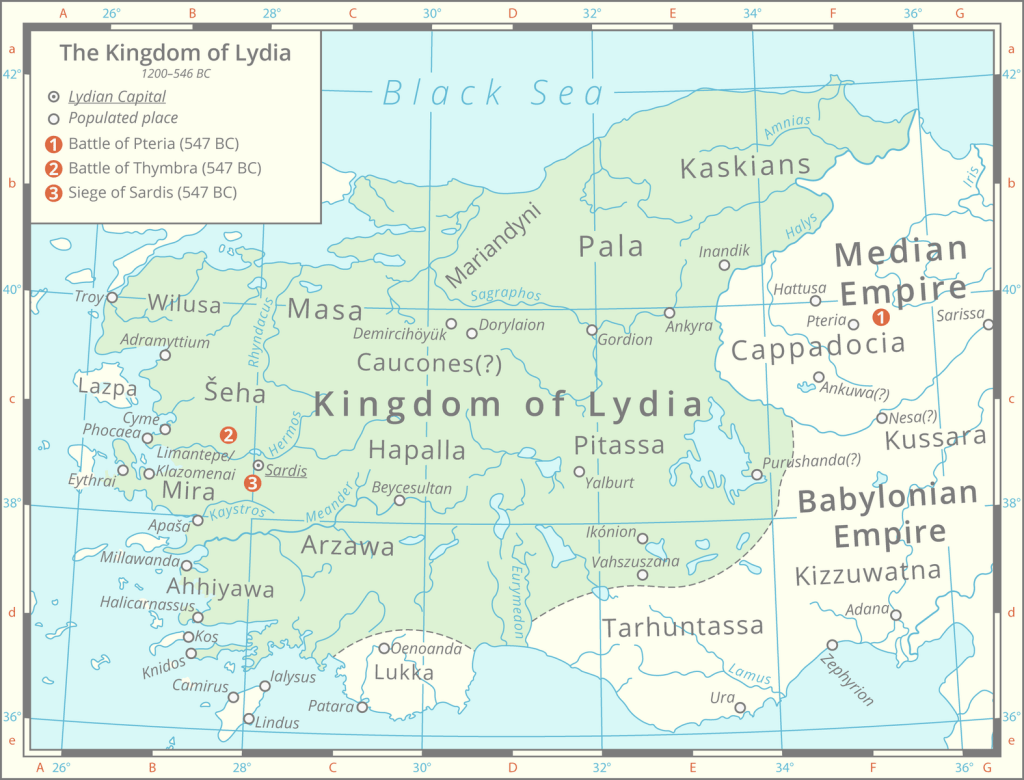
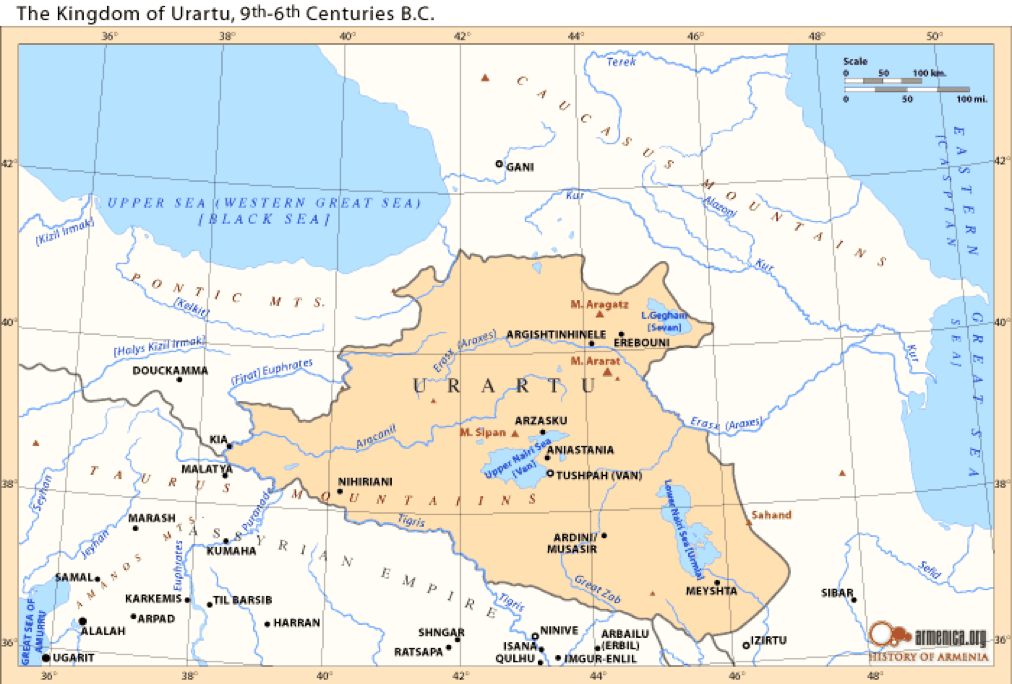
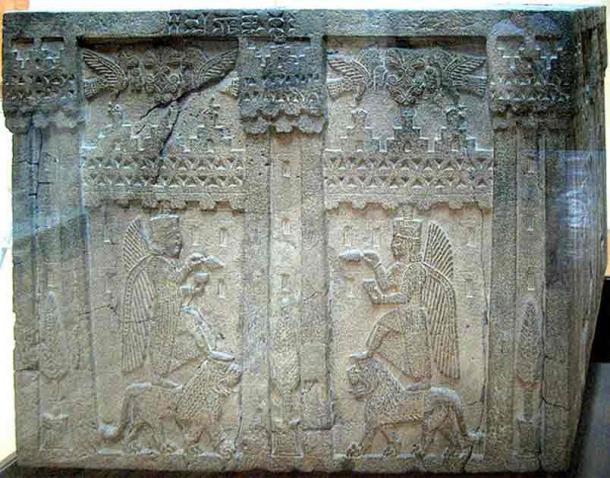


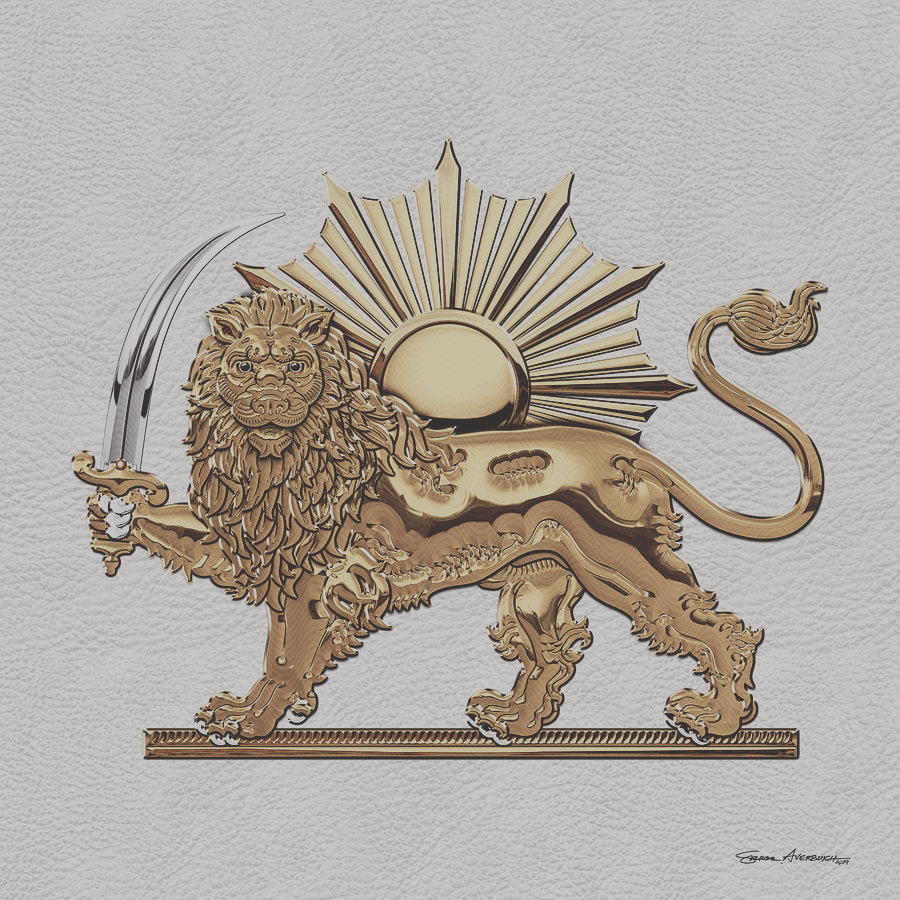
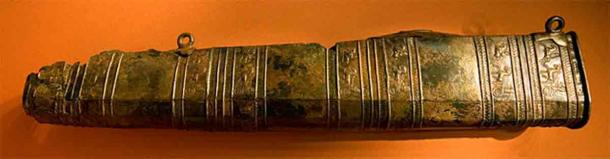
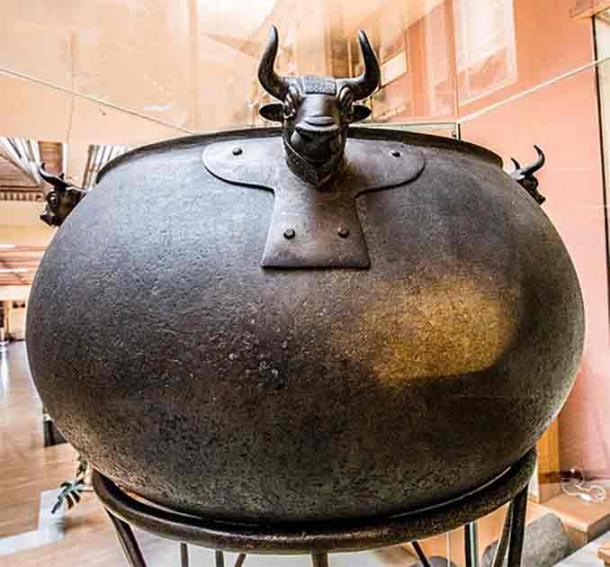
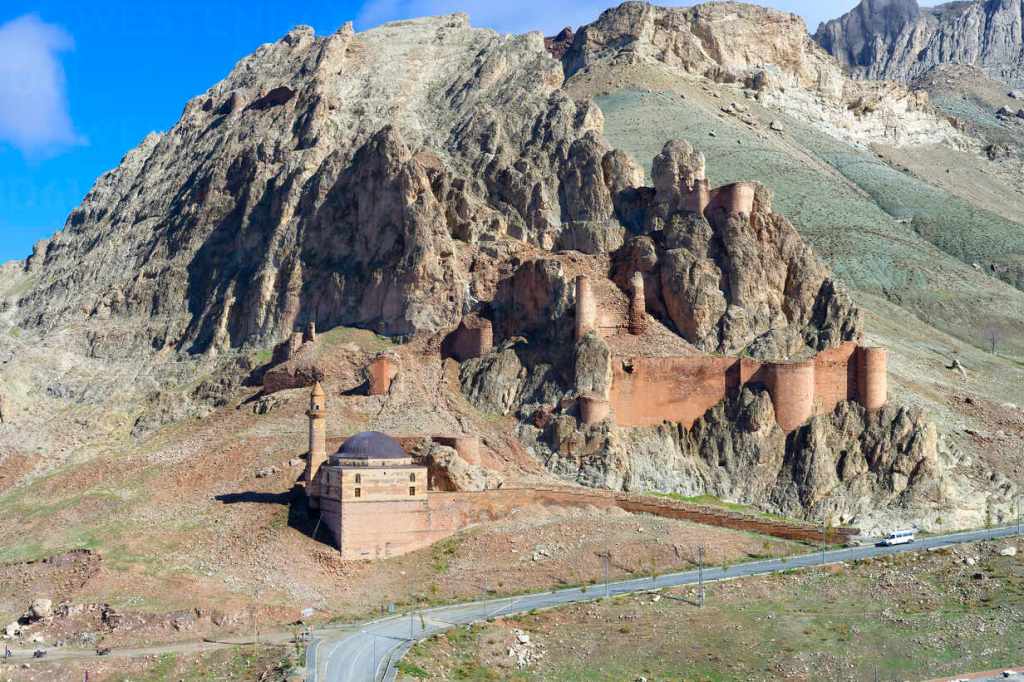
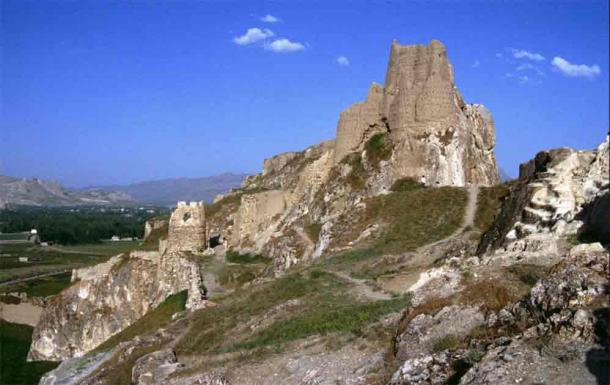
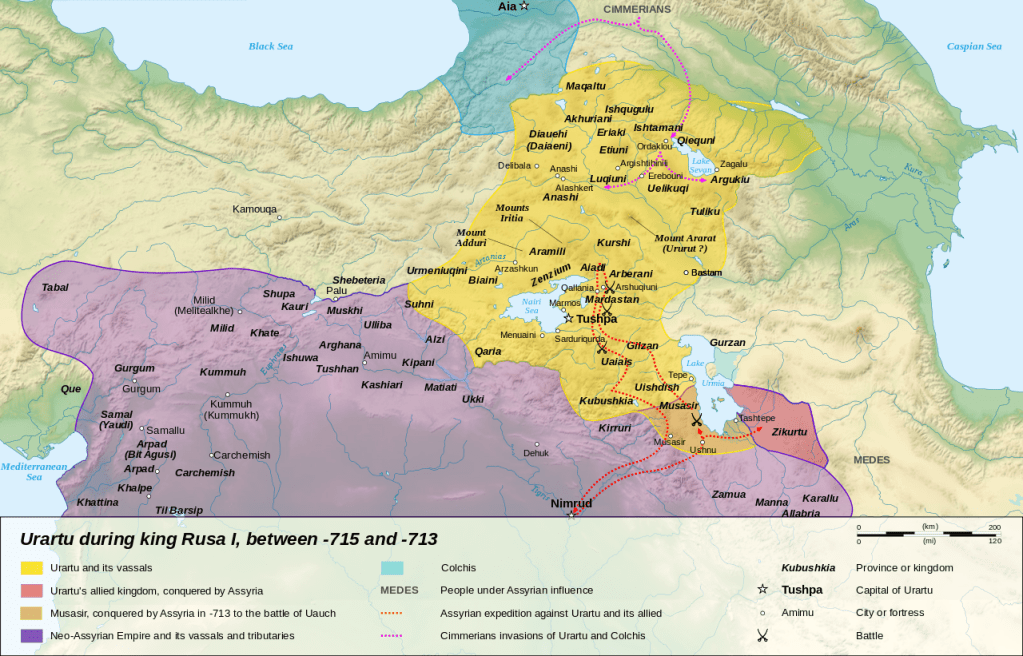
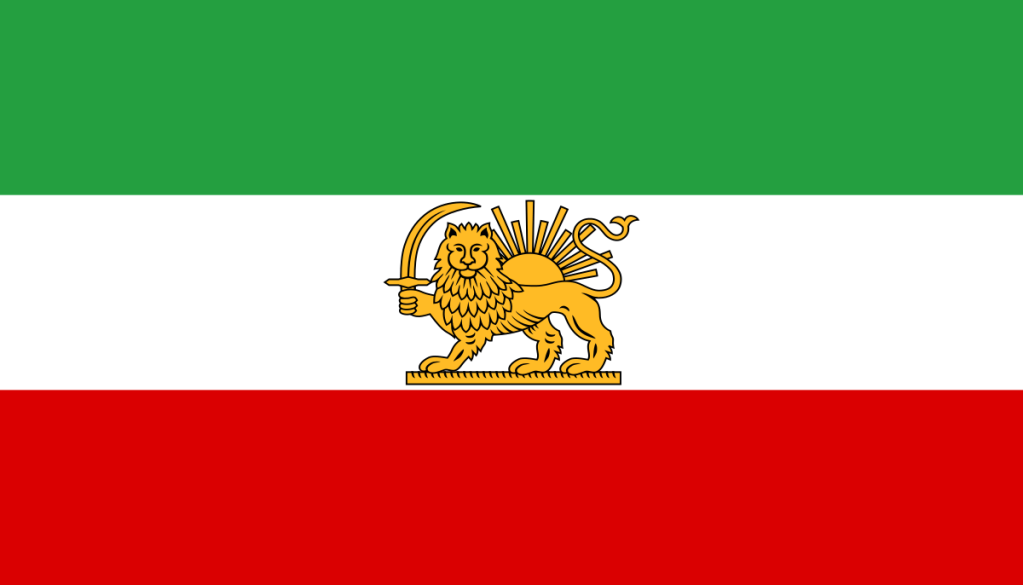
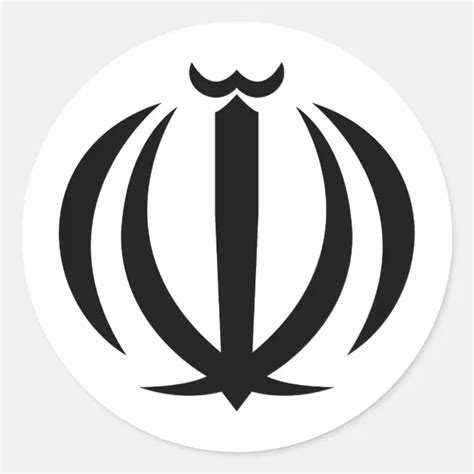


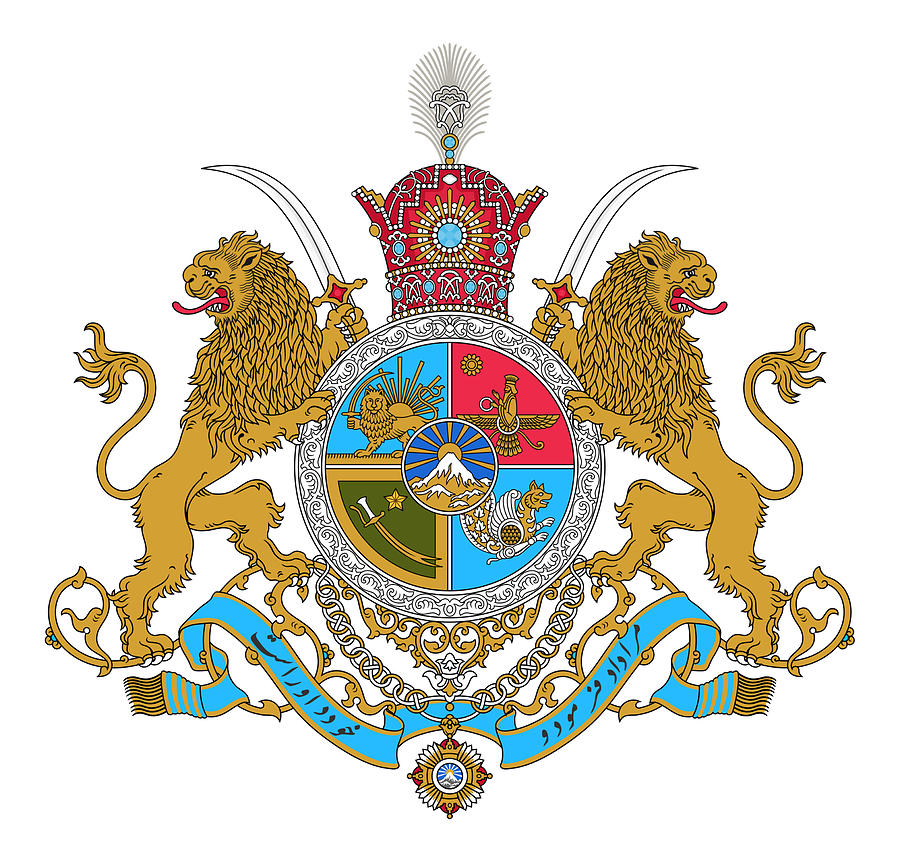
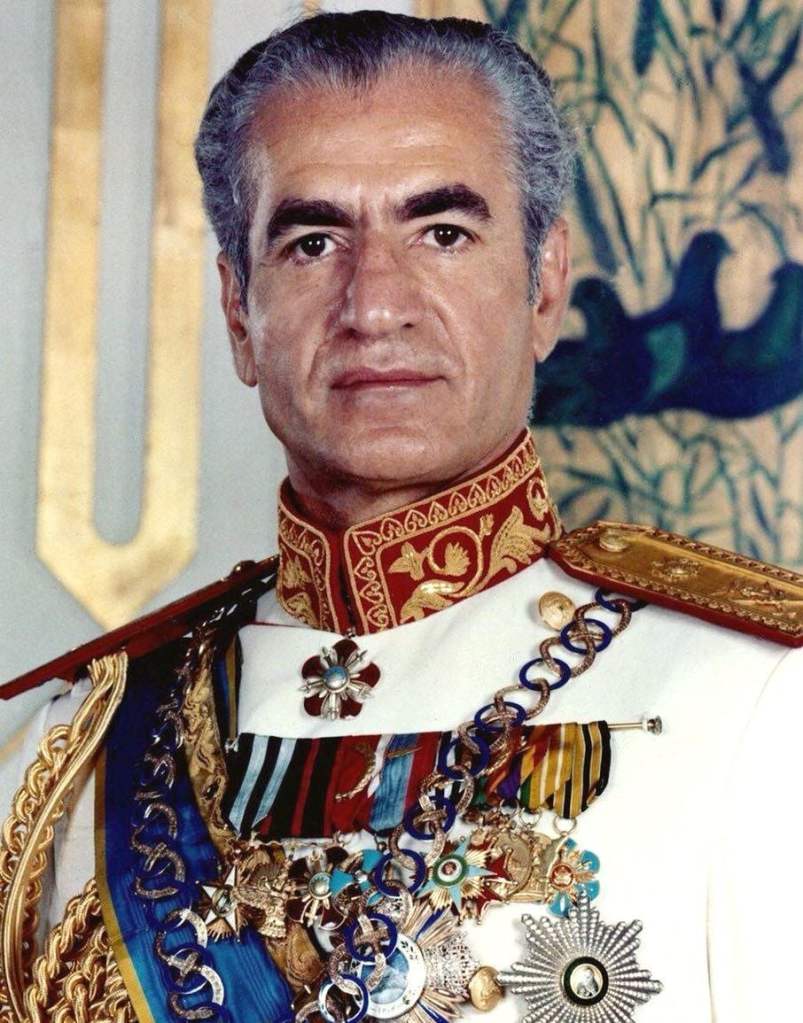
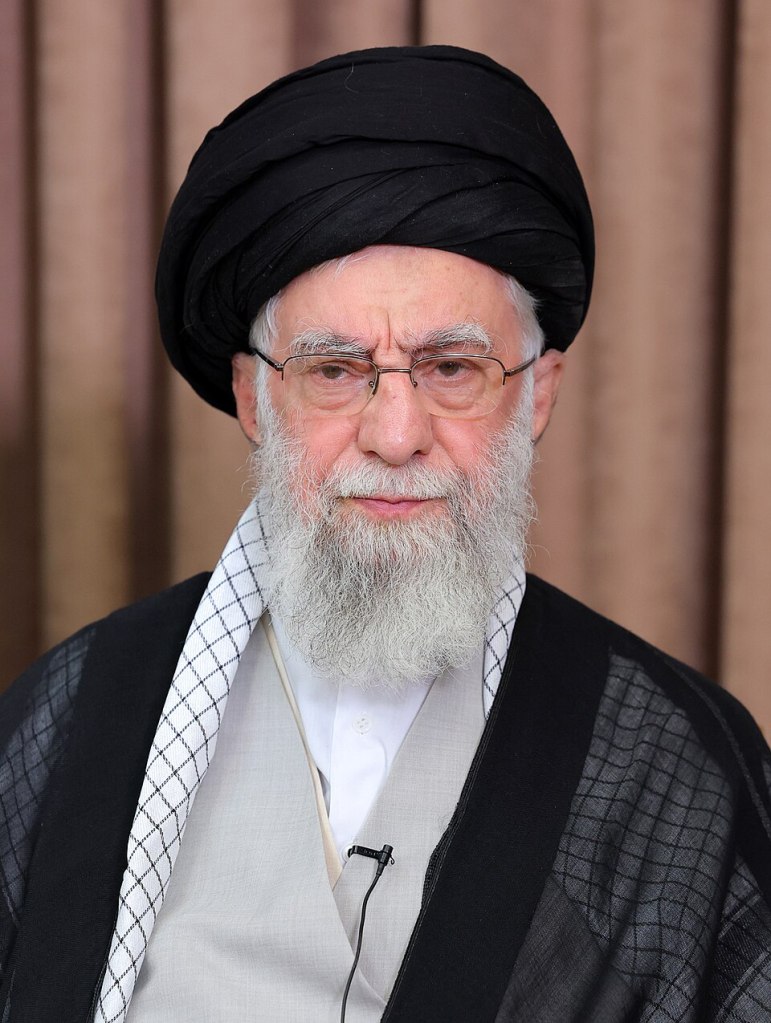
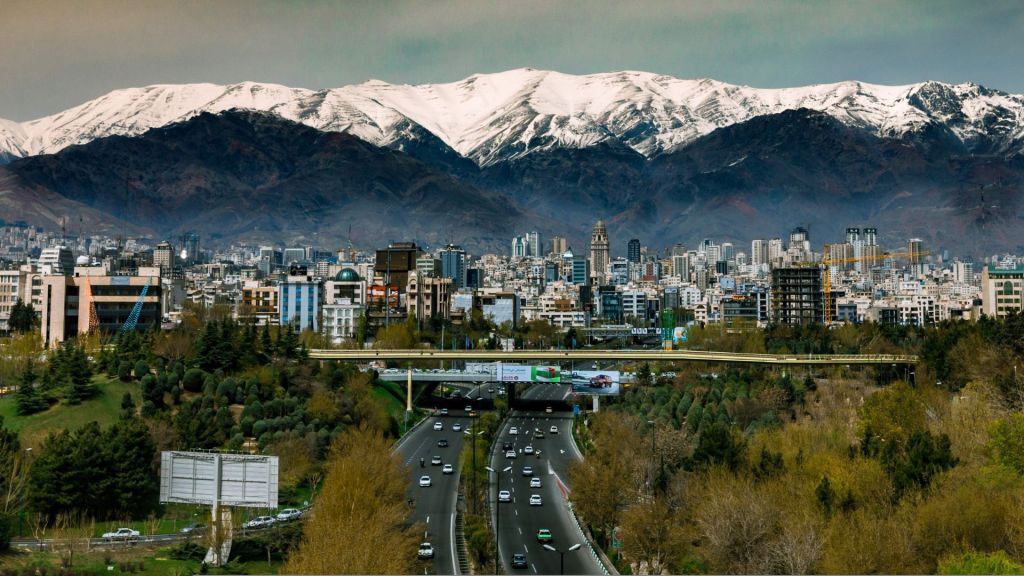
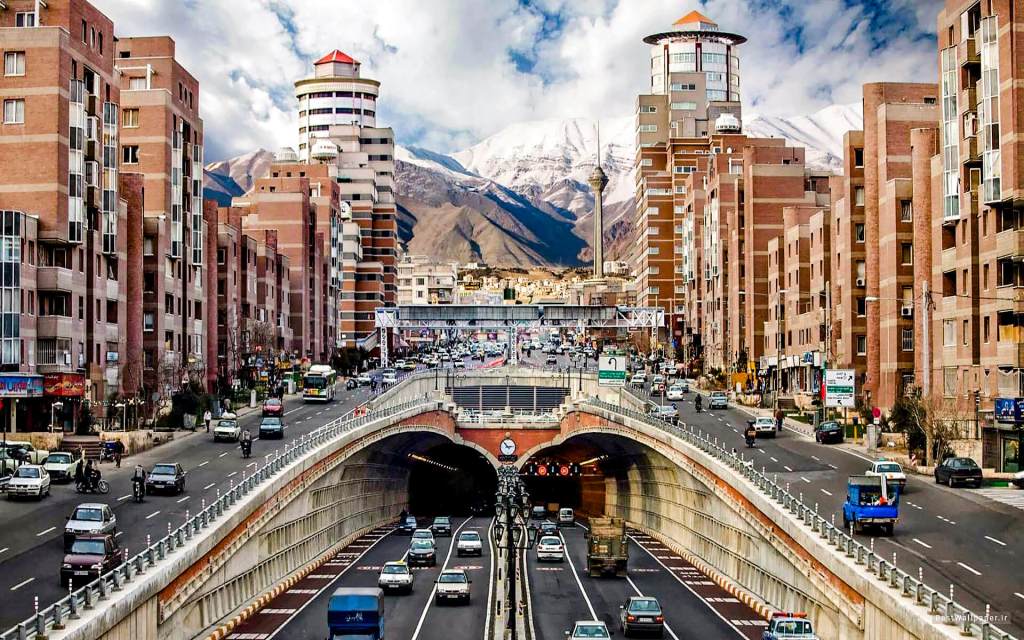
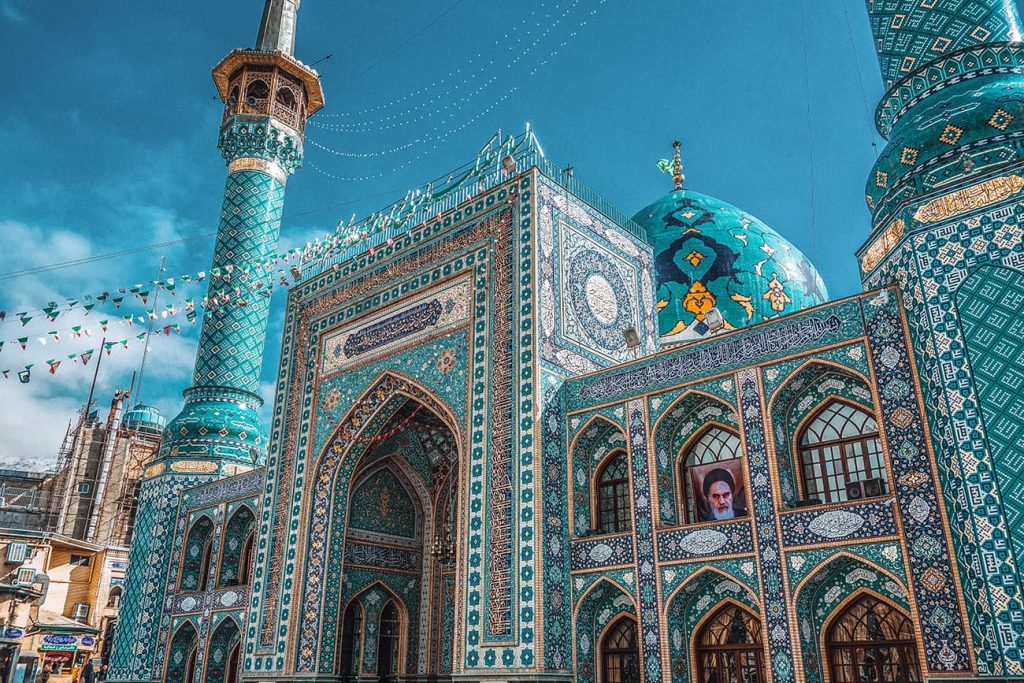
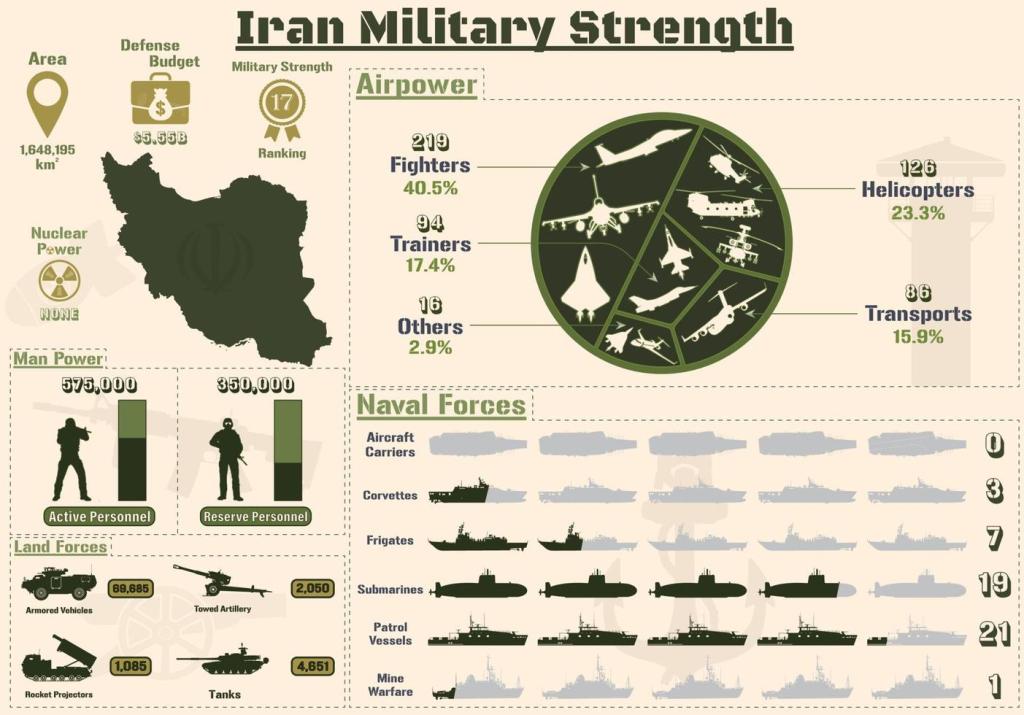


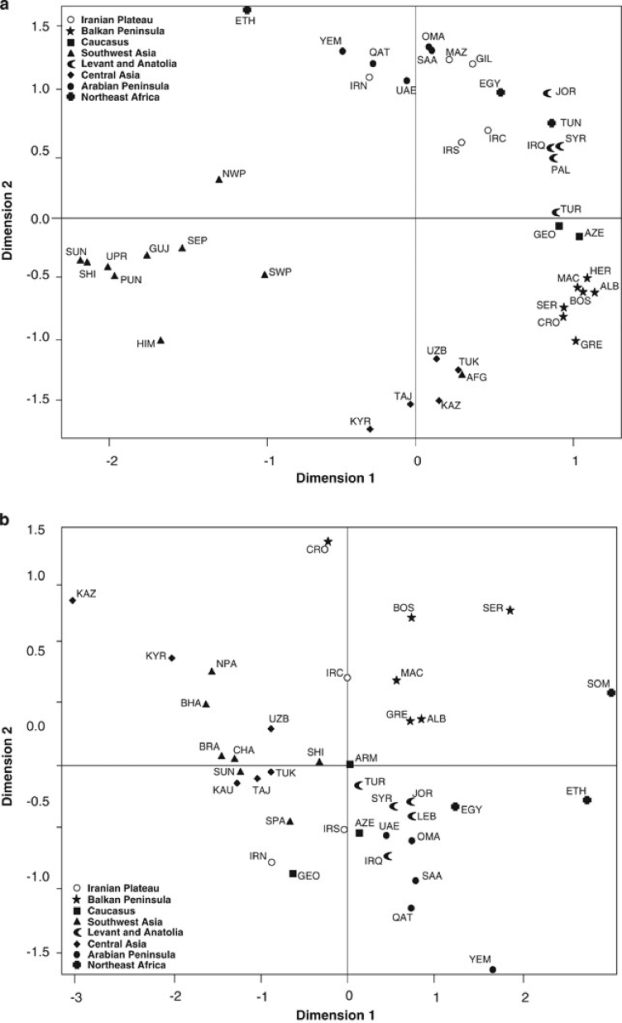



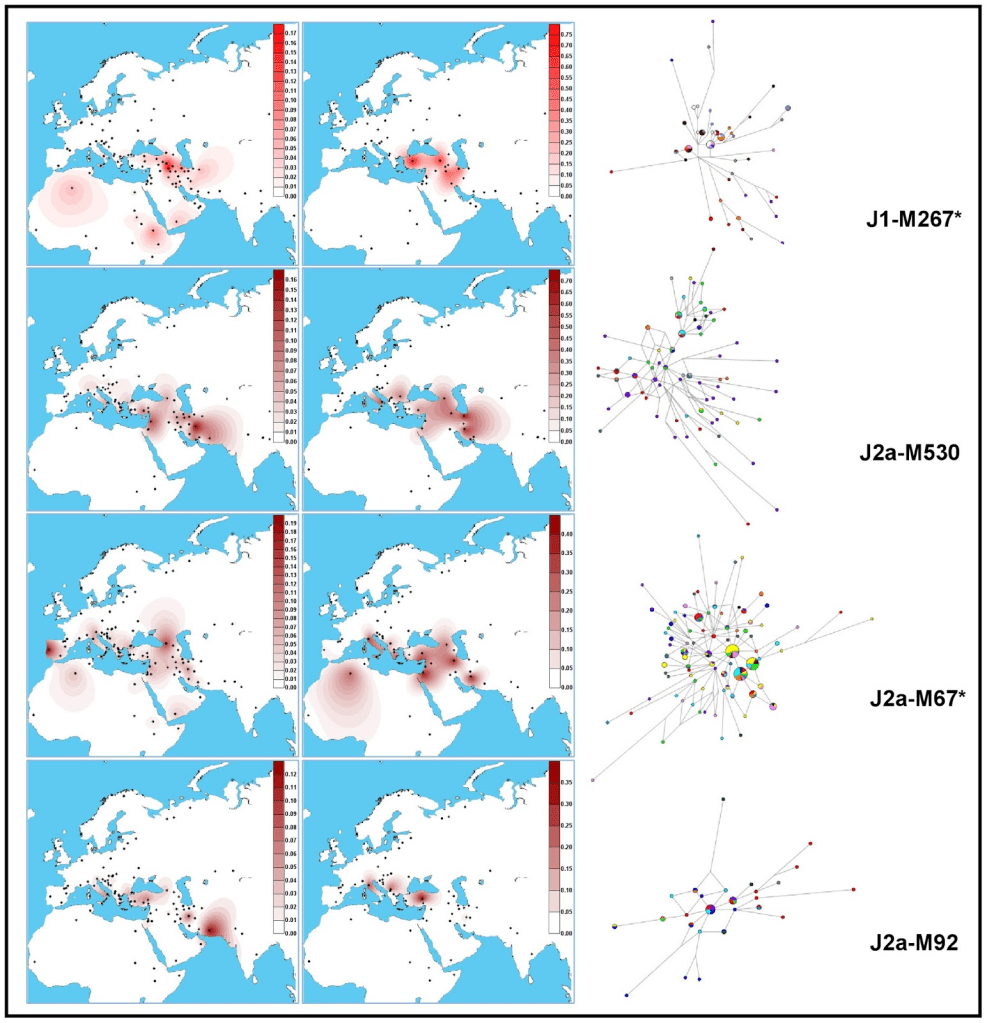
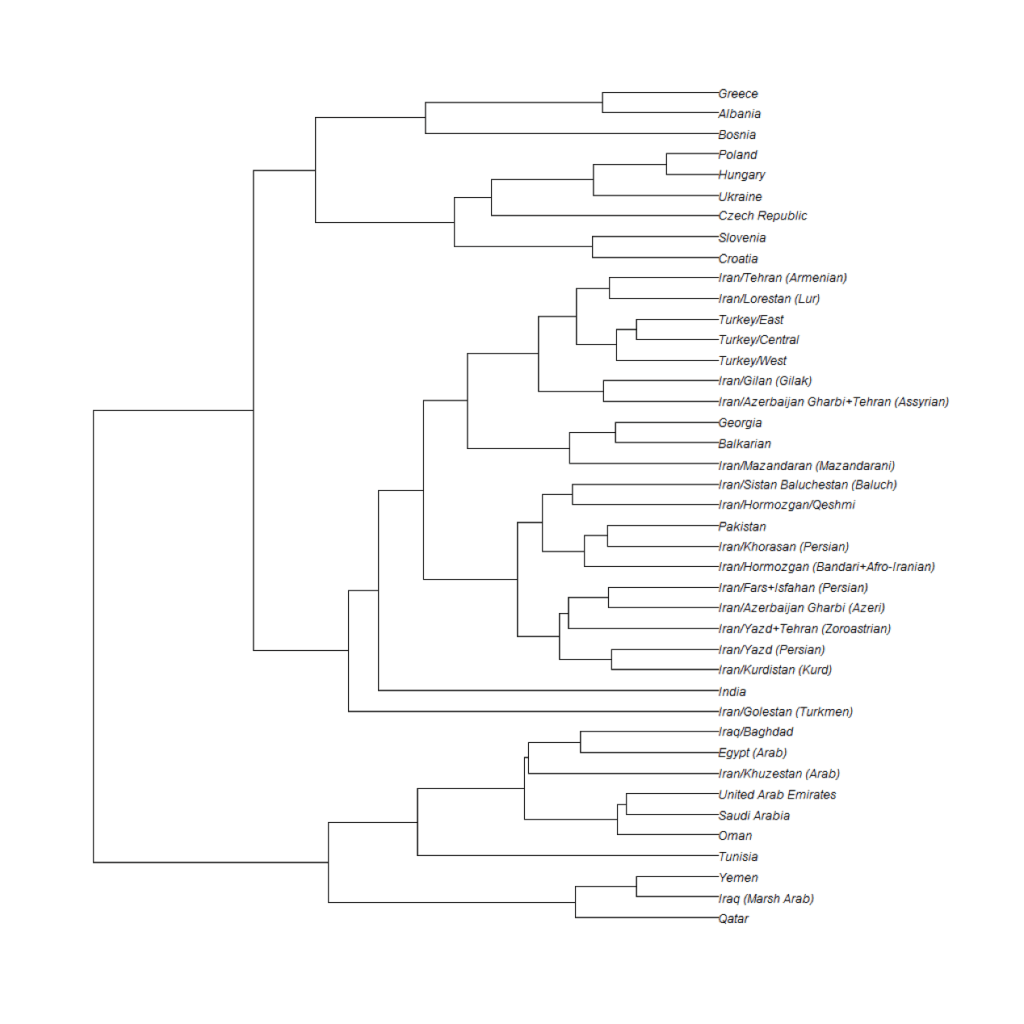






 The Lightkeeper