A proportion of researchers and commentators consider there is a link between the Edomite king Job-ab with the Patriarch Job in the Old Testament. If such is the case, then Job is the most famous Edomite in the Bible after Esau himself.
Job has forty-two chapters (Article: 42) dedicated to the story of his righteousness – one of the three most righteous men listed in the Bible (Ezekiel 14:14), with the antediluvian Patriarch Noah and the Prophet Daniel – and his subsequent testing by the Adversary, with the Eternal’s confident agreement. The written structure of the book of Job is unusual, in that it combines prose and poetry. No other book in the Bible uses this ‘prose-poetry-prose pattern.’ Which lends itself to having more than one author. Job is considered by some scholars the most ancient book in the Bible, predating Genesis – Job 19:23.
In addition to its profound biblical message it is regarded as a literary masterpiece. The book contains dialogue between Job and his four friends as well as Job’s conversations with the Creator. There is much wisdom to glean as well as valuable information regarding the pre-Adamic (or angelic) world, particularly with regard to impressive creatures such as Leviathan…
… and the Behemoth…
… ostensibly dinosaurs and allegorically, angelic beings – Chapter XXII Alpha & Omega; and article: Asherah.
Christopher Eames: ‘the book of Job is believed by many to be a translation into Hebrew from an original text of another language, based on certain peculiarities throughout. Davis, who explains them in his book, summarizes: “Job is distinctively non-Israelite in nature, saying nothing about the land of Israel, the people and history of Israel, or the religious practices in Israel. The names of Job and his friends are not Israelite names. This… hints at a non-Israelite origin for the book. If the book’s origin was not within Israel, the original language would likely not be Hebrew.”
Added to this is the fact that the Book of Job makes no references to Israelite law, the Old Covenant or the temple, suggesting a pre-Mosaic era. Job must have lived during an ancient epoch prefiguring – yet overlapping – Moses and the Israelites, as his wealth is measured in livestock, similar to the patriarchs Abraham, Isaac, and Jacob; as well as his age (210) being a length similar to Abraham (175) and Isaac (180).
Eames: ‘The book of Job is unique in that it contains the greatest percentage of hapax legomena of all the books in the Hebrew Bible. A hapax legomenon is a word that is only found once in a source – as such, these words can often be difficult to understand or translate, as over time their meaning is easily lost. The book of Job contains nearly 150 of them – and a full 60 are completely without derivation from any known biblical root words. (As a side note, the circa second-century b.c.e. Greek Septuagint translation of the book of Job is some 400 lines shorter than the Hebrew – one theory for this is that the translators became so frustrated with the book’s complex language that they simply gave up!).’
The Book of Job: Chronological, Historical and Archaeological Evidence, Gerard Gertoux, 2015:
‘Many people who think themselves wise assume that Job was a fictional character like the Good Samaritan, a parable to teach morals. This assumption is illogical and even absurd. Indeed, what is the importance of knowing many insignificant details… [about his life] (Job 42:9-14)… If the Book of Job was a parable Satan would have persecuted a fictional character. Those who suppose that Satan must be the principle of evil lead to an absurdity because in that case God [wouldn’t] have discussed with “it”… [the details regarding Job’s character] (Job 1:8-10).’
The name Jobab means ‘to call’ or ‘cry shrilly’ from the verb yabab, whereas Job is a different name meaning ‘returning enemy’ or ‘the persecuted.’ Job was blessed greatly after his trial, with much more than all he possessed before his series of vicissitudes.
Job 42:10-17
Common English Bible
‘Then the Lord changed Job’s fortune when he prayed for his friends, and the Lord doubled* all Job’s earlier possessions. All his brothers, sisters, and acquaintances came to him and ate food with him in his house. They comforted and consoled him concerning all the disaster the Lord had brought on him, and each one gave him a qesitah [an amount of money: value not known] and a gold ring. Then the Lord blessed Job’s latter days more than his former ones. He had fourteen thousand sheep, six thousand camels, one thousand yoke of oxen, and one thousand female donkeys… After this, Job lived 140 years* and saw four generations of his children [4 x 35 years]. Then Job died, old [210 years of age] and satisfied.’
In the Jewish Encyclopedia, “Jose B. Ḥalafta [states] that Job was born when Jacob and his children entered Egypt and that he died when the Israelites left that country.” This equals two hundred and forty-one years. It would place Job’s testing around 1587 BCE at the age of one hundred and his birth in 1687 BCE. This scenario fits, though a marriage to second wife Dinah does not work – to be discussed later – and how did Job live a staggering one hundred years longer than any one else of his generation?
The orthodox view maintains that the Book of Job belongs to the era before the Exodus and if Eliphaz is linked rather to Ishmael – as a Tema-nite – and not Esau’s son by the same name, then the patriarch Job lived sometime between the time of Ishmael, who died in 1754 BCE and the children of Israel’s Exodus from Egypt in 1446 BCE. Saying that, Esau’s grandson would have been born circa 1725 BCE and sits convincingly in the same time frame.
Chuck Swindoll proposes regarding Job: “Though we cannot be certain, Job may have lived during the time of Jacob or shortly thereafter.” A chronology based on Job living seventy years, then receiving an additional one hundred and forty, would mean that he lived after Jacob. Jacob died in 1670 BCE and Job would have been born fourteen years later in 1656 BCE – the beginning of Jobab’s reign as king of Edom for ten years – Genesis 36:33-34. This suggests that Jobab and Job were two different people.
If Job lived one hundred and forty years after his testing, being blessed doubly, then his age at his testing in 1586 BCE, would have been seventy. Job living to two hundred and ten* would have been a very special blessing and reward, as he was afforded an extra seventy years or so on top of what people were usually living at that time; yet in keeping with the patriarchs Abraham and Issac. Job’s death in 1446 BCE, would indicate he would have known the Israelites had been freed, for he ‘died satisfied.’ His birth would have been some forty years after Jacob’s family entered Egypt and when Joseph was seventy years old and had been Vizier for forty years – Appendix VI: Joseph & Imhotep – One man, differentname?
In the Alexandrian Septuagint (LXX), dated approximately three hundred years before Christ (280 BCE), there is a part of the Book of Job (Job 42:17) later translators left out of the Masoretic MSS (180 CE). Where it states Job lived a total of about 248 years.
Dan Fefferman: ‘In the Greek version of the Book of Job, at the end, there is the following addition:
“This man (Job) is described in the Syriac book as living in the land of Ausis, on the borders of Idumæa and Arabia; and his name before was Jobab; and he, having taken an Arabian wife, begot a son whose name was Ennon. And he himself was the son of Zare, who was one of the sons of Esau, and Bosorrha; so that he was the fifth in descent from Abraham. And these were the kings who reigned in Edom, which country he also ruled over: first Balak, the son of Beor, and the name of his city was Dennaba; and after Balak Jobab.”
Fefferman: ‘This is convincing evidence for those who accept the Septuagint as inspired scripture even when it departs from the Hebrew version in a major way. However, for those who see the above as a scribal insertion, the proof is not convincing.’
As the Septuagint has more than once shown itself on our journey – much like the historian Josephus – to be unreliable (regardless of which version), both these points regarding a conflict with age and supporting Job’s Edomite origin are dubious in this writer’s view.
Moslem tradition posits that after his father died, Job journeyed to Egypt to marry Rahme (or Rahma), the daughter of Ephraim – or possibly Manasseh according to some sources – ‘who had inherited from her grandfather Joseph his beautiful robe [of many colours].’ The chronology supports this scenario, as a daughter born circa 1660 BCE is likely and would mean she was the same age as Job when they married – circa 1615 BCE, a year after Joseph’s death – and would have time to have ten children by 1586 BCE.
Job 1:1-22
Amplified Bible
1 ‘There was a man in the land of Uz whose name was Job; and that man wasblameless [H8535 – tam: complete, undefiled, perfect, pious] and upright [H3477 – yashar; pleasing, straight, righteous], and one who feared God (with reverence) and abstained from and turned away from evil (because he honored God).
2 Seven sons and three daughters were born to him. 3He also possessed 7,000 sheep, 3,000 camels, 500 yoke (pairs) of oxen, 500 female donkeys*, and avery great number of servants, so that this man was the greatest [and wealthiest and most respected] of all the men of the east.’
To be located in the east, means Job may not have been an Edomite or living in the land of Uz associated with Seir – Genesis 36:28. The alternatives for the location of Uz include a son of Aram called Uz and a son of Nahor, Abraham’s brother – Genesis 10:23; 22:21. Both equate to some admixture and as the peoples of northern and central Italy today – refer Chapter XXV Italy: Nahor & the Chaldeans; and Chapter XXIII Aram & Tyre: Spain, Portugal & Brazil. This writer considers it a distinct possibility that Job is from – or could be an ancestor of – an Italian lineage as opposed to a Jewish one. We will compare the evidence as we progress.
Eames: ‘The book of Job introduces the protagonist in no uncertain terms: “[This] man was the greatest of all the men of the east” (Job 1:3). The word “east” here can mean exactly that – but it is also the same word for “ancient times” or “antiquity.” Thus, it can be just as accurately translated “this man was the greatest of all the men of antiquity.” (And this may well be the better translation, as other words are used in Job to describe “east” directionally.)’
Job: 4 ‘His [seven] sons used to go (in turn) and feast in the house of each one on his day, and they would send word and invite their three sisters to eat and drink with them. 5 When the days of their feasting were over, Job would send (for them) and consecrate [H6942 – to set apart, to be holy] them, rising early in the morning and offering burnt [sin] offerings according to the number of them all; for Job said, “It may be that my sons have sinned and cursed God in their hearts.” Job did this at all (such) times.’
It has been inferred by some that ‘on his day’ refers to Job’s birthday or the son’s birthdays and that his day was a special occasion; but the Hebrew wording indicates, that his refers to each of the brothers in turn. As there were seven of them, it follows that they likely held a banquet every day of the week, rotating from house to house, as indicated in verse five. This is evidence of the brothers’ prosperity, as well as the close relationship they maintained with one another. Job’s concern for them and offering sacrifices on their behalf could mean the brothers were debauched in their carousing and leading their sisters astray. Or more likely from the context, that the sons were righteous, as Job could only consecrate or sanctify someone holy. The fact that Job is offering sacrifices on their behalf and not his own, would indicate that he was a priest. If so, Job would have been a priest of the Most High, of the Order of Melchizedek – refer article: The Ark of God.
Perhaps ‘a man in the land of Uz’ is an inspiration for the motion picture The Wizard of Oz and particularly the poem Ozymandias by Percy Bysshe Shelley.
The support for Job being a priest of note is found in the Book of Jasher, where the Pharaoh of Egypt summoned his two counsellors, Reuel the Midianite and Job the Uzite – ‘from Mespotamia, in the land of Uz.’ When studying Abraham’s son Midian we looked at Moses’ father-in-law Jethro and his status as a High Priest and possibly one of three priests acquainted with the Pharaoh, including Job and the false prophet Balaam. Recall that Reuel is Jethro’s last or family name inherited from his father and Jethro his priestly name – refer Chapter XXVII Abraham & Keturah – Benelux & Scandinavia. Notice that the reference to Uz is in Mesopotamia and not Edom, Canaan or Arabia. This lends support towards the Uz being a reference to either territory in Aram or Nahor.
It is worth noting, that support for Job living east of Edom, is the fact that the prophet Balaam was from a city called Pethor – Numbers 22:5; Deuteronomy 23:4.
Numbers 23:7
Amplified Bible
‘Balaam took up his (first) discourse (oracle) and said: “Balak, the king of Moab, has brought mefrom Aram (Syria), from the mountains of the east…‘
Balaam lived in the east and he was from Aram. Now the city of Pethor was situated in northern Mesopotamia, on the banks of the Euphrates River. In the region we have discussed when studying Nahor, the very area known as Aram-Naharaim discussed in Chapter XXV Italy: Nahor & the Chaldeans. Jethro from Midian, lived in the east, in the north of the Arabian Peninsula, east of Egypt and south of Canaan. Balaam from Aram-Nahar(aim) lived in the East, in western Mesopotamia, north of Canaan.
The time frame means that Jethro, Job and Moses were contemporaries towards the end of Job’s life, just as Job was with Joseph when he was younger. The fact Job visited Egypt and may have married Joseph’s grand daughter, means he must have surely met Imhotep the Vizier of Egypt – refer Appendix VI: Joseph & Imhotep – One man, different name? The later Pharaoh prior to the Exodus, apparently was not enamoured with Job’s counsel regarding the Israelite slaves and who could well have been Moses’ adopted father, Amenemhet III – who reigned from 1529 to 1484 BCE – the sixth king of the 12th Dynasty (refer Appendix VII: Moses, the Exodus & the Red Sea Crossing – Fabrication or Fact?)
Even so, the land of Uz may well have been a separate land unique in its connection with Edom – indications are that it could have been northerly in the Hauron Valley of Bashan in the Transjordan, or southerly on the Kings’s Road between Bozrah and Elath adjoining the Red Sea – and named after Seir’s great grandson Uz, the brother of Aran, similar to the name Aram and the son of Dishan, who was in turn the son of Lotan.
As Job is not Jobab, then his descent from Edom is questionable. It hinges in part, on his four friends and their origins. The constant reader will be aware we have established the link between the Uz of Aram and Uz of Nahor as the modern Italians. Gether, another son of Aram is the ancestor of the Spanish – Chapter XXIII Aram & Tyre: Spain, Portugal & Brazil. The link with Spain is through the Sephardic Jew, who were located in the Iberian Peninsula. Jews had a strong presence in Italy, as highlighted by William Shakespeare in The Merchant of Venice. Lotan of Seir may have a connection with Lot’s sons Moab and Ammon, the modern day French. Could these links with Spain and France find an answer within the peoples nestled there, known as the Basque and perhaps the Catalonians? – Chapter XXVI The French & Swiss: Moab, Ammon & Haran.
Job: 6 ‘Now there was a day when the sons of God (angels) came to present themselves before the Lord, and Satan (adversary, accuser) also came among them.
7 The Lord said to Satan, “From where have you come?” Then Satan answered the Lord, “From roaming around on the earth and from walking around on it.”
8 The Lord said to Satan, “Have you considered and reflected on My servant Job? For there is none like him on the earth, a blameless and upright man, one who fears God [with reverence] and abstains from and turns away from evil [because he honors God].”
9 Then Satan answered the Lord, “Does Job fear God for nothing? 10 Have You not put a hedge [of protection] around him and his house and all that he has, on every side? You have blessed the work of his hands [and conferred prosperity and happiness upon him], and his possessions have increased in the land.
11But put forth Your hand now and touch (destroy) all that he has, and he will surely curse You to Your face.” 12 Then the Lord said to Satan, “Behold, all that Job has is in your power, only do not put your hand on the man himself.” So Satan departed from the presence of the Lord.’
The Creator barred the Adversary from actually killing Job, though all else was available to Satan in seeking to turn Job from his devotion to the Eternal. Satan did not understand Job’s heart; in thinking Job’s faithfulness was based on what the Creator had given (or done) for him. The Almighty though, seeks those who love and trust Him, regardless of what He does for them. Those individuals with that mindset will later be given all things, even though it is not that reward which fires their passion for loyalty.
One wonders, if Satan only ever loved the Almighty because of what they had been given – refer article: Asherah. Thus their loyalty could be broken. Whereas Job’s faith, could be tested indefinitely and he would still remain steadfast. When the Creator says there is none like Job, this would have been in approximately 1586* BCE. Now Jacob died in 1670 BCE and all his sons with Levi being the last – died by 1611 BCE. Joseph had lived for the first forty years of Job’s life from 1656 to 1616 BCE and so the statement is immense; though stated thirty years after Joseph’s death and sixty years before the birth of Moses. We know that Joseph pleased the Eternal and was richly blessed.
Genesis 41:38
English Standard Version
And Pharaoh said to his servants, “Can we find a man [Joseph] like this, in whom is the Spirit of God?”
Hebrews 11:22
English Standard Version
‘By faith Joseph, at the end of his life, made mention of the exodus of the Israelites and gave directions concerning his bones.’
Job: 13 ‘Now there was a day when Job’s sons and daughters were eating and drinking wine in their oldest brother’s house, 14 and [1] a messenger came to Job and said, “The oxen were plowing and the donkeys were feeding beside them, 15 and the Sabeans[terrorising robbers from SW Arabia] attacked and swooped down on them and took away the animals. They also killed the servants with the edge of the sword, and I alone have escaped to tell you.”
16 While he was still speaking, [2] another [messenger] also came and said, “The fire of God (lightning) has fallen from the heavens and has burned up the sheep and the servants and consumed them, and I alone have escaped to tell you.”
17 While he was still speaking, [3] another (messenger) also came and said, “The Chaldeans formed three bands and made a raid on the camels and have taken them away and have killed the servants with the edge of the sword, and I alone have escaped to tell you.”
18 While he was still speaking, [4] another [messenger] also came and said, “Your sons and your daughters were eating and drinking wine in their oldest brother’s house, 19 and suddenly, a great wind came from across the desert, and struck the four corners of the house, and it fell on the young people and they [all ten] died, and I alone have escaped to tell you.’
The dramatic succession of the loss of Job’s possessions – livestock – and family, quickly turned from the sublime to the ridiculous… with the such seemingly coincidental catalogue of strange disasters to descend on Job. It is not clear who the Sabeans are, expert perhaps by context. They could at a stretch be the Seba and Sheba (Genesis 10:7) descended from Cush – Chapter XIII India & Pakistan: Cush & Phut. Geographically closer and far more likely – due to the reference to the Chaldeans – they are either Sheba from Joktan (Genesis 10:28) or Sheba of Jokshan (Genesis 25:3), the son of Abraham (refer Chapter XXIV Arphaxad & Joktan: Balts, Slavs & the Balkans; and Chapter XXVII Abraham & Keturah – Benelux & Scandinavia).
Sheba, son of Joktan would be the preferred guess and who would equate to their descendants today: the Romanians. Coincidently, Ophir another son of Joktan and brother of Sheba, is mentioned in Job 22:24 – Article: Orphir & Ukraine.
It is worth noting that Jobab is a family name amongst Arphaxad’s descendants, for it is not only recorded in Esau’s sons – descended from Peleg – but also as a son of Peleg’s brother, Joktan. Jobab the brother of Sheba, was the thirteenth and youngest son of Joktan – Genesis 10:29. As this Jobab lived circa 7000 BCE, it effectively rules him out as being the Patriarch Job.
The reference to the Chaldeans is important, for if Job was descended from Uz of Nahor, then Job would be a Chaldean himself. Why would his own people be attacking him? Yet, this is not an entirely valid reason as some of the worst atrocities are committed by family members against each other.
The fact Job’s sons and daughters are described as young, fits with what we know already about Job and his Ephraimite wife, Uzit. Recall, Isaac was described as young when he was thirty years old. Job and his wife would have married circa 1615 BCE and their ten children would have been born somewhere between 1615 to 1595 BCE. Thus, the eldest at the time of their deaths would have been about twenty-nine and the youngest between nineteen and perhaps twelve*. It would explain how all the children had inheritances and the sons, their own dwellings; particularly as Job was a wealthy ruler, the equivalent of a king.
Job 29:1-25
English Standard Version
2 “Oh, that I were as in the months of old… 7 When I went out to the gate of the city, when I prepared my seat in the square [similar with Lot – Genesis 19:1 – Job held a position of rulership], 8 the young men saw me and withdrew, and the aged rose and stood; 9 the princes refrained from talking and laid their hand on their mouth; 10 the voice of the nobles was hushed, and their tongue stuck to the roof of their mouth…
12 because I delivered the poor who cried for help, and the fatherless who had none to help him. 14 I put on righteousness, and it clothed me; my justice was like a robe and a turban. 16 I was a father to the needy, and I searched out the cause of him whom I did not know. 21 Men listened to me and waited and kept silence for my counsel.
22 After I spoke they did not speak again, and my word dropped upon them.
23 They waited for me as for the rain… 25 I chose their way and sat as chief, and I lived like a king among his troops, like one who comforts mourners.”
20 Then Job got up and tore his robe and shaved his head (in mourning for the children), and he fell to the ground and worshiped (God).
21 He said “Naked (without possessions) I came (into this world) from my mother’s womb, And naked I will return there. The Lord gave and the Lord has taken away; Blessed be the name of the Lord.”
22 Through all this Job did not sin nor did he blame God.’
Job 2:1-13
Amplified Bible
1 ‘Again there was a day when the sons of God (angels) came to present themselves before the Lord, and Satan (adversary, accuser) also came among them to present himself [H3320 – yatsab: set, stand or station oneself, present oneself] before the Lord. 2 The Lord said to Satan, “From where have you come?” Then Satan answered the Lord, “From roaming around on the earth and from walking around on it.”
3 The Lord said to Satan, “Have you considered and reflected on My servant Job? For there is none like him on the earth, a blameless and upright man, one who fears God [with reverence] and abstains from and turns away from evil [because he honors God]. And still he maintains and holds tightly to his integrity, although you incited Me against him to destroy him without cause.”
4 Satan answered the Lord, “Skin for skin! Yes, a man will give all he has for his life. 5 But put forth Your hand now, and touch his bone and his flesh [and severely afflict him]; and he will curse You to Your face.” 6 So the Lord said to Satan, “Behold, he is in your hand, only spare his life.”’
The Amplified Bible says regarding verse four, one possible meaning is that ‘according to Satan, Job would be willing to give up his wife (his remaining loved one) to save his own life, thus surrendering his integrity (verse 3). Another is that Satan is hypothetically offering to give up his own life if Job is actually willing to die for his integrity. In any case, this is a bluff on the Adversary’s part, probably to make what they really desire (verse 5) appear less drastic.’
7 ‘So Satan departed from the presence of the Lord and struck Job with loathsome boils and agonizingly painful sores from the sole of his foot to the crown of his head. 8 And Job took a piece of broken pottery with which to scrape himself, and he sat [down] among the ashes (rubbish heaps).
Job: 9 Then his wife said to him, “Do you still cling to your integrity[and your faith and trust in God, without blaming Him]? Curse God and die!”
10 But he said to her, “You speak as one of the [spiritually] foolish women speaks [ignorant and oblivious of God’s will]. Shall we indeed accept (only) good from God and not (also) accept adversity and disaster?” In [spite of] all this Job did not sin with [words from] his lips.’
The Septuagint states: “After taking an Arabian wife, he became father to a son whose name was Ennon. But he himself was the son… of his mother Bosorra (Bozra)…” Job’s wife does not appear to be led by the Holy Spirit in the same way as Job. She reminds the reader of Lot’s wife. Her lack of understanding is indicative of an unconverted mind. For she thinks that Job is placing confidence in his own righteousness and faith, rather than perceiving that Job is actually focusing foremost, on the the will of the Eternal. Islamic tradition calls Job’s wife Rahma and Jewish sources state her name as Uzit, [in the Greek Sitidos (Sitis)]. Sitis may have the same root as Satan in Hebrew or Sotah, meaning ‘unfaithful wife’ – Article: Asherah. Uz-it was Job’s first wife and is believed to have died during Job’s afflictions.
Job: 11 ‘Now when Job’s three friends heard of all this adversity that had come upon him, each one came from his own place,
[1] Eliphaz theTemanite[probably this Eliphaz is someone ‘of Teman’ meaning a ‘man of Teman (city)’ rather than the first Eliphaz the father of Teman (or alternatively an Eliphaz the Tema-nite from Ishmael)],
[2] Bildad the Shuhite, and
[3] Zophar the Naamathite;
for they had made an appointment together to come to sympathize with him and to comfort him. 12 When they looked from a distance and did not recognize him [because of his disfigurement], they raised their voices and wept; and each one tore his robe [in grief] and they threw dust over their heads toward the sky [in sorrow]. 13 So they sat down on the ground with Job for seven days and seven nights and no one spoke a word to him, for they saw that his pain was very great.’
The Eliphaz stated here, is assumed by most to be the son of Esau and Adah. Eliphaz had been taken captive by Joseph and according to the Book of Jasher, Eliphaz was a notable military leader and was killed in Rameses, Egypt at the age of eighty-three. If he was born approximately when Esau married Adah, in circa 1777 BCE and died in 1694 BCE; he was not alive in 1586 BCE when Job was afflicted. Therefore, this Eliphaz is a different person, though could still be a descendant of Eliphaz via his son Teman and a potential cousin of Job. Edom and by extension Teman in the Bible are described as ‘wise men’ with ‘understanding’ which is an apt description for the Jewish intelligentsia – Obadiah 1:8-9.
There remains the alternative argument that this Eliphaz is descended from Tema, a son of Ishmael. Thus the Temanite description could actually be a reference to Tema and not Teman. In the Book of Job, Tema is mentioned with a Sheba. From the context, most likely Sheba the nephew of Midian; though Sheba of Joktan cannot be ruled out.
Job 6:19
English Standard Version
‘The caravans of Tema look, the [travellers] of Sheba hope.’
There is a scripture in Job which alludes to Eliphaz possibly being old when he speaks with Job. It is Job’s father who is referenced and Eliphaz measures his own age with other men who are older even than Job’s father.
Job 15:9-10
English Standard Version
‘What do you know that we do not know? What do you understand that is not clear to us? Both the gray-haired and the aged are among us, older than your father.’
Of Job’s three friends, Bildad is humorously regarded as the shortest man in the Bible, as he is only ‘shoe height’ (Shu-hite). The Shuhites are deemed descendants of Shuah – the sixth (Genesis 25:2) and youngest son of Abraham and Keturah – the ancestor of the Swedes.
Zophar in the Septuagint LXX: Sophar, meaning ‘to chirp’ or ‘to leap’, the Naamathite, meaning ‘sweet, pleasant’ is proposed by a number of sources as the king of the Minaeans in Arabia – possibly a link with Abraham’s children by Keturah. At a stretch he is possibly associated with Eliphaz’s son Zepho (or Zephi), a grandson of Esau.
Recall, Zepho – meaning ‘watch’ or ‘gaze’ – had also been taken prisoner by Joseph at the time of Esau’s death during the battle of the burial of Jacob in 1670 BCE. It is possible that if it is Zepho, he was still alive and approximately one hundred and forty. There was a town in the land of Judah called Naamah – Joshua 15:41 – possibly the hometown of Zophar the Naamathite? – Article: Na’amah.
We are left with the following two options for Job’s three locutionary friends of either being an Ishmaelite; a Shuite from Shuah; and let’s say a Naamathite from the tribe of Judah – or alternatively, three Edomites. Either way it does not equivocally prove that Job was or wasn’t an Edomite. Though the various references throughout to Arabia and the East, favours the first option and indicates the likely hood that Job maintained a closer genetic tie with Uz descended from Nahor (or Aram), instead of the Uz from Seir (and Edom).
Later in the Book of Job, there is a fourth friend of Job – who becomes exasperated with the other three – mentioned in Job chapter thirty-two. His name is Elihu the Buzite: descended from Buz, the brother of Uz, the son of Nahor – Genesis 22:21.
Job 32:1-10
The Message
1-5 ‘Job’s three friends now fell silent. They were talked out, stymied because Job wouldn’t budge an inch – wouldn’t admit to an ounce of guilt [because he was righteous in his own eyes]. Then Elihu lost his temper. (Elihu was the son of Barakel the Buzite from the clan of [A]Ram.) He blazed out in anger against Job for pitting his righteousness [justifying himself] against God’s [as if God was in the wrong]. He was also angry with the three friends because they had neither come up with an answer nor proved Job wrong [even though they had declared Job to be in the wrong].’
Job 32:2-3
Living Bible
‘Then Elihu… became angry because Job refused to admit he had sinned and to acknowledge that God had just cause for punishing him. But he was also angry with Job’s three friends because they had been unable to answer Job’s arguments and yet had condemned him.’
Elihu had waited with Job while they spoke because they were all older than he. But when he saw that the three other men had exhausted their arguments, he exploded with pent-up anger.
Job 6-10 ‘This is what Elihu, son of Barakel the Buzite, said: “I’m a young man, and you are all old and experienced. That’s why I kept quiet and held back from joining the discussion. I kept thinking, ‘Experience will tell. The longer you live, the wiser you become.’
But I see I was wrong –it’s God’s Spirit in a person, the breath of the Almighty One, that makes wise human insight possible.The experts have no corner on wisdom; getting old doesn’t guarantee good sense. So I’ve decided to speak up. Listen well! I’m going to tell you exactly what I think.’
Elihu’s lineage as a Chaldean, lends considerable support for Job being of the same extraction. Elihu clearly sees Job’s predicament better than his other friends and grasps the trial Job is going through. Is this a clue to Job being a Chaldean descended from Nahor too? It is worth remembering that Job though not in the heart of Edomite territory, could have been on the periphery to the northeast or southeast even. Job had easy access to the Pharaoh in Egypt and this supports a southeastern location in Canaan at the least. Plus, he was in striking distance of the Sabeans in Arabia and the Chaldean raiding parties from the North in Babylon.
Job could well have migrated from southern Mespotamia, or even from Paddan-Aram (or Haran), like Abraham. This might explain his status as a Priest and his acceptable sacrifices to the Eternal; in that he was not Aramaean or an Edomite, but rather descended from Abraham’s brother Nahor. A Chaldean who was related to his cousins Bethuel, Rebekah, Laban, Leah and Rachel. Bethuel was the eighth son and youngest brother of Uz the eldest (and Buz the second) born son of Nahor (Genesis 22:21-22) and Milcah – the sister of Sarah and eldest daughter of Haran.
Remember: “There is one other factor which may or may not be a valid consideration, namely the typology of the line of Esau. This line [is] often depicted as resisting or opposing the Lord’s people and His ways (as in Obadiah or King Herod for example). If Job was from the line of Esau, he would be the Scriptural exception to this picture” – Barry Setterfield.
Once the friends begin speaking they start well enough, though soon descend into Uzit’s territory in mis-reading Job, his predicament and the Eternal’s involvement. Their words and his torment lead Job into a less than positive mindset. Even so, he refuses to blame the Almighty, but rather bemoans himself.
Job 3:1-4
Common English Bible
1 ‘Afterward, Job spoke up and cursed the day he was born. 2 Job said: 3 Perish the day I was born, the night someone said, “A boy has been conceived.” 4 That day – let it be darkness; may God above ignore it, and light not shine on it.’
Job 7:1-4
Common English Bible
‘Isn’t slavery everyone’s condition on earth, our days like those of a hired worker? Like a slave we pant for a shadow, await our task like a hired worker.’
So I have inherited months [or years] of emptiness; nights of toil have been measured out for me. If I lie down and think – When will I get up? – night drags on, and restless thoughts fill me until dawn.’
Job 14:5
Amplified Bible
“Since [man’s] days are determined, The number of his months [years] is with You (in Your control), And You have made his limits [by a death gene or an accident] so he cannot pass(his allotted time)” – Ecclesiastes 3:2, NIV: ‘… a time to be born and a time to die.’
Dark, poignant and timeless truths are expressed by Job. We are born into a flawed and decaying world. There is not much to celebrate. Being physical on this earth, means enduring bondage and slavery in a corrupt world, serving evil masters. We enter and exit this life, according to the Almighty’s will and the timing of His plan for us. When Job had endured the testing and trials sent to him for long enough and the Eternal recognised a humble change in an already righteous man, then he restored Job’s wealth and family. Sources record that Job’s second wife was in fact Jacob’s daughter and Zebulun’s twin, Dinah.
Dinah though, was born in 1741 BCE and marrying a seventy year old Job when Dinah was one hundred and fifty-five seems unreasonable to entertain. As Job may have already married an Israelite, it is plausible he did so again; just as Jacob had married into Nahor’s family… Job was doing the reverse – as a Chaldean marrying an Israelite. A romantic solution, is that there is some truth in the record and that it was a descendant of Dinah – a great… granddaughter – who Job married.
There is an interesting link between Dinah her brother Issachar and Job. Recall, Jobab was a family name for Arphaxad – specifically the families of Joktan and Esau. Likewise, the name Job (Genesis 46:13) may have been as well, for the third son of Issachar was named Jashub (1 Chronicles 7:1); yet it is also translated as Job (H3102) – possibly a form of Jobab (H3103) or as Strong’s consider, an erroneous transcription of Jashub (H3437).
Dinah was Zebulun’s twin and Zebulun had a close relationship with his older brother by Leah, Issachar. Today they live in the same territory – Chapter XXXII Issachar, Zebulun, Asher & Naphtali – theAntipodean Tribes. So it is a notable coincidence that Job might have married a second wife from Dinah’s descendants who in turn may have a close association with Issachar (and Zebulun), where a son of Issachar was called Job – Deuteronomy 33:18-19.
Could this Job from Issachar be the patriarch Job? Well, Issachar was born in 1742 BCE and lived 122 years until 1620 BCE. Job was born in 1656 BCE. It is certainly possible Issachar’s third son was born when he was eighty-six years old, when he lived to one hundred and twenty-two himself.
The tantalising question would be how Issachar’s son Job acquired his vast wealth, kingdom and lands far removed from the Israelites living in Goshen, Egypt? Yet, an additional fascinating coincidence linking Job again with the tribe of Issachar, is that the sons of Issachar were renowned for their calendrical and astronomical ability – 1 Chronicles 12:32 (refer Chapter XXXII Issachar, Zebulun, Asher & Naphtali – theAntipodean Tribes). How strange then that Job should also possess advanced astronomical knowledge – Job 38:31-33 (refer article: The Pyramid Perplexity).
The Creator doubled all of Job’s assets and wealth and restored the number of ten children he had previously. Curiously, the three daughters are named, though the sons are not.
Job 42:10-16
Common English Bible
10 ‘Then the Lord changed Job’s fortune when he prayed for his friends… 12… the Lord blessed Job’s latter days more than his former ones… 13 He also had seven sons and three daughters.
14 He named one Jemimah [dove],
a second Keziah [cinnamon, ‘ended’],
and the thirdKeren-happuch [dark eyes (from mascara) or ‘radiate with beautiful eyes’].
Job: 15 No women in all the land were as beautiful as Job’s daughters; and their father gave an inheritance to them along with their brothers [The Message Bible: Their father treated them as equals with their brothers, providing the same inheritance].’
The remarkable reason Job’s daughters are named, while his sons are not, is due to the fact the daughters are clearly new born girls; whereas the sons were not new, with no need to introduce them, as the same sons had returned, or simply: they had been resurrected.
We are presented with new daughters but not new sons. The sons names being omitted is not a mistake, but a clue. In Job chapter one we learned that Job’s sons were righteous. This is why Job offered sacrifices for them and how they could be worthy to have been resurrected. For Satan took their lives without good cause. The Adversary killed them before their time, to spite Job. Job knew full well, that his children could be resurrected.
Job 33:28-30
The Message
‘But God stepped in and saved me from certain death. I’m alive again! Once more I see the light! This is the way God works. Over and over again He pulls our souls back from certain destruction so we’ll see the light – and live in the light!’
Immeasurable joy must have filled Job to have his seven sons miraculously raised from the dead. The three original daughters had houses and an inheritance, but they were not inviting their brothers or being hospitable. The fact they were not resurrected implies they were not converted like their brothers.
The new daughters given to Job through his second wife Dinah, were given an inheritance like their half-brothers. Job’s replacement daughters were not like the first three. Job’s new daughters were the most stunning women in that region of the world. The KJV says: “And in all the land were no women found so fair as the daughters of Job…” The Hebrew word for fair (or beautiful) includes the connotation of one being fair in complexion. The implication is that Job’s three daughters, Jemimah, Keziah and Keren-happuch were blond (red) and blue (light) eyed.
The Book of Job – Chronological, Historical and Archaeological Evidence, Gerard Gertoux, 2015 – emphasis mine:
‘Why does the Bible specify that God gave 140 years of extra life to Job? Only the context allows us to answer this question. According to the Talmud, Moses wrote the Book of Job (Baba Bathra 15a) and this information is very likely true for the following reasons: the writer of the Book of Job knew him intimately because he was able to give the names of his three daughters (Job 42:12-14) as well as the exact assessment of his cattle and herds, it can be assumed that he must have met him after his trial around… [1586 BCE].
When Moses… [1526-1406 BCE] came in Midian… [from 1486-1446] he had to have met Job… [1656-1446] who was around 137 years old [rather 170, with Moses 40 years of age] at that time. Job probably heard through Moses that the Israelites were under the yoke of Egypt… [since 1593 BCE] and that he had tried to stop their oppression, but without success. In the same manner that Job saw the end [to] his suffering, he also saw the end of suffering for the Israelites… before his death [in 1446 BCE].
If God had given him only 100 additional years [instead of 140], Job would not have been able to see this extraordinary deliverance. Similarly, Moses saw the Promised Land before he died (Deuteronomy 32:48-52) [in 1406 BCE, the year of his death].’
An original excerpt transferred from Chapter XIX Esau: The Thirteenth Tribe.
We have learned the identities of half the sons of Jacob. So far, all have been located in the British Isles. The other half have migrated to the New World and beyond. It is recommended that Chapter XXX Judah & Benjamin – the Regal Tribes; and Chapter XXXI Reuben, Simeon, Levi & Gad – the Celtic Tribes are read prior to this chapter.
We have addressed the over extension by biblical identity researchers, when defining the sons of Jacob and concluding that Joseph represents all the English speaking peoples; while then attributing the other tribes to nations in northwest Europe. Yet these nations are invariably the descendants of Abraham and Keturah, Lot or even Ishmael.
Certain tribes were prophesied to not just live in the North and west from Canaan as the British and Irish do today – Isaiah 49:12, Jeremiah 31:10. Two were predicted to live in ‘the midst’ of the earth, one was to live in ‘the Southwest’ and another was described as a ‘great southern land.’
Historically, biblical identity adherents have been consistent in identifying Zebulun, Issachar’s younger brother and twin of Dinah as the Dutch of the Netherlands. The description of ports, ships and trade has led to this conclusion. We have addressed the Netherlands previously (refer Chapter XXVII Abraham & Keturah – Benelux & Scandinavia), for the Dutch descend from Abraham’s son Midian.
Issachar has been linked to Switzerland due its landlocked position and watch making expertise, though the predominant identification favoured for Issachar has been with Finland. As we learned in Chapter XXIV Arphaxad & Joktan: Balts, Slavs & the Balkans, Finland is not descended from Abraham or his two brothers, let alone Jacob; but rather possibly from Joktan, the brother of Peleg or more likely judging by Haplogroup and autosomal DNA, from Arphaxad’s other sons Anar or Ashcol.
The Swiss descend from Haran, Abraham’s brother – refer Chapter XXVI The French & Swiss: Moab, Ammon & Haran. A key point we will find in identifying Issachar is that they are geographically adjacent with Zebulun and therefore to be found together. A further pairing to add to those we have highlighted already with Judah and Benjamin; Simeon and Levi; Reuben and Gad. Thus, wherever one is located the other will be next to them. The Netherlands and Finland – and likewise the Netherlands and Switzerland – being separated, are very far apart and could not fulfil this requirement, geographically, genetically or linguistically. Leading biblical identity teacher Yair Davidy comments on the prevailing, yet inaccurate view:
‘Finland was settled by peoples from the Israelite tribes of Gad [Ireland], Simeon [Wales], and especially Issachar. The earliest written histories of Finland repeat the tradition that they were descended from the Lost Ten Tribes of Israel. Descendants of several Israelite tribes are to be found in Switzerland [Haran]. Issachar judging from tribal names and national characteristics prevails.’
Historically, Asher has been attributed principally with Belgium because of the blessing of fine cuisine or misleadingly pastries and more recently as Scotland and Ireland. Naphtali has been attributed to Sweden because of a love of freedom, as well as with Norway. Yair Davidy adds: ‘Norway was colonized by Naphtalite Huns and other groups of Naphtali.’ We will discover that Yair Davidy is correct initially and that these Naphtalites continued their migration into Britain and Ireland and then travelled further afield.
Location of the Tribes of Israel, Herman Hoeh, circa 1950 – capitalisation his, emphasis mine:
‘Issachar is compared to a “large-boned ass,” Jacob continues: “For he saw a resting-place that it was good, and the land that it was pleasant; and he BOWED HIS SHOULDER TO BEAR, and became a SERVANT UNDER “ASSWORK.” (Genesis 49:14-15.) An ass is not the most intelligent of animals, but it is a willing worker. Such is Finland. Finland is the ONLY nation that has voluntarily taken the full responsibility of her debts. She is today paying off a huge indemnity to Russia. Her land is pleasant and good, not extraordinarily rich.
According to Deuteronomy 33:19 she deriveswealth from fishing and from hidden treasures of the sand… gigantic peat bogs… the finest sand for glass-making. Issachar is not a colonizing people they dwell pastorally “in tents,” said Moses.’
Not the most gracious of comments, though the intent is correct. But, we are searching for a British and Irish descended, or Celtic-Saxon-Viking people who have shouldered a burden of some kind. They will also be dwelling with Zebulun.
Hoeh: ‘Zebulun settled in Holland (The Netherlands). Zebulun dwell at the “shore of the sea, and he shall be a shore for ships, and his flank shall be upon Zidon” a Gentile country. Moses said: “rejoice, Zebulun, in thy going out.” She takes also treasures from the seaand the sand, Zebulun, then, is a colonizing people. She is not a pillaging people as Benjamin.’
Hoeh is accurate on the colonising aspect of Zebulun as well as drawing attention to their dwelling by Zidon. In the Bible, the territory which included Canaanites and Midianites was called Sidon – refer Chapter XII Canaan & Africa; and Chapter XXIII Aram & Tyre: Spain,Portugal & Brazil – and is fulfilled in modern day South Africa.
Recall, we spent considerable time looking at the connection between the Kenites, the Hivites, the Midianite Dutch and their ancient Phoenician association with the city of Sidon. As a consequence, we have now located Zebulun and Issachar.
By a strange twist of irony, the very identity ascribed to Zebulun by identity researchers is Holland and it is predominantly Dutch descendants who are entwined with the tribes of Zebulun and Issachar today. Thus Zebulun comprises the British element – and Issachar – within South Africa. Issachar has also dwelt in Zimbabwe, formerly Rhodesia.
Herman Hoeh: ‘Asher “hisbread shall be fatand he shall yield royal dainties” (Genesis 49:20). This peculiar expression could have reference alone to Belgium and the kindred state Luxembourg. From Belgium have come the finest Flemish paintings, the royal tapestries which graced the halls of kings, fine cut diamonds, porcelain and Belgian lace. Belgium and Luxembourg are blessed above many [other sons] of Jacob “Blessed be Asher above sons; let him be the favoured of his brethren, and let him dip his foot in oil” prosperity. Iron and brass shall [be] thy bars; andas thy days, so shall they riches increase. Because of uranium, Belgium’s prosperity will continue to grow.’
Hoeh is correct to highlight Asher’s blessing being disproportionate to his brothers; though still tertiary to those of Joseph and Judah the birthright and sceptre recipients. The blessings are far more extensive, than the nation of Belgium possesses. The people of Belgium being descended from Abraham’s grandsons Sheba and Dedan – refer Chapter XVII Abraham & Keturah – Benelux & Scandinavia.
Hoeh: ‘Nepthali represents Sweden “satisfied with favor, full with the blessings of the Lord.” She is compared to a prancing hind or deer and “giveth goodly words” (Genesis 49:21). From Sweden, with a well-balanced economy, come the Nobel prizes in token to great world accomplishments. Sweden, during two world wars and the recent trouble in Palestine, sent her emissaries to speak words of conciliation and peace.
The promise by Moses to possess “the sea and the south” is applicable both to ancient Nepthali and modern Sweden: notice the position of the Sea of Galilee and Baltic relative to the position of this tribe. (It may be of interest to note that the word translated as ‘west’ regarding Napthali is also defined as roaring sea, which is how Herman Hoeh explained it. Sweden is basically on the west border of the Baltic Sea).’
Both Hoeh and Nickels who comments in the parentheses, have missed the reference to the South and West is from Canaan’s perspective. Therefore, the Baltic is a far cry from fulfilling this clue. As will become clear, Naphtali is the nation of New Zealand and Asher is Australia.
Genesis 49:13-15
English Standard Version
13 “Zebulun shall dwell [H7931 – shakan: lodge] at the shore of the sea; he shall become a haven for ships, andhis border [H3411 – yrekah: flank, quarters, recesses]shall be at [unto] Sidon.”
Regarding Jacob’s oracle, the New English Translation says that the verb ‘shakhan means “to settle,” but not necessarily as a permanent dwelling place. The tribal settlements by the sea would have been temporary and not the tribe’s territory.’
This is significant as since 1994 and the handing over of white control of South Africa’s political process to all South African’s, the British descended peoples from Zebulun in particular, have begun to migrate en mass to North America, Britain, Australia, New Zealand and other countries.* We will shortly learn that this was predicted.
Stats SA, July 2012:
‘… provided a breakdown of demographics, including the estimated shifts among different racial population groups. Black South African estimates increased… the country’s coloured population grew… [and] The Asian/Indian population group… South Africa’s white population, however, declined by 17,311 people between 2020 and 2021… Notably, while South Africa’s white population still maintains its proportionate make-up of the overall population, at 7.8%, this has steadily declined over the years, from 7.9% in 2019, 8.1% in 2016, and 9.0% in 2011. Stats SA pointed to emigration as a key factor in this declining trend.’
South Africa has a population of 60,799,352 people, thus the White population equates to 4,742,349 people. Of which an approximate sixty/forty split divides the Afrikaan speakers from the English as a first language. The British descended people account for approximately 1,896,939 people, less those who have left South Africa and Zimbabwe. In the past, the total White population was nearer eight million people and closer to fifteen to twenty percent of the population.
British Red Ensign used in South Africa until 1928
The Cape of Good Hope was a welcome stop in any journey sailing past Africa, east or west. The cape originally was called the Cape of Storms by the Portuguese explorer Bartolomeu Dias in the 1480s.
Cape Town
Encyclopaedia: ‘Cape Town is the legislative capital of South Africa. It is the country’s oldest city [founded in 1652] and the seat of the Parliament of South Africa. Cape Town is the country’s second-largest city by population, after Johannesburg… The city is known for its harbour… and for landmarks such as Table Mountain and Cape Point.
Cape Town has been named the best city in the world, and world’s best city for [travellers], numerous times, including by The New York Times in 2014, Time Out in 2025, and The Telegraph for the past 8 years.
Genesis: 14 “Issachar is a strong donkey, crouching between the sheepfolds [saddle bags or two burdens].
15 He saw [H7200 – ra’ah: perceive, vision] that a resting place was good, and that the land was pleasant, so he bowed his shoulder to bear, and became a [tributary]servantat forced [slave] labor.”
The New English Translation comments – emphasis mine:
‘The verb forms in this verse {“sees,” “will bend,” and “(will) become”} are preterite; they is used in a rhetorical manner, describing the future as if it had already transpired. The oracle shows that the tribe of Issachar will be willing to trade liberty for the material things of life. Issachar would work (become a slave laborer) for the Canaanites, a reversal of the oracle on Canaan’ – refer Chapter XI Ham Aequator.
The descendants of Issachar have in the main, chosen to stay in the Republic of South Africa; with many having fled from Zimbabwe. The two burdens are the original Black (Canaanite) population and the (Hivite) Afrikaners, descended from Midian and the Kenites – refer Chapter XXVII Abraham & Keturah – Benelux & Scandinavia.
The connotation is that as Zebulun chose to live by the Sea, such as Cape Town, Port Elizabeth, East London and in Durban; Issachar has chosen to dwell inland and is thereby landlocked, like most of the Dutch Afrikaners in Bloemfontein, Pretoria, Johannesburg and by extension Zimbabwe.
Johannesburg
Encyclopaedia: ‘Johannesburg [founded in 1886] is the most populous city in South Africa. With 5,538,596 people in the City of Johannesburg alone and over 14.8 million in the urban agglomeration, it is classified as a megacity and is one of the 100 largest urban areas in the world.
Johannesburg is the provincial capital of Gauteng, the wealthiest province in South Africa, and seat of the country’s highest court, the Constitutional Court. The city is located within the mineral-rich Witwatersrand hills, the epicentre of the international mineral and gold trade. The richest city in Africa by GDP and private wealth, Johannesburg functions as the economic capital of South Africa and is home to the continent’s largest stock exchange…’
Ezra 3:7
English Standard Version
‘So they gave moneyto the masonsand the carpenters, and food, drink, and oil to the Sidonians [South Africa today] and the Tyrians [Brazil today] to bring cedar treesfrom Lebanon to the sea, to Joppa, according to the grant that they had from Cyrus king of Persia [Elam].’
South African flag from 1928 to 1994.
The flags in the centre are the Union Jack; The Orange Free State; and the South African Republic flag. The main flag is based on the flag of the Netherlands, before the orange (of William of Orange) was changed to red.
Deuteronomy 33:18-19
English Standard Version
18 And of Zebulun he said, “Rejoice, Zebulun, in your going out* [H3318 – yatsa’: depart, pull out, spread], and Issachar, in your tents [at home].
19 They shall call peoples to theirmountain[H2022 – har: hill country]; there they offer right [H6664 – tsedeq] sacrifices; for they draw [H3243 – yanaq: to suck] from the abundance [H8228 – shepha: resources] of the seas and the hidden [H2934 – taman: conceal, bury, secretly] treasures [H8226 – saphan: valuable, covered] of the sand.”
Notice Issachar and Zebulun are included together in both verses and are not receiving separate prophetic blessings; just different futures within the same prophecy by Moses. Much of South Africa is at high altitude. Johannesburg is some 5,600 feet above sea level on a plateau, where the air is thinner than the coast and it apparently takes an egg one minute longer to boil. The Hebrew word for right, tsedeq means ‘righteousness’ but also ‘just, justice’ and a ‘righteous cause.’
Particularly linked with ‘government’ and a ‘vindication’ against ‘controversy’ and ‘victory’ or ‘deliverance’ to bring about an ‘ethically right’ result. This remarkably parallels the monumental political changes in South Africa since 1994. The reference could also be pointing to a Messianic fulfilment.
Current Flag of South Africa
Matthew 4:13-16 – Isaiah 9:1-2, 4
English Standard Version
13 ‘And leaving Nazareth [Christ] went and lived in Capernaum by the sea, in the territory of Zebulun and Naphtali, 14 so that what was spoken by the prophet Isaiah might be fulfilled:
‘But there will be no gloom for her who was in anguish. In the former time he brought into contempt the land of Zebulun and the land of Naphtali, but in the latter time he has made gloriousthe way of the sea, the land beyond the Jordan, Galilee of the nations.‘
15 “The land of Zebulun and the land of Naphtali, 16 the people dwelling in [deep] darkness have seenagreat light, and for those dwelling [and walking] in the region and shadow of death, on them a light has dawned [shone].”
‘For the yoke of his burden, and the staff for his shoulder, the rod of his oppressor, you have broken as on the day of Midian.’
The Messiah is speaking of Himself as a light in revealing the gospel of the Kingdom of God and He is also speaking of His return. Thus, we learn that at the time of the Son of Man’s second coming, either the earth has spun on its axis and the magnetic north and south poles have reversed; or the Lamb approaches Earth from the South. For this is where Zebulun (33.9249 S) and Naphtali (36 50’54.4596 S) reside today at a similar latitude in the southern hemisphere of the globe.
It is another coincidence that Midian is mentioned in verse four of chapter nine of Isaiah. Not only does Zebulun dwell with a branch of the Midianites in South Africa; New Zealand was discovered by the Dutch explorer Abel Tasman and named after the Dutch province of Zeeland derived from Sea-land, in 1642.
Southern Rhodesia flag 1924 to 1964
The prediction of mineral wealth from the soil is incredible in its fulfilment and not something that could be attributed to the Netherlands or Finland. Of the world’s top mineral producing countries, South Africa is an incredible number one and the mining powerhouse of the world. South Africa’s geographic location is in a continent that is considered the richest in biodiversity and natural resources and it abounds with mineral reserves which are estimated to be worth over $2.5 trillion dollars, according to World Mining Statistics.
Flag of Rhodesia 1968 to 1979
This dominant African nation is the largest producer and exporter of important and high in demand minerals and gems in the world, such as platinum (accounting for nearly 50% of world production), diamonds of gem quality – as opposed to industrial quality of which only Australia, Russia, Zaire and Botswana produce more – chrome, manganese, vanadium and vermiculite. South Africa is the second largest producer of ilmenite, palladium, rutile and zirconium. South Africa is the world’s third largest coal exporter; fifth in the world for gold; and a huge producer of iron ore. In 2012, it overtook India to become the world’s third-biggest iron ore supplier to China – the world’s largest consumer of iron ore.
South Africa has the 40th largest economy in the world with a GDP of $410.3 billion in 2025.
‘The following export product groups represent the highest dollar value in South African global shipments during 2021.
Gems, precious metals: US$35 billion
Ores, slag, ash: $18.6 billion
Vehicles: $10.7 billion
Mineral fuels including oil: $10.3 billion
Machinery including computers: $6.6 billion
Iron, steel: $6.3 billion
Fruits, nuts: $4.5 billion
Other chemical goods: $2.1 billion
Aluminum: $1.9 billion
Electrical machinery, equipment: $1.7 billion
Gems and precious metals was the fastest grower among the top 10 export categories, up by 75.3% from 2020 to 2021. In second place for improving export sales was iron and steel which rose 58.9%. South Africa’s shipments of mineral fuels including oil posted the third-fastest gain in value up by 49.51% year over year.’
Current Flag of Zimbabwe
Judges 5:14-15
English Standard Version
14 ‘… from Machir marched down the commanders, and fromZebulunthose who bear [H4900 – mashak] the lieutenant’s staff [H7626 – shebet]; 15 the princes [chiefs, rulers] of Issachar came with Deborah, and Issachar faithful to Barak[from the tribe of Naphtali, Judges 4:6]; into the valley they rushed at his heels…’
When the majority of Israelite tribes – though not all as we have discovered earlier – aided the fourth Judge of Israel Deborah (1184-1144 BCE) in her war against Jabin the King of the Canaanites, both Zebulun and Issachar were enthusiastic in their support on the battlefield. The Hebrew word mashek means, ‘to draw’ as in a bow, ‘to march’, ‘to be tall.’ The Hebrew word shebet means, a ‘rod, staff, club, sceptre’ as in a ‘mark of authority’ and a ‘shaft of’ a ‘spear’ or ‘dart.’ Its wider application includes ‘literally a stick for punishing, writing, fighting, ruling’ and ‘walking.’ The verse could be paraphrased as: ‘… from Zebulun, those with military authority and competency.’
Rhodesian Coat of Arms 1924 to 1981
Notice two symbols on the Rhodesian Coat of Arms. Firstly, the prominent English Lion passant and secondly, Thistles of Scotland, showing the common familial tie with Judah and Benjamin. Even more significant is the pick axe, a tool used for digging and representative of mining; while also indicative of Issachar’s servitude.
March of the Titans, Arthur Kemp, 1999 & 2016 – emphasis mine:
‘As a loyal British colony, Southern Rhodesia called up 5,500 young white men – a significant proportion of that age group in the country at the time – and sent them to fight for Britain on the Western front in France. During World war II, double that number served in the British forces, with eleven Rhodesian Air Force pilots given “ace” status… Rhodesia’s superb fighting force was never defeated militarily [raids against Mozambique and Zambia guerrilla forces], but this helped little when the demographic war had been lost.’
We have discussed the significant pairings of Jacob’s sons… some between blood brothers as with Simeon and Levi and now Issachar and Zebulun and other pairings between half-brothers, including Judah and Benjamin, Reuben and Gad and next, Asher and Naphtali. The final pairing are the sons of Joseph, Manasseh and Ephraim – Chapter XXXIII Manasseh & Ephraim – the Birthright Tribes. The odd one out is Dan – Chapter XXXIV Dan: The Invisible Tribe.
That said, the sagacious reader will have deduced that a case could be made for Judah and Simeon; Benjamin and Dan; with Levi the odd tribe.
2 Chronicles 30:18
English Standard Version
‘For a majority of the people, many of them from Ephraim, Manasseh, Issachar, and Zebulun, had not cleansed themselves, yet they ate the Passover otherwise than as prescribed. For Hezekiah had prayed for them, saying, “May the good Lord pardon everyone…”
2 Samuel 24:6-7
English Standard Version
‘Then they came to Gilead, and to Kadesh in the land of the Hittites; and they came to Dan, and from Danthey went around to Sidon and came to the fortress of Tyre and to all the cities of the Hivites and Canaanites…
1 Chronicles 12:38-40
English Standard Version
38 ‘All these, men of war, arrayed in battle order, came to Hebron with a whole heart to make David king over all Israel. Likewise, all the rest of Israel were of a single mind to make David king. 39 And they were there with David for three days, eating and drinking, for their brothers had made preparation for them. 40 And also their relatives, from as far as Issachar and Zebulun [2 Chronicles 30:10] and Naphtali, came bringing food on donkeys and on camels and on mules and on oxen, abundant provisions of flour, cakes of figs, clusters of raisins, and wine and oil, oxen and sheep, for there was joy in Israel.’
Coat of Arms of Zimbabwe
These verses confirm the closeness between Zebulun and Issachar as one people; albeit spread in part, over two countries. The third passage highlights that in the past as it is today, Zebulun and Issachar with Naphtali, once lived the greatest distance northwards in Canaan, while today, South Africa and New Zealand are the furthest southwards below the equator.
Former South African Coat of Arms
Notice the more Dutch-Midianite looking Lion passant guardant, as opposed to an English one; though there is homage to seafaring and trade represented by the figure of Britannia and the anchor.
An interesting verse regarding Issachar.
1 Chronicles 12:32
English Standard Version
32 ‘Of Issachar, men who had understanding [H998 – biynah: ‘wisdom, knowledge’] of the times [H6256 – eth: ‘season, occasion’], to know [H3045 – yada: ‘percieve, understand’] what Israel ought to do [H6213 – asah: ‘offer, prepare’]…’
The Hebrew word for understanding means, ‘discernment, perfectly.’ The word for know means, ‘to discriminate, distinguish’ ‘to make known, declare.’ The Hebrew word for ought means, ‘to attend to, put in order, to observe, celebrate, appoint, ordain’ and ‘institute.’ The Tribe of Issachar were given the responsibility and skills to perform the function of regulating the calendar, so that the dates for the Holy Days, Sabbaths and New Moons were observed correctly. This was a function that in time (no pun intended), the Levitical priesthood took responsibility – refer articles: The Calendar Conspiracy; and The Sabbath Secrecy.
Remarkably, in Cape Town, there is the southern suburb of Observatory where the world renowned South African Astronomical Observatory (SAAO) is situated, as well as the location of the McClean Dome. Another dome onsite houses the Victoria telescope, built in 1897. The Southern African Large Telescope (SALT) has the largest single optical telescope in the southern hemisphere based in Sunderland some two hundred and fifty miles to the North, though they conduct research in astronomy and astrophysics at SAAO. In the library are two clocks. The first shows normal South African time and the second shows sidereal time – ‘based on the Earth’s rate of rotation measured relative to the fixed stars – something like the time kept by a sundial, so roughly four minutes slower than an average day.’
South Africa’s Coat of Arms, including observations on its symbols
Genesis 30:17-20
English Standard Version
17 ‘And God listened to Leah, and she conceived and bore Jacob a fifth son [in 1742 BCE]. 18 Leah said, “God has given me my wages because I gave my servant [Zilpah] to my husband.”
So she called his name Issachar [there is reward, there is recompense].
19 And Leah conceived again, and she bore Jacob a sixth son [1740 BCE]. 20 Then Leah said, “God has endowed me with a good endowment; now my husband will honor me, because I have borne him six sons.”
So she called his name Zebulun [honour, dwelling].’
Genesis 46:13-15
English Standard Version
13 ‘The sons of Issachar: Tola, Puvah, Yob [Job], and Shimron.’
14 ‘The sons of Zebulun: Sered, Elon, and Jahleel.’
15 ‘These are the sons of Leah, whom she bore to Jacob in Paddan-aram, together with his daughter Dinah [Zebulun’s twin]…’
Recall in the article: Job, how Job’s second wife was possibly a descendant of Dinah. And here we see that Job is a family name in Dinah’s brother’s line. The name is also listed in Genesis 10:29 as a son of Joktan. The Book of Jasher refers to this Jobab of Genesis 10:29 and to the Job [Iob] listed here.
Issachar
Book of Jasher 45:5-7:
5 ‘… Issachar went to the land of the east, and… took [for himself a wife from]… the daughters of Jobab the son of [Joktan], the son of Eber; and Jobab the son of Yoktan had two daughters… and the name of the younger was Aridah.
6 … Issachar took Aridah, and… came to the land of Canaan, to their father’s house… 7 And Aridah bare unto Issachar Tola, Puvah, Job [Iob or Jashub, Numbers 26:24, 1 Chronicles 7:1] and Shomron, four sons…’
Issachar married an equivalent of an eastern European. The identity of Jobab is not clear, though an example of a Czech may not be far amiss* – refer Chapter XXIV Arphaxad & Joktan: Balts, Slavs & the Balkans. Recall, Levi married Aridah’s elder sister – Chapter XXXI Reuben, Simeon, Levi & Gad – theCeltic Tribes. The Book of Jubilees records Issachar’s wife’s name as Hezaqa.
Book of Jubilees 34:20-21
‘And after Joseph perished, the sons of Jacob took unto themselves wives… the name of Issachar’s wife, Hezaqa: and the name of Zabulon’s wife, Ni’iman… and the name of Naphtali’s wife, Rasu’u, of Mesopotamia… and the name of Asher’s wife, ‘Ijona…’
The Book of Jasher continues regarding the wives of Naphtali, Asher and Zebulun.
Book of Jasher 45:9-10, 12-20
9 ‘… Naphtali went to Haran and took from thence [a daughter] of Amuram the son ofUz, the son ofNahor… 10… the name of the elder was Merimah… and Naphtali took Merimah… and brought [her] to the land of Canaan, to their father’s house. 11 And Merimah bare unto Naphtali Yachzeel, Guni, Jazer and Shalem, four sons…’
12 And Asher went forth and tookAdon the daughter of Aphlal, the son of Hadad, the son of Ishmael, for a wife, and he brought her to the land of Canaan.
13 And Adon the wife of Asher died in those days: she had no offspring; and it was after the death of Adon that Asher went to the other side of the river and took for a wife Hadurah the daughter of Abimael, the son ofEber, the son of Shem.
14 And the young woman was of a comely appearance, anda womanof sense, andshe had been the wife of Malkiel the son [descendant] of Elam, the son of Shem. 15 And Hadurah bare a daughter unto Malkiel, and he called her name Serach, and Malkiel died after this, and Hadurah went and remained in her father’s house.
16 And after the death of the wife [of] Asher he went and took Hadurah for a wife, and brought her to the land of Canaan, and Serach her daughter he also brought with them, and she was three years old, and the damsel was brought up in Jacob’s house. 17 And the damsel was of acomely appearance, and [Serach] went in the sanctified ways of the children of Jacob; she lacked nothing, and Yahweh gave her wisdom and understanding. 18 And Hadurah the wife of Asher conceived and bare unto him Yimnah, Yishvah, Yishvi and Beriah; four sons.
19 And Zebulun went to Midian, and took for a wife Merishah the daughter of Molad, the son of Abida, the son of Midian [the son of Abraham and Keturah], and brought her to the land of Canaan. 20 And Merushah bare unto Zebulun Sered, Elon and Yachleel; three sons.’
Naphtali like his half brother Gad, married from the line of Nahor (North Italian) as his father Jacob and his grandfather Isaac had done before him – refer Chapter XXV Italy: Nahor & the Chaldeans.
Asher took a first wife from Ishmael (German) who died childless and Asher’s second wife Hadurah was descended from Eber, which could mean probably Peleg or possibly Joktan* – Chapter XXIV Arphaxad & Joktan: Balts, Slavs & the Balkans.
Fascinatingly, the strong link between Zebulun and part of Midian – the British and Dutch South Africans – continues, withZebulun taking his wife Merishah from the line of Abraham’s sonMidian’ – Chapter XXVII Abraham & Keturah –Benelux & Scandinavia.
Zebulun
Numbers 1:28-31, 41, 43
English Standard Version
28 ‘Of the people of Issachar, their generations, by their clans, by their fathers’ houses, according to the number of names, from twenty years old and upward, every man able to go to war: 29 those listed of the tribe of Issachar were 54,400. 31 those listed of the tribe of Zebulun were 57,400… 41 those listed of the tribe of Asher were 41,500… 43 those listed of the tribe of Naphtali were 53,400.’
1 Chronicles 7:1-5
English Standard Version
1 ‘The sons of Issachar: Tola, Puah, Jashub, and Shimron, four. 2 The sons of Tola: Uzzi, Rephaiah, Jeriel, Jahmai, Ibsam, and Shemuel, heads of their fathers’ houses, namely of Tola, mighty warriors of their generations, their number in the days of David being 22,600.
3 The son of Uzzi: Izrahiah. And the sons of Izrahiah: Michael, Obadiah, Joel, and Isshiah, all five of them were chief men. 4 And along with them, by their generations, according to their fathers’ houses, were units of the army for war, 36,000, for they had many wives and sons. 5 Their kinsmen belonging to all the clans of Issachar were in all 87,000 mighty warriors, enrolled by genealogy.
Strangely, further sons or grandsons for Zebulun are missing from the 1 Chronicles genealogical lists.
Genesis 30:7-13
English Standard Version
7 ‘Rachel’s servant Bilhah [refer Chapter XXXI Reuben, Simeon, Levi & Gad – the Celtic Tribes] conceived again and bore Jacob a second son [in 1742 BCE]. 8 Then Rachel said, “With mighty wrestlings I have wrestled with my sister and have prevailed.”
So she called his name Naphtali [wrestlings of God, my struggle, cunning].
9 When Leah saw that she had ceased bearing children, she took her servant Zilpah and gave her to Jacob as a wife…
Zilpah the mother of Gad and Asher
Genesis: 12 ‘Leah’s servant Zilpah bore Jacob a second son [in 1744 BCE]. 13 And Leah said, “Happy am I! For women have called me happy.”
So she called his name Asher [happy, happy one].’
Genesis 46:17, 24
English Standard Version
17 ‘The sons of Asher:
Imnah, Ishvah, Ishvi, Beriah, with Serah
And the sons of Beriah: Heber and Malchiel… [1 Chronicles 1:31-32: ‘who fathered Birzaith. Heber fathered Japhlet, Shomer, Hotham, and their sister Shua…]’
Asher
Genesis: 24 ‘The sons of Naphtali: Jahzeel, Guni, Jezer, and Shillem.’
In Asher’s family there is the family name of Heber (Eber, Hebrew, Iberia, Hiberi, Hibernia, Hebrides) – Chapter XXXI Reuben, Simeon, Levi & Gad – the Celtic Tribes – and Naphtali has a son, Jahzeel similar to Zebulun’s son Jahleel.
Australian Flag
Genesis 49:20-21
English Standard Version
20 “Asher’s food shall be rich [H8082 – shaman: plenteous, lusty, robust], and he shall yield [be granted or permitted] royal [H4428 – melek: (fit for a) king] delicacies.”
The Good News Translation for Asher says: ‘Asher’s land will produce rich food. He will provide food fit for a king.’ Australia is one of the bread basket nations of the world, with an infinite market opening up to its neighbours in East Asia.
Australian Coat of Arms
Notice the strong link with the tribe of Judah, incorporating the symbols of: Crowns, Lions and the St George’s Cross.
Genesis: 21 “Naphtali is a doe [deer] let loose [H7961 – shalach: let free], that bears [granted, given] beautiful [beauty, goodness] fawns [(offspring) or confusingly, ‘he gives beautiful words’].
A more helpful paraphrase of verse 21: ‘Naphtali is a female deer running free, that has been bestowed beauty and goodness.’ This verse explains itself for anyone who has had the opportunity in visiting New Zealand.
Naphtali
Deuteronomy 33:23-29
English Standard Version
23 ‘And of Naphtali he said, “O Naphtali, sated with favor [H7522 – ratsown: pleasure, delight], and full of theblessing[prosperity]of the Lord, possess [inherit] thelakeand the south [H3220 – yam: west (47 times KJV), south (1)].”
24 And of Asher he said, “Most blessed of sons [or blessed with children] be Asher; let him be thefavorite[acceptable, a pleasure, delight] of his brothers, and let him dip [plunge]his foot in oil.25 Your bars shall be iron and bronze, and as your days, so shall your strength be.’
It is clear from these verses that Asher especially and Naphtali in large part, have been granted special favour above their brothers, aside from Joseph and Judah. Both Australia and New Zealand regularly make the top ten lists for best or safest countries to live in.
The CEV says: ‘The Lord is pleased with you, people of Naphtali. He will bless you and give you the land to the west and the south.’ The nation furthest from the original land of Canaan as well as from the British and Irish Isles, in a southwest direction is, New Zealand. It is also separated by vast oceans and sea. Even taking its name from the word Sea-land inherited from the Netherlands and Denmark prior to that.
Australian men
The original Hebrew says that Asher would be blessed with children, a favourite amongst his brothers, while in possession of immeasurable wealth beneath his feet. After North America and England, Australia has the highest population of the sons of Jacob with 26,996,595 people. It is a very popular destination to visit or emigrate and has a high level of wealth relative to its population. Though Belgium is a blessed nation, it does not match the oracle as given by Moses, like Australia does. Australia has the highest average wealth in the world, passing Switzerland in 2018.
Australia is the 14th largest economy in the world with a GDP of $1.77 trillion in 2025. Australia combines an open domestic economy, with an extensive network of free trade arrangements with trading partners principally around the Asia-Pacific Rim.
Sydney
Australia ranks at number ten in the nations with the most natural resources. Australia, which is similar in size to the continental United States, is known for its large reserves of coal, timber, copper, iron ore, nickel, oil shale and rare earth metals. Australia is one of the world leaders in uranium and gold mining. The country has the largest gold reserves in the world, supplying over fourteen percent of the world’s gold demand and forty-six percent of the world’s uranium demand. Australia is also the top producer of opal and aluminum.
If that wasn’t enough, it is number three in the world for mineral producing nations. It is interesting that Australia is called the ‘lucky country’ especially as this is the meaning of his blood brother’s name, Gad. The link with Ireland doesn’t stop there. Some thirty percent of Australians claim Irish descent and they share a love of the unique yet similar sports of Gaelic football and Australian or Aussie Rules football.
Australian women
The continent-nation of Australia has approximately $737 billion worth of seaborne ore reserves alone. It houses massive reserves of important minerals, such as bauxite – twenty-three percent of the world’s reserves – and nickel, with some thirty-five percent of the world’s total reserves. It may not exceed the scale of South Africa and Russia in terms of mineral reserves, but Australia is more popular among international mining investors due to the government’s credibility and track record of performance in protecting its mining industry. As Russia (2) and Ukraine (4) are top five mineral powers, the counter balance to the mighty Assyrians and Orphir (from Joktan) respectively, are Sidon-Midian-Zebulun of South Africa and Asher of Australia.
A coincidence pertains to the fact that Asher from Jacob and Asshur of Shem have similar names and both possess enormous countries containing vast mineral wealth, with allies who also possess huge reserves.
‘The following export product groups categorize the highest dollar value in Australian global shipments during 2021.
Ores, slag, ash: US$132.1 billion
Mineral fuels including oil: $91 billion
Gems, precious metals: $20.7 billion
Meat: $11.6 billion
Cereals: $10.1 billion
Inorganic chemicals: $6.4 billion
Machinery including computers: $4.8 billion
Aluminum: $4.7 billion
Copper: $3.9 billion
Electrical machinery, equipment: $3.7 billion
Cereals was the fastest groweramong the top 10 export categories, up by 164.1% since 2020. In second place for improving export sales was aluminum which was up by 52.6%. Australia’s shipments of ores, slag and ash posted the third-fastest gain in value up by 45.6% year over year. The most modest advance among Australia’s top 10 export categories was for gems and precious metals thanks to its 5.6% gain.’
Judges 5:17-18
English Standard Version
‘… Ashersat still at the coast of the sea, staying by his landings.Zebulun is a people who risked their lives to the death; Naphtali, too, on the heights of the field.’
Judges 4:10
English Standard Version
‘And Barak called out Zebulun and Naphtali to Kedesh. And 10,000 men went up at his heels, and Deborah went up with him.’
We learn that Asher like Reuben, Dan, Gad, Simeon, Levi and Judah was reticent to get involved in a war that didn’t directly impinge on their territory. Meanwhile, Ephraim, Manasseh, Benjamin, Zebulun, Issachar and Naphtali took part. With Naphtali, Zebulun was the most courageous.
March of the Titans, Arthur Kemp, 1999 & 2016 – emphasis mine:
‘ANZAC [Australia and New Zealand Army Corps] Day is still celebrated on April 25th each year to honour New Zealand’s military dead. An astonishing 103,000 New Zealander’s served in the armed forces during the First World War – out of a total population of one million. Of this number, 16,697 were killed. This meant that 1.6 percent of all New Zealanders died in the conflict… the highest death [rate] per capita of any country in the war. An even greater number of New Zealanders served in World war II. Some 140,000 soldiers fought overseas in Europe, North Africa, and in the Pacific… 11,928 were killed, or just under 1 percent of the total population…’
It can be no small coincidence that the two greatest men’s Rugby Union teams in the world – consistently for over one hundred years with seven Rugby world cups between them out of a possible ten – are the New Zealand All Blacks and the South African Springboks.
For what is rugby, but a battle without weapons or resulting in death. Blood and injury though are par for the course in the most brutal sport in the world outside of cage fighting, boxing and American Football.
Field Marshall Erwin Rommel, Hitler’s commander in North Africa during World War II insightfully said about the Australians and New Zealanders after facing their infantry divisions (ANZACs):
“If I had to take hell, I would use the Australians to take it and the New Zealanders to hold it.”
Judges 7:23
English Standard Version
‘And the men of Israel were called out fromNaphtaliand from Asher and from all Manasseh, and they pursued after Midian.’
When the Judge Gideon fought the Midianites, his main allies apart from his own tribe of Manasseh, were Naphtali, with their neighbour Asher, in the far north of Canaan.
Joshua 19:24-29
English Standard Version
24 ‘The fifth lot came out for the tribe of the people of Asher according to their clans.
25 Their territory included Helkath, Hali, Beten, Achshaph, 26 Allammelech, Amad, and Mishal. On the west it touches Carmel and Shihor-libnath, 27 then it turns eastward, it goes to Beth-dagon, and touches Zebulunand the Valley of Iphtahel northward to Beth-emek and Neiel. Then it continues in the north to Cabul, 28 Ebron, Rehob, Hammon, Kanah, asfar as Sidon the Great. 29 Then the boundary turns to Ramah, reaching to the fortified city of Tyre…’
The inheritance of Asher in Canaan is described in the Book of Joshua. It is interesting, as it a condensed description of their current neighbours today. Zebulun and Sidon equating to South Africa on the African continent to their west, separated by a vast expanse of sea; and similarly to the east, Tyre equating to Brazil on the South American continent – Chapter XXIII Aram & Tyre: Spain, Portugal & Brazil.
A curious prophetic verse is in the Book of Isaiah, which describes where certain tribes of Israel were dispersed.
Isaiah 49:12
Christian Standard Bible
‘See, these will come from far away, from the northand from thewest, and from the land [H776 – ‘erets: land without return (under) [the] world] ofSinim [H5515: ‘distant, a people living at the extremity of the known world’, by connotation the South].‘
We know the North and west relates to the British Isles. The counterpoint to that is Sinim, which is inferred as the opposite direction of, or southwards (and far away). Just as the tribe of Naphtali was to eventually settle in the South and west… exactly where New Zealand is located – Deuteronomy 33:29.
Some researchers propose that Sin-im relates to China (as the Arabs called the Chineses Sin[a]); or to Canaan’s son Sin; but both these options are an incorrect interpretation. The Jerome translation of the Latin Vulgate Bible for Isaiah 49:12 says: ‘ecce isti de longe venient et ecce illi ab aquilone et mari et isti de terra australi.’ The key phrase being: isti de terra australi.
By a strange turn, the word Australia is derived from the Latin word australis, meaning ‘southern.’ Australia has been colloquially referred to as Oz, slang for Aus’ since the early twentieth century. It is the ‘land down under’ and literally the great ‘southern land.’ Australia has been called ‘the Oldest Continent’, ‘the Last of Lands’ and ‘the Last Frontier.’ Australia is the last of lands, in the sense that it was the last continent, apart from Antarctica to be explored by Europeans.
The term Terra Australis Incognita, oran ‘unknown land of the South’ dates back to Roman times. After European discovery, its name included Terra Australis.
An anonymous quote:
‘The earliest recorded use of the word Australia in English was in 1625 in “A note of Australia del Espíritu Santo, written by Sir Richard Hakluyt”, published by Samuel Purchas in Hakluytus Posthumus, a corruption of the original Spanish name “Tierra Austral del Espíritu Santo” (Southern Land of the Holy Spirit) for an island in Vanuatu.
The Dutch adjectival form Australische was used in a Dutch book in Batavia (Jakarta) in 1638, to refer to the newly discovered lands to the south. Australia was later used in a 1693 translation of Les Aventures de Jacques Sadeur dans la Découverte et le Voyage de la Terre Australe, a 1676 French novel by Gabriel de Foigny, under the pen-name Jacques Sadeur. Referring to the entire South Pacific region, Alexander Dalrymple used it in An Historical Collection of Voyages and Discoveries in the South Pacific Ocean in 1771.’
The name Sinim (סינים siyniym) occurs nowhere else in the Bible and it is evident that it is a remote country; remarkable in that it is the only such land specified by name in the Bible. The Chaldee also interprets it as Jerome has done: of the south. Whereas the Syriac has not translated it but retained the name Sinim.
Origin, Yair Davidiy, 2002:
‘The Egyptians referred to the southernmost known area of land as “sin-wur”. This corresponds to the Land of “Sinim” meaning Australia. There are reports of Egyptian and Phoenician remains being found in Australia.’
New Zealand men
The Lost Ten Tribes of Israel… Found! Steven M Collins, 1992 – emphasis mine:
‘Another large mass of people, the Yuechi, was being pushed out of inner Asia toward Scythia and Parthia. Early Chinese chronicles record that the “Ephthalites” were one of the tribes of the Yuechi. The Ephthalites were also called “White Huns” because they were “fairskinned” (indicating a Semitic origin). Other names for the Ephthalites include the “Hephthalites” or “Nephthalites,” although the Encyclopaedia Britannica adds that “the initial N… is believed to be a clerical error.” It should be easy for anyone with a knowledge of biblical history to identify this tribe as the Israelite tribe of Naphtali! The consonants of Ephthali (or Nephthali) precisely match Naphtali, one of the ten tribes of Israel.
It is interesting that the Encyclopaedia Britannica observed that the ancient historians who recorded that this tribe’s name began with an “N” are “believed… (to have made) a clerical error.” No evidence is offered to support a claim that it was a clerical error, but it is “believed” to be one. Why?
The reader must realize that “establishment” histories have a strong bias against “finding” any of the “lost” ten tribes of Israel (doing so would draw interest toward the Bible). While many Israelite tribal names can be found in Asia, this similarity between the “Nephthalites” and an Israelite tribe (the Naphtalites) is glaringly obvious.
The presence of a tribe in Asia bearing a Hebrew name unchanged from biblical times is an academic “hot potato”! A “belief” that the “N” is an ancient “clerical error” helps to obscure the Israelite nature of this tribe. Indeed, if establishment histories were to examine Scythian or Parthian history in much depth at all, their identity as the ten tribes of Israel would be impossible to miss. Perhaps that is why their history (prominently cited by Greek and Roman historians) is mostly ignored in the modern world.
The fact that the Ephthalites were “fairskinned” further verifies their identification as Israelites (since the Israelites were of the Semitic, or “white” race). The fact that the Ephthalites were called “White Huns” indicates that while they came out of Asia, they were differentiated from the rest of the Huns, who were not fairskinned or white. Indeed, the Encyclopaedia Britannica itself refers to the Sakas (or Sacae Scythians), the YueChi and the Ephthalites as being related “Indo-Scythian” tribes.
In chapter eight, it wasdocumented that the Nephthalites were undoubtedly the Israelite tribe of Naphtali which went into Asia in 741 B.C. as captives of the Assyrians.Since the tribe of Naphtali did not go into captivity in a piecemeal fashion, but rather in one complete mass (II Kings 15:29), they retained their original Israelite tribal name longer than the other tribes.
The Ephthalites waged war on the Sassanian Persians (which was natural since the Ephthalites were kinsmen of the Parthians and Scythians). As late as 484 A.D., the Ephthalites defeated the Persians and extended their control into India, establishing a capital as Sakala (which bore the name of Isaac).
The Encyclopaedia Britannica cites the Greek writer, Procopius, as stating the Ephthalite Hunswere “far more civilized than the Huns of Attila.” Ephthalite power in Asia was not broken until 557 A.D. when they were beaten by the Persians and Turks… the Ephthalites, as a whole, simply disappeared from Asia. Where did they go? They were likely pushed toward Europe, arriving in a later migration. This would make the tribe of Naphtali one of the first to go into Asia and the last to leave it.’
Origin, Yair Davidiy, 2002 – emphasis mine:
‘In the very far east of Scythia in what is now eastern Siberia and western China a good portion of the Naphtalite horde had remained. In the 450-500 CE period the Naphtalites began to move west eventually entering Scandinavia in the 500’s and 600’s CE. The Naphtalites themselves settled mainly in Norway.’
‘Sons of Naphtali were… Jahzeel, Guni, Jezer, and Shillem.
Jahzeel are recalled in Zealand of Denmark. Culturally, the region of Zealand in Denmark had contacts with Zeeland in Holland up to the first century b.c.e… In Danish Zealand itself are places known as Sjaelland, Silund, and Selund which names… possibly derive from Shillem (Silem) son of Naphtali.
Guni, son of Naphtali, may be recalled in the Gugerni of Batavian-Holland and in the Egan of Denmark. Jezer, son of Naphtali, is connected to the Vraesan of Denmark and from the Danish isle of Fyne, the Vraesi are believed to have migrated en-masse to Britain.
The symbol of Naphtali was “A hind let loose” (Genesis 49;21) and a deer or stag was used as a royal symbol by the Kings of Scandinavia. The stag also seems to have been a favourite motif amongst Phoenecian and Israelite craftsmen.
Norway was known as Thule. P. Senstius (1931) once suggested that Thule is a shortened form of Nafthali… not only Norway but also the people of Norway were called Thuls and… this word means Speaker [in Old English]. The Greek traveler Pytheas from Massilia (Marseille) traveled along the coast of what is now known as Norway… around 330 BC, and he called that land Thule, which a Norse [scholar]… Ottar Groenvik understands as “the land of the Thuls” or “the Thul land”.
As we have discussed in the previous two chapters, the waves of invaders into Britain and Ireland match the sons of Jacob and their tribal groupings. Though ultimately the twelve sons became fourteen tribal splits, they were to form ten nations in the modern world.
The tribal divisions being Reuben, Gad, Benjamin, Simeon, Levi, Judah, Issachar, Zebulun, Asher, Naphtali, Dan, Ephraim, the half tribe of West Manasseh and the half tribe of East Manasseh.
New Zealand women
These fourteen tribes became the ten English speaking nations comprising: England, Wales, Scotland, Northern Ireland, Ireland, South Africa, New Zealand, Australia, Canada and the United States of America. Levi was scattered which leaves thirteen. Issachar and Zebulun are together as one, which leaves twelve. Ephraim and the half tribe of West Manasseh are together as one and are called either Ephraim, Joseph or Samaria in the Bible, which leaves eleven… and Dan the enigma, remains unidentified until later, which leaves ten.
The waves of invaders also follows the pattern of ten, rather than fourteen arrivals. They are the Cymry; the Cruithni; the Fir Bolg; the Tuatha de Dannan; the Hiberi or Goidels; the Jutes; the Frisians; the Angles; the Norsemen; and the Danes. Sandwiched in between these are the Royal Milesians who were a branch of Judah from Zarah and the Normans who were predominantly the tribe of Judah – Chapter XXX Judah & Benjamin – the Regal Tribes.
The ancient Britons were spear headed by the Cymry and are the Welsh today principally from the tribe of Simeon; the Cruithni from Benjamin were known as Picts and became Scottish; the Fir Bolg from Reuben became synonymous with the Ulaid and today Northern Ireland; the Danann are simply the tribe of Dan; the Goidels (or Gaedhals) of Gad became Gaels the ancestors of the Irish; the Jutes from the true tribe of Judah are the founding peoples of todays English; the Frisians descended from both Zebulun and Issachar became the British South Africans and Rhodesians; the Angles to be yet revealed, became known as Americans and Canadians; the Norsemen (or Norwegians) from Naphtali, became New Zealanders [notice all the Ns]; while the Danish Vikings became Australians from their ancestor Asher.
New Zealand Coat of Arms
Just as the Norwegians, Danes and Normans were known as Vikings and the earliest tribes to arrive were called Celts, so too were the tribes of Jutes, Angles and Frisians collectively known as Saxons. The term ‘Anglo-Saxon’ is made up and is somewhat misleading as it implies two separate peoples, when in fact the Angles were Saxons. It is interesting to note that the first letter of many of Jacob’s sons names have survived either to the present day or at least until their arrival in Ireland or Britain. Especially noticeable, with the tribe of Naphtali.
Both Collins and Davidy’s comments are informative regarding Naphtali who had remarkably, kept their identity for some fifteen hundred years. An important point to understand is that as peoples migrated they pushed against those in front of them and in turn were pressed from behind. The Naphtalite Huns made their way to Scandinavia as had many of the tribes before them. They with the Danes and the Normans were the last to vacate Scandinavia. The Normans had dwelt in Brittany and Normandy for two centuries before they invaded Kent and Sussex. Meanwhile, the Danish Vikings had the numbers to establish a capital at York and to inject their royal line into the British Saxon kings. The Norwegian Vikings raided and then settled the north of England, Scotland and Ireland. Though there is some overlap between the two Viking peoples.
A number of interesting similarities are that the Vikings were expert sailors and navigators who had designed practical yet fast open going vessels, known as longboats.
Viking Dragon Ship
This interest and ability is mirrored today by the Australians and New Zealanders in the love of sailing and yachting. Notice the three ships on the New Zealand Coat of Arms. The biggest city in New Zealand, Auckland, is known as the City of Sails as there are more yachts per head of population than anywhere else in the world.
City of Auckland
Both Australia and New Zealand have shook up the most famous Yachting regatta in the world, the America’s Cup in recent decades, with New Zealand leading the innovation within the competition, for perhaps the most prestigious sporting trophy in the world.
The Vikings were known for dwelling near water outlets and on the coast. Today Australians and New Zealanders live principally within striking distance of a beach and have built their largest cities all on the coasts. An interesting correlation is just as the Vikings either established or cultivated the five principle coastal cities in Ireland… Dublin, Wexford, Waterford, Limerick and Cork – they then went on to Australia and built the thriving five major cities: Sydney, Brisbane, Melbourne, Adelaide and Perth.
Though Norwegians and Danes today claim to be Vikings, they are in reality descendants of Abraham and his second wife Keturah and have instead inherited the name. The true Vikings have either been assimilated within Britain and Ireland as the Norman aristocracy, or the previous Danes and Norsemen ventured on to Australia and New Zealand, creating their new identity’s as Aussies and Kiwis.
The United Tribes of New Zealand flag from 1834 to 1840
The Lost Ten Tribes of Israel… Found! Steven M Collins, 1992 – emphasis mine:
‘The Phoenicians also mined tin and other ores in Britain, and exported them to other nations in the Mideast. George Rawlinson states:
“The Phoenicians had one more colony towards the west… Phoenician ships from Gadeira… crossed the mouth of the English Channel… to the Scilly Isles and conveyed thither a body of colonists who established an emporium. The attraction which drew them was the mineral wealth of the islands and of the neighboring Cornish coast… It is reasonable to suppose that the Phoenicians both worked the mines and smelted the ores.”
‘Historical evidence points to the Israelite tribe of Asher as being directly involved with the mining of tin in early Briton. William Camden, a British historian who lived from 1551 to 1623, states in his historical work, Britannia, that:
“The merchants of Asher worked the tin mines of Cornwall, not as slaves, but as masters and exporters.” A British historian of the nineteenth century, Sir Edmund Creasy, also noted that: “The British mines mainly supplied the glorious adornment of Solomon’s Temple” – Article: The Ark of God.
Notice the tribe of Asher were involved in mining, just as Australians are heavily involved today. The tribe of Asher took on the Danish name which may or may not have derived from the name of Jacob’s son, Dan as investigated previously. By coincidence the peoples today now called Danes in Denmark are the descendants of Me-dan – Chapter XXVII Abraham & Keturah – Benelux & Scandinavia.
New Zealand Flag
The Denes (or Danes) are thought to have either had a female leader called Dana (or Danu); that they worshipped the Goddess Dana; or simply that someone called Dan mentioned in medieval Scandinavian texts was the legendary founder of the ancient Danish kingdom.
Unrest in Scania led to war and a new order, represented by the Scyldings and the Healfdena. They led the migration of Danes from Sweden into the Cimbric Peninsula, thus putting pressure on the Jutes in the north. This may have resulted in feuds and local power struggles, which would have in turn impacted the sizeable tribe of the Angles. In 420 CE a man named Hoc seemed to be allied to the Scyldings by blood or marriage. The Danish side of his parentage is covered by the epic poem, Beowulf, which describes him as the son of Beowulf the elder, while the other side was probably Jutish or Anglian.
In 448 CE Hnaef a prince of a group of Danes called the Hocingas, and as a Sæ-Dene (Sea Dane), is involved in a power struggle in the North Sea. His family likely settled in modern Jutland. Hnaef winters with his elder sister, Hildeburh, who is married to Finn, king of the Frisians. Fighting appears to be sparked by a feud between the Jutish allies of either side, as those with the Frisians are angry that some of their people have sworn loyalty to the Danes who are ‘stealing’ Jutish territory.
Hnaef is killed during the Freswæl, the ‘Fight at Finnesburg’. Finn is then killed in revenge by Hengist, Hnaef’s Jutish comrade in arms. As his duty is done to his deceased lord Hnaef, Hengist with his brother Horsa leads his people to Britain to take up temporary service under another lord, the high king of Britain Vortigern, but this soon turns into a conquest of the southeastern territory of England in 455 CE – Chapter XXX Judah & Benjamin – the Regal Tribes. Large numbers of Jutes and Angles follow Hengist and this has the effect of leaving Jutland almost deserted for the incoming Dene.
The Danish migration was complete by about the sixth century, but a single, fully unified kingdom took approximately three more centuries to emerge. During the ninth and tenth centuries the Danes, along with the Norwegians, became the scourge of Britain and Ireland. The Danes staged a major invasion of the English kingdoms during 879 to 880 CE, conquering a swathe of eastern and northern territory in Britain. The Danish army under Guthrum formalised its rule under the Peace of Wedmore in 879. Guthrum secured the Danish kingdom of East Anglia, which was founded to exist alongside the Scandinavian kingdom of York.
By 918 CE the failure to apply a concentrated force meant that the Danes were defeated. They lost a large number of men, particularly at Bedford, where the besieged English garrison inflicted a severe defeat upon them, putting their army to flight. The Danish kingdom in England fell to Edward the Elder of Wessex, as he began to unify the country under one king. At the very end of the tenth century a Danish dynasty took the English throne, heralding a new Anglo-Scandinavian period which was ended with the Battle of Hastings in 1066 and the arrival of more Scandinavians, the Normans. The Danes also settled in Greenland, the Faroe Islands and Iceland.
The Frisians descended from Issachar and Zebulun, being a smaller tribal unit are invariably lost as part of the larger Saxon tribe the Angles, from an historical perspective. This is not surprising as in the Bible, Issachar and Zebulun are often quoted with Ephraim and Manasseh. Zebulun and Issachar are also the younger brothers of Judah and so their close association with the Jutes explains the Jutish, Angle and Frisian triangular nucleus of the Saxon peoples.
The word viking became associated with someone who goes on a ‘pirate raid’, a predatory ‘sea robber’ but this is a later interpretation of the word based on their reputation for attacking the medieval kingdoms of England and France. The word was originally used to denote a trader. Indo-European languages contain cognates of the root word for trader, such as the Latin vic (vicus: village, habitation), along with the Saxon wic and the Germanic wich. All of these relate to the Scandinavian vik, from the Old Norse, vikingr. A Vikingr or Viking was someone who went on expeditions, often abroad, usually be sea and in a group with other Vikingar (plural) to wics (or wichs) to trade.
Norway is called the North Way as it was the North way or sea path. Without roads the only reliable travel was by water, so trading centres would be sited in protected inlets. The use of vik became transferable from the trade location or village to its location on inlets. In England, this double usage did not apply, but many Saxon villages still retain their trading names, such as Harwich, Ipswich, and Norwich, while Hamptonwic was modified to Southampton.
The Norse feminine vik, means an inlet, small bay or creek. As the Vikings dwelt beside creeks that fed to the sea, the name also incorporates the fact that viking means a ‘creek dweller.’ The origin of this interpretation though may go back to earlier etymology which derives Viking from the same root as Old Norse vika, meaning ‘sea mile’. This was originally ‘the distance between two shifts of rowers’, from the root weik (or wik), as in the Proto-Germanic verb wikan, meaning ‘to recede’ and the Proto-Nordic verb, meaning ‘to turn’. The Old Icelandic equivalent is vikja, meaning ‘to move, to turn’, with a nautical usage.
Linguistically, this explanation is probable as the term predates the use of the sail by the Germanic peoples of Northwestern Europe, as the Old Frisian spelling Witsing (or Wising) shows that ‘the word was pronounced with a palatal k and thus in all probability existed in North-Western Germanic before that palatalisation happened, that is, in the 5th century or before…’ If such is the case – that the tired rower moved aside for the rested rower on long sea journeys – a vikingr would originally have been a rower; so that the ‘word Viking was not originally connected to Scandinavian seafarers but assumed this meaning when the Scandinavians begun to dominate the seas.’
When the Norsemen were invaded by the Roman Catholic soldiers, they asked the people who their king was, and they replied “Viking,” which means; “We’re King.” A very antipodean response. Coincidently, the Vikings were known as Ascomanni, or ‘ash-men’ by the Germans for the Ash wood of their boats. The Gaels called them Lochlannaich, ‘people from the land of lakes’; while the Saxons called them Dene and the Frisians called them Northmonn.
As mentioned previously, most Australians and particularly New Zealanders do not live very far from water. In Australia, Vickers and Vickermans are popular surnames. The Vikings imprint on history is less piratical raider propaganda and more the reality of sea-faring traders, fishermen, farmers and craftsmen; with their own laws, art and architecture.
Dutch explorer Captain Willem Janszoon landed in Australia in 1606, though it was in 1770 when Captain James Cook mapped the eastern coast and claimed the continent for Great Britain. The first British settlement was founded in 1788. In 1824 the vast Island is called Australia, changed from New Holland – coined by Dutch explorer Abel Tasman in 1644 – at the request of Governor Lachlan Macquarie.
In 1841, New Zealand became its own colony separate from Australia. The year 1868 saw the end of convicts being sent to Australia. Some one hundred and sixty thousand convicts were shipped to Australia between 1788 and 1868.
Six colonies were formed in Australia: New South Wales, 1788; Tasmania, 1825; Western Australia, 1829; South Australia, 1836; Victoria, 1851; and Queensland, 1859. These same colonies later became the states of the Australian Commonwealth. In 1911, the Northern Territory became part of the Commonwealth and the city of Canberra was founded. It was named as the Australian Capital Territory or ACT.
The Commonwealth of Australia was formed in 1901 and a national flag was adopted. Even though it was adopted one year before New Zealand, the New Zealand flag of 1902 had originally been designed earlier in 1869.
In 1986, Australia became fully independent from the United Kingdom. Australia is the sixth largest country in the world and the biggest island, though as it is officially a continent, Greenland is deemed the biggest island in the world. In 2021, Australia signed a significant security treaty with the United Kingdom and the United States (AUKUS) aimed at countering the growing threat of China in the region.
March of the Titans, Arthur Kemp, 1999 & 2016 – emphasis mine:
‘Australian and New Zealand participation in the disaster of the Gallipoli Campaign – which was an attempted invasion of the Turkish mainland during World war I [1914-1918] – forged the antipodean nations into a heightened sense of national consciousness [and camaraderie]. The brutality of the battle… ended in an Allied defeat…’
New Zealand is called by the indigenous Maori: Aotearoa, translated as ‘land of the long white cloud.’ Maori had several traditional names for the two main islands, including Te Ika-a-Maui, ‘the fish of Maui’ for the North Island; and Te Waipounamu, ‘the waters of greenstone’; or Te Waka o Aoraki, ‘the canoe of Aoraki’ for the South Island.
New Zealand also has some seven hundred smaller islands, covering an area of 103,500 square miles and a population of 5,255,216 people. In comparison, Japan has an area of 145,937 square miles and a population of one hundred and twenty-five million people. The area of the United Kingdom and Northern Ireland is 93,628 miles with a population of sixty-nine million people.
Naphtali was prophesied to be free as a deer let loose and so it is for the small population of New Zealand compared to its area. Saying that, there are still two nations in the world who could increase their population sizes dramatically as they have enough land to be able to sustain them satisfactorily. Unlike Australia say, which has a vast interior of desert and only coastal regions suitable for the bulk of their population. Those nations are New Zealand and Canada; both of which are under-populated and have potential for massive growth. We will look further into this when we study Canada in the next chapter.
Due to their remoteness, ‘the islands of New Zealand were the last large habitable landmass to be settled by humans.’ Approximately 1000 CE, Maori had become the dominant Polynesian culture and society. In 1642, the Dutch explorer Abel Tasman sighted and officially recorded New Zealand. In 1840, representatives of the United Kingdom and Maori chiefs signed the Treaty of Waitangi, declaring British sovereignty. A year later, New Zealand became a colony of the British Empire and by 1907 it had become a self-governing dominion. New Zealand gained full independence in 1947, with the British Monarch remaining the head of state.
In 1951, the United Kingdom increasingly focusing on its European interests led to New Zealand joining Australia and the United States in the ANZUS security treaty. A variety of ethical conflicts, particularly New Zealand’s nuclear free policy led to the United States’s suspension of ANZUS obligations. The treaty remained in effect between New Zealand and Australia, whose foreign policy has followed a similar historical trend of close political cooperation, free trade agreements and mutual citizenship rights between the two nations, so that citizens can visit, live and work in both countries without restrictions.
New Zealander’s, consistent with their identity as Naphtali have been involved and contributed man power in many conflicts, including: Vietnam, the two World Wars, the second Boer War, the Korean War, the Malayan Emergency, the Gulf War and the Afghanistan War. It has also contributed forces to numerous several regional and global peacekeeping missions since World War II.
New Zealand has an advanced market economy, ranked 14th in the Human Development Index and 3rd in the Index of Economic Freedom. New Zealand is identified as one of the world’s most stable and well governed nations. As of 2017, the country was ranked fourth in the strength of its democratic institutions and first in government transparency and lack of corruption.
‘The following export product groups categorise the highest dollar value in global shipments from New Zealand during 2024.
Dairy, eggs, honey: US$12.4 billion
Meat: $5.2 billion
Fruits, nuts: $2.9 billion
Wood: $2.9 billion
Cereal/milk preparations: $1.6 billion
Beverages, spirits, vinegar: $1.5 billion
Machinery including computers: $1.5 billion
Fish: $1.22 billion
Modified starches, glues, enzymes: $1.18 billion
Electrical machinery, equipment: $960.7 million
Electrical machinery and equipment was the fastest grower among the top 10 export categories, up by 38.2% from 2023 to 2024. In second place for improving export sales was fruits and nuts which rose by 34.1%.
It was the ascent of Mount Everest by New Zealander Sir Edmund Hillary with Sherpa Tenzing Norgay in 1953 that was one of the defining moments of the twentieth century. Hillary stated: “In some ways, I believe I epitomise the average New Zealander: I have modest abilities, I combine these with a good deal of determination, and I rather like to succeed.”
The British diaspora in Sub-Saharan Africa includes British and Irish descended people not just in South Africa and Zimbabwe but also in lesser numbers in countries such as Namibia (formerly South West Africa, a German colony and then administered by South Africa from 1946 to 1966), Kenya, Botswana and Zambia.
Though Great Britain had settlements and ports along the West African coast to facilitate the Atlantic slave trade, British settlement in Africa began in earnest at the end of the eighteenth century, at the Cape of Good Hope and following the second British occupation of the Dutch Cape Colony in 1806.
British settlers were encouraged to Albany (Settler Country), in 1820 to bolster the Cape’s eastern frontier against the Xhosa. Natal was added as a colony in 1843. After defeating the Boers in 1902, Britain also annexed the Boer Republics, the Orange Free State and the Transvaal.
Map showing population density of the Black Africans in South Africa
The discovery of gold in the Witwatersrand in 1886 after diamonds in Kimberly in 1866, encouraged additional settlement not just by the British but also Australians, Americans and Canadians. Mining magnate and empire builder, Cecil Rhodes (1853-1902) envisioned a British Africa linked from Cape Town to Cairo in Egypt. Cecil Rhodes was the founding chairman of the board of directors of De Beers Mining Company, funded by Nathaniel, the first Lord Rothschild – Article: The Establishment: Who are they… What do they want?
Rhodes foundered the British South Africa Company in 1889 which controlled the territory named after him from 1895 to 1911 and then as Southern – first used in 1898 – Rhodesia from 1911 to 1964. The region had originally been known as Zambesia. Later called Rhodesia from 1964 to 1979 and then finally Zimbabwe. Northern Rhodesia is now known as Zambia. Meanwhile, British East Africa became Kenya. In 1923, the company’s charter was revoked and Southern Rhodesia attained self-government and established a legislature.
With the exception of South Africa, the British populations of Zimbabwe, Zambia and Kenya are relatively small, with approximately 30,000, 40,000 and 32,000 people respectively. These peoples may or may not be descended in part from Issachar. Zimbabwe is adjacent to South Africa and large numbers of Zimbabwean British white people have left, especially to live in South Africa. The Republic of Zimbabwe shares a one hundred and twenty-five mile border on the south with South Africa.
Map showing population density of White Africans in South Africa
The rapid decolonisation of Africa in the 1950s and 1960s alarmed a proportion of Southern Rhodesia’s white population. In an effort to delay the transition to black majority rule, the white Southern Rhodesian government issued its own declaration of Independence from the United Kingdom in 1965. At first seeking recognition as an autonomous realm within the Commonwealth, it instead reconstituted itself into a republic in 1970. Hostility between black political factions and the white government, led to war weariness, diplomatic pressure and an extensive trade embargo imposed by the United Nations. These pressures prompted Rhodesian prime minister Ian Smith to concede to majority rule in 1978.
Rhodesia was once known as the Jewel of Africa for its great prosperity. The name Zimbabwe derives ‘from a Shona term for Great Zimbabwe, a medieval city (Masvingo) in the country’s south-east whose remains are now a protected site.’ Zimbabwe may stem from ‘dzimba-dza-mabwe, translated from the Karanga dialect of Shona as “houses of stones”. Archaeologist Peter Garlake says that Zimbabwe represents a contracted form of dzimba-hwe, which means venerated houses in the Zezuru dialect of Shona and usually references chiefs’ houses or graves.’
The modern equivalent of the Aramean Phoenicians discovered Southern Africa in 1488, when Portuguese explorer Bartolomeu Dias sailed around the southern tip of Africa – refer Chapter XXIII Aram & Tyre: Spain, Portugal & Brazil. It was many years later in 1652, when the modern equivalent of the Midianite Phoenicians via the Dutch East India Company established a small settlement at the Dutch Cape Colony; with the intent to be a small port town for ships traveling to India, which eventually became a full settlement of German, French, Dutch and British settlers – refer Chapter XXVII Abraham & Keturah – Benelux & Scandinavia.
The Dutch Colony in 1795 was occupied by British forces after the Battle of Muizenberg. In 1802, the Dutch regained control of the Cape Colony with the Peace of Amiens agreement. Then in 1806, the British regained control after the Battle of Blaauwberg. By 1814, the Dutch formally agreed that the colony was to be part of the British Empire.
The British outlawed slavery in 1833 and so began the Great Trek inland by the Dutch Boers, who founded two republics. The republic of Transvaal formed in 1856 and was annexed by the British in 1877, sparking the first Boer War in 1880. The Boers won and gained independence for Transvaal and the Orange Free State. In 1889, the Second Boer War began, with the British winning and taking over Transvaal and the Orange Free State. In 1910 the Union of South Africa was formed – within the British Empire as a self-governing dominion – from the four colonies, comprising the Cape Colony; Natal Colony; Transvaal Colony; and the Orange Colony. In 1912, the African National Congress (ANC) party was formed.
In 1931, the Union gained legislative independence from the United Kingdom, becoming fully sovereign. Three years later, the South African Party and National Party merged to form the United party. They sought reconciliation between Afrikaners and English speaking White people. Then in 1939, the party split over the entry of the Union into WWII as an ally of the United Kingdom; as the National Party followers strongly opposed the decision.
In 1948 the ethnic Afrikaners of the National Party were voted into power and they initiated the apartheid policy of separating white people and black people based on their race and entrenching a system of segregation in the land.
Many of the British diaspora had voted ‘No’ in a 1960 referendum on South African independence, but it was approved by a narrow margin. The Natal majority voted against the republic and some residents called for secession from the Union after the referendum. In 1961, South Africa was declared a republic and became a fully independent nation, ending the British Monarch as the head of State with Queen Elizabeth II losing the title Queen of South Africa. Pressured by other Commonwealth nations, South Africa withdrew from the organisation in 1961, to later rejoin in 1994.
It was at this time that ANC leader Nelson Mandela formed an armed branch of the ANC to fight against apartheid. He was arrested in 1962 and jailed. Mandela was incarcerated for twenty-seven years while fighting for equal rights; becoming a worldwide symbol against apartheid.
Frederik Willem de Klerk was elected president in 1989. He immediately began to work to end apartheid, with Public facilities desegregated. In 1990, Nelson Mandela was released from prison. Subsequently, Nelson Mandela and Frederik Willem de Klerk were awarded the Nobel Peace Prize and by 1994 Apartheid had been fully repealed. Equal rights were attained and black people voted; electing Nelson Mandela as South African president.
Constant readers will appreciate this is the point where we study Y-DNA and mtDNA Haplogroups, with autosomal DNA. As mentioned in the previous chapter (Chapter XXXI Reuben, Simeon, Levi & Gad – the Celtic Tribes), the assumption by geneticists is that the white Celtic-Saxon-Viking peoples of the United States, Canada, South Africa, Australia and New Zealand, are composite peoples of the English, Welsh, Scottish, Irish and Northern Irish.
In other words, their Haplogroups will be the same as these five antecedent lines from Britain and Ireland. Though they will be similar, the contention proposed here is that the continued mutations for the defining paternal marker paternal R1b Haplogroups – including U106 (Proto-Germanic), U198 (West Germanic), M529 (Atlantic Celtic) – will be changing. Consequently other applicable north western European Y-DNA lineages such as I1 and I2a2 will also include differences, as these five nations are individual, separate and distinct tribes primarily descending from different sons of Jacob.
The biblical identity community arrived at the same erroneous conclusion as scientists, in that these nations are all the descendants of Joseph and hence the exact same peoples. The difference in facial features, national characteristics, social mores, administrative processes, spoken accents, cultural and sporting interests, seems to have completely bypassed everyones attention and perception to see and acknowledge the differences which clearly point to different members, of the same family group. As there are no studies known to this writer to enlist as support, we will look at some of the individual demographics and statistics for each tribe. As it is plausible that Issachar and perhaps even Zebulun have spilled over into Rhodesia we will include the British white people from Zimbabwe.
Of significance amongst the white community in Rhodesia was its transience. Settlers were as likely to leave Rhodesia after a few years as permanently settle – Genesis 49:13. For example, of the seven hundred British immigrants who were the first white settlers in 1890, only fifteen were still living in Rhodesia in 1924. As the white population of Rhodesia had a low birth rate of 18 per 1,000 people, it was dependent upon immigration, which accounted for sixty percent of the growth of the white Rhodesian population between 1955 and 1972.
American historian Josiah Brownell noted: ‘the turnover rate for white residents in Rhodesia was very high, as Rhodesia took in a total of 255,692 white immigrants between 1955 and 1979 while the same period a total of 246,583 whites emigrated.’ During the boom of the late 1950s Rhodesia took in an average of ‘13,666 white immigrants per year, mostly from the United Kingdom and South Africa’ but conversely, an average of 7,666 whites emigrated annually.Between 1961 and 1965, Rhodesia took in an average of 8,225 white immigrants per year, yet lost more people each year with an average white emigration of 12,912 people.
Most people arriving were uninterested in settling in Rhodesia permanently and did not apply for Rhodesian citizenship, despite a 1967 campaign urging them to do so. Brownell explains that ‘patriotism in the white community was “shallow” due to its essentially expatriate character.
Brownell also claimed that the majority of white immigrants in the late 1960s and early 1970s were unskilled laborers who competed with the country’s black African workforce and did not contribute badly needed technical or professional skills to the country. He argued that this was due to a government policy aimed at making white immigration as “unselective as possible” and guaranteeing every white immigrant a job.’
White Zimbabweans make up about 0.22% of the total population today and are mostly of British origin, though there are also Afrikaner, Greek, Portuguese, French and Dutch enclaves. The white population peaked at around 278,000 people, or 4.3% of the population in 1975, though it was 7.3% of the population in 1960 with some 223,000 people. What is interesting is that in 1890 the Black population was only about 150,000 people, yet in fifty years it had exploded into the millions. This was due to what the white settlers brought: food, medicine and employment.
In 1921, Rhodesia had a total population of 899,187 people; of which, 33,620 were European; 1,998 were mixed race; 1,250 were Asiatic; 761,790 were Bantu natives; and 100,529 people were Bantu aliens (not native to the territory). Most emigration has been to the United Kingdom, then South Africa, Botswana, Zambia, Mozambique, Canada, Australia and New Zealand.
White South Africans are split in two from a descent, linguistic, cultural and historical perspective – the Afrikaans speaking descendants of the Dutch East India Company’s original settlers the Afrikaners, and the Anglophone descendants of the colonial Britons. White Afrikaners trace their ancestry to the mid-seventeenth century, developing a separate cultural identity and distinct language; whereas the English speaking South Africans trace their ancestry to the settlers of 1820. The remainder of the White South African population consists of immigrants who arrived later from Europe, including Germans, Italians, Greeks and Jews, of which many left when apartheid was abolished. Portuguese immigrants arrived after the collapse of the Portuguese colonial administrations in Mozambique and Angola.
In 1911, white people comprised 22.7% of the population. By 2020, they numbered just 7.8% of the total population. Just under a million white South Africans live as expatriate workers abroad, constituting the majority of South Africa’s brain drain.
March of the Titans, Arthur Kemp, 1999 & 2016 – emphasis mine:
‘Australia and New Zealand were unique among the European colonies because they were the only areas of the New World where nonwhite slaves were never imported as part of the colonization process. The result of this significant difference was that the new colonies in Australia and New Zealand were homogenous in their early years and for this reason, established a record for stability and progress virtually unmatched in history.
[Their] racial history… is therefore focused on the interaction between the white immigrants and the native populations of the Aborigines… [Chapter XIII India & Pakistan: Cush & Phut] and the Maori… [Chapter VII Javan: Archipelago South East Asia & Polynesia] It was only in the last part of the twentieth century that significant numbers of nonwhites… entered… [and] that development, even more… [is altering] the racial dynamics of Australia and New Zealand – and not in favour of the Europeans.’
Australians of European, including Celtic-Saxon-Viking descent are the majority, estimated at seventy-six percent of the population. The majority proportion of early settlers arrived from their own free will and were of British and Irish descent, with the convict and prison guard element very much in the minority at twenty percent. Many of the first Australian settlers came from London, the Midlands, the North of England and Ireland; then afterwards from the southeast and the southwest of England, as well as Scotland.
In 1888, sixty percent of the Australian population had been born in Australia, and almost all had British ancestral origins. From the remaining forty percent, thirty-four percent had been born in the British isles and six percent were of European origin, mainly from Germany and Scandinavia. In the 1840s, Scottish born immigrants constituted twelve percent of the Australian population. The European population on the continent grew from 0.3% of the population in 1800 to 58.6% in 1850. Germans constituted the largest non-British community for most of the nineteenth century. ‘The census of 1901 showed that [98%] of Australians had Anglo-Celtic ancestral origins, and [were] considered as “more British than Britain itself.’
During the 1950s, Australia was the destination of thirty percent of Dutch emigrants and the Netherlands born became numerically Australia’s second largest non-British group. ‘Abolition of the White Australia Policy in 1957 led to a significant increase in non-European immigration, primarily from Asia and the Middle East. This is ironic as the White Australia policy was enacted after gold was discovered in the 1850’s bringing an influx of peoples, including Chinese. With them came Triad gangs, smuggling and other crimes that led to public agitation and eventually the State of Victoria in 1856 passed a law forbidding Chinese to enter. The exclusion law was then adopted by every other colony.
Chinese, Indian, Filipino, Vietnamese, Korean and Sri Lankan are the most commonly nominated Asian ancestries in Australia. Chinese Australians constituted 5.6% of the Australian population and Indian Australians constituted 2.8% on the 2016 census. In 2019, 30% of the Australian resident population, were born overseas.
New Zealand is one of the last major landmasses settled by humans. Most European New Zealanders have British or Irish ancestry, with smaller percentages being other European ancestries such as Germans, Poles (historically noted as ‘Germans’ due to the partitioning of Poland), French, Dutch and Scandinavians. Lesser minorities include: Greek, Turkish, Italian, Lebanese, Arab and Balkan Slavs.
The ethnic makeup of the New Zealand population is undergoing a process of radical change because of waves of immigration, higher birth rates and increasing interracial marriages; resulting in the New Zealand population of Māori, Asians and Pacific Islanders growing at a higher rate than those of solely European descent. Over one million New Zealanders recorded in the 2013 Census were born overseas.
Most New Zealanders are resident in New Zealand, though there is also a significant diaspora, estimated at around 750,000 people. Of these, around 640,800 live in Australia and others are heavily concentrated in the United Kingdom, the United States or Canada. In 1961 the European element in New Zealand comprised 92% of the population and the Maori 7%. By 2018 the whites comprised 72% of the total, the Maori 17% and others accounted for 11%. The United Kingdom remains the largest source of New Zealand’s immigrant population, with around a quarter of all overseas born New Zealanders born in the United Kingdom. Other major sources for New Zealand’s overseas born population include: China, India, Australia, South Africa, Fiji and Samoa.
Despite their reputation for raping the Vikings left little trace of their DNA, Mail Online, November 1, 2020 – emphasis mine:
‘Analysis of thousands of DNA samples from the UK, continental Europe and Scandinavia revealed a surprising lack of Viking genes in England, despite the Norsemen once occupying much of the country. The international team led by scientists from Oxford University and the Wellcome Trust… [and their] research, published in the journal Nature, did not find any obvious genetic footprint from the Romans or Danish Vikings. However, this is not down to a lack of virility – merely that they were not here in large enough numbers to have had enough children for their genes to live on today. Study co-leader Sir Walter Bodmer said:
“You get a relatively small group of people who can dominate a country that they come into and there are not enough of them, however much they intermarry, to have enough of an influence that we can detect them in the genetics… At that time, the population of Britain could have been as much as one million, so an awful lot of people would need to arrive in order for there to be an impact.”
‘His colleague Professor Peter Donnelly added:
“Genetics tells us the story of what happens to the masses. ‘There were already large numbers of people in those areas of Britain by the time the Danish Vikings came so to have a substantial impact on the genetics there would need to be very large numbers of them leaving DNA for subsequent generations. The fact we don’t get a signal is probably about numbers rather than the relative allure or lack thereof of Scandinavians to English women.”
‘Others said that the Danes may actually have been more attractive to local women because their habit of washing weekly meant they were seen as cleaner. Even in Orkney, which was a part of Norway from 875 to 1472, the Vikings contributed only about 25 per cent of the current gene pool. It suggests that the Vikings mixed very little with the indigenous population they initially terrorised and then conquered.’
On the surface, it would seem this is a valid point, but the reality is that the vast bulk of ‘Danish Vikings’, the tribe of Asher – and probably some of Naphtali too, as many ‘Australians’ originally from Britain later moved to settle in New Zealand – had left the United Kingdom. Even though they are related to the English, Welsh and Scots, they remain a distinct tribe, having left en masse. Therefore, one would not expect to find genetic ‘evidence’ of them in the United Kingdom.
It is not about the size of a people or their impact. The Angles were the biggest tribe of the Saxons, far outnumbering the Picts, Cymry, Frisians, Jutes, Norsemen, Danes and Normans. Their genetic footprint is also negligible. This only makes sense if the vast bulk left British shores. The Romans, mainly soldiers would have intermarried with some British women and so their DNA is likely still in Britain. The key piece of information in this genetic puzzle is that as the Romans are the ancestors of the Germans (refer Chapter XXVIII The True Identity & Origin of Germans & Austrians – Ishmael & Hagar), sharing similar DNA and paternal Haplogroups, particularly R1b-U106. Spotting their DNA is like looking for a needle in a haystack. It is there, but not going to be necessarily visible.
‘The Vikings, from Norway, Sweden and Denmark, carried out extensive raids and occupations across wide areas of northern and central Europe between the eighth and late 11th centuries. Danish Vikings in particular took over large parts of England, eventually settling in an a region stretching from Essex to County Durham which was ruled by ‘Danelaw’.
The findings support previous research from the University of Oslo suggesting that Viking men were family-orientated andnot particularly bothered about the British women they conquered. Rather than Viking raiding parties consisting wholly of testosterone-charged men, researchers found that significant numbers of women, and possibly whole families, travelled on the longboats. DNA extracted from 45 Viking skeletons showed that women played an integral part in establishing settlements in the UK.’
The other salient point is that comparing DNA from the UK with ‘continental Europe and Scandinavia’ will not add anything useful as the original Vikings left Scandinavia and now live primarily in Australia and New Zealand. Not only are the Antipodeans unlike the English, the Scots and Welsh they are also not the same as the Swedes, Norwegians and Danes who are children from Abraham and his second wife Keturah – Chapter XXVII Abraham & Keturah – Benelux & Scandinavia. Added to this, is the fact that the ‘Vikings’ who swarmed out of Sweden and colonised the vast tracts of Russia were not the same peoples as now living in Britain or Scandinavia – Chapter XX Will the Real Assyria Stand Up: Asshur & Russia.
Recall in Chapter II Japheth Orientalium, we looked at the prophecy in Genesis chapter nine, verse twenty-seven regarding Japheth ‘dwelling in the tents of Shem.’ We also detailed the global agenda to ‘water-down’ the European nations in the drive towards eliminating particularly, the pure white stock of the nations of Israel – refer Chapter XXIX Esau: The Thirteenth Tribe; and Chapter XXXIV Dan: The Invisible Tribe.
In Australia, between the years 1984 to 1995, forty percent of all migrants were of Asian origin. In 2003, a report revealed that fourteen percent of the residents of Perth were born in Southeast Asia – principally Vietnam. Demographic trends indicate that Australia’s residents will be twenty-seven percent Asian by 2025. Considering Third world reproduction rates and the natural shrinkage of the First World population, Australia will be close to a Third World majority population well before 2050.
An example of an irony of the savage kind is that the largest mosque in Australia, located in Sydney, New South Wales is called the Auburn Gallipoli. This is in reference to the World War I battle where thousands of Australian troops were killed and defeated in an attempt to invade the Islamic Ottoman Empire – Chapter XVIII Elam & Turkey.
The First World element of New Zealand’s population is projected to drop to less than sixty percent by 2026; with the Asian population set to increase by 145% between 2001 and 2021. Predictions from the 2001 census include European children constituting 63% of all children in New Zealand in 2021 compared with 74% in 2001. The 2006 census showed that the Asian ethnicity had overtaken the Pacific Polynesian peoples into third palace and that by 2026, they will overtake the second place Maori. These stats show that it is highly likely that New Zealand will lose its majority First World population status before the year 2050.
March of the Titans, Arthur Kemp, 1999 & 2016 – emphasis mine:
‘The lesson of Rhodesia proves that no matter how technologically proficient, no matter how militarily-capable, no matter how determined, no minority can indefinitely resist the power of demographics… The White Rhodesians failed to understand the relationship between demographics and political power… Rhodesian whites were imbued with the nineteenth century white supremacist belief that they had a paternalistic right to rule over nonwhites “for their own good”… white rule caused an explosion in black numbers as Western medicine, education, and technology boosted black numbers way beyond their natural reproduction levels. As a result, white supremacism created a racial demographic time bomb which swept away all vestiges of Western rule.
This reality underlines the truth that demographic replacement is the sole driver of cultural change and that themajority of the population determines the nature of the society. It is a lesson that the Western world, which has imported vast numbers of nonwhites through mass immigration policies which started in the last part of the twentieth century, must learn. Failure to do so will result in them sharing the same fate of the white Rhodesians.’
Israelites in Southern Africa, Mikkel Stjernholm Kragh, 2010:
‘South Africa… has become very bad for whites since 1994. The crime rates per inhabitant for violent crimes such as murder and rape in South Africa are among the highest in the world. More than 3,600 white farmers and their family members have been murdered in farm attacks since 1987. The ANC government has made racial employment laws, Black Economic Empowerment, which bar whites from large parts of the job market. Many white South Africans had become so poor that in 2008 more than 600,000 Afrikaners lived in squatter camps. Many fear that South Africa will follow Zimbabwe’s example and completely drive out the whites. Many even call it a genocide.’
The following chapter concentrates on the birthright tribes descending from Jacob’s eleventh son, Joseph. The constant reader has now shared in the increasingly shocking revelations surrounding the true identities for Ishmael, Esau and Judah. The biblical identity of Joseph’s sons, Manasseh and Ephraim are no less profound and strikingly reshape prophetic understanding.
There is a time to look for something and a time to stop looking for it. There is a time to keep things and a time to throw things away… There is a time… to speak…
Ecclesiastes 3:6-7 New Century Version
The Teacher was very wise and taught the people what he knew. He very carefully thought about, studied, and… looked for just the right words to write what is dependable and true. Words from wise people are like… nails that have been driven in firmly… that come from one Shepherd. So be careful, my son, about other teachings.
Ecclesiastes 12:9-12 New Century Version
“The overwhelming majority of people never think and those who think never become the overwhelming majority. Choose your side.”




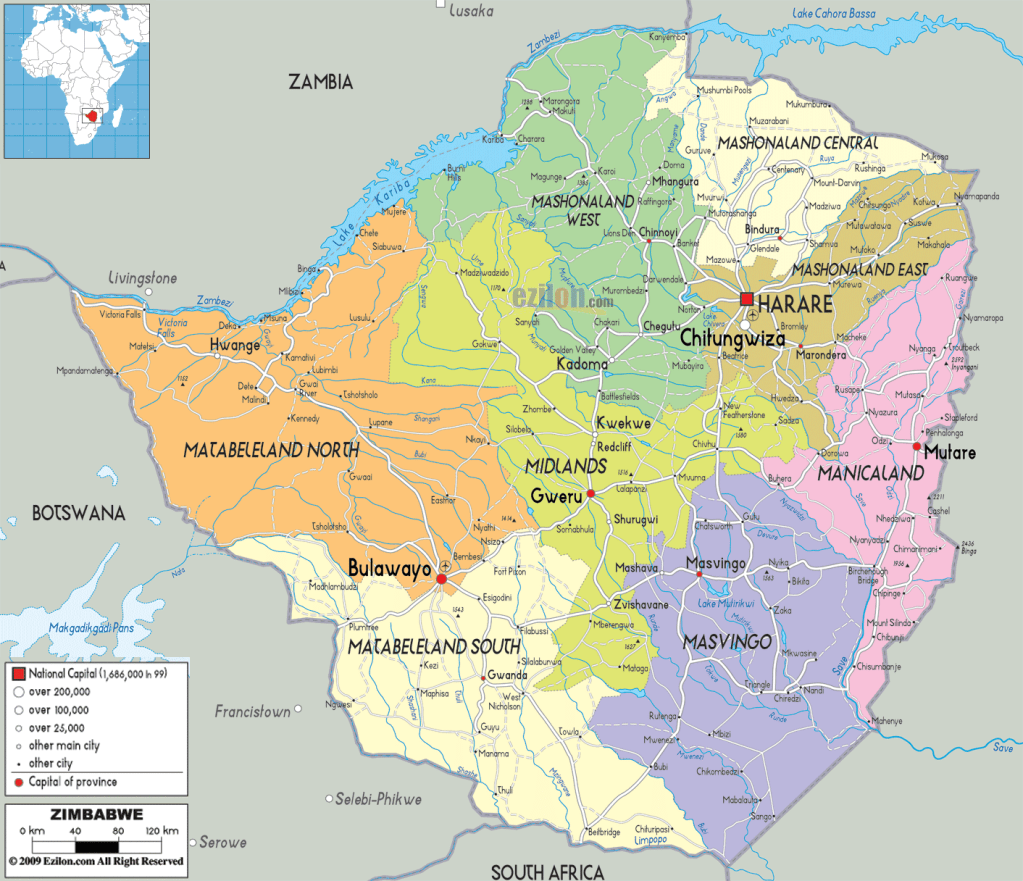
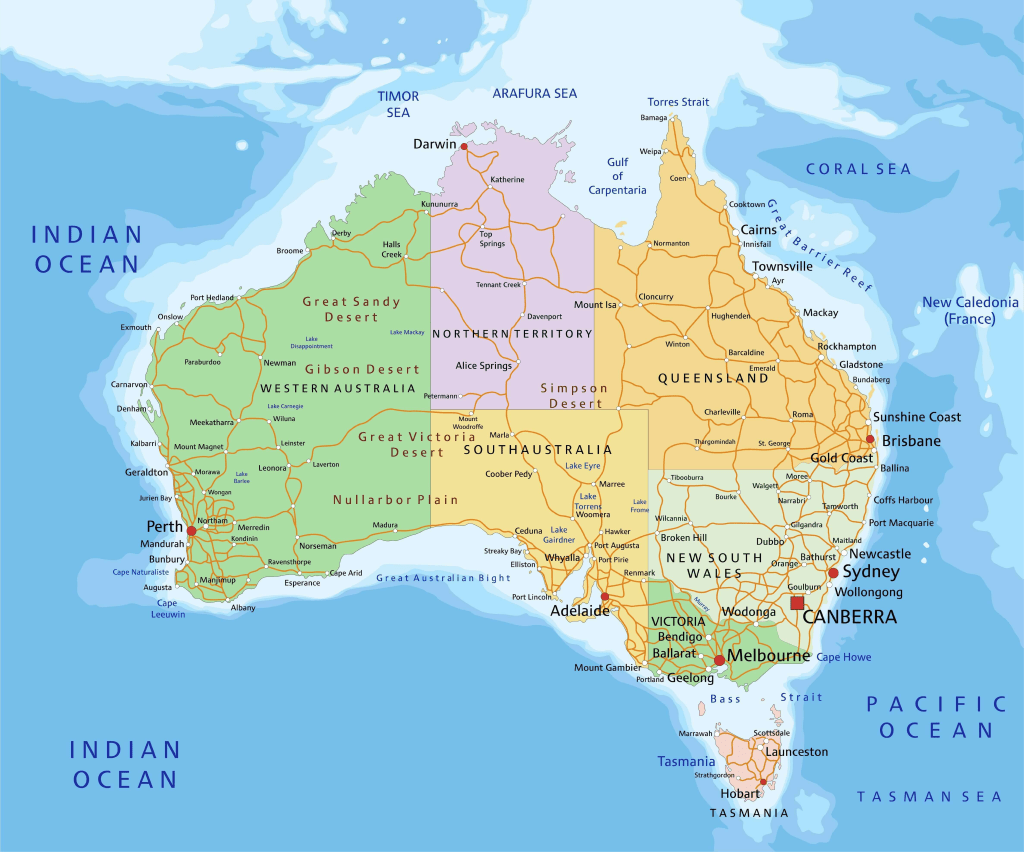
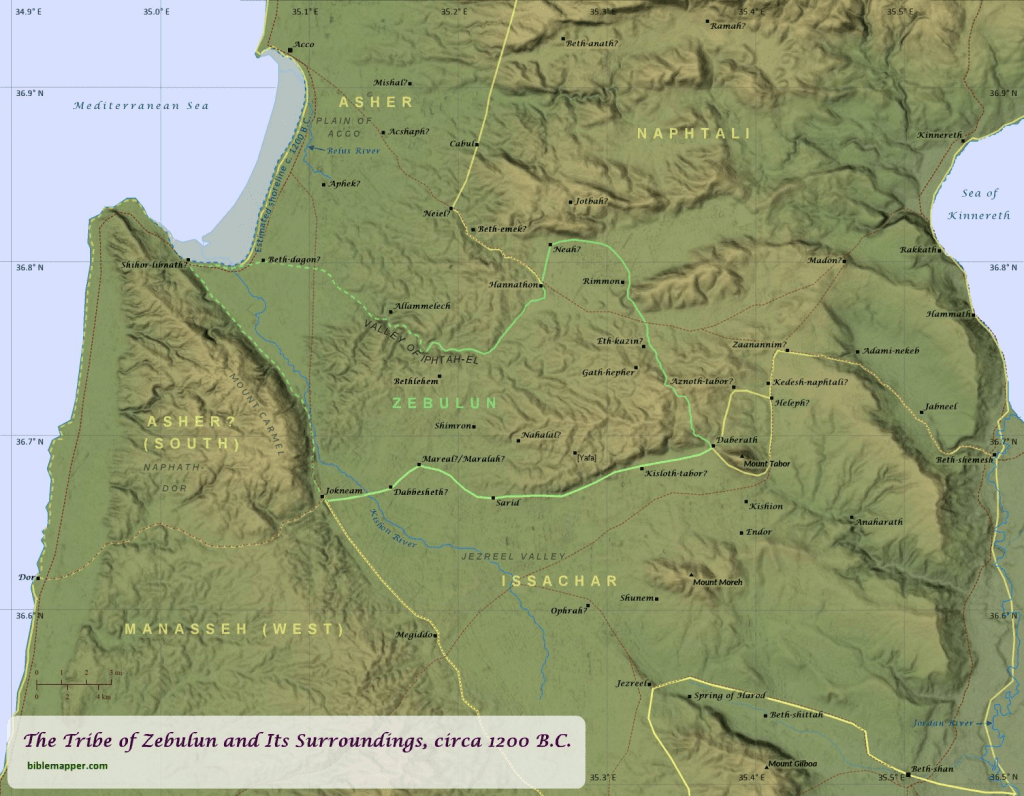
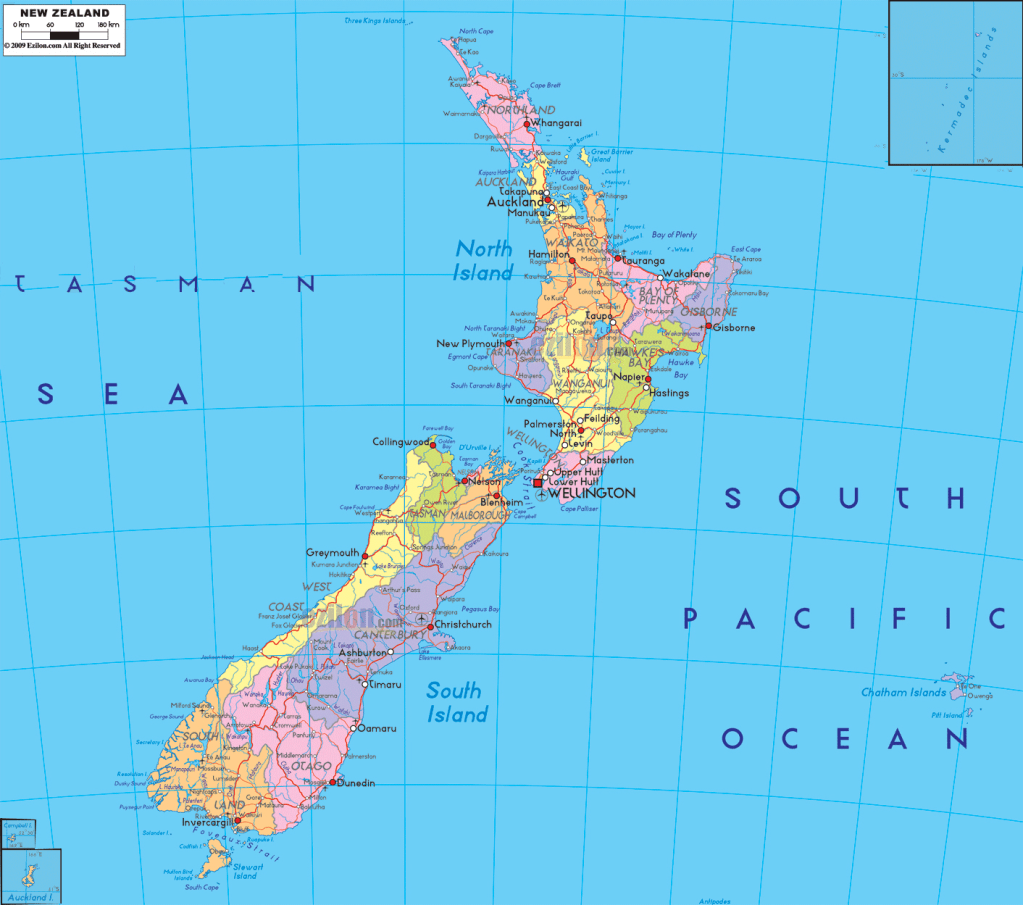
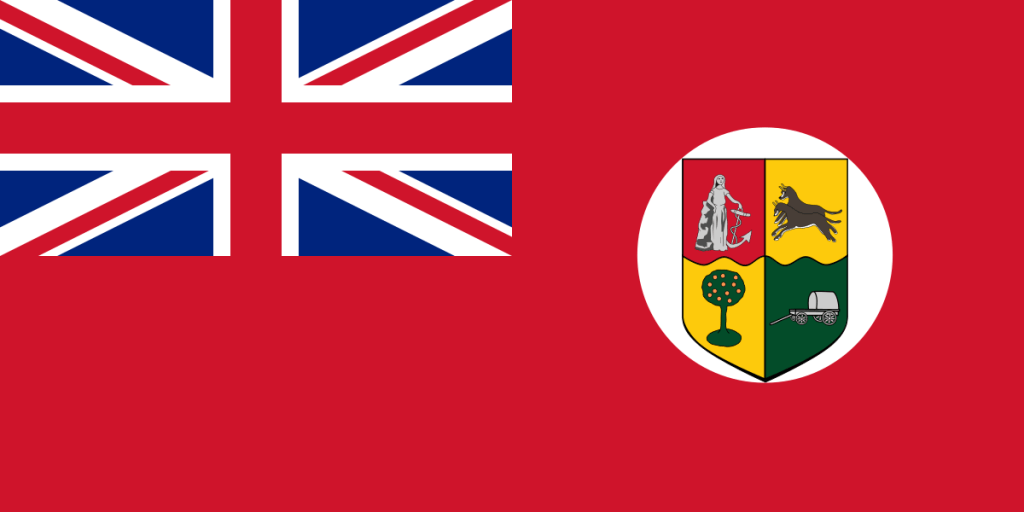
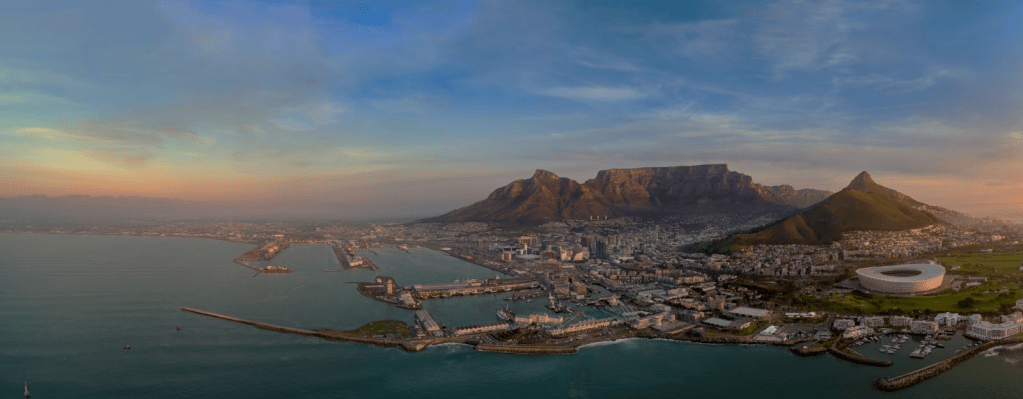

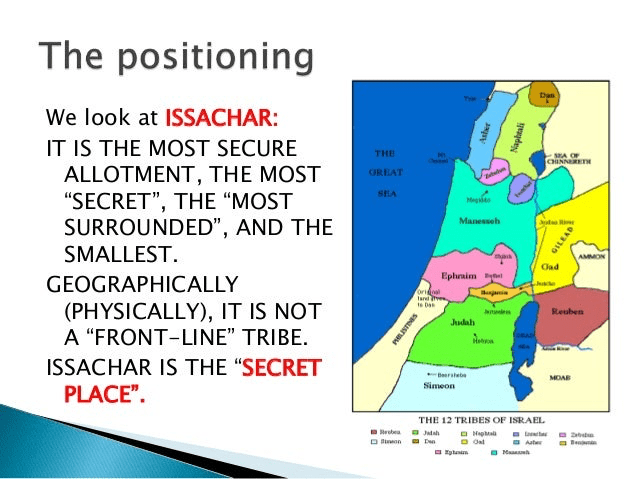

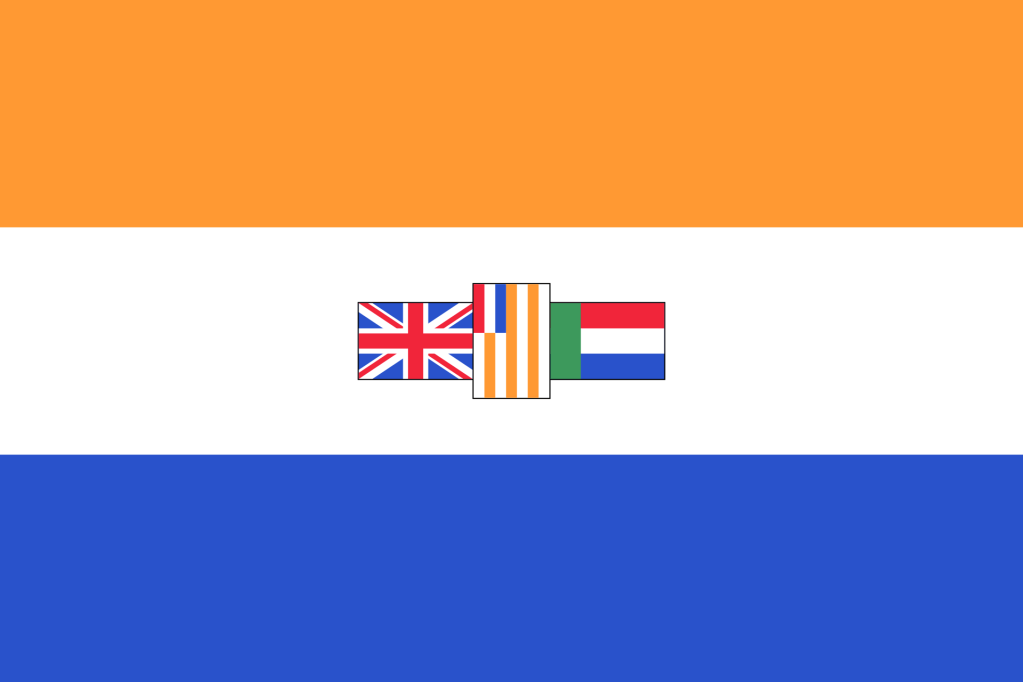

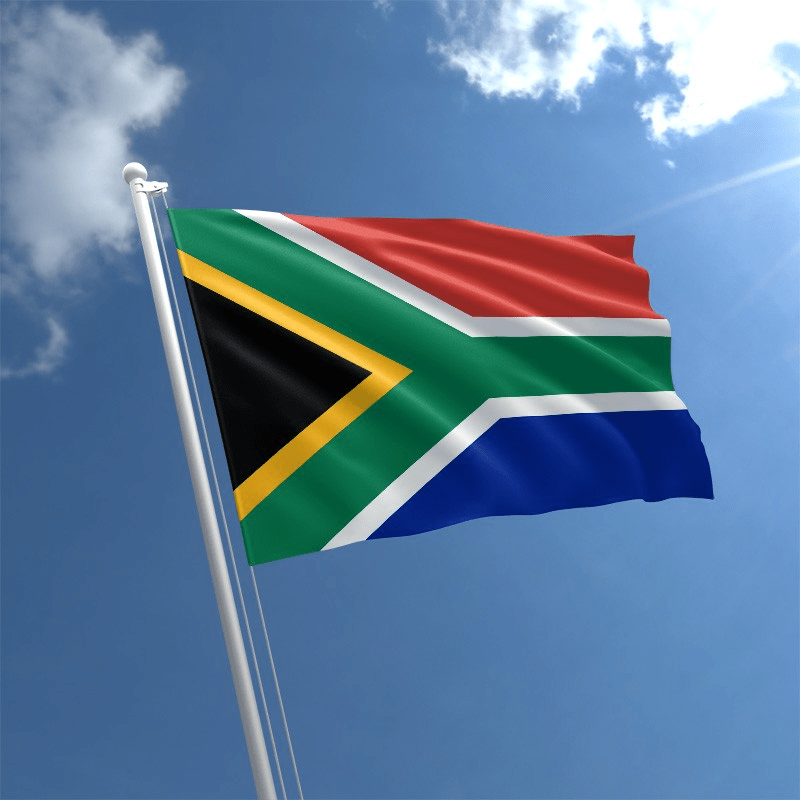

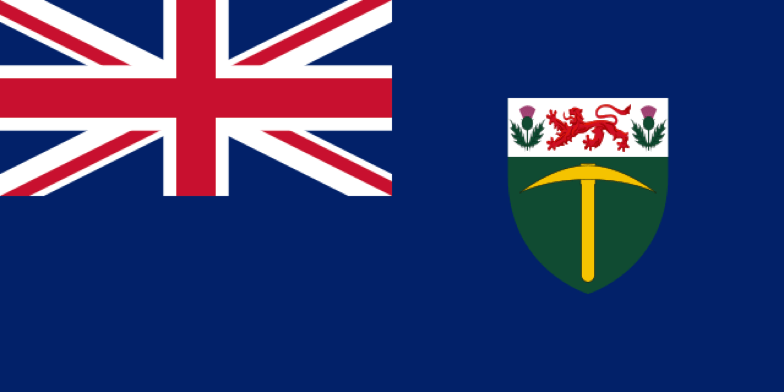


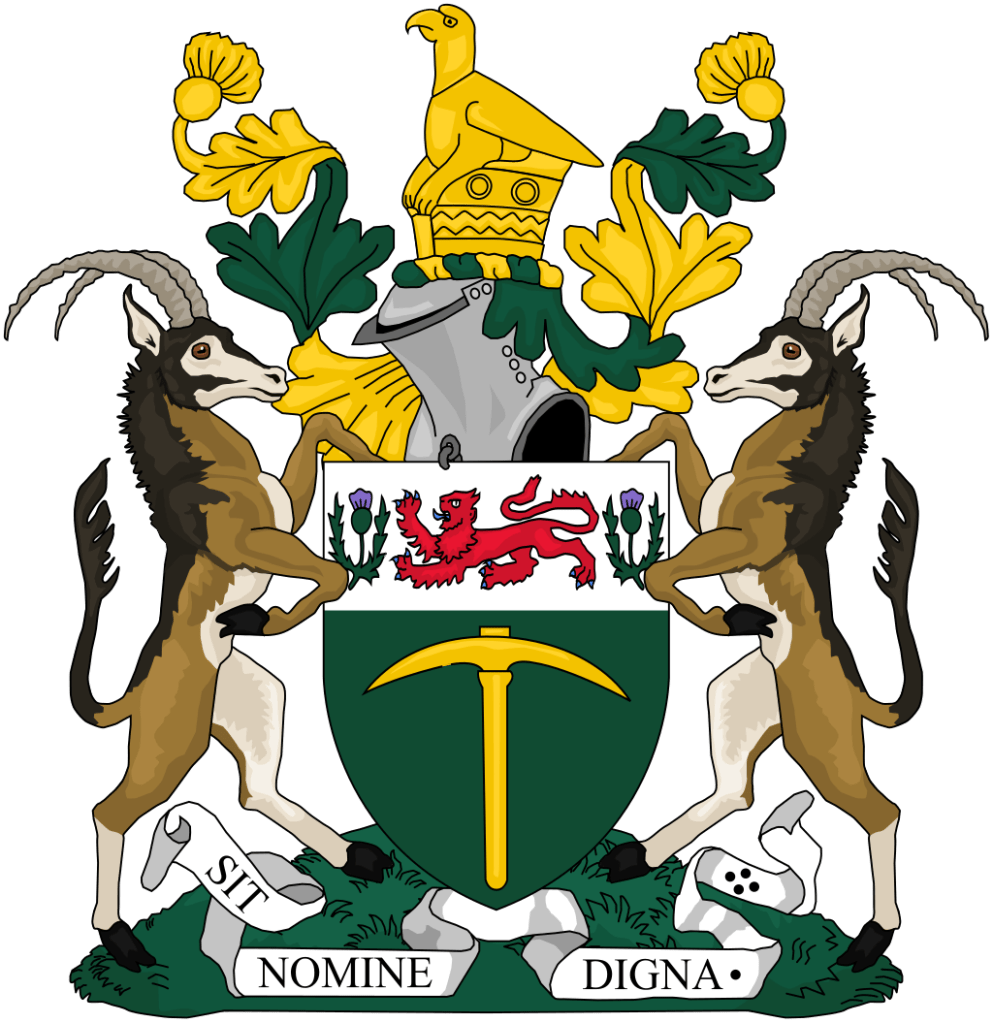
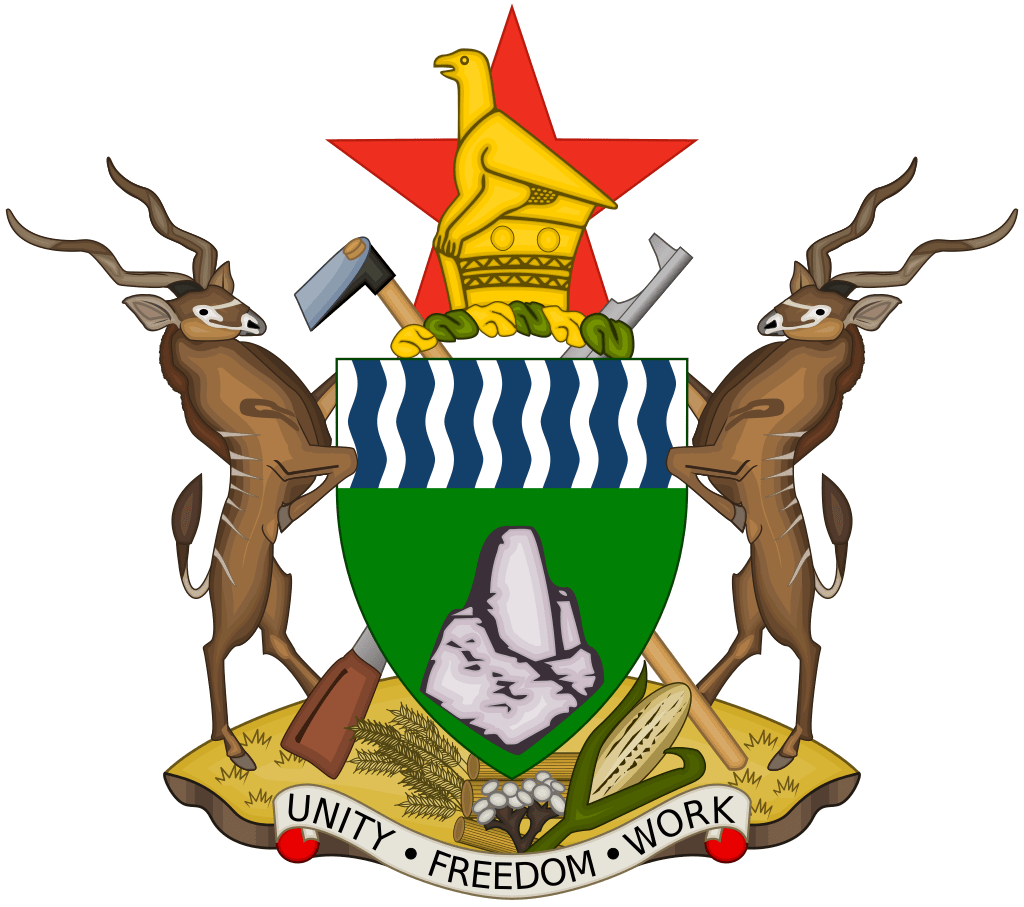







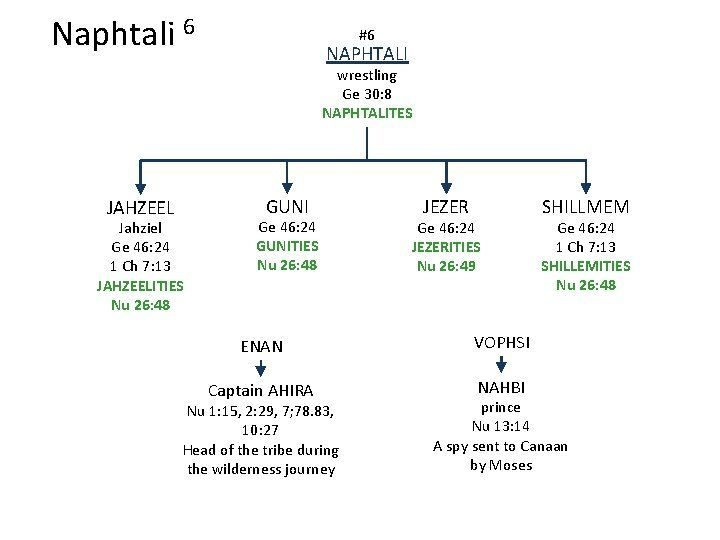
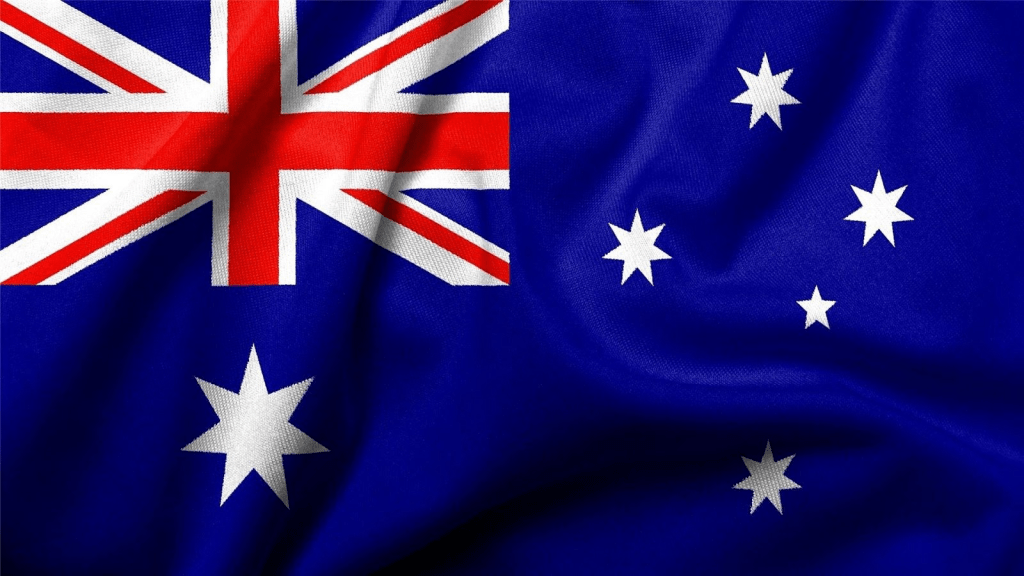


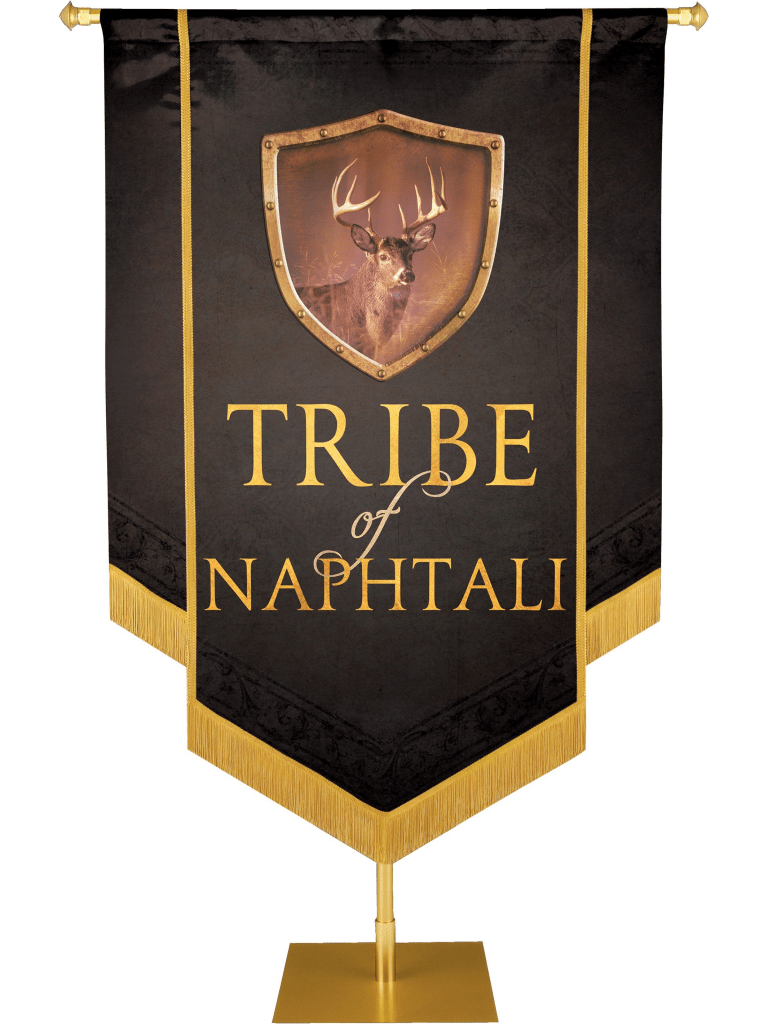



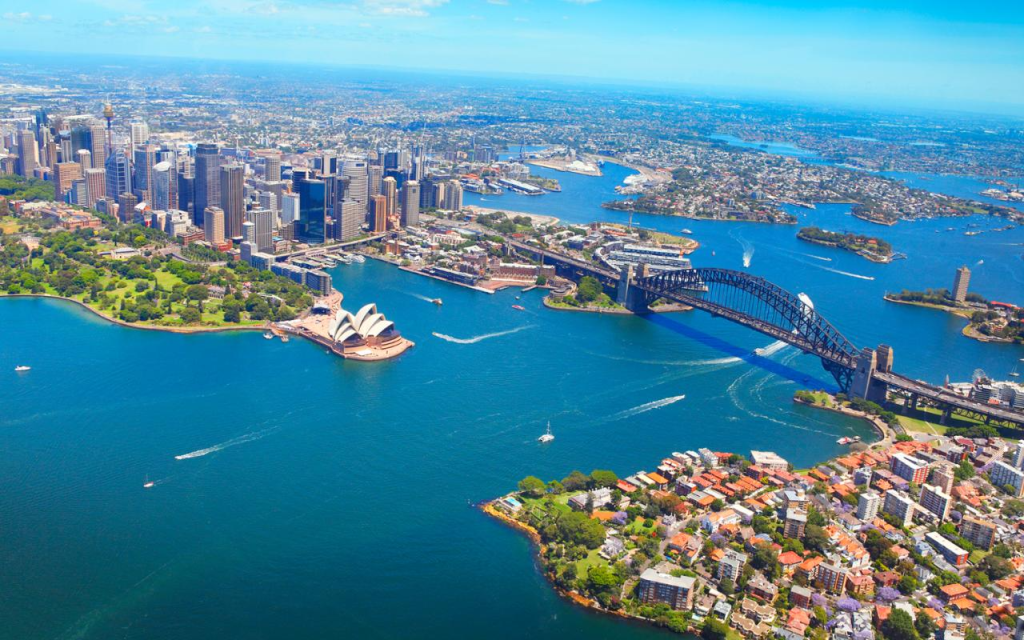




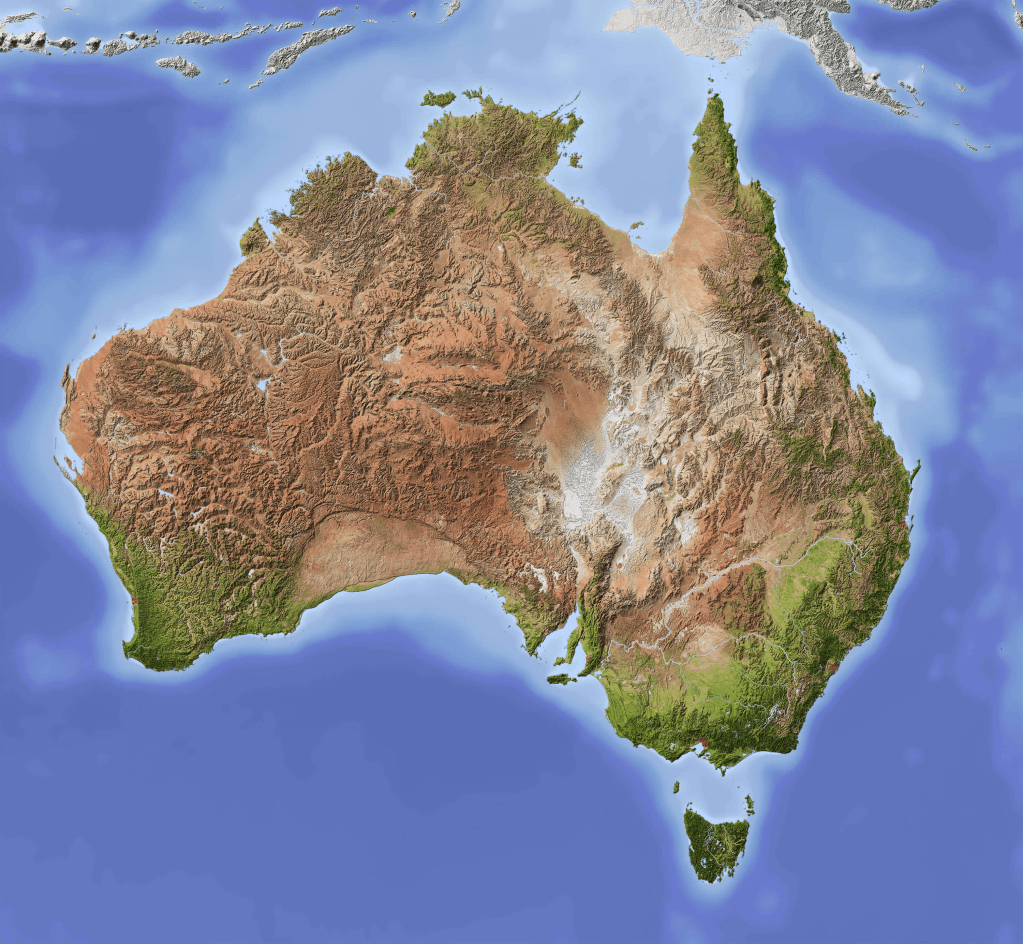




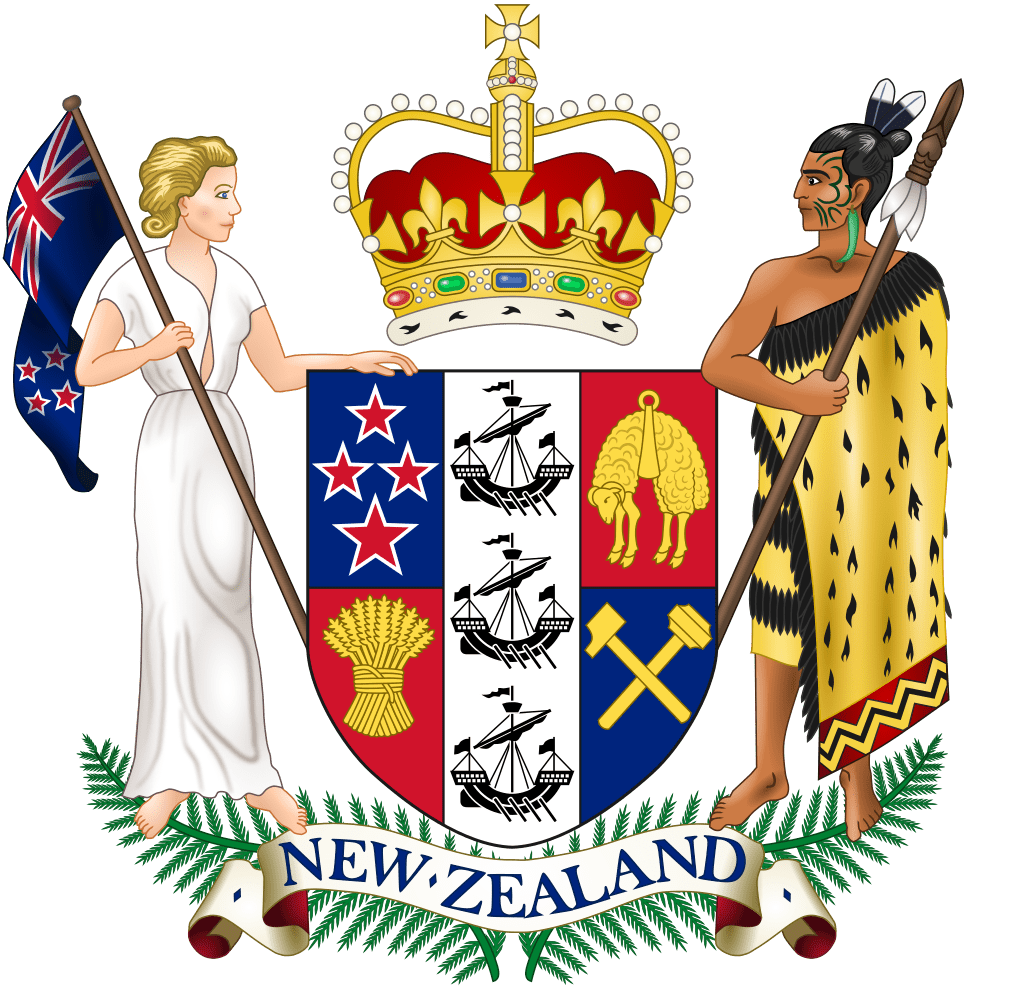


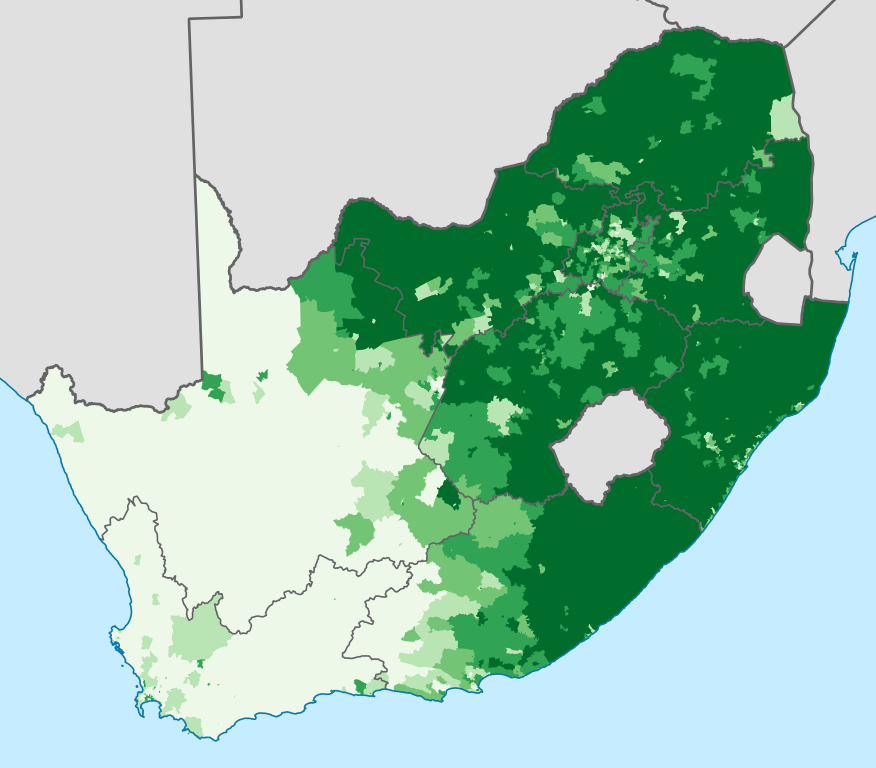
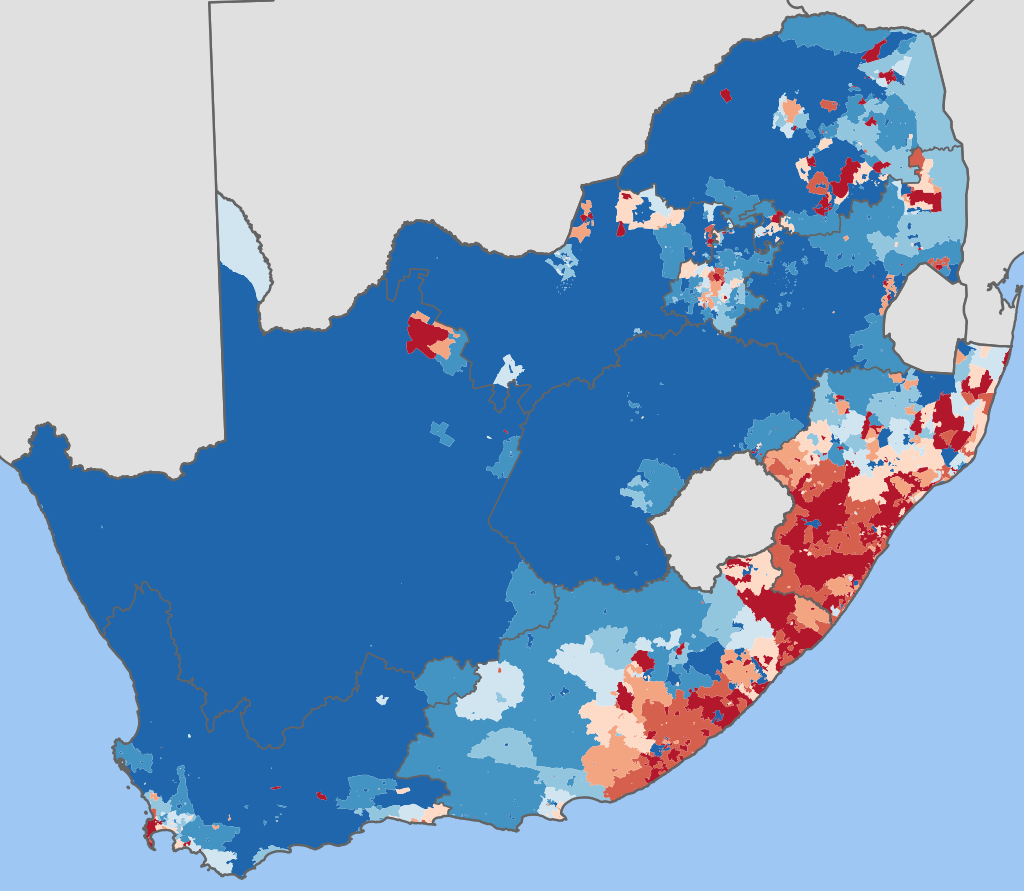

 The Lightkeeper