
In the Bible, Kings of Israel and Judah were deemed as either good or evil, with no room to spare in between – 2 Kings 21:2; 22:2. King Charles sits on the throne inherited from ancient Israel and is the alleged descendant of the royal line of Judah through his purported ancestor, King David – 2 Samuel 7:16.
Who is Charles III of England and Scotland? What is the truth about the present King?
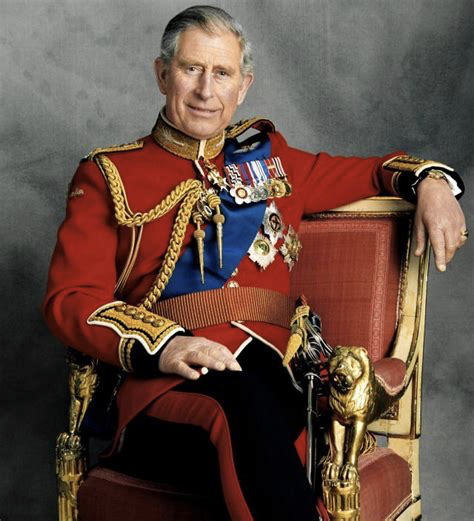
Charles Philip Arthur George Windsor, formerly known as The Prince of Wales, became King at the death of his mother Queen Elizabeth II on September 8, 2022. His coronation took place eight months later on May 6, 2023. Before we investigate Charles the man and his lineage in detail, we will study the history and ancestral roots of the British monarchy in seeking to understand better, both the Crown and the King.
The constant reader will be aware of the life and genealogies of Kings Saul, David and Solomon from previous articles – Chapter XXX Judah & Benjamin – the Regal Tribes; and article: Seventh Son of a Seventh Son. Briefly, David was from the tribe of Judah and he and his son Solomon were the ancestors of a woman called Mary, who happened to be the biological mother of a man called Yeshua in Hebrew, translating to Joshua in English. Otherwise incorrectly and commonly known as Jesus. Jesus being the English translation of the Greek name Iesous from the Hebrew Yeshua.
The two key points being: 1. The transition from Saul’s family and the tribe of Benjamin to David’s family and the tribe of Judah, was permanent. 2 Samuel 7:16, ESV: “And your house and your kingdom shall be made sure forever before me. Your throne shall be established forever.” This is some promise, one that we will see is binding and unconditional – Psalm 89:20-37, “… His offspring shall endure forever, his throne as long as the sun before me…” Added to this promise was the following prayer by Solomon based on what David had said to him – 1 Kings 2:1-5.
1 Kings 8:25, ESV: ‘Now therefore, O Lord, God of Israel, keep for your servant David my father what you have promised him, saying, ‘You shall not lack a man to sit before me on the throne of Israel, if only your sons pay close attention to their way, to walk before me as you have walked before me.’
Notice Solomon was invoking a promise from the Eternal given to David, that someone from his family would be alive and eligible to sit on the throne of Israel. Note it says Israel and not Judah. This is the first important point to remember. Also, it says of these descendants that they were eligible if, they walked in God’s ways like David. It was a conditional covenant – psalm 132:11-12. This is the second important point to remember as we progress. Of the twenty kings of Israel who reigned after Solomon from 930 to 722 BCE, not one was righteous. All, are listed as evil. Granted, these were not David’s descendants, but it is an alarming indictment. Of the twenty monarchs of Judah from 930 to 586 BCE remarkably, eight were righteous – some forty percent.
2. The big question – and one numerous Bible commentators invariably say has lasted forever to our present day and the current king of the United Kingdom – is whether this latter promise does actually extend till our day. In Jeremiah 33:17-18, ESV it repeats: “For thus says the Lord: David shall never lack a man to sit on the throne of the house of Israel, and the Levitical priests shall never lack a man in my presence to offer burnt offerings, to burn grain offerings, and to make sacrifices forever.” What is interesting and important is that the Levite priests were promised the same. Yet in 70 CE, the second temple was destroyed and the Levitical priesthood and sacrificial system came to an abrupt end for the (now) past 1,955 years.
Thus, it is open to question whether a member of David’s family sits on the throne of the United Kingdom. That it is the throne of David is without question. What is crucial is that this throne is not an Israelite but a Judaic throne due to the real identity of the English people. Their true identity is not only shocking to comprehend, but integral in understanding the ramifications of the throne’s presence in England… who is sitting on it; and the fact, that it is the throne which Christ is coming back to claim.
Isaiah 9:6-7
English Standard Version
‘For to us a child is born, to us a son is given; and the government shall be upon his shoulder, and his name shall be called Wonderful Counselor, Mighty God, Everlasting Father, Prince of Peace. Of the increase of his government and of peace there will be no end, on the throne of David and over his kingdom, to establish it and to uphold it with justice and with righteousness from this time forth and forevermore…’
Christ is given the names and titles of the Father and will sit on David’s throne. While Christ’s name on Earth was Yeshua, this is not his real or celestial name. Isaiah 7:14, ESV: ‘Therefore the Lord himself will give you a sign. Behold, the virgin shall conceive and bear a son, and shall call his name Immanuel.’
Though of course Mary did not call him by his real name but rather as instructed by Gabriel – Luke 1:31-33, ESV: ‘And behold, you will conceive in your womb and bear a son, and you shall call his name [Yeshua]. He will be great and will be called the Son of the Most High. And the Lord God will give to him the throne of his [ancestor] David, and he will reign over the house of Jacob forever, and of his kingdom there will be no end.”
Interestingly, Christ in his admonishing message to the seventh and final era of the Church, prior to his imminent return, mentions his throne. Revelation 3:21, ESV: “The one who conquers, I will grant him to sit with me on my throne, as I also conquered and sat down with my Father on his throne.” This is also a hefty promise of reward in that the very throne Christ sits, he will share with the true saints who overcome – Article: The Seven Churches – A Message for the Church of God in the Latter Days.
In other articles we have addressed the likelihood though not infallibility, of the daughters of the last king of Judah, Zedekiah, fleeing to the British Isles and specifically to Ireland – Chapter XXX Judah & Benjamin – the Regal Tribes; and article: The Ark of God. Regardless, historical records, albeit from legend and myth corroborate the ancient throne of the high kings of Ireland as being descended from Judah and specifically through his son Zarah, the twin of Pharez, the actual ancestor of David – 1 Chronicles 2:1-15.
We will study the origins of the British monarchs and glean what we can in trying to establish a link between David’s descendants and King Charles III. While various monarchs have believed they were descendants of Israelites, such as Victoria and George VI, it remains to be seen whether they are specifically from David’s family or even the tribe of Judah.
Gerald Flurry in the Philadelphia Trumpet, 2013 thinks so:
‘The Otago Witness, a prominent newspaper in New Zealand for about 80 years up until 1932, ran an article on Sept. 24, 1902, titled “The King’s Pedigree.” It mentioned how Frederick Robert Augustus Glover, one of the best Irish historians… researched the history of the British monarchy and contacted Queen Victoria. “He sent Her Majesty a letter intimating the nature and result of his labors,” the paper reported.
“In reply, he got what both surprised and delighted him. The Queen’s answer was a most gracious letter in which she acknowledged Mr. Glover’s (work) and informed him that she was already in possession of the facts of which he had spoken concerning her ancestral line… and led him to believe that the facts were actually accepted as genuine by the royal family as true and authentic.”
Queen Victoria died in 1901… She recognized that she was a descendant of King David of ancient Israel – that… sitting on the throne of England was actually a [fulfilment] of God’s promise to King David! Queen Victoria ruled more than 60 years on [the] throne of David, the same throne that sits in London today. She knew about… the history of her throne. These days, we don’t hear much about that history from Britain’s throne, but we should.’
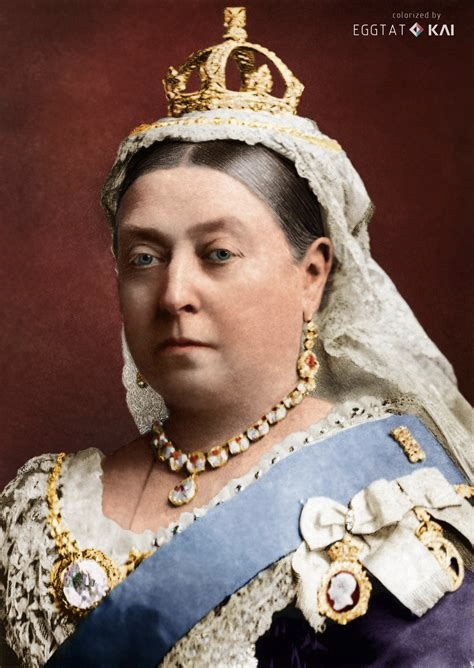
Was Queen Victoria – from the German House of Hanover – a descendant of King David? And was it really a fulfilment of God’s promise to David? We will return to Reverend F R A Glover’s conclusions.
The British Throne is the most recognised, established and perhaps revered monarchy in the world and is one of only a few survivors in Europe, when many tumbled and fell during the 18th and 19th Centuries. There are 29 monarchies worldwide. The Tenno dynasty in Japan is deemed the oldest reigning dynasty in the world with Emperor Naruhito being the 126th monarch.
While the British monarchy is seen as being a little over a thousand years old, we may find if it truly goes back to King David that it is in fact 3,034 years old. Of the current monarchies only four have absolute power – Swaziland, Oman, Saudi Arabia and the United Arab Emirates. The rest are all Constitutional monarchies like the United Kingdom; apart from Andorra, a Co-principality monarchy; Spain, a Parliamentary monarchy; and the Vatican/Holy See, an Absolute elective monarchy.
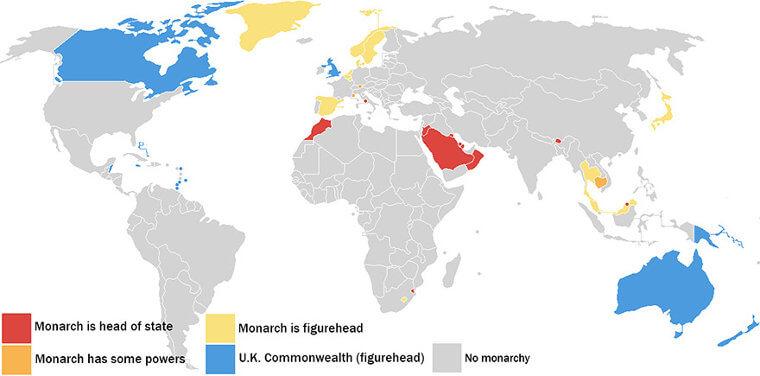
Of the twenty-nine monarchies, twelve are European, with the remainder being Asian, African and Middle Eastern. Those which are European and not principalities, include: Belgium, Denmark, Netherlands, Norway, Spain, Sweden and the United Kingdom. It is worth noting that all the descendant peoples from Abraham and Keturah – including Luxembourg – with the exception of Iceland, have retained monarchies – refer Chapter XXVII Abraham & Keturah – Benelux & Scandinavia.
Medieval Irish historical tradition holds Ireland had a High King (Ard Rí) based at Tara well before Israel’s first king: King Saul coronated in 1025 BCE. Compilations such as the 11th-century Lebor Gabala Erenn, followed by modern works like the Annals of the Four Masters and Geoffrey Keating’s Foras Feasa ar Eirinn purport to trace the line of High Kings from later Irish annals. The Hill of Tara is in Meath and just under twenty-four miles northwest of Dublin.
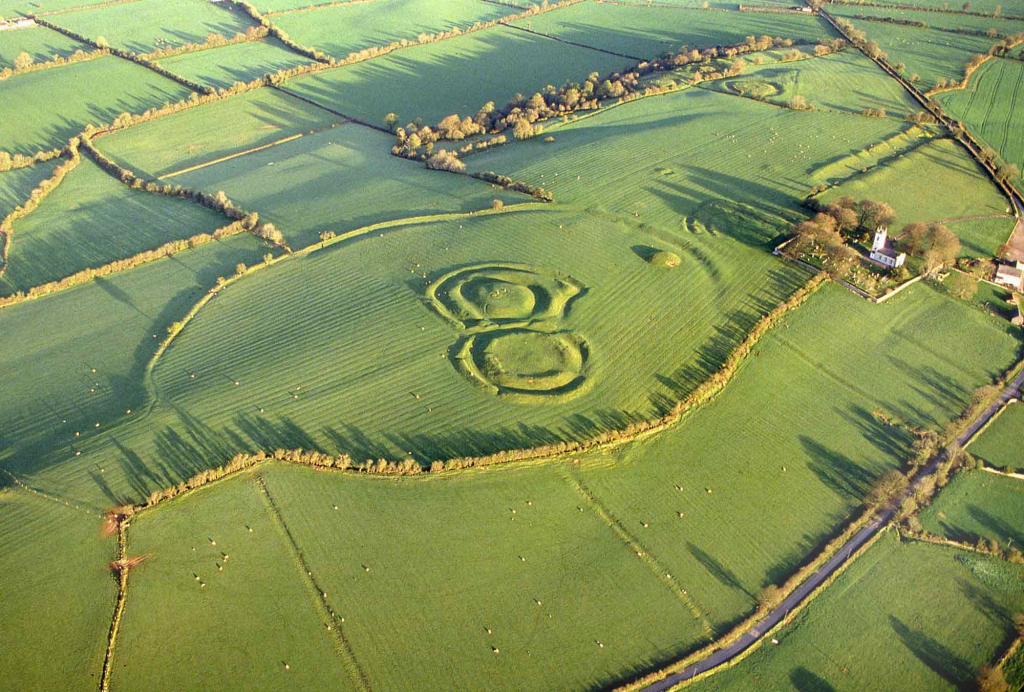
As the traditional list of High Kings is a mixture of historical fact and legend, Mael Sechnaill I is often considered the first historical king, who died in 1022 CE after being overthrown in 1002 by Brian Boru and later restored in 1014 following Boru’s death. Yet the Lebor Gabala Erenn lists every High King from remote antiquity to the time of Henry II’s Lordship of Ireland in 1171. And it is where we will begin.
Online Encyclopaedia: ‘The High Kingship was established by the Fir Bolg and their nine kings are succeeded by a sequence of nine kings of the Tuatha De Danann, most if not all of whom are considered euhemerised deities.’ This is convenient scholarship or rather lack thereof, as it dismisses the fact that the Fir Bolg were early descendants of the tribe of Reuben and who are ancestors of principally – many of the Protestant – people residing in Northern Ireland today – Chapter XXXI Reuben, Simeon, Levi & Gad – the Celtic Tribes. Likewise, the Tuatha De Danann have been relegated by historians as merely fairy folk, when in actuality, they really were the early descendants of the tribe of Dan, which is what the name Tuatha De Danann signifies – Chapter XXXIV Dan: The Invisible Tribe.
Encyclopaedia: ‘After the Milesian (Gaelic) conquest the High Kingship is contested for centuries between the descendants of Eber Finn and Erimon sons of Mil Espaine. The original compilation stopped at the reign of Tuathal Techtmar’ – the first of the Goidelic kings, 80-106 CE – AFM. ‘The kings of the Goidelic dynasties established by Tuathal were added by other editors. Later editions of the Lebor Gabála tried to synchronise its chronology with dateable kings of Assyria, Persia, and Ptolemaic Egypt and Roman emperors.
There are a handful of sources slightly predating the Lebor Gabála Érenn covering significant portions of essentially the same list of Milesian High Kings (though following a discrepant chronology), starting with the Laud Synchronisms estimated to have been compiled c. 1021. The oldest section of the Lebor Gabála Érenn “Roll of Kings” is taken from the poems of Gilla Comain mac Gilla Samthainde, written c. 1072.
Keating’s chronology, based on reign lengths, is longer than the synchronised chronology of the Lebor Gabála, and the Four Masters‘ chronology is even longer.’ This writer favours Keating’s chronology – FFE: chronology based on reign lengths given in Geoffrey Keating’s Forus Feasa ar Erinn – as the most accurate and is used for the following Irish king lists. With one exception where we note the generally too long AFM – chronology from the Annals of the Four Masters – and ignore entirely the LGE with synchronised dates from Lebor Gabala Erenn, as inconsistent.
We begin not with the earliest inhabitants of the Emerald Isle of Erin, but for the purpose of this study the first dynasty of the Fir Bolg kings. These were Israelites and principally of the tribe of Reuben. For a comprehensive survey of the tribe of Reuben, please refer Chapter XXXI Reuben, Simeon, Levi & Gad – the Celtic Tribes. Reuben was Jacob’s first son and the first with his wife Leah. Reuben was born in 1752 BCE, lived for 125 years and died in 1627 BCE. Presumably while living in Egypt – but possibly not as early – descendants of Reuben travelled to Greece, Spain, France, Belgium and Ireland.
Jacob and his family moved to Egypt in 1687 BCE and it wasn’t until 1593 BCE that the Israelites began to be subjugated by a Pharaoh who did not know Joseph – Appendix VII: Moses, the Exodus & the Red Sea Crossing – Fabrication or Fact? Thus freedom of travel lasted at least 94 years. The first king of the Fir Bolg was the short-lived Slaine mac Dela, from 1514 to 1513 BCE. The lag in years could be accounted for by migration to first Greece where colonies were established by various peoples descended from or related to the patriarch Abraham. The last and ninth king was Eochaid mac Eirc, from 1487 to 1477 BCE.
Worth mentioning, is Reuben being first to establish a line of kings is intimated within Jacob’s oracles about his twelve sons. Genesis 49:3, ESV: “Reuben, you are my firstborn, my might, and the firstfruits of my strength, preeminent in dignity and preeminent in power.” Even so, it would be short-lived as Reuben disqualified himself from being the recipient of the Birthright or Sceptre promises – Genesis 49:3. While later kings, particularly in Ulster may have been from Reuben, it was not Reuben’s destiny to be anything other than one of the least of Jacob’s descendants – Deuteronomy 33:6. That said, non-coincidently, Northern Ireland displays an unwavering loyalty to the Crown.
The next dynasty of Irish kings were the Tuatha De Danann from Jacob’s fifth son and first from Rachel’s handmaid Bilhah. Dan was born in 1746 BCE, lived 120 years and died in 1626 BCE. The Danites were the ancient world’s consummate sailors, explorers and traders. The first king was Bres, from 1477 to 1470 BCE. The third ruler was Lugh, in 1447 to 1407 BCE and the king during the Exodus from Egypt in 1446 BCE.
The 7th, 8th and 9th kings were Mac Cuill, Mac Cecht and Mac Greine from 1317 to 1287 BCE, equating to the time of the Judges. It isn’t a surprise that Dan had an early monarchy as hinted at by Jacob. Genesis 49:16, ESV: “Dan shall judge [or rule] his people as one of the tribes of Israel.”
The next phase of kingship in Ireland is of interest and importance, as the Milesian High Kings were the first dynasty of kings with a link to the royal tribe of Judah – refer Chapter XXX Judah & Benjamin – the Regal tribes. Even so, it is the Zarah clan of Judah that these kings descended and not the Pharez clan of David, Solomon and ultimately the Messiah.
How Israel Came to Britain, Canadian British Israel Association – emphasis mine:
‘Actually, groups of Israelites began to migrate away from the main body before the Israel nation was formed – while, as a people, they were still in bondage in Egypt. One of these groups under the leadership of Calcol, a prince of the tribe of Judah, went westward across the Mediterranean eventually settling in Ulster (Ireland). Another, under the leadership of Dardanus, a brother of Calcol, crossed to Asia Minor to found the Kingdom later known as Troy. E Raymond Capt in his work, Jacob’s Pillar, 1977, writes that Darda was ‘Egyptian’ in that he lived there during the bondage and was the son of Zarah. This Darda according to Capt, was one and the same with ‘Dardanus’, the ‘Egyptian founder of Troy.”
1 Chronicles 2:5-6, ESV: ‘The sons of Perez: Hezron and Hamul. The sons of Zerah: Zimri, Ethan, Heman, Calcol, and Dara, five in all.’ Judah was born in 1746 BCE, lived 129 years and died in 1617 BCE. His twin sons Pharez and Zarah were born in 1705 BCE. Prominent kings and ones alive at the same time as important rulers in Canaan include the following:
Eber Finn and his brother Erimon, 1287-1286 BCE
Erimon, 1286-1272 BCE
Enna Airgdech, 1032-1005 BCE – his contemporary, King Saul, 1025-1010 BCE
Rothechtaid mac Main, 1005-980 BCE; Setna Airt, 980-975 BCE – contemporaries of King David 1010-970 BCE
Fiachu Finscothach, 975-955 BCE; Muinemon, 955-950 BCE; Faildergdoit, 950-943 BCE; and Ollom Fotla, 943-913 BCE – all contemporaries of King Solomon 970-930 BCE
Simon Brecc, 685-679 BCE
Ailill Fin, 586-577 BCE; Eochu mac Ailella, 577-570 BCE and Airgetmar, 570-547 BCE are all candidates for marriage to Zedekiah’s daughters – refer article: The Ark of God
Crimthann Nia Nair, 12 BCE to 5 CE – contemporary of Christ, born in 3 BCE
Feradach Finnfechtnach, 5-25 CE and Fiatach Finn, 25-28 CE contemporaries of Christ when he was in Britain – refer Appendix VIII: When the Creator came to dwell with His Creation; and article: The Christ Chronology.
Elim mac Conrach, 60-80 CE – last king of the Milesian Dynasty
We will return to Ireland after we look at what was happening across the Irish Sea in Albion, the land of the Britons. But first, there were a people located principally in Ulster who bridge Ireland and Scotland’s shared history and they were the Cruithne Picts. The Irish called them Cruthin after their legendary first ruler, while the Romans called them Picts. Cruthin had seven sons: Cat, Fidach, Ce, Fotla, Circinn, Fortriu and Fib. In annals, the Picts were also known as Fortriu and their Kings of Alba also as Kings of Fortriu.
The Cruithne from the tribe of Benjamin – the youngest son of Jacob by his second wife, Rachel – were ancient Irish inhabitants with the Fir Bolg and Tuatha De Danann – Chapter XXX Judah & Benjamin – the Regal Tribes. Their arrival was slightly predated by the Milesians and early enclaves of Cruithne travelled to North Britain – otherwise to be known Caledonia and Alba – during the first millennia BCE. Benjamin was born circa 1699 BCE, lived 88 years and died in 1611 BCE.
Encyclopaedia: ‘The title King of the Britons (Latin: Rex Britannorum, Welsh: Brenin y Brythoniaid) was used (often retrospectively) to refer to the most powerful ruler among the Celtic Britons, both before and after the period of Roman Britain up until the Norman conquest of England. The Britons were the Brittonic-speaking peoples of what is now England, Wales, and southern Scotland, whose ethnic identity is today maintained by the Welsh, Cornish and Bretons. At least twenty kings were referred to as “King of the Britons”… the diminishing power of the Welsh rulers relative to the Kings of England, is reflected in in the gradual evolution of the titles by which these rulers were known from “King of the Britons” in the 11th century to “Prince of Wales” in the 13th… the majority of the rulers… had their power base in Gwynedd in North Wales…
Before the Conquest of Wales, completed in 1282, Wales consisted of several independent realms… Boundary changes and the custom of dividing patrimonies between heirs meant that few princes ever came close to ruling the whole of Wales. The only person known to have ruled all of Wales as a modern territory was Gruffydd ap Llywelyn’ a prince of Gwynedd and Powys from 1039 to 1063 CE who became King of Wales from 1057 to 1063 and King of Britons from 1058 to 1063.
‘… some Welsh princes sporadically claimed the medieval title of Prince of Wales between the 13th to 15th centuries. The title remains in use, but is usually given to heir apparents of English and British monarchs. The Principality of Wales was incorporated into the Kingdom of England under the Statute of Rhuddlan in 1284, and in 1301 King Edward I invested his eldest son, the future King Edward II, as Prince of Wales. Since that time, the eldest sons of all English monarchs, except for King Edward III, have borne this title.’
Early British kings include Cassivellaunus, 54 BCE and Tasciovanus, 20 BCE to 9 CE. The early Britons, successively known as Cymry and Welsh, descend from the tribe of Simeon – the second son of Jacob and Leah. Their unique status in the Kingdom of England was foretold – Joshua 19:9. The tribe of Simeon was one of the earliest tribes to migrate to the British Isles, with Reuben, Dan and Benjamin. Legend has it they also arrived in Ireland initially, but like Benjamin left Erin for Albion. Dan spread themselves between the two islands and Reuben remained in Ireland. Simeon was born in 1750 BCE, lived 120 years and died in 1630 BCE.
This brings us to the next dynasty of kings, the Goidelic High Kings of Ireland. These kings hail from the tribe of Gad, the seventh son of Jacob and the first with Leah’s handmaid, Zilpah. Both Reuben and Gad shared a close relationship in the past and it is replicated today – Numbers 32:1-5. For Gad’s descendants – predominantly Catholic – dwell in Ireland, to the south of Reuben in Northern Ireland. Gad was born in 1744 BCE, lived 125 years and died in 1619 BCE.
The first ruler was Tuathal Techtmar, 80-106 CE AFM. Muiredach Tirech, 310-343 FFE / 326-356 AFM, was king during the reign of the first recognised king of the Picts in Alba, Vipoig in 311 to 341 CE. It is not until Mael Sechnaill mac Maele Ruanaid in 846 to 860, that rulers are considered genuine historical High Kings of Ireland. That is only 1,178 years ago. It non-coincidently equates with the first official King of the Scots, Kenneth I MacAlpin, from 843 to 858 CE. The Irish ‘High Kingship was effectively ended in the 1170s after the Anglo-Norman invasion, its last holder being Ruaidri Ua Conchobair’, from 1166 to 1198.
Here we leave the Irish thread and concentrate on the Scottish lineage of kings which transferred from Ireland. Though first, much was happening in Britain for the Saxon invasion brought Angles, Frisians and especially important to our investigation, the Jutes. These tribes were spread throughout what is now England in seven kingdoms. In the north below the Caledonian tribes of Fortriu, were the Northumbrians.
Northumbria was comprised of two separate smaller kingdoms, Deira in the south and Bernicia in the north. Sometimes these kingdoms were ruled by two different kings and other times by just one. This division led to many civil wars, much like the later war of the Roses between the Houses of Lancaster and York. The first king was Ida, from 547 to 560 and the last ruler was Egbert II in 876 to 878 CE.
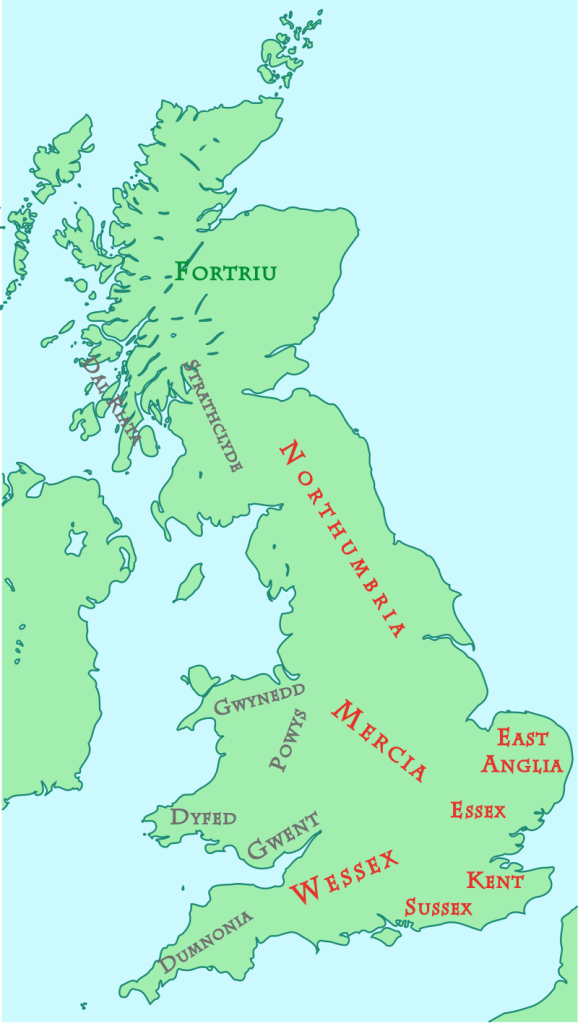
To the south of Northumbria and east of Wales was another sizeable kingdom, that of Mercia. By the late eighth century the Mercian kings held power over almost all of the other kingdoms. During the Viking invasions the kingdom was split with the Angles retaining the western half and the Vikings controlling the eastern half – the Five Boroughs. From the late ninth century onwards western Mercia was under the overlordship of the Wessex kings. The first Mercian king was Icel, circa 584 and the last to rule, was Aethelflaed, from 911 to 918.
The third kingdom was east of Mercia in East Anglia. The first king was Wehha, cicra 575 and the last was Guthrum in 875 to 890. By about 600 CE the Kingdom of Essex had absorbed the kingdom of the Middle Saxons – modern Middlesex. At several times in its history it appears to have been ruled by two kings at the same time, perhaps with one ruling Essex proper and the other ruling Middlesex. It was under Mercian overlordship from about 730 until the Viking invasions of the 9th century. The first king was Sledda, circa 580 and the last king was Sigered, from 800 to 805. On the southern coast sandwiched between Wessex and Kent was the Kingdom of Sussex. The first king was Aelle in 477 to 491 and the last Aldwulf, circa 773. Sussex was absorbed into Wessex in 860 CE.
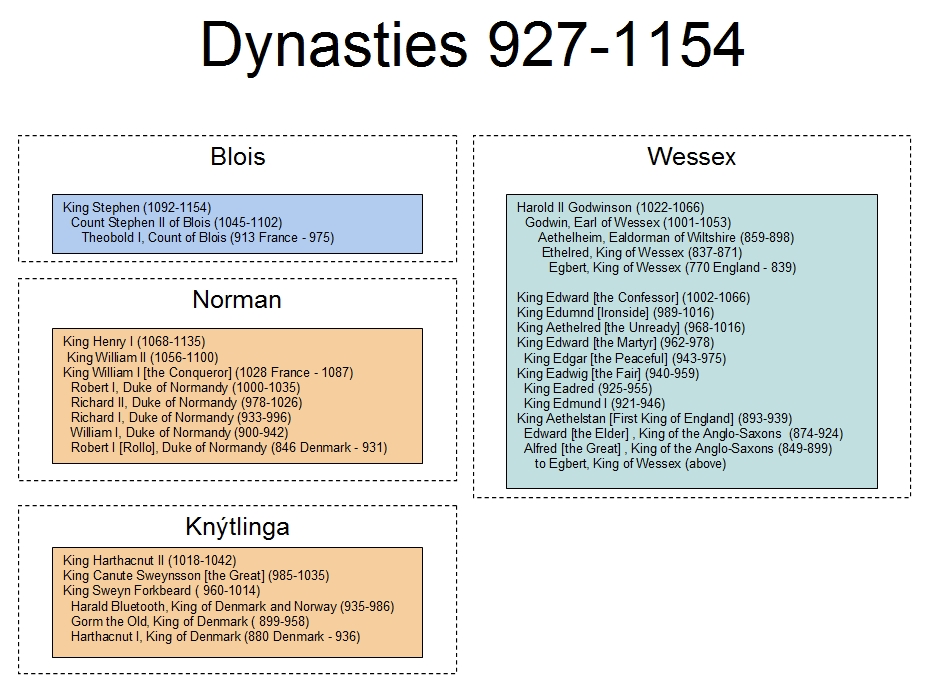
The Kingdom of Wessex became the dominant kingdom and by the middle of the tenth century, the kings of the royal house of Wessex were the rulers of the whole of England. The first king was Cerdic, from 519 to 534. The House of Wessex produced a number of notable kings including Alfred the Great, reigning from 871 to 899; Edward I the Elder, from 899 to 924 and Edmund I the Magnificent, from 939 to 946. The last Wessex king was Aethelred the Unready, from 978 to 1013 CE, when Sweyn of the House of Denmark ruled for 41 days. Aethelred the Unready retuned from exile and reigned again from 1014 to 1016. The House of Denmark was restored from 1016 to 1042 and then finally reverted to the House of Wessex from 1042 until the landmark events transpiring in 1066.
King lists for England invariably begin with Alfred the Great. Alfred styled himself king of all the Saxons from about 886, and while he was not the first king to claim to rule all of the English, his rule represents the start of the first unbroken line of kings to rule the whole of England, descending from the House of Wessex.
His son Edward the Elder conquered the eastern Danelaw, though Edward’s son Æthelstan, King of the Saxons, from 924 to 927 and then King of the English during 927 to 939, became the first king to rule the whole of England when he conquered Northumbria in 927. He is regarded by some modern historians as the first true king of England. The title King of the English or Rex Anglorum in Latin, was first used to describe Æthelstan in one of his charters in 928. The standard title for monarchs from Æthelstan until John was “King of the English”.
It is important to note that apart from the Milesian kings of Ireland who were ostensibly from Zarah of Judah, no other kings in Ireland, Scotland or England were ostensibly from any royal lines of Judah. It is only with the arrival of the Jutes in Kent – the seventh kingdom – that we first see an identifiable Judaic kingship – refer Chapter XXX Judah & Benjamin – the Regal tribes. Old Kent, equated to approximately the modern county of Kent as well as the South-Eastern part of Greater London.
It is no coincidence that etymologically, the name Jute does not just derive from Jutland – or Jute Land – in Denmark, but from the word Jude, itself deriving from Jud-ah. Though originally the first letter was a Y and not a J. Nor is it a coincidence that the first wave of Saxons were headed by the tribe of Judah. Albeit they had been invited by the British King Vortigen to help defend against the pesky Pict’s incursions southwards. At the Battle of Aegaelsthrep (Aylesford), Jute leader Horsa was killed during the battle with King Vortigern and Vortigern’s son Catigern, also died in the fighting. While Jute leader Hengist was victorious and declared himself King of Kent.
What is an interesting coincidence is the fact that there were two Jutish leaders – brothers called Hengist and Horsa. In the same way that Judah’s son Pharez had two sons also beginning with the letter H: Hezron and Hamul – 1 Chronicles 2:5. As Horsa died while fighting, it was the eldest brother Hengist who was the first king from 455 to 488 CE. Just as the eldest son Hezron was the progenitor of the royal line including David and Solomon. Hengist in Old English means stallion and Horsa means, unsurprisingly, horse. While Zarah’s descendants through Calcol had established a long line of kings in Ireland; could Hengist have been a descendant from a line of Pharez, which sprung up in the British Isles?
While the odds of the Jutish King Hengist being of the tribe of Judah are favourable, the odds begin to steadily decrease as we consider he may have been from either Judah’s oldest surviving son of three, Shelah – 1 Chronicles 2:3 – or from the competing Zarah line. Even if he was of the Pharez line, it could have easily been from Pharez’s second son Hamul. The odds decrease considerably further against Hengist actually being descended from Hezron, the ancestor of David. The odds lengthen ever more if we are to believe that Hengest was a genuine descendant of one of David’s twenty or more sons listed in scripture and thus sitting on David’s throne – Article: Seventh Son of a Seventh Son.
Which could be argued was in Ireland already, if a Zarah descended Milesian king had truly married one of Zedekiah’s daughters – Article: The Ark of God. Of course, it does not stop there. What are the chances that Hengist was an actual descendant of Solomon and in turn from one of Christ’s half brothers or sisters? For Christ was the direct descendant of King Solomon, through his son Rehoboam. The odds must be astronomical, though not impossible.
Kent was under Mercian overlordship from about 784 to 793 and also 796-825 CE. The last and 21st Kentish king was Aethelwulf during 825 to 839 and again in 856 to 858 and it was from 825 to 860, that Kent was under the overlordship of Wessex – often with a member of the West Saxon line ruling it as a sub-king. After 860, Kent was fully absorbed into Wessex as the other five kingdoms. Could Aethelwulf have truly been from a line of Pharez, or even a descendant of David? Even so, the switch to the non-Jutish dominant House of Wessex would have stopped this line in its tracks.
With that thought, we return to the monarchy in Scotland and the man who supposedly unified the twin Pictish and Milesian royal lines. But in reality, there was only a transfer of kingship over the Picts with the Milesian Scots of the Kingdom of Dal Riata, replacing the name Pict, with Scot.
Encyclopaedia: ‘Historically, the Kingdom of Scotland is thought to have grown out of an earlier “Kingdom of the Picts”, though in reality the distinction is a product of later medieval myth and confusion from a change in nomenclature i.e. Rex Pictorum (‘King of the Picts’) becomes Rí Alban (King of Alba) under Donald II when annals switched from Latin to vernacular around the end of the 9th century, by which time the word Alba in Scottish Gaelic had come to refer to the Kingdom of the Picts rather than Britain (its older meaning). The Kingdom of the Picts just became known as Kingdom of Alba in Scottish Gaelic, which later became known in Scots and English as Scotland; the terms are retained in both languages to this day. By the late 11th century at the very latest, Scottish kings were using the term rex Scottorum, or King of Scots, to refer to themselves in Latin.’
The Picts and Scots are one and the same people and from the tribe of Benjamin. Undoubtedly, some of the aristocracy and certainly the monarchs of the transplanted Dalriada Kingdom from Northern Ireland were the Zarah branch of Judah as evidenced by the re-occurring symbolism in Northern Ireland and Scotland of the Red Hand and Scarlet Thread strongly associated with the Zarah royal line – Genesis 38:27-30.
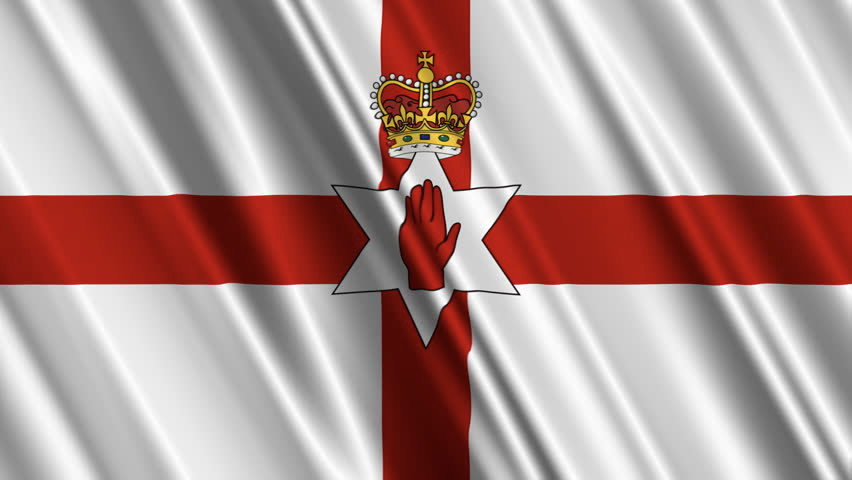
The Ulster Banner of Northern Ireland
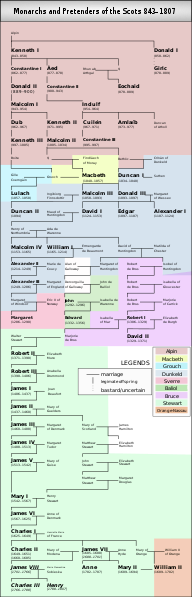
Accepted tradition is the first King of Scots was Kenneth I MacAlpin (Cináed mac Ailpín), who founded the state of the Kingdom of Scotland in 843 CE. His reign until 858 began ‘what is often called the House of Alpin’ from 848 to 1034 – ‘an entirely modern concept. The descendants of Kenneth MacAlpin were divided into two branches [and] the crown would alternate between the two, the death of a king from one branch often hastened by war or assassination by a pretender from the other.’
Donald II in 889 to 900 was the last Alpin king to be called King of the Picts. The following king, Constantine II, from 900 to 943 was the first to be called King of Alba. Malcolm II the Destroyer, during 1005 to 1034 ‘was the last king of the House of Alpin; in his reign, he successfully crushed all opposition to him and, having no sons, was able to pass the crown to his daughter’s son, Duncan I, who inaugurated the House of Dunkeld’ from 1034 to 1040 and again in 1058 to 1286. Duncan I, who reigned from 1034 to 1040 ‘succeeded to the throne as the maternal grandson of Malcolm II. The House of Dunkeld was therefore closely related to the House of Alpin. Duncan was killed in battle by Macbeth… [his cousin and also a] maternal grandson of Malcolm II.’
Thus ushering in the short-lived House of Moray, from 1040 to 1058. Macbeth the Red King – made infamous by William Shakespeare – had a long and relatively successful reign. ‘In a series of battles between 1057 and 1058, Duncan’s son Malcolm III the Great Chief defeated and killed Macbeth and Macbeth’s stepson and heir Lulach the Unfortunate and the Foolish and became the king, thereby passing the throne back to the House of Dunkeld. The dynastic feuds did not end there: on Malcolm III’s death in battle, his brother Donald III, known as “Bán”, claimed the throne, expelling Malcolm III’s sons from Scotland. A civil war in the family ensued, with Donald III and Malcolm III’s son Edmund opposed by Malcolm III’s English-backed sons, led first by Duncan II and then by Edgar. Edgar triumphed, sending his uncle and brother to monasteries.’
David I the Saint in 1124 to 1153 was the first Scottish king to have the family name of King David of Israel. ‘After the reign of David I, the Scottish throne was passed according to rules of primogeniture, moving from father to son, or where not possible, brother to brother.’ Some may think the name William, a quintessential English king name, though Scotland had the monarch William I the Lion and the Rough, during 1165 to 1214 – albeit chronologically after the famous Norman, William the Conqueror. Alexander III, in 1239 to 1286 was the last ruler from the House of Dunkeld. Having no sons, the throne was inherited by his granddaughter Margaret, maid of Norway.
Not long after the family civil war in the House of Dunkeld, the greatest event in the history of the monarchy of England, with repercussions for the yet throne of all of Great Britain occurred. Recall the kings of the House of Wessex were titled Kings of England, beginning with Aethelstan in 927 to 939 and ending with Edward III the Confessor, from 1042 to 1066 son of Aethelred the Unready. The next king was Harold II of the House of Godwin, from January 6th, 1066 to October 14th, 1066 when he was killed at the battle of Hastings. His reign rudely interrupted by an opportune event called the Norman Invasion.
The Normans, meaning north men, were Norse Vikings who had migrated to Normandy in northwestern France some two centuries earlier, while other Vikings were already entering the British mainland and Ireland. The Norwegian and Danish Vikings were different tribes of Israel – refer Chapter XXXII Issachar, Zebulun, Asher & Naphtali – the Antipodean Tribes. The Norman invasion is signifiant for added reasons unbeknown to secular and mainstream historians.
When the Kingdom of Judah went into captivity at the hand of the Chaldean led Babylonians, the principle tribes of Judah and Benjamin were split. Some continued fleeing and joined their Israelite kin and resurfaced as the Jutes, along with the Angles and Frisians in the Saxon invasion. Others though, had fled not as far, while a sizeable proportion had also been deported to Babylon. When the Medes and Persians toppled Babylon, they were predisposed to allow the Babylonian remnant to return to Jerusalem and rebuild the Temple. They were rejoined by those who had remained close by.
It was this second group, principally from Judah as well as Benjamin who a few centuries behind their earlier kith and kin resurfaced as the Normans. All the other tribes had entered Britain and Ireland in either dribs and drabs, as well as successive waves comprising a main retinue of people. Only the tribe of Judah arrived in two significant and distinct groups, First as the Jutes and then later, as the bulk of the Normans. The Normans were skilled in warfare and government, both key identifying attributes of the tribe of Judah – Genesis 49:8-10.
Encyclopaedia: ‘In 1066, several rival claimants to the English throne emerged. Among them were Harold Godwinson (recognised as king by the Witenagemot after the death of Edward the Confessor), Harald Hardrada (King of Norway who claimed to be the rightful heir of Harthacnut) and Duke William II of Normandy ([the sixth Duke of Normandy from 1035] vassal to the King of France, and first cousin once-removed of Edward the Confessor). Harald and William both invaded separately in 1066. Godwinson successfully repelled the invasion by Hardrada, but ultimately lost the throne of England in the Norman conquest of England.’
William the Bastard invaded England landing at Pevensey on the south coast of England – like his earlier forbears, Hengist and Horsa – on September 28th, 1066. The Battle of Hastings on October 14th lasted all day and only ended when Harold II was killed. The following day, the Witan proclaimed Edgar Aetheling, great grandson of Aethelred the Unready – grandson of Edmund Ironside and son of Edward the Exile – king of England. Though the young monarch was never crowned. Following his victory at Hastings, William expected the Saxons to submit to him. When they did not he was forced to begin the Norman Conquest to take England by force.
On December 10th Edgar Aetheling and the English nobility finally submitted to William. William II of Normandy was crowned King at Westminster Abbey beginning the rule of the Normans on December 25th, 1066 and he ruled until his death in 1087. The House of Normandy lasting from 1066 to 1135. Now William I the Conqueror, he made permanent the recent removal of the capital from Winchester to London. William is also famous for a very Judaic, savvy act, the ‘Domesday Book… (the Middle English spelling…) is a manuscript record of the Great Survey of much of England and parts of Wales completed in 1086 at the behest of… William… The manuscript was originally known by the Latin name Liber de Wintonia, meaning “Book of Winchester”, where it was originally kept in the royal treasury. The Anglo-Saxon Chronicle states that in 1085 the king sent his agents to survey every shire in England, to list his holdings and dues owed to him.’
The Normans had been granted the right to live in France under the condition their kings were called Dukes and remained subservient to the French king. The legitimacy of William becoming William I of England is strengthened when his identity from the tribe of Judah is recognised. Of course, the 64,000 dollar question, is which family clan of Judah was he from? Shelah, Zarah or Pharez? As every monarch of consequence since William I claims his ancestry, the identity of William of Normandy is paramount in understanding if the current incumbent, Charles III has either: a. just Judaic blood, (without question but with admixture); b. has royal blood, (almost without question and from Zarah); or c. has a Pharez royal bloodline, (reasonably possible); and d. is in fact a descendant of King David, (slim to little chance if William was not from Pharez himself).
After William’s death his son William II Rufus reigned from 1087 to 1100. The next king was Henry I Beauclerc, from 1100 to 1135, also a son of William the Conqueror. Encyclopaedia: ‘Henry I left no legitimate male heirs, his son William Adelin having died in the White Ship disaster of 1120. This ended the direct Norman line of kings in England. Henry named his eldest daughter, Matilda (Countess of Anjou by her second marriage to Geoffrey Plantagenet, Count of Anjou, as well as widow of her first husband, Henry V, Holy Roman Emperor), as his heir presumptive. Before naming Matilda as heir, he had been in negotiations to name his nephew Stephen of Blois as his heir. When Henry died, Stephen travelled to England, and in a coup d’etat had himself crowned instead of Matilda. The period which followed is known as The Anarchy, as parties supporting each side fought in open warfare both in Britain and on the continent for the better part of two decades.’
Matilda controlled England for 209 days during 1141. She was the first woman to do so, but was never crowned and is rarely listed as a monarch of England. ‘Count Eustace IV of Boulogne (c. 1130 – 17 August 1153) was appointed co-king of England by his father, King Stephen, on 6 April 1152, in order to guarantee his succession to the throne (as was the custom in France, but not in England). The Pope and the Church would not agree to this, and Eustace was not crowned. Eustace died the next year aged 23, during his father’s lifetime, and so never became king in his own right. The House of Blois ended in 1154.’
Meanwhile in Scotland there was the short-lived House of Sverre from 1286 to 1290. ‘The First Interregnum began upon the death of Alexander III of Scotland in 1286. Alexander’s only surviving descendant was his granddaughter Margaret… a young child, who inherited the throne… A set of guardians were appointed to rule Scotland in her absence since she was living in Norway where her father Eric II was king. She was finally sent to Scotland in 1290, but died in Orkney before arriving in Scotland’ to be crowned.
‘The status of Margaret, Maid of Norway, as a Scottish monarch is debated by historians. One of her biographers, Archie Duncan, argues that because she was “never inaugurated, she was never queen of Scots”. Another, Norman H. Reid, insists that Margaret was “accepted as queen” by her contemporaries but that, owing to the lack of Inauguration, “[her] reign never started”.
The death of Margaret of Norway began a further two-year interregnum in Scotland caused by the succession crisis. ‘With her death, the descent of William I [of Scotland] became extinct and there was no obvious heir. Thirteen candidates presented themselves; the most prominent were John Balliol, great-grandson of William I’s younger brother David of Huntingdon, and Robert de Brus, 5th Lord of Annadale, David of Huntingdon’s grandson. The Scottish magnates [unwisely] invited Edward I of England to arbitrate the claims. He did so but forced the Scots to swear allegiance to him as overlord. Eventually, it was decided that John Balliol should become king. He proved weak and incapable and, in 1296, was forced to abdicate by Edward I who then attempted to annex Scotland into the Kingdom of England.’ Thus the House of Balliol ended after four years and a Second Interregnum began in Scotland lasting from 1296 until 1306.
In England there was the formidable rise of the House of Plantagenet in the wake of the demise of the Blois and Normandy houses. The Plantagenet kings ruled for a substantial 331 years from 1154 to 1485. Encyclopaedia: ‘King Stephen came to an agreement with Matilda in November 1153 with the signing of the Treaty of Wallingford in which Stephen recognised Henry… as the designated heir. The House of Plantagenet takes its name from Geoffrey Plantagenet, Count of Anjou, husband of Empress Matilda and father of Henry II.
The name Plantagenet itself was unknown as a… name per se until Richard of York adopted it as his [own] family name in the 15th century. It has since been retroactively applied to English monarchs from Henry II onward. It is common among modern historians to refer to Henry II [the first king] and his sons as the… [House of Anjou] due to their vast continental empire… The Angevins… ruled… during the 12th and 13th centuries, an area stretching from the Pyrenees to Ireland.’
The son of Henry II and Eleanor of Aquitaine, Richard the Lionheart, from 1189 to 1199 was the second king. He was succeeded by John Lackland in 1199 to 1216, a son of Henry II. The Angevins ‘did not regard England as their primary home until most of their continental domains were lost by King John… House of Plantagenet… was the name given to the dynasty after the loss of most of their continental possessions, while cadet branches of this line became known as the House of Lancaster and the House of York during the War of the Roses. The Angevins formulated England’s royal coat of arms, which usually showed other kingdoms held or claimed by them or their successors, although without representation of Ireland for quite some time. Dieu et mon droit – ‘God and my right’ – was first used as a battle cry by Richard I in 1198 at the Battle of Gisors, when he defeated the forces of Philip II of France. It has generally been used as the motto of English monarchs since being adopted by Edward III.
The future Louis VIII of France (House of Capet) briefly won two-thirds of England… from May 1216 to September 1217… Prince Louis was proclaimed King Louis of England (though not crowned)… and enjoyed the support of two-thirds of the barons. However, he suffered military defeat at the hands of the English fleet. By signing the Treaty of Lambeth… Louis gained 10,000 marks and agreed he had never been the legitimate king of England. “King Louis” remains one of the least known kings to have ruled over a substantial part of England.’
The fourth king was Henry III during 1216 to 1272, son of John and Isabella of Angouleme. Then, striding onto the pages of history, making an indelible mark in the vein of his ancestor William the Conqueror, was Edward I Longshanks, from 1272 to 1307, the son of Henry III and Eleanor of Provence. Edward was called long [from Old English lang] and shanks [from schenk, meaning leg], due to his impressive height at the time of 6’2’’. His weaker son – with Eleanor of Castile – was Edward II, reigning from 1307 to 1327. The last true Plantagenet king was Richard II, from 1377 to 1399 who died childless.
In Scotland, the House of Bruce, from 1306 to 1371 saw the monarchy in Scotland restored for the second time. Encyclopaedia: ‘For ten years, Scotland had no king. The Scots however, refused to tolerate English rule. First William Wallace and then John Comyn and finally Robert the Bruce (the grandson of the 1292 competitor, Robert de Brus, 5th Lord of Annandale) [and whose family ancestors had arrived with the Normans in 1066] fought against the English. Bruce and his supporters had murdered their rival to the throne of Scotland, John Comyn, Lord of Badenoch, on 10 February 1306 at Greyfriars Church in Dumfries. Shortly after in 1306, Robert was crowned King of Scots at Scone.
Robert Bruce was then hunted down for his crime of murder, and subsequently, he escaped to [Rathlin Island off the coast of Ulster], leaving the country completely leaderless, and the English invaded once again. Bruce would return a year later and gain support for his cause. His energy, and the corresponding replacement of the vigorous Edward I with his weaker son Edward II in 1307, allowed Scotland to free itself from English rule.
At the Battle of Bannockburn in 1314, the Scots routed the English, and by 1328 the English had agreed by treaty to accept Scottish independence. Robert’s son, David II, acceded to the throne as a child [in 1329]. The English renewed their war with Scotland, and David was [temporarily] forced to flee the kingdom, by Edward Balliol, son of King John, who managed to get himself crowned (1332-1356) and to give away Scotland’s southern counties to England before being driven out again. David spent much of his life in exile, first in freedom with his ally, France, and then in prison in England. He was only able to return to Scotland in 1357. Upon his death, childless, in 1371, the House of Bruce came to an end.’
In England, the House of Lancaster descended from Edward III’s third surviving son, John of Gaunt. Henry IV of Bolingbroke seized power from Richard II and ruled from 1399 to 1413. The last king was Henry VI in 1422 to 1461 and again in 1470 to 1471. ‘The House of York claimed the right to the throne through Edward III’s second surviving son, Lionel of Antwerp, but it inherited its name from Edward’s fourth surviving son, Edmund of Langley, first Duke of York. The Wars of the Roses (1455-1485) saw the throne pass back and forth between the rival houses of Lancaster and York. The first York king was Edward IV in 1461 to 1470 and the last was Richard III during 1483 to 1485.’
The most well known and influential Scottish dynasty was the House of Stewart (or Stuart) from 1371 to 1651. At the same time in England, the House of Tudor during 1485 to 1603 was making its mark. The first Stewart king was Robert II in 1371 to 1390, grandson of Robert I. There were a series of Scottish kings named James – which derives from the name, Jacob. Then Mary I in 1542 to 1567, the daughter of James V, found herself unable to govern Scotland due to the ‘surliness of the aristocracy and the intransigence of the population, who [favoured] Calvinism and disapproved of her Catholicism.’ Mary was forced to abdicate and fled to England. There she was ‘imprisoned in various castles and manor houses for eighteen years’ and eventually executed for treason against the English Tudor Queen Elizabeth I. ‘Upon her abdication, her son, fathered by Henry, Lord Darnley, a junior member of the Stewart family’ became the Scottish King James VI, reigning from 1567 to 1625.
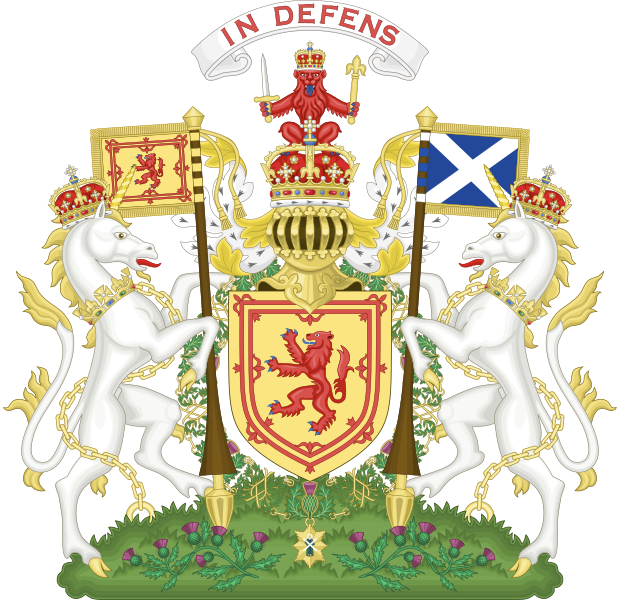
The Royal Coat of Arms of the Kingdom of Scotland
Encyclopaedia: ‘The Tudors descended in the female line from John Beaufort, one of the illegitimate children of John of Gaunt (third surviving son of Edward III), by Gaunt’s long-term mistress Katherine Swynford. Those descended from English monarchs only through an illegitimate child would normally have no claim on the throne, but the situation was complicated when Gaunt and Swynford eventually married in 1396 (25 years after John Beaufort’s birth). In view of the marriage, the church retroactively declared the Beauforts legitimate via a papal bull the same year.
John Beaufort’s granddaughter Lady Margaret Beaufort was married to Edmund Tudor. Tudor was the son of Welsh courtier Owain Tudur (anglicised to Owen Tudor) and Catherine of Valois, the widow of the Lancastrian King Henry V. Edmund Tudor and his siblings were either illegitimate, or the product of a secret marriage, and owed their fortunes to the goodwill of their legitimate half-brother King Henry VI. When the House of Lancaster fell from power, the Tudors followed. By the late 15th century, the Tudors were the last hope for the Lancaster supporters. Edmund Tudor’s son became king as Henry VII [in 1485 to 1509] after defeating Richard III at the battle of Bosworth Field in 1485, winning the Wars of the Roses. King Henry married Elizabeth of York, daughter of Edward IV, thereby uniting the Lancastrian and York lineages.’
One of the two most illustrious monarchs of the Tudor line was Henry VIII, who reigned from 1509 to 1547 and the son of Henry VII and Elizabeth of York. With William the Conqueror, he helped shape the future of the monarchy more than any other monarch. ‘King Henry VIII’s break with the Catholic Church is one of the most far-reaching events in English history – Article: The Seven Churches – A Message for the Church of God in the Latter Days. During the Reformation, the King replaced the Pope as the Head of the Church in England, causing a bitter divide between Catholics and Protestants. Yet ironically, despite breaking with Rome and overthrowing the authority of the Pope, Henry never became a Protestant himself. However, Edward VI from 1547 to 1553, the son he eventually had with this third wife Jane Seymour, was raised Protestant.’
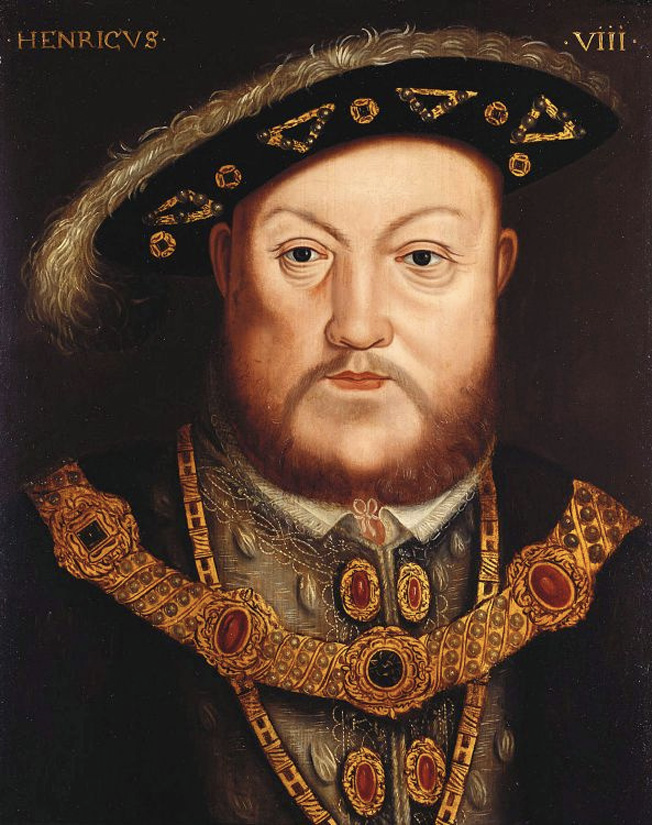
Henry VIII
Royal Museums Greenwich: ‘For a Tudor king, having a strong line of succession and a male heir to the throne was imperative. After Henry VII defeated Richard III in 1485 he became the first Tudor king. Although he had secured the throne, the fact that he had done so through violence rather than lineage made his position unstable. This meant that for his son Henry VIII, a male heir was key to continuing the line of Tudor kings. Having a male heir would stabilise Henry’s power.
In 1509 Henry married his first wife Catherine of Aragon. Catherine of Aragon had been the wife of Henry’s older brother, Arthur, who had died aged 15. When Arthur died Henry became first in line to the throne. Henry’s father, Henry VII died in 1509. A few months later, Henry was married and had been crowned King Henry VIII. Although Catherine was pregnant seven times during her marriage to Henry, only one baby survived past infanthood – their daughter Mary. This was bad news for Henry, who wanted a male heir to carry on the Tudor line. Henry did not see his daughter as an heir at all.
After Catherine’s ‘failure’ to produce an heir, Henry became interested in one of Catherine’s ladies-in-waiting, Anne Boleyn. This loss of interest in Catherine was partly because Henry believed that his lack of heir was punishment from God for marrying his brother’s wife. Henry wanted to marry Anne Boleyn, and believed she could produce an heir, but he was still married to Catherine. When he discovered that Anne Boleyn was pregnant, Henry arranged to marry her in secret at Whitehall Palace – this marked the beginning of the break with Rome.’
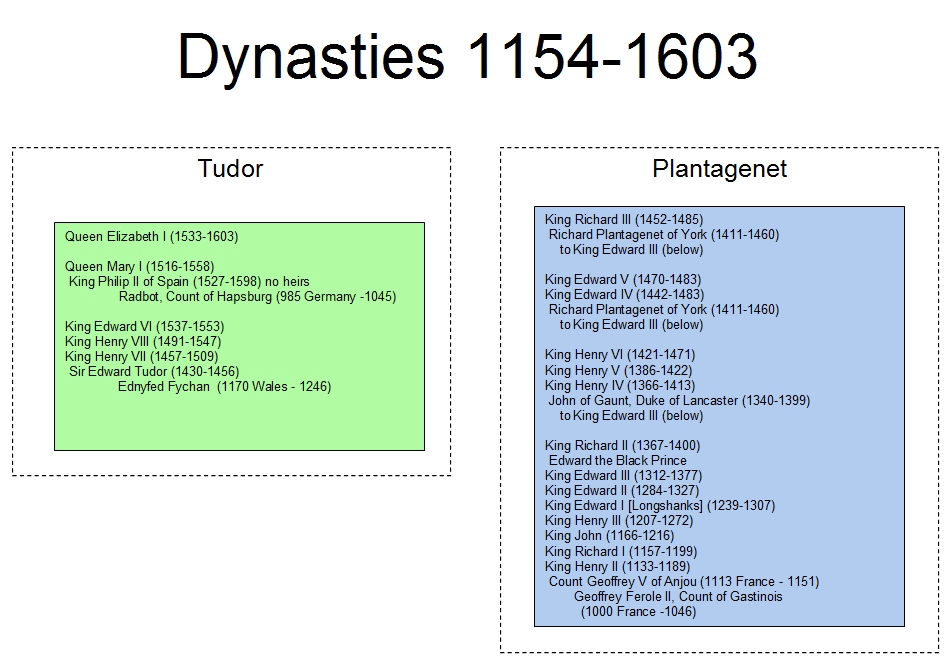
‘Henry had asked Pope Clement VII for his marriage to Catherine to be dissolved, but the Pope would not agree. Part of the reason that the Pope refused was because Charles V, the Holy Roman Emperor, had taken control of Rome – and Charles V was Catherine’s nephew. When Henry secretly married Anne, he was excommunicated from the Catholic Church. In 1534 however, Henry pushed through the Act of Supremacy. The Act made him, and all of his heirs, Supreme Head of the Church of England. This meant that the Pope no longer held religious authority in England, and Henry was free to divorce Catherine. Henry and Anne did have a child, but it was another girl.’ She would become Elizabeth I, reigning from 1558 to 1603 – the other Tudor monarch of accomplishment who presided over the beginning of colonial America and the golden age of Britain.
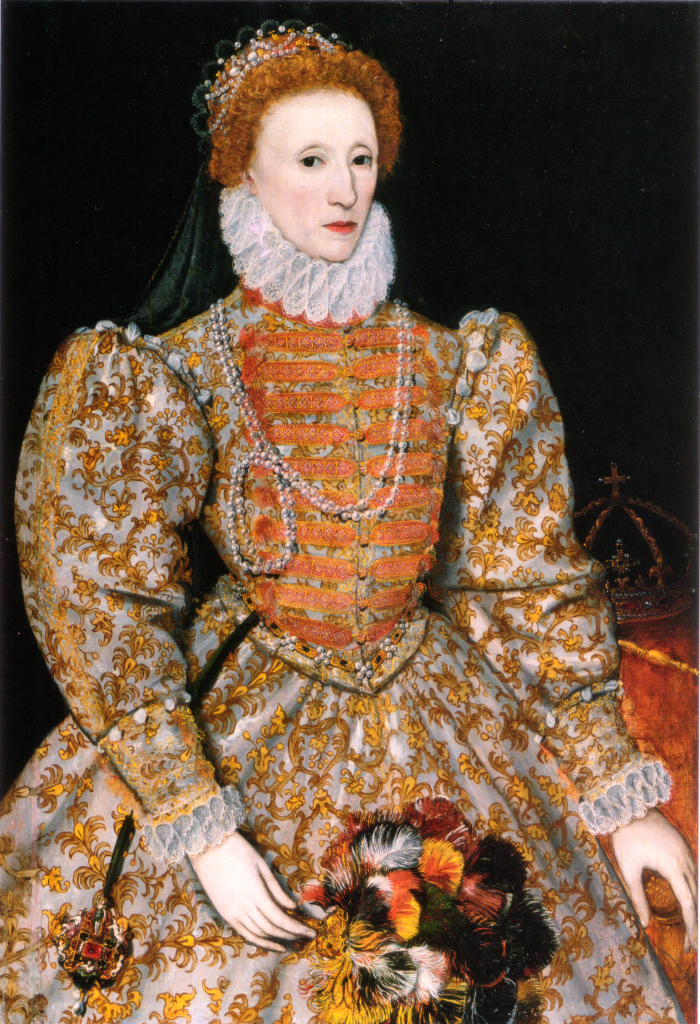
Elizabeth I: A redhead like her father Henry VIII
‘Henry went on to marry four more times in his quest for an heir. This break with Rome not only meant that Henry could divorce Catherine of Aragon. It also made him wealthy. The Crown seized the land that monasteries were stood on, and the goods and riches inside them were sold off. The monasteries were disbanded, Henry claimed their income, and the money was used to fund wars abroad and pay off debts.
After Henry died, his son Edward VI ruled as a Protestant king with the aid of his ‘protectors’ – he was only 15 years old. Laws were passed to enforce Protestant doctrine, and Catholic bishops were imprisoned in the Tower of London.’ Edward VI chose to name Lady Jane Grey – great granddaughter of Henry VII – as his heir in his will, in turn overruling the order of succession laid down by Parliament in the Third Succession Act.
Within four days after his death on 6 July 1553, Jane was proclaimed queen – the first of three Tudor women to be proclaimed queen regnant. Nine days after the proclamation, on July 19, the Privy Council switched its allegiance, proclaiming Edward VI’s Catholic half-sister Mary queen. Mary I reigned from 1553 to 1558. Jane was later executed for treason.
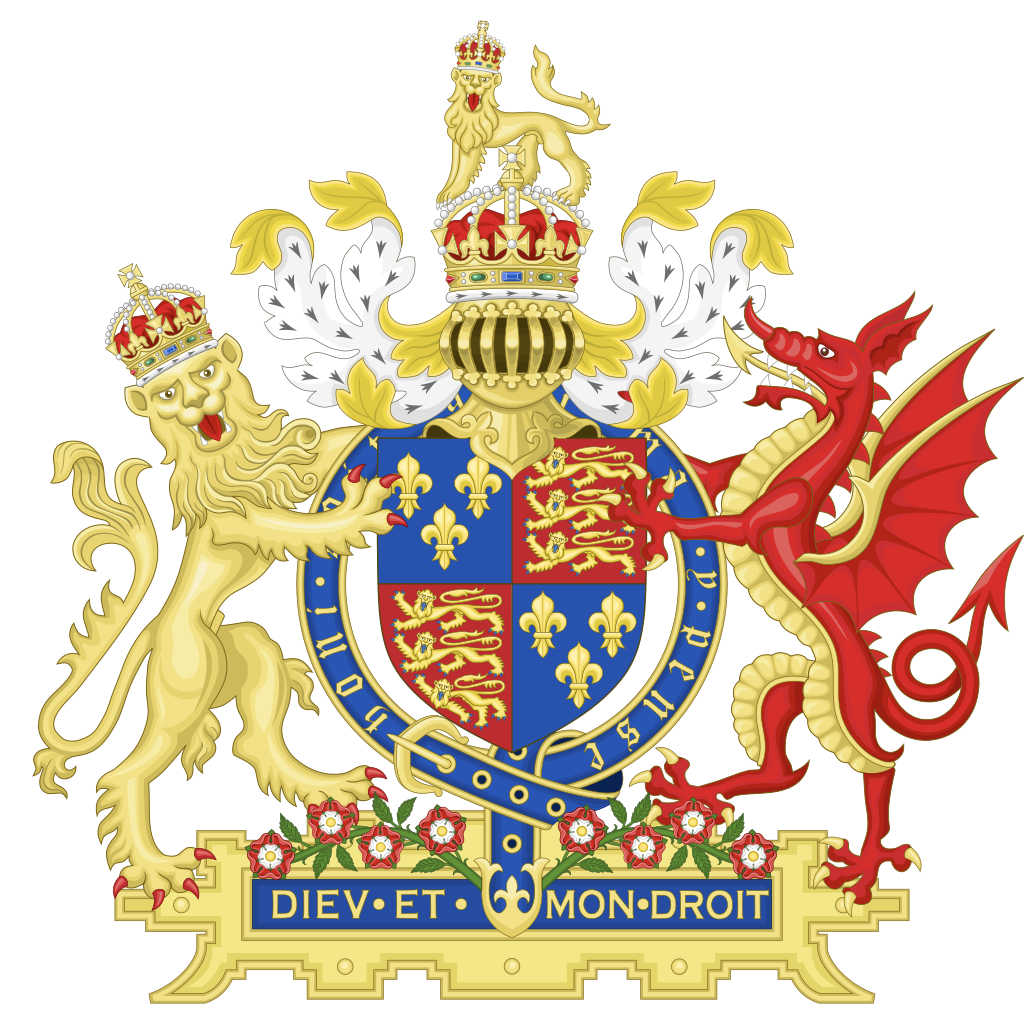
Coat of Arms of England: 1509 – 1603
Mary repealed the Act of Supremacy, restoring Catholicism in England. ‘Her persecution of Protestants earned her the nickname ‘Bloody Mary’. When Elizabeth I became Queen she attempted to please both sides. She restored the Act of Supremacy but named herself the ‘Supreme Governor’ rather than the Head of the Church of England. Elizabeth did not want foreign powers involved in the church or state, but also did not want to anger or upset either side.’ When Queen Elizabeth I died without apparent issue in 1603, the English and Welsh Tudor line ended and transferred to her Scottish Stewart first cousin twice removed, King James VI. Thereby inheriting the English crown as James I of England and Ireland and in the process joining the crowns of England and Scotland in personal union.
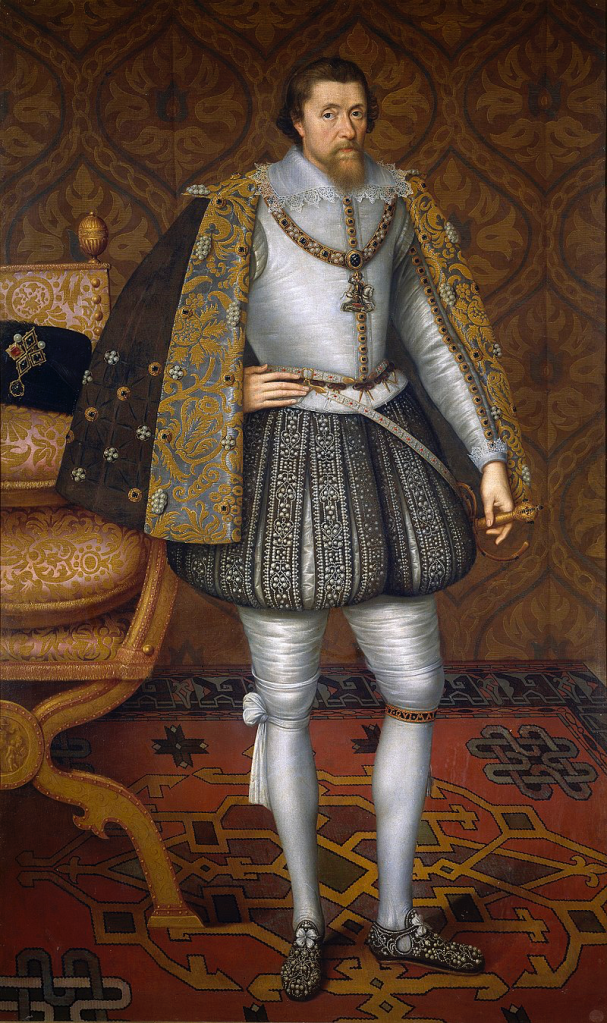
James VI of Scotland and James I of England
Encyclopaedia: ‘By royal proclamation, James styled himself “King of Great Britain”, but no such kingdom was actually created until 1707, when England and Scotland united during the reign of Queen Anne to form the new Kingdom of Great Britain, with a single British Parliament sitting at Westminster. This marked the end of the Kingdom of England as a sovereign state.’ While the two crowns remained separate the monarchy was based in England.
Charles I, from 1625 to 1649, James’s son, faced a Civil War. ‘The resultant conflict lasted eight years and ended in his execution. The English Parliament then decreed their monarchy to be at an end. The Scots Parliament, after some deliberation, broke their links with England and declared that Charles II, from 1649 to 1651 and again in 1660 to 1685, son and heir of Charles I, would become King. He ruled until 1651 when the armies of Oliver Cromwell occupied Scotland and drove him into exile.’
In England, no monarch reigned after the 1649 execution of Charles I. ‘Between 1649 and 1653, there was no single English head of state, as England was ruled directly by the Rump Parliament with the English Council of State acting as executive power during a period known as the Commonwealth of England. After a coup d’etat in 1653, Oliver Cromwell forcibly took control of England from Parliament. He dissolved the Rump Parliament at the head of a military force and England entered The Protectorate period, under Cromwell’s direct control with the title Lord Protector. It was within the power of the Lord Protector to choose his heir and Oliver Cromwell [1653-1658] chose his eldest son, Richard Cromwell [1658-1659], to succeed him.’ No rigged game there then. ‘Richard Cromwell was forcibly removed by the English Committee of Safety in May 1659. England again lacked any single head of state.
After almost a year of anarchy, the monarchy was formally restored [with the House of Stuart until 1707] when Charles II returned from France to accept the throne.’ Even so, Scotland’s rights were not respected. ‘During the reign of Charles II, the Scottish Parliament was dissolved and [his son] James was appointed Governor of Scotland. James II himself became James VII of Scotland in 1685. His Catholicism was not tolerated, [he was overthrown] and… driven out of England after three years in 1688.’
In his place, a Convention Parliament elected his daughter Mary and her husband William of Orange of the Netherlands, the ruler of the Dutch Republic – son of William II of Orange and Mary Stuart of England, daughter of Charles I, as co-regents in the Glorious Revolution. ‘The two were accepted as monarchs of Scotland after a period of deliberation by the Scottish Parliament and ruled together as William III, 1689 to 1702 and Mary II, 1689 to 1694. Mary II was a cousin of William of Orange – the daughter of James VII/II and his Protestant wife Anne Hyde.
An attempt to establish a Scottish colonial empire through the Darien Scheme, in rivalry to that of England, failed, leaving the Scottish nobles who financed the venture for their profit bankrupt. This coincided with the accession of Queen Anne [1702-1707, 1707-1714] Queen of Great Britain, daughter of James VII and Anne Hyde. Anne had multiple children but none of these survived her, leaving as heir her half-brother, James [the son of James II/VII], then living in exile in France.
The English [favoured] the Protestant Sophia of Hanover (a granddaughter of James VI/I) as heir. Many Scots preferred Prince James, who as a Stuart was a Scot by ancestry, and threatened to break the Union of Crowns between England and Scotland by choosing him for themselves. To preserve the union, the English elaborated a plan whereby the two Kingdoms of Scotland and England would merge into a single Kingdom, the Kingdom of Great Britain, ruled by a common monarch, and with a single Parliament. Both national parliaments agreed to this (the Scots albeit reluctantly, motivated primarily by the national finances), and some subterfuge as a total majority of signatories were needed to ratify the Scottish parliament’s assent, bribes, and payments. Thereafter, although monarchs continued to rule over the nation of Scotland, they did so first as monarchs of Great Britain, and from 1801 of the United Kingdom.’
Therefore Queen Anne in 1707 became the last monarch of the ancient kingdoms of Scotland and England and the first of Great Britain, though the kingdoms had shared a monarch since the Union of the Crowns in 1603 and the ascension of James I of England. Anne’s Uncle Charles II, was the last monarch to be crowned in Scotland, at Scone in 1651 and he had a second coronation in England ten years later.
Encyclopaedia: ‘James VII continued to claim the thrones of England, Scotland, and Ireland. When he died in 1701, his son James [Francis Edward] inherited his father’s claims and called himself James VIII of Scotland and III of England and Ireland. He would continue to do so all his life’ – until his death in 1766 – ‘even after the Kingdoms of England and Scotland were ended by their merging as the Kingdom of Great Britain.’ He was known as the Old Pretender.
‘In 1715, a year after the death of his half-sister, Queen Anne, and the accession of their cousin George of Hanover, James landed in Scotland and attempted to claim the throne. He failed and was forced to flee back to the Continent. A second attempt by his son, Charles on behalf of his father, in 1745, also failed.’ Each being Catholic were barred from the throne by the Act of Settlement in 1701, enacted by Queen Anne.
“Charles III”… known as The Young Pretender and… called Bonnie Prince Charlie, son of James VIII, was claimant from his father’s death until his [own] death in 1788 without legitimate issue. “Henry I”, brother of Charles III and youngest son of James VIII, died unmarried in 1807. Both James’s children died without legitimate issue, bringing the Stuart family to an end. After 1807, the Jacobite claims passed first to the House of Savoy (1807–1840), then to the Modenese branch of the House of Habsburg-Lorraine (1840–1919), and finally to the House of Wittelsbach (since 1919). The current heir is Franz, Duke of Bavaria. Neither he nor any of his predecessors since 1807 have pursued their claim.’
The kings named Charles I and Charles II, did not have an easy time of it as monarchs, with the first finding death by execution at a time when the monarchy fell into deep dissatisfaction in England and the second’s reign disrupted by the same civil war which had killed his father. Then the pretender, Charles III who nearly became King of Great Britain. His Catholic status and deviance from defending the faith of the Church of England a stumbling block in his kingly ambitions. Ironic then that Charles Windsor in the shadow of an earlier Charles III, should choose to lessen the role of the Church of England for all intent and purpose as now the defender of all faiths.
Charles claims he is a “committed Anglican” and he did swear at his coronation to uphold “the laws of God and the true profession of the gospel, maintain the Protestant Reformed religion established by law and preserve inviolably the settlement of the Church of England, and the doctrine, worship, discipline and government thereof, as by law established.” Yet in the coronation oath, for the very first time, it was prefaced with the following: “the church established by law, whose settlement you will swear to maintain… will seek to foster an environment in which people of all faiths and beliefs may live freely.”
King Charles has shared: “By my most profound convictions… I hold myself bound to respect those who follow other spiritual paths, as well as those who seek to live their lives in accordance with secular ideals.” What other spiritual paths might that include one wonders? One of no faith; one of Catholicism; one of Jediism inspired by Star Wars and included on the national census once a decade; one of Witchcraft even; or one of Satanism perhaps? We will return to this thought. It means that his mother Queen Elizabeth II, was the last ‘Christian’ monarch.
Just as interesting is the fact that Charles could have chosen a different regal name, yet chose to stay with an ill-omened title – that may be prove to be a poisoned chalice – already used by the pretender, the first Charles III. Those who give credence to ill portents do not view this favourably… perceiving it an auspice of foreboding surrounding this Charles III’s reign. The name Charles has a French and English origin. It is the French spelling of the Germanic name Karl or Carl and is derived from the Old English word ceorl, meaning ‘free man.’ The word ceorl was used to distinguish a free person from a bondsman or slave (‘thew’) and a noble person (‘eorl’). The name can also mean, ‘man’ or ‘army.’ The royal name began as Charlemagne before being shortened to Charles – Chapter XXVI The French & Swiss: Moab, Ammon & Haran.
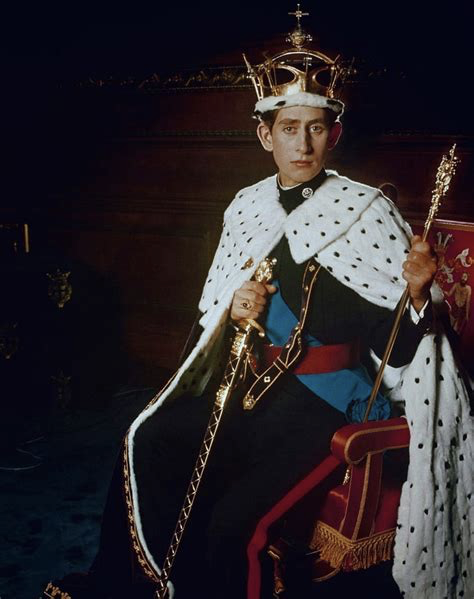
The man who would be king
Ella Creamer: ‘Charles was bullied at school – children called him “fatty” and picked on his prominent ears. His great-uncle, Earl Mountbatten, urged Charles’ parents to have them surgically pinned back to no avail.’
After Queen Anne, the semblance of a wholly British monarchy – which had taken a minor turn with the deposing of the Stewart king, James II and replacing him with William of Orange of the Netherlands – took a major turn when the Hanoverian George Ludwig Duke of Brunswick-Luneburg became the British king. Some will argue, that while originating from Germany, George Louis was still the son of Sophia, who in turn was a granddaughter of James VI/I. Similarly, William of Orange was the son of Mary II. This is true, though so is the fact that this line of related peoples was also marrying non-British people, particularly from Germany and Scandinavia. With the result that these ‘related’ descendants were being selected for the monarchy.
We will return to this question in answering how ‘English’ the current monarch is? Put another way, how visible is the thread of a Judaic lineage from the tribe of Judah? If the royal line, say from William the Conqueror has intermingled over the course of a thousand years – and particularly during the past three hundred years – then with whose blood predominantly has it been mixing with? Does it have per chance, a biological, symbolic or prophetic significance?
Encyclopaedia: ‘The House of Hanover (German: Haus Hannover) is a European royal house with roots tracing back to [only as recently as] the 17th century. Its members… ruled Hanover, Great Britain, Ireland and the British Empire at various times during the 17th to 20th centuries. Originating as a cadet branch of the House of Welf in 1635, also known then as the House of Brunswick-Luneburg, the Hanoverians ascended to prominence with Hanover’s elevation to an Electorate in 1692.
In 1714 George I, prince-elector of Hanover… assumed the throne of Great Britain and Ireland… At the end of his line, Queen Victoria’s death in 1901, the throne of the United Kingdom passed to her eldest son Edward VII, a member of the House of Saxe-Coburg and Gotha, through his father Albert, Prince Consort. The last reigning members of the House of Hanover lost the Duchy of Brunswick in 1918 when Germany became a republic. The current head of the House of Hanover is Ernest Augustus, Prince of Hanover – born in 1983.’
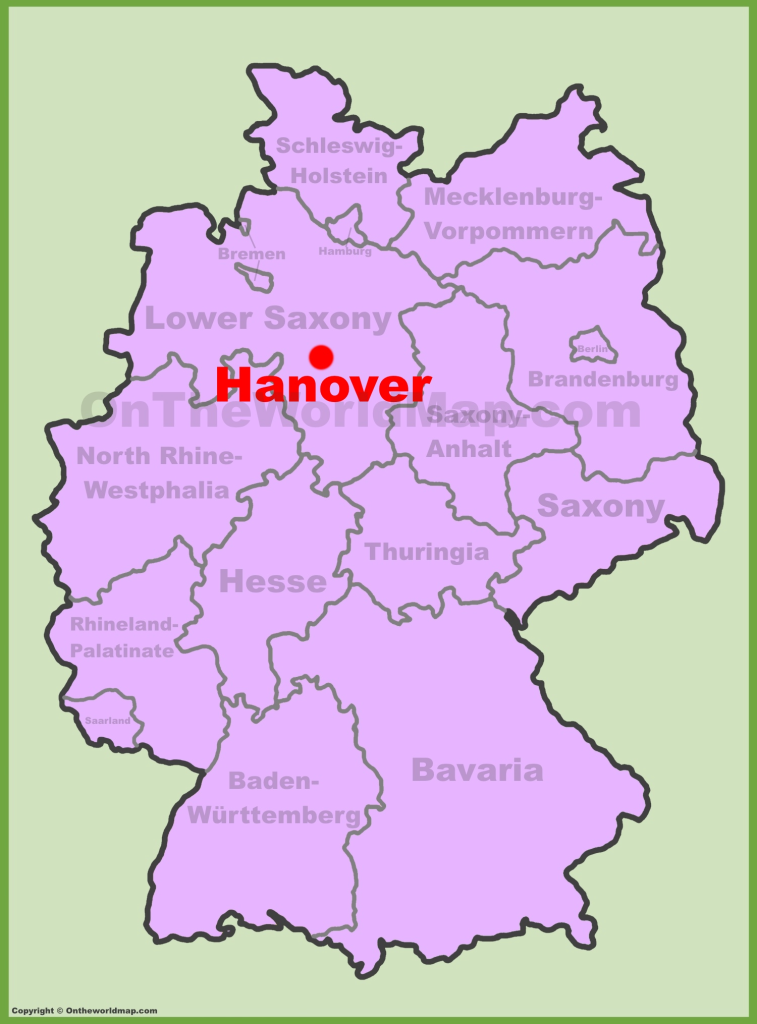
Ernest Augustus, from 1679 to 1698, was the 4th son of Duke George. Ernest Augustus’s wife, Sophia of the Palatinate was declared heiress of the throne of England by the Act of Settlement. Sophia was at that time the senior eligible Protestant descendant of James I of England. The Hanover dynasty provided six British monarchs:
George I – 1714-1727
George II – 1727-1760
George III – 1760-1820
George IV – 1820-1830
William IV – 1830-1837
Victoria – 1837-1901
George I, George II, and George III served as dual monarchs of Britain and Hanover, maintaining control of the Hanoverian Army and foreign policy. ‘From 1814, when Hanover became a kingdom following the Napoleonic wars, the British monarch was also King of Hanover. Upon the death of William IV in 1837, the personal union of the thrones of the United Kingdom and Hanover ended. Succession to the Hanoverian throne was regulated by semi-Salic law (agnatic-cognatic), which gave priority to all male lines before female lines, and so it passed not to Queen Victoria but to her uncle, the Duke of Cumberland. The Kingdom of Hanover ended in 1866, when it was annexed by the Kingdom of Prussia, and the King of Hanover (and Duke of Cumberland) was forced to go into exile in Austria. The 1866 rift between the houses of Hanover and Hohenzollern was settled by the 1913 marriage of Princess Viktoria Luise of Prussia to Ernest Augustus, Duke of Brunswick, the last king’s grandson.’
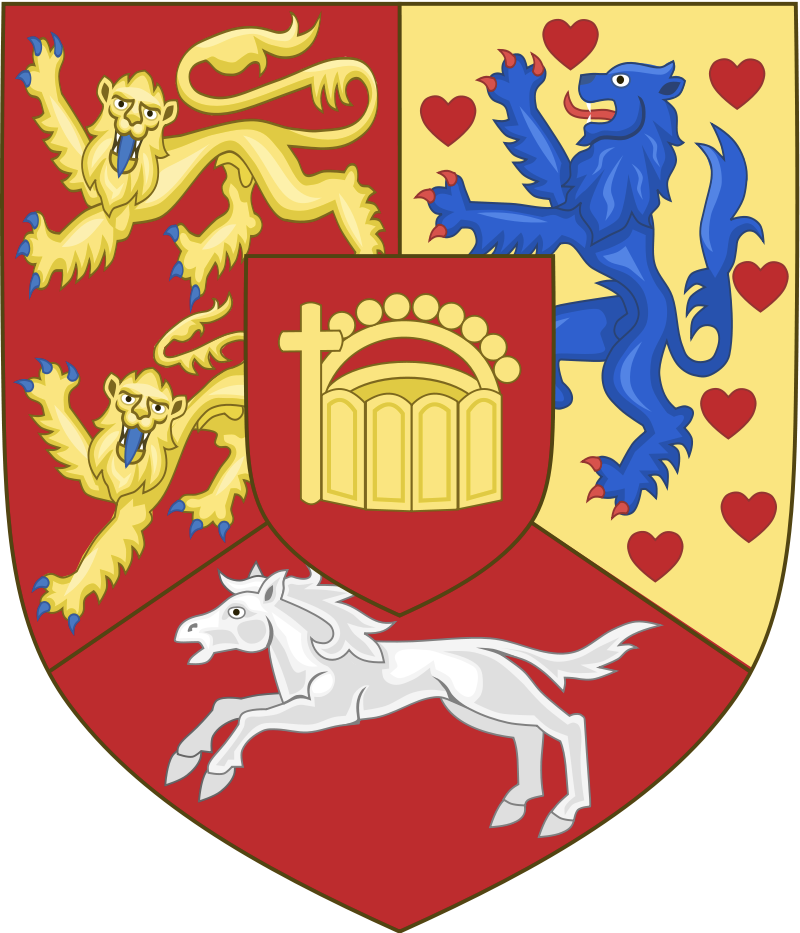
Royal Shield of Arms of the Kingdom of Hanover
Until Queen Elizabeth II (69 years), Queen Victoria was the longest reigning British monarch (64 years). She was born Princess Alexandrina Victoria of Kent in Kensington Palace, London. Her parents were Prince Edward, Duke of Kent and Strathearn and Feodora – born in Coburg – Princess of Hohenlohe-Langenburg. Victoria’s mother made sure that her daughter kept in touch with their German roots, speaking primarily German in the house. German was in fact Queen Victoria’s first language as a child.
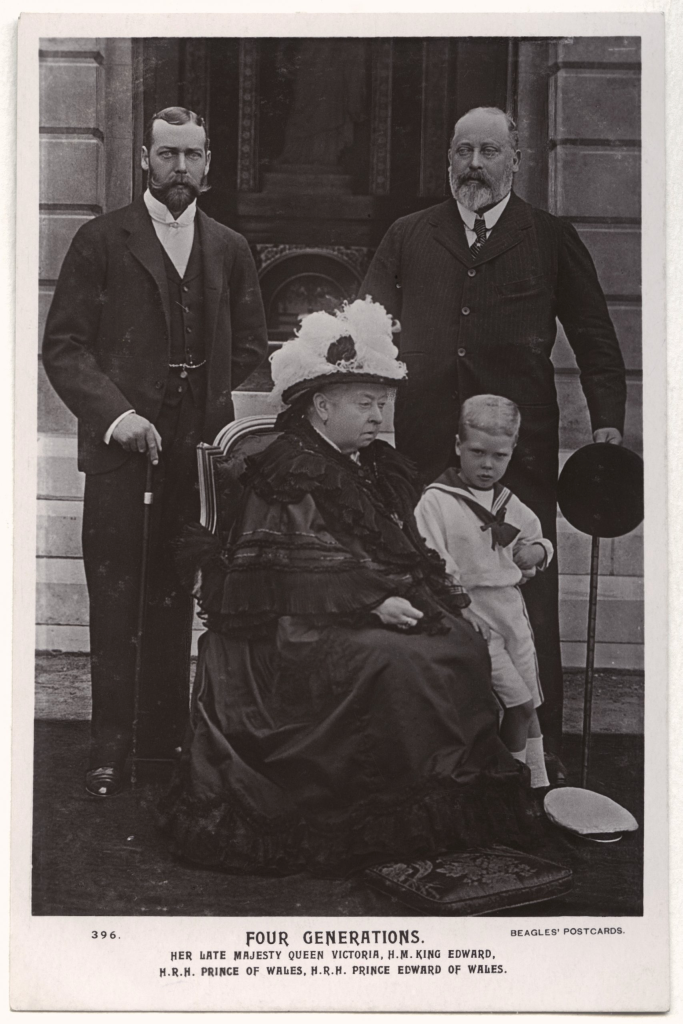
Queen Victoria with her son, who would become King Edward VII; her grandson, the future King George V; and her great grandson, Edward VIII who would abdicate
World History EDU: ‘When Victoria was born, her father and [three] other uncles were… ahead of her in the line of succession. With her father’s death 8 months after her birth, Victoria became the 4th in line for the throne. Fate [would] have it that all [three] of her uncles (Prince George, the Duke of Cornwall; Prince Fredrick, the Duke of York; and Prince William, the Duke of Clarence) left no legitimate heir to the British throne. The onus was on Victoria to steer the affairs of the empire right from age 18. In retrospect, the empire could not have gotten a king or queen better than Victoria. She is famed to have fixed the deplorable image (of the royal family) left behind by her uncles (George IV and William IV). The Queen breathed new life into not just British monarchy but in monarchies all across Europe.’
In fact Victoria’s mother, Feodora endeavoured to keep her daughter far away from her uncles’ court. One wonders what impact royal endogamy played in the unsavouriness of George IV, William IV, or in the ‘madness’ of King George III; who suffering from psychiatric illness, is blamed for losing the American colonies.
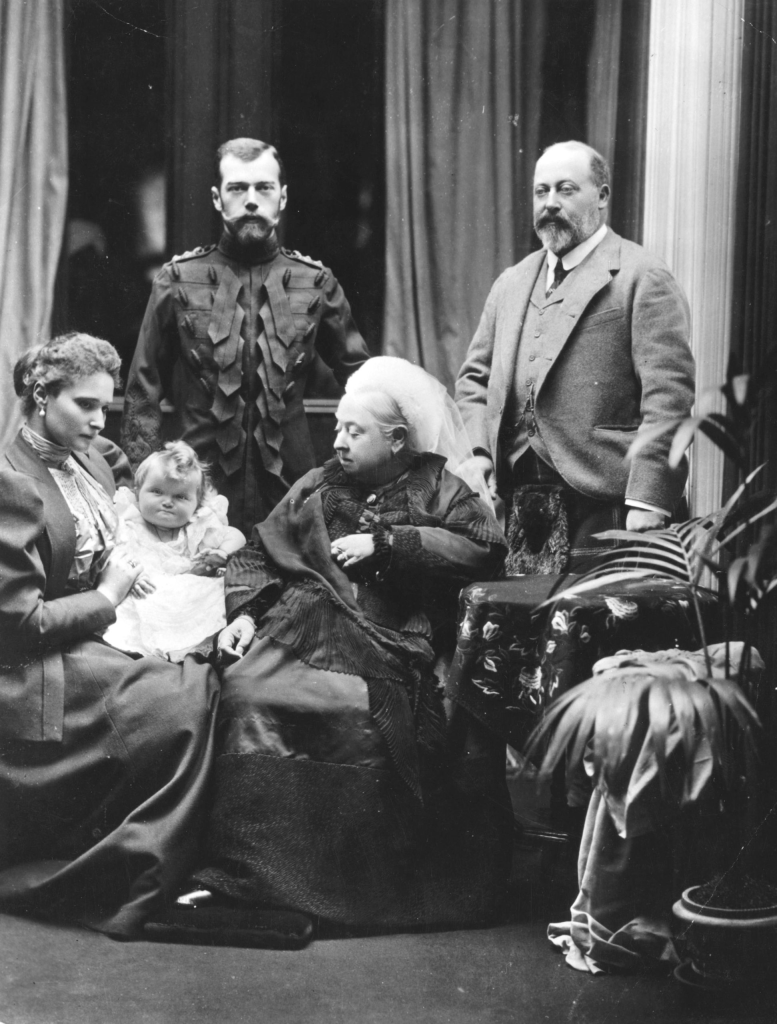
1896: Queen Victoria; her son Albert [Edward VII]; Tzar Nicholas II, distantly related to Victoria; and Victoria’s granddaughter, Tzarina Alexandra Feodorovna – Princess Alix of Hesse and by Rhine
Queen Victoria had nine children. Victoria’s second child Albert Edward succeeded her as Edward VII and her fourth child and second son was Alfred. Her reign was described as and typified by the Victorian era, which saw the United kingdom evolve in several spheres: scientifically, politically, culturally and industrially, catapulting Great Britain as the most influential and dominant power in the world. Victoria expanded the British Empire across the globe including Africa and Asia, where she became the Empress of India in 1877. Victoria sensationally survived six assassination attempts on her life. She redeveloped Buckingham Palace through massive reconstruction, making it the seat of power for subsequent British monarchs.
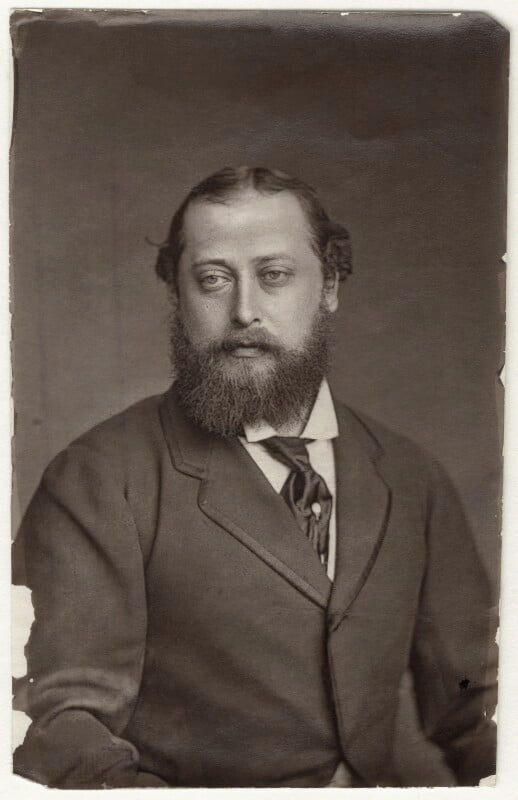
Victoria’s son Albert Edward, the Prince of Wales as a young man
Returning to George III, History Channel: ‘England’s longest-ruling monarch before Queen Victoria, King George III (1738-1820) ascended the British throne in 1760. During his 59-year reign, he pushed through a British victory in the Seven Years’ War, led England’s successful resistance to Revolutionary and Napoleonic France, and presided over the loss of the American Revolution. After suffering intermittent bouts of acute mental illness, he spent his last decade in a fog of insanity and blindness.
George III was the first Hanoverian king born in England rather than Germany. His parents were Frederick, Prince of Wales and Augusta of Saxe-Gotha. On his father’s death in 1751, the 12-year-old George became Prince of Wales. George III became king of Great Britain and Ireland in 1760 following his grandfather George II’s death. In his accession speech to Parliament, the 22-year-old monarch played down his Hanoverian connections. “Born and educated in this country,” he said, “I glory in the name of Britain.” A year after his coronation, George was married to Charlotte of Mecklenburg-Strelitz, the daughter of a German duke. It was a political union – the two met for the first time on their wedding day – but a fruitful one; Queen Charlotte gave birth to 15 children.’
Georges’s illnesses have been blamed on a genetic blood disorder called porphyria. Symptoms include aches, pains and blue urine. Yet researchers have thrown doubt on the cause of George’s blue urine. For his medical records show that the king was given medicine based on gentian. This plant, with its deep blue flowers, is still used today as a mild tonic, but may turn the urine blue. A research project based at St George’s, University of London, concluded that George III did actually suffer from mental illness.
BBC News: ‘Using the evidence of thousands of George III’s own handwritten letters, Dr Peter Garrard and Dr Vassiliki Rentoumi have been analysing his use of language. They have discovered that during his episodes of illness, his sentences were much longer than when he was well. A sentence containing 400 words and eight verbs was not unusual. George III, when ill, often repeated himself, and at the same time his vocabulary became much more complex, creative and colourful. These are features that can be seen today in the writing and speech of patients experiencing the manic phase of psychiatric illnesses such as bipolar disorder.’ A sinister explanation for the cause of George’s madness was put forward after a 2005 analysis of hair samples, which suggested ‘arsenic poisoning (from medicines and cosmetics) as a possible cause.’
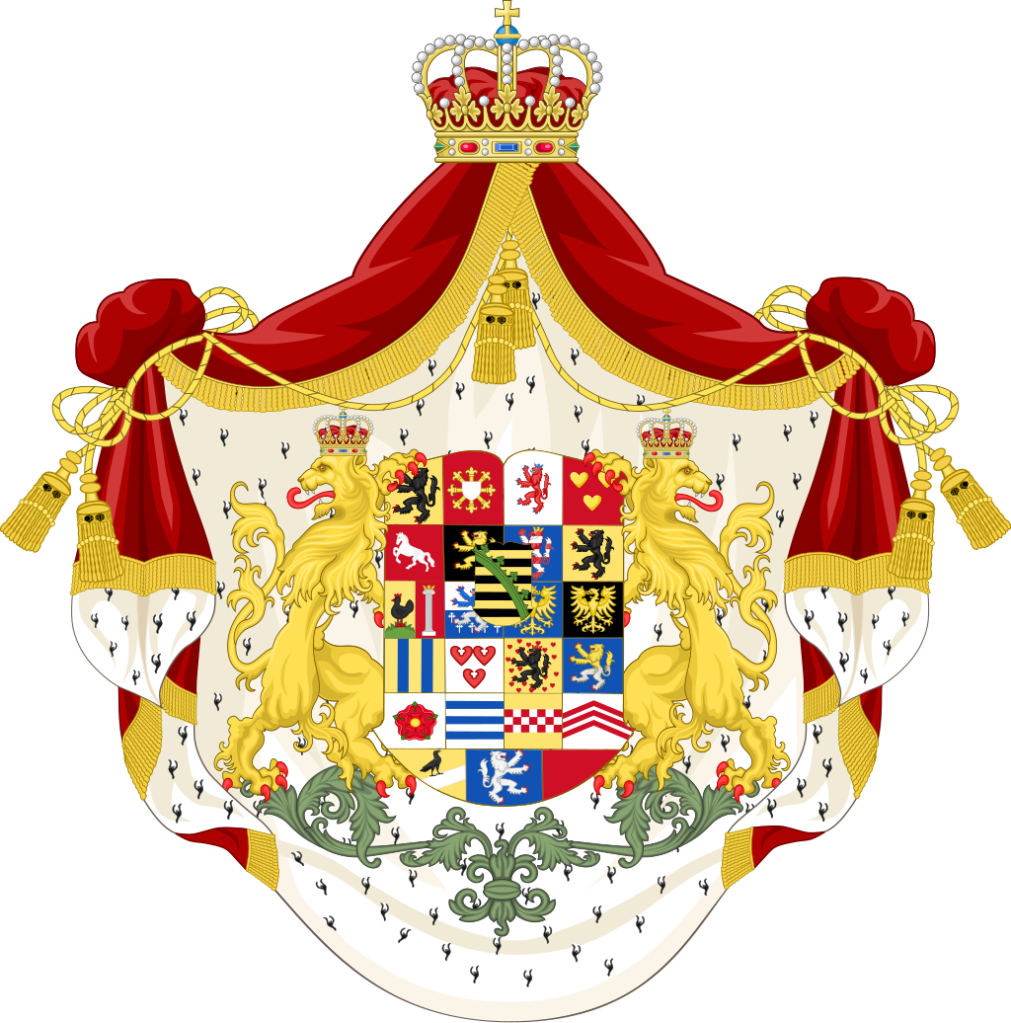
Coat of Arms of the Duchy of Saxe-Coburg and Gotha
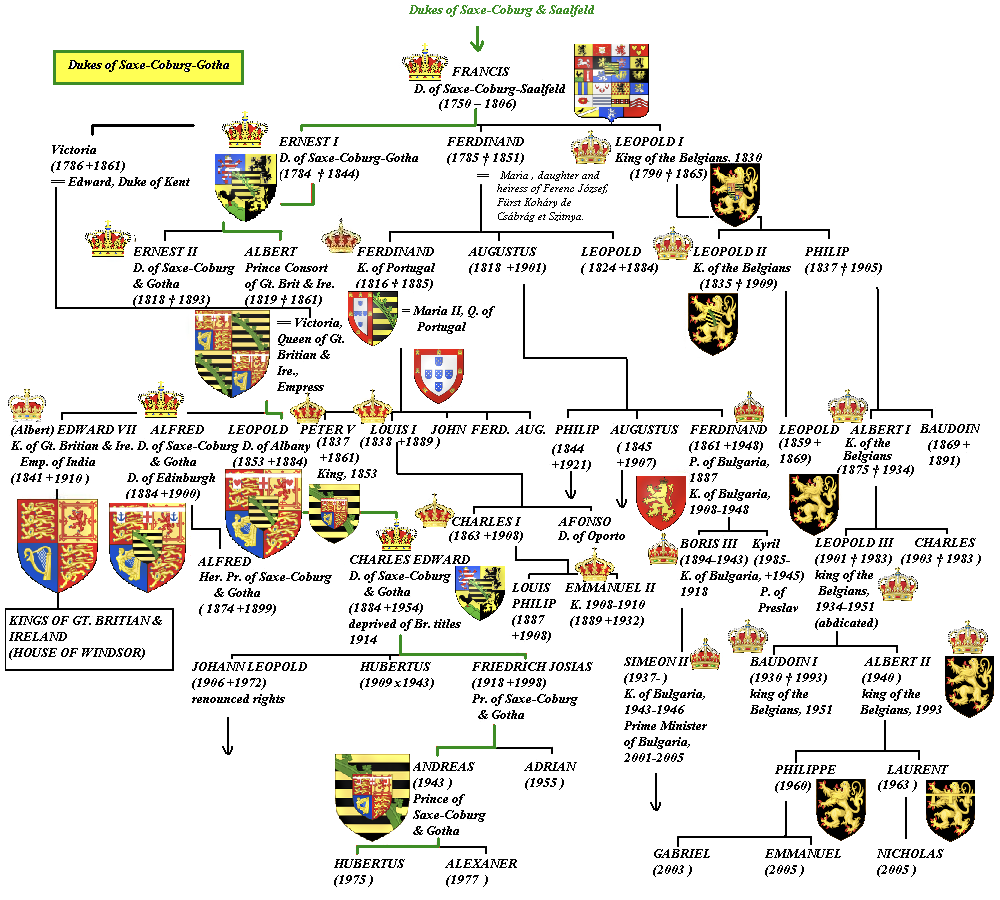
Encyclopaedia: ‘The House of Saxe-Coburg and Gotha… German: Haus Sachsen-Coburg und Gotha)… takes its name from its oldest domain, the Ernestine duchy of Saxe-Coburg and Gotha, and its members… sat on the thrones of Belgium, Bulgaria, Portugal, and the United Kingdom and its dominions. Founded in 1826 by Ernest Anton, the sixth duke of Saxe-Coburg-Saalfeld, it is a cadet branch of the Saxon House of Wettin. One agnatic branch currently reigns in Belgium – the descendants of Leopold I – and another reigned until the death of Elizabeth II in the United Kingdom – the descendants of Albert, Prince Consort.’
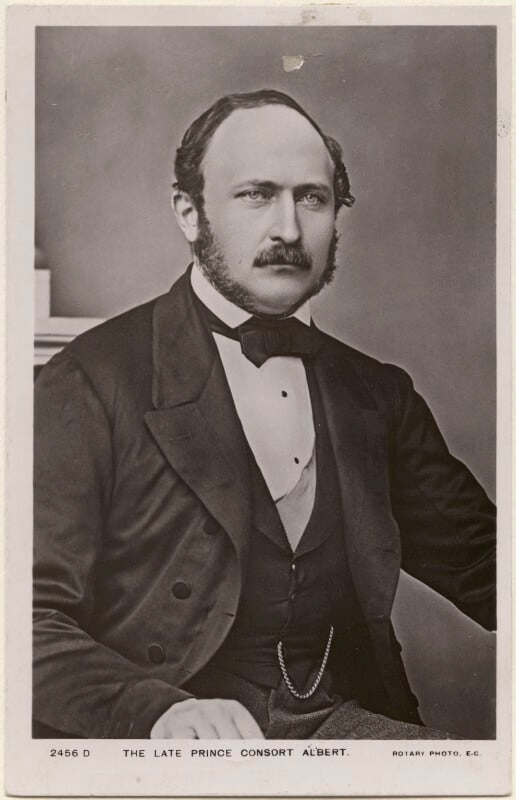
Prince Albert
‘In 1917, the First World War caused the British king George V [1910-1936] to officially change the name from “Saxe-Coburg and Gotha” to [the very English sounding] “Windsor” in the United Kingdom.
In 1893, the reigning duke Ernest II died childless, whereupon the throne would have devolved, by male primogeniture, upon the descendants of his brother Prince Albert. However, as heirs to the British throne, Albert’s descendants consented… [to] the law of the duchy [being] ratified [so] that the ducal throne would not be inherited by the British monarch or heir apparent. Therefore, the German duchy became a secundogeniture, hereditary among the younger princes of the British royal family who belonged to the House of Wettin, and their male-line descendants.
Instead of Albert Edward, Prince of Wales (the future Edward VII of the United Kingdom [king from 1901 to 1910]) inheriting the duchy, it was diverted to his next brother, Prince Alfred, Duke of Edinburgh. Upon the latter’s death without surviving sons, it went to the youngest grandson of Prince Albert and Queen Victoria, Prince Charles Edward, Duke of Albany. Patrilineality descent as reckoned from father to son, had historically been the principle determining membership in reigning families until late in the 20th century, thus the dynasty to which the monarchs of the House of Saxe-Coburg-Gotha belonged genealogically throughout the 1900s is the House of Wettin, despite the official use of varying names by different branches of the patriline.’
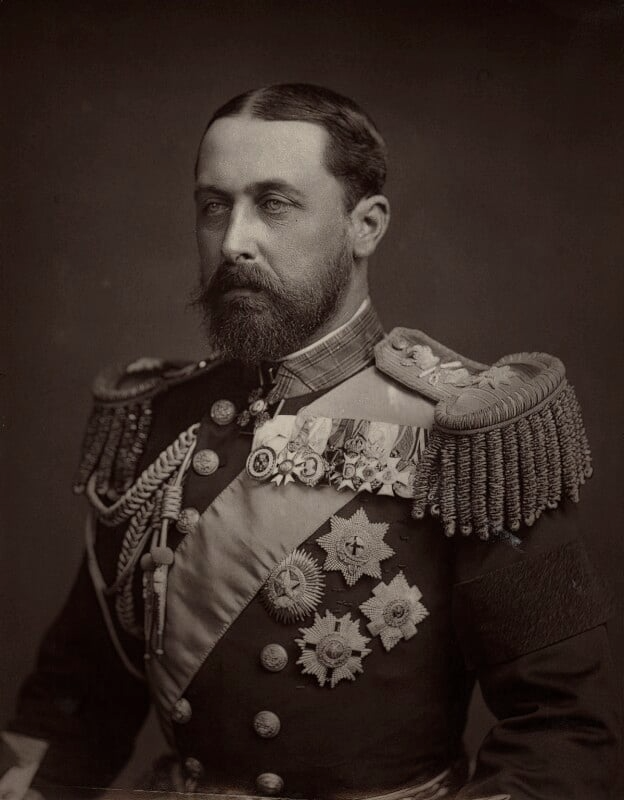
Prince Alfred, Duke of Edinburgh
The ascension of Queen Victoria’s eldest son saw a change of house, in keeping with his father’s Prince Albert’s royal pedigree. Another turn of the dial in the British monarchy becoming increasingly German, not just in name but genetically. Thus with George V, the House of Saxe-Coburg-Gotha ended in name and the subsequent monarchs have been known as the House of Windsor:
Edward VIII – 1936, 325 days;
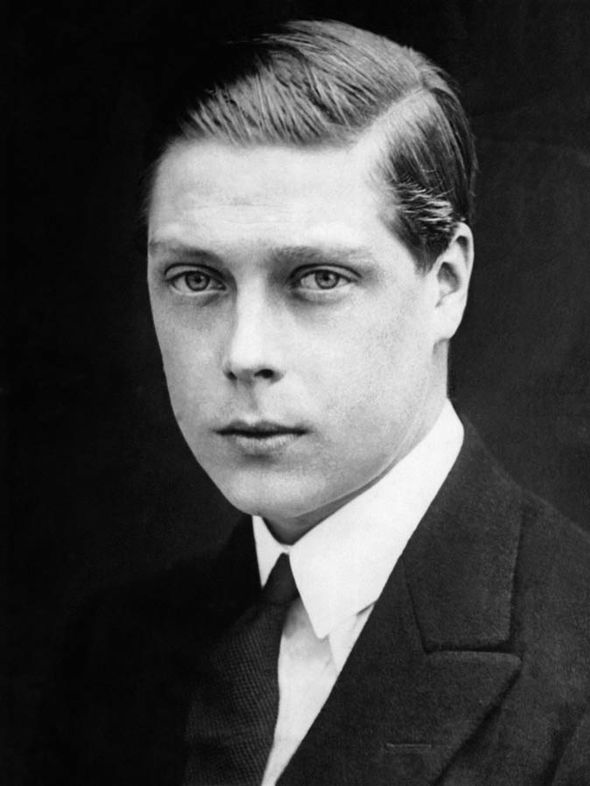
Edward VIII brother of George VI
George VI – 1936 to 1952;
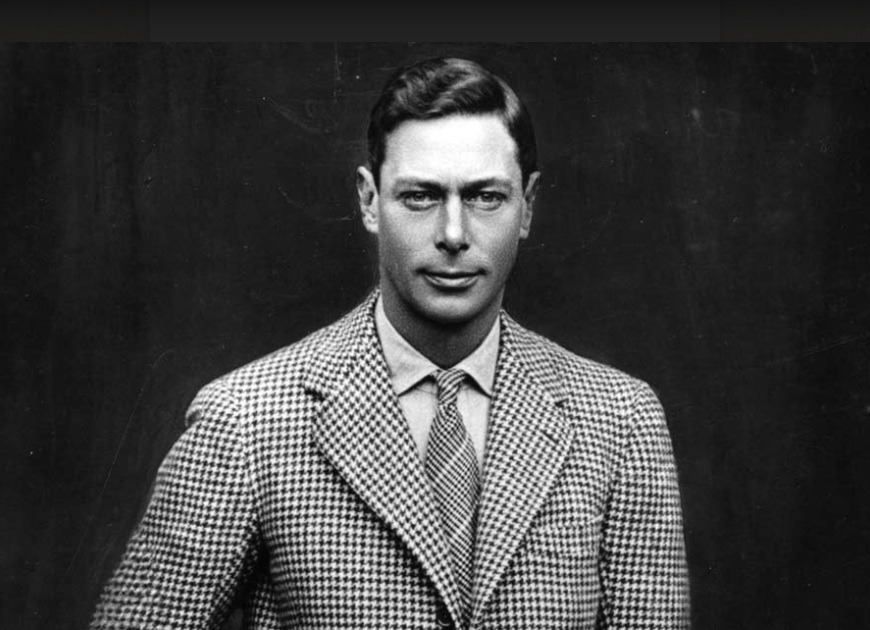
George VI father of Queen Elizabeth II
Elizabeth II – 1953 to 2022.
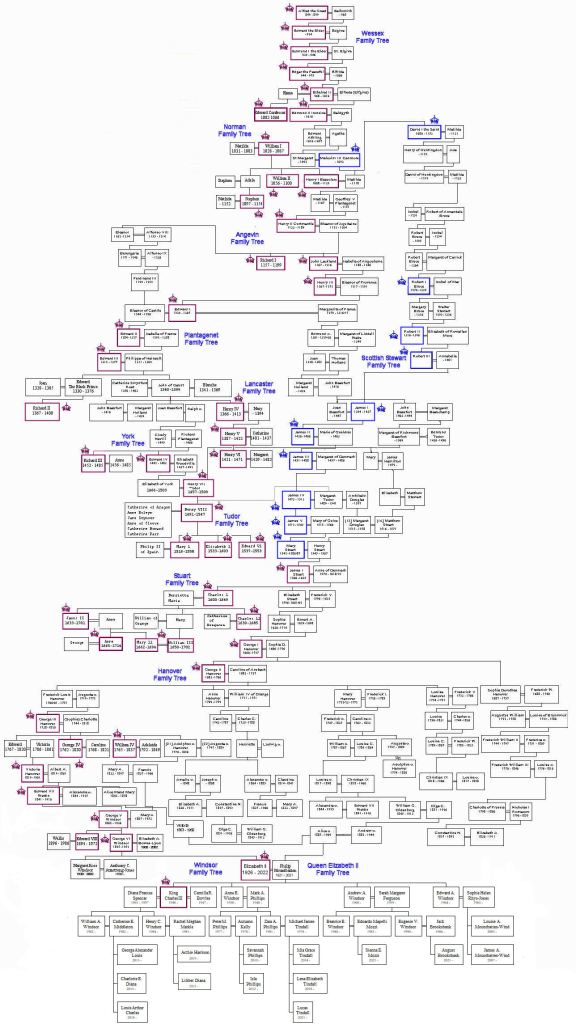
While King Charles III is the 41st monarch since William the Conqueror and remains the fifth monarch of the House of Windsor, history may well record him as the first monarch of the Mountbatten family a branch of yet another German house, the House of Battenberg.
Encyclopaedia: ‘The Mountbatten family… name was adopted on 14 July 1917, three days before the British royal family changed its name from “Saxe-Coburg and Gotha” to “Windsor”, by members of the Battenberg family residing in the United Kingdom, due to rising anti-German sentiment among the British public during World War I. The name is a direct Anglicisation of the German Battenberg, the name of a small town in Hesse. The titles of count and later prince of Battenberg had been granted in the mid-19th century to a morganatic branch of the House of Hesse-Darmstadt, itself a cadet branch of the House of Hesse’ and rulers of the Grand Duchy of Hesse in Germany.
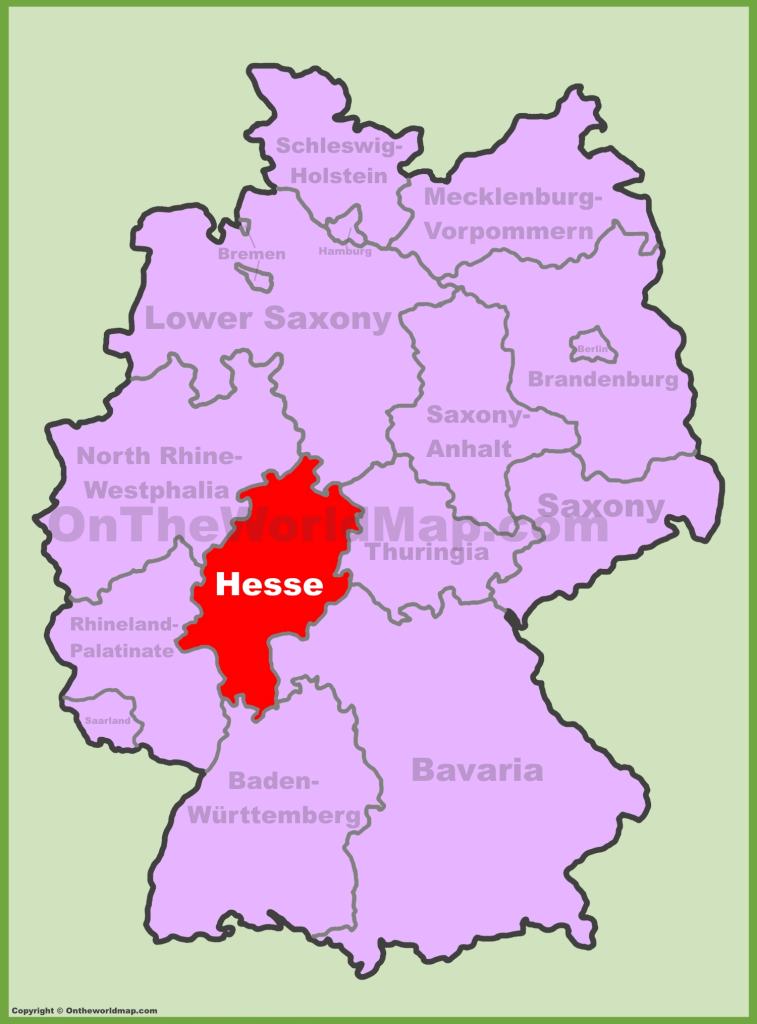
‘The first member of the House of Battenberg was Julia Hauke… [and] on the occasion of her… marriage to Prince Alexander of Hesse and by Rhine… Julia was elevated in her title to Princess of Battenberg… in 1858. Two of Alexander and Julia’s sons, Prince Henry… and Prince Louis… became associated with the British Royal Family. Prince Henry married The Princess Beatrice, the youngest daughter of… Victoria. Prince Louis married Victoria’s granddaughter, Princess Victoria of Hesse and by Rhine, and became the First Sea Lord of the Royal Navy. Due to anti-German feelings… Prince Louis, his children, and his nephews (the living sons of Prince Henry), renounced their German titles and changed their name to the more English sounding Mountbatten. (They rejected an alternative translation, “Battenhill”.)
The late Prince Philip, Duke of Edinburgh.., adopted the surname of Mountbatten from his mother’s family in 1947, being a member of the House of Schleswig-Holstein-Sonderburg-Glucksburg by patrilineal descent. In 1952, on the accession of his wife as Queen Elizabeth II, there was some dispute regarding the dynasty to which descendants of Elizabeth and Phillip would belong. Queen Mary (the new Queen’s grandmother) expressed to Prime Minister Winston Churchill her aversion to the idea of the House of Mountbatten succeeding the House of Windsor as the royal dynasty, and so it remained Windsor.
Mountbatten-Windsor is the personal surname of some of the descendants of Queen Elizabeth II and Prince Philip… under an Order in Council issued in 1960, which has not been applied consistently. While the order specifically applies the surname “Mountbatten-Windsor” to Elizabeth’s male-line descendants not holding royal styles and titles, “Mountbatten-Windsor” has been formally used by some of her descendants who do hold royal styles. The surname was first officially used by Princess Anne in 1973, in the wedding register for her marriage to Mark Phillips.
Prince William and his wife Catherine used the names “Monsieur et Madame Mountbatten-Windsor” when filing a French lawsuit against the French magazine Closer. Prince Harry, Duke of Sussex and his wife Meghan named their children Archie Mountbatten-Windsor [born 2019] and Lilibet Mountbatten-Windsor [born 2021] from birth, although the children formally became a prince and princess on the accession of their grandfather to the throne on 8 September 2022. Mountbatten-Windsor differs from the official name of the British royal family or royal house, which remains Windsor. The adoption of the Mountbatten-Windsor surname applies only to members of the royal family who are descended from Elizabeth…’ It is then curious that some royals have wished to hold onto and publicly acclaim their preference and allegiance, to an overtly – albeit anglicised – name: that of Mountbatten derived from the German Battenburg.
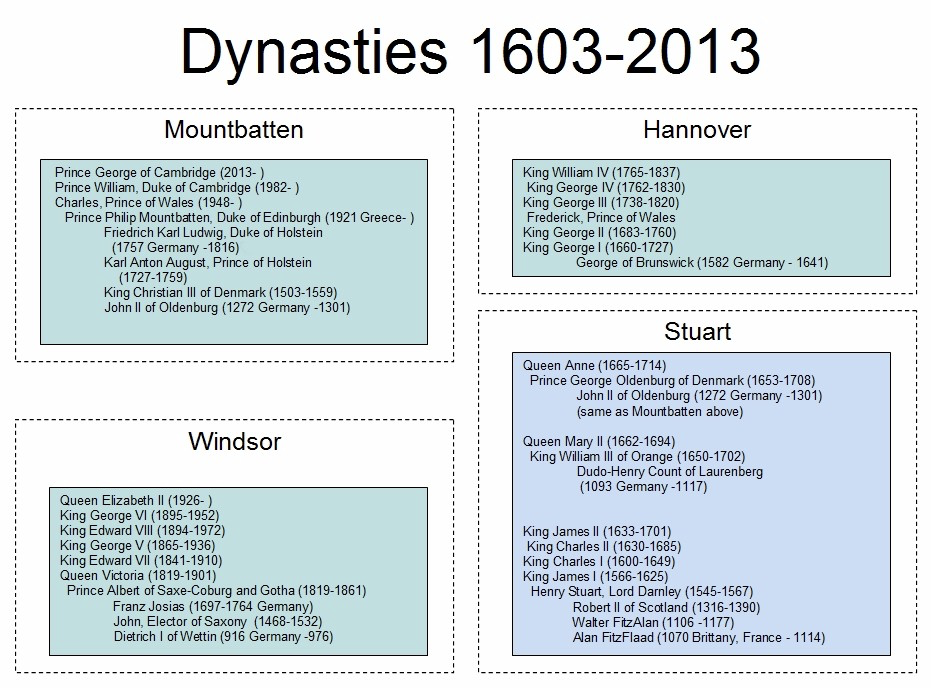
As stated at the outset, the monarch of Britain who sits on the throne of Britain, is not just following in the tradition of the monarchy of ancient Israel, but literally represents the throne descended from King David. The coronation is subsequently steeped in biblical tradition and immersed in religious ceremonial rites. It then behooves the monarch to live by the oaths they swear by. How they meet this challenge, dictates how the Eternal would have them recorded for all time in the annals of history – as either a righteous, or evil king… or queen.
Why Christianity is at the heart of the King’s coronation, Jonathan Patrick Burnside – emphasis & bold mine:
‘When Charles [was] crowned King… he [was]… following in a long tradition of Christian kingship. The existing coronation practice of the British monarchy can be traced back over a thousand years to the crowning of the first King of All England, Edgar, in Bath Abbey in 973 AD. Edgar’s coronation service – devised by the then Archbishop of Canterbury, Saint Dunstan – has been the template for every coronation since. Key elements include the oath made by the monarch to God and a service of Holy Communion. Some critics object to the Christian and biblical basis of the coronation ceremony. The National Secular Society’s chief executive Stephen Evans said [before the coronation]:
“This coronation may be fit for a king, but it’s certainly not fit for a modern democracy. An exclusively Anglican ceremony is a ludicrous way to inaugurate a head of state in one of the least religious countries on Earth”.
‘But unpicking the Christian character of the coronation risks undermining the whole event. From the beginning, the coronation ceremony has been steeped in the Bible. This is seen, most obviously, in the fact that the monarch swears on the Bible and takes the coronation oath.
Key parts of the Order of Service are built around Old Testament ideas of kingship, law and justice. The anthem ‘Zadok the Priest’, for example, which derives from 1 Kings 1:34-35, goes back, in various musical arrangements, to the very first coronation in 973 AD. The anthem ‘I was glad’, which is taken from Psalm 122, was sung, for the first time, at the coronation of Charles II in 1661. A version of it has been sung at every coronation since. The Psalm expresses the joy Israelite pilgrims felt, not only at being able to ‘go to the house of the Lord!’ (verse 1), but also their delight at being in the place where ‘thrones for judgement’ are located, as well as the ‘thrones of the house of David’ (verse 5). As with ‘Zadok the Priest’, the choice of anthems is intentional. Their longstanding use testify to a continuity in national desire to celebrate early Israelite forms of governance as the ideal for the British monarchy.
The roots of this distinctively British – and, in earlier times, distinctively English – idea of Christian kingship may in fact be found in King Alfred (849 – 899 AD); the only monarch, in these isles, to be called ‘the Great’. His law-code (dated to the late 880s or early 890s), was the first and only codification of Old English law. It was based explicitly on the laws of Moses. Alfred’s style of kingship was strikingly different to then-contemporary Christian exemplars found on the continent.
What made Alfred unique – his biblicism, his invocation of Moses and his dependence on the book of Exodus – enabled him to shape an emerging English identity around the Bible, particularly the story of Israel. This did not come from nowhere. Alfred was influenced by Bede’s Ecclesiastical History of the English People (written c. 731 AD), which developed the idea of the gens Anglorum as a chosen people.
This, in turn, built on earlier iterations by Gildas (in De Excidio et Conquestu Britanniae, written sometime in the sixth century after the Romans left Britain) and Gregory the Great. Under Alfred, as at Sinai, the Angelcynn (or the English people) are constituted as a people and a nation around divine law. It was a deliberate, and provocative, choice on Alfred’s part to hitch his Wessex wagon to the star of Jerusalem. Over time, biblical ideas about kingship and national vocation took hold and developed, and became embedded in the coronation service. The Bible, and biblical law, are woven into the coronation ceremony precisely because they are woven into the fabric of our national history.
Although the biblical concept of kingship happens to be our heritage, the monarch’s legitimacy no longer depends, for many British people, on Christian oaths. But this does not mean we should ditch the religious element of the coronation ceremony. First, the coronation ceremony emphasises the monarch’s submission to the higher sovereignty of God. This is important. Seated in the Coronation Chair, the newly crowned monarch may read the inscription written above the High Altar of the Abbey:
‘The kingdoms of this world are become the kingdoms of our Lord and of his Christ…’ (Revelation 11:15). The ceremony crowns a mortal monarch, but always keeps in sight the ‘King of kings and Lord of lords’ (Revelation 19:16). It relativises kingship itself and, in doing so, calls to account every human exercise of power.
Second, the ceremony further orientates the monarchy and the government towards accountability by the public taking of an oath to God. Such a promise puts an enormous brake on personal ambition. By emphasising instead duty, courage, sacrifice, endurance, faithfulness and loyalty… the monarch’s oath also sets a standard for public life. This benchmark stands apart from the ebb and flow of partisan politics and potentially harmful ideologies.
Third, in addition to the upward responsibility to God, the ceremony also emphasises the monarch’s downward responsibilities to his or her subjects. When Queen Elizabeth II sent a message to her subjects, on the eve of the 70th anniversary of her Accession to the throne, she signed herself, simply: ‘Your Servant, Elizabeth R’. In doing so, she stood in a biblical tradition of servant monarchy that went all the way back to the Deuteronomic laws of the king (Deuteronomy 17). This idea of servant kingship ran completely against ancient Near Eastern ideas of monarchy. It would, in time, be fully expressed in the life, death and resurrection of Jesus Christ who, in His own words, “came not to be served but to serve, and to give his life as a ransom for many” (Mark 10:45).
Finally, a thousand years of Christian, and biblical, coronation oaths have largely, if not fully, protected the Christian gospel and its free preaching and Christian worship throughout our history. This has, at different times, included freedom for other religions not seen in many countries across the world. On the occasion of her Diamond Jubilee, and in a speech concerned with “the particular mission of Christianity and the general value of faith in this country,” Queen Elizabeth II explained that: “(w)oven into the fabric of this country, the Church has helped to build a better society – more and more in active co-operation for the common good with those of other faiths.”
This was her own understanding of the oath she took 60 years earlier. It means that when a British monarch, standing in this tradition of Christian monarchy, swears an oath to God, as Supreme Governor of the Church of England, it is good news for people of all faiths, as well as none. In this way, maintaining the internal integrity of a longstanding Christian ceremony, such as the coronation, can be seen as part of a broader argument for a tolerant and welcoming Christian-based polity. Such a ceremony provides a better foundation for constitutional values than a supposedly religiously-neutral liberal-democratic polity.’
The Coronation is based on 3,000-year old Biblical tradition, Sarah Whitebloom – emphasis & bold mine:
‘There have been ‘kings’ since time immemorial, but as Professor Garnett explains, the coronation ceremony we know today… was modelled… on Old Testament traditions… but reinterpreted in terms of Christian sacraments grounded in the New Testament. The coronation which developed in Europe was clearly based on the Old Testament, and the prophet Samuel’s successive [anointing] of Saul and David as kings… The Old Testament–based coronations introduced anointing with oil – which later was reflected in Christian sacraments. It was this anointing that came to confer kingship, rather than the placing of the crown on the monarch’s head. Through the anointing, which was the ceremony’s core, the king was given strength to defend the church, consisting of God’s people.
In 1953, the anointing itself was not filmed and, it has been revealed, it will not be filmed during King Charles’ inauguration either. Professor Garnett explains, “The anointing is the most sacred part of the ceremony, when the Holy Spirit is supposed to be conferred upon the new king.” But the coronation ceremony, with its constituent parts – involving oils, crown and other regalia, and the subsequent homage – has been key to the concept of kingship for well over a thousand years in Britain. After the Conquest, says Professor Garnett, a potential successor was not king until the moment of anointing. Before the Conquest, he adds, “This was not the case. Kings acceded shortly after their predecessors’ deaths. They were rapidly acknowledged as such at an assembly of the great and good, in Old English, the Witan (wise men). When we have sufficient evidence to be precise about timing, we can prove that the coronation ceremony would follow a year or more later. Yet in the interim, they ruled as kings.”
However, that all changed. King Harold II took the precaution of being crowned and anointed in 1066 – at his predecessor Edward the Confessor’s funeral, an unseemly haste which provoked outrage. Having no blood claim, he grasped at any shred of legitimacy he could find. That did not stop Duke William of Normandy claiming the crown (and England) and being crowned and anointed himself within the year, after Harold had been killed at Hastings. It was soon suggested on William’s behalf that he had succeeded direct to Edward, but he had not become king until that coronation. A gap had followed Edward’s death. Harold’s reign was wiped from the record. He had never been king. So much for his swift anointing.’
The act of anointing becoming key in the recognising of a new king with ostensibly, William the Norman is perhaps significant, if he was genuinely of the tribe of Judah, regardless if he was from a royal line of Zarah or Pharez. If he were, then William’s anointing as King of England may have been a defining moment in the history of the British monarchy – whether or not biologically descending from David – yet still constituting the legitimate legacy of the Judaic throne of David.
Whitebloom: ‘The post-Conquest idea of a king only being king from the time of the coronation remained until Edward I’s accession. He was deemed to have assumed the monarchy four days after the death of his father Henry III. He was actually abroad at the time and did not hurry home to secure anointing for two years. Novelly, there was no need. Thereafter, monarchs were considered to have succeeded directly on the deaths of their predecessors. Over the centuries, the coronation ceremony has persisted, complete with anointing, although it has not been essential to the monarch becoming monarch. “We saw an accession council in September,” says Professor Garnett, talking about the series of events after the late Queen’s death. “All the Privy Council was there, together with other important officers of state and prelates, and members of the royal family, and Charles was proclaimed king. If we want to envisage what happened with royal successions prior to the Conquest, that gave a very good idea.”
Although Charles is to be anointed and crowned, there are expected to be breaks with tradition. Leaders of other faiths are set to be involved – in the previously strictly Christian, and since the Reformation, strictly Anglican event. But one of the biggest differences with the coronation next month, is that there will not be the traditional ‘homage’ paid to the monarch. In 1086, when William the Conqueror received at Salisbury the returns on which Domesday Book was based, recording the reallocation of landed estates consequent on the Conquest, nobles knelt in front of the monarch, placed their hands in between his, and pledged allegiance. “Something of this sort was subsequently appended to the coronation rite proper, and could conceivably have followed coronations beforehand, though is much more likely to have marked recognition at a new king’s accession,” according to Professor Garnett.
It has, however, never formed part of the liturgical proceedings. “Homage became the most important part of the non-liturgical part of the ceremony,” he explains. “It must have taken a long time, as each noble knelt before the monarch. But it created an individual relationship between the Lord King and everyone else of any importance. William was drawing a line under the Conquest; he was acknowledged as the source of all lands… England was not a feudal pyramid – everyone, every individual of any significance, had a direct connection to the monarch and owed him loyalty.”
This traditional ceremonial aspect of the inauguration is expected to be missing from King Charles’s coronation, however, breaking one link with the past. There will be far fewer people in Westminster Abbey and most peers will not be present. Such homage as there is, is expected to be restricted to royal Dukes. It is clearly disappointing to coronation aficionados. Professor Garnett says, “In 1953, all the Lords did homage individually.” But he adds, with a disappointed smile, “With the life peers, invented in 1958, that could be over 800 people. The proceedings would take as long as those at Salisbury in 1086.”
In respect of news that a ‘chorus of millions’ will be able to take part, Professor Garnett points out, “The recent revelation that all subjects viewing on television will be invited to join the congregation in Westminster Abbey in pledging allegiance in some ways seeks to replicate a tradition, apparently, first evidenced in the laws of Alfred and Edward the Elder: that all free men should pledge faith to the king. But that late ninth-or early tenth-century legal requirement did not form part of the procedure in the coronation rite devised contemporaneously.”
Over the centuries, there have been many changes, explains Professor Garnett. Perhaps the most significant change in the interim was it being translated into English for James I in 1603. It was changed in 1685, since James II was not willing to take part in a Protestant communion service. But the communion service was restored in 1689, when William and Mary were crowned. Will there be a communion service this year? “I’d be very surprised if not… the service is being conducted by the Archbishop of Canterbury”…’
The Coronation: history and ceremonial:
‘The coronation ceremony is an occasion for pageantry and celebration, but it is also a solemn religious ceremony and has remained essentially the same over a thousand years. For the last 900 years, the ceremony has taken place at Westminster Abbey, London. The service is conducted by the Archbishop of Canterbury, whose task this has almost always been since the Norman Conquest in 1066. The coronation of the new Sovereign follows some months after his or her accession, following a period of mourning and as a result of the enormous amount of preparation required to organise the ceremony. Present at the Coronation of Queen Elizabeth II were representatives of the Houses of Parliament, Church and State. Prime ministers and leading citizens from the Commonwealth and representatives of other countries also attended.’
“I shall ever remember this day as the proudest of my life” – Queen Victoria on her coronation, 28 June 1838
‘During the ceremony, the Sovereign takes the coronation oath. The form and wording have varied over the centuries. Queen Elizabeth II undertook to rule according to law, to exercise justice with mercy – promises symbolised by the four swords in the coronation regalia (the Crown Jewels) – and to maintain the Church of England. Following the oath the Sovereign is then ‘anointed, blessed and consecrated’ by the Archbishop, whilst the Sovereign is seated in King Edward’s chair (made in 1300, and used by every Sovereign since 1626). After receiving the orb and sceptres, the Archbishop places St Edward’s Crown on the Sovereign’s head.
Unless decided otherwise, a Queen consort is crowned with the King, in a similar but simpler ceremony. If the new Sovereign is a Queen, her consort is not crowned or anointed at the coronation ceremony. After Queen Elizabeth II was crowned The Duke of Edinburgh was the first, after the archbishops and bishops, to pay homage to her. The Queen’s Coronation took place on 2 June 1953 following her accession on 6 February 1952.’
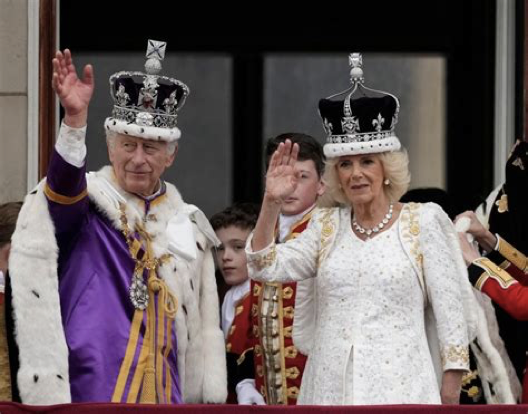
Queen Consort – Duchess of Cornwall
The Oaths sworn by His Majesty King Charles III during the ceremony at Westminster Abbey:
‘The Right Reverend Dr Iain Greenshields, Moderator of the General Assembly of the Church of Scotland, [received] the Bible from the Dean of Westminster and [presented] it to The King, saying “Sir, to keep you ever mindful of the law and the Gospel of God as the Rule for the whole life and government of Christian Princes, receive this Book, the most valuable thing that this world affords. Here is Wisdom; this is the royal Law; these are the lively Oracles of God.”
The Moderator [received] the Bible and [placed] it before The King. The King [stood] and the Archbishop [said]: “Our Majesty, the Church established by law, whose settlement you will swear to maintain, is committed to the true profession of the Gospel, and, in so doing, will seek to foster an environment in which people of all faiths and beliefs may live freely. The Coronation Oath has stood for centuries and is enshrined in law. Are you willing to take the Oath?”
The King [replied] “I am willing.”
The King [placed] his hand on the Bible, and the Archbishop [administered] the Oath “Will you solemnly promise and swear to govern the Peoples of the United Kingdom of Great Britain and Northern Ireland, your other Realms and the Territories to any of them belonging or pertaining, according to their respective laws and customs?”
The King [replied] “I solemnly promise so to do.”
The Archbishop [said] “Will you to your power cause Law and Justice, in Mercy, to be executed in all your judgements?”
The King [replied] “I will.”
The King [knelt] at the Chair of Estate. The Archbishop [said] “Will you to the utmost of your power maintain the Laws of God and the true profession of the Gospel? Will you to the utmost of your power maintain in the United Kingdom the Protestant Reformed Religion established by law? Will you maintain and preserve inviolably the settlement of the Church of England, and the doctrine, worship, discipline, and government thereof, as by law established in England? And will you preserve unto the Bishops and Clergy of England, and to the Churches… committed to their charge, all such rights and privileges as by law do or shall appertain to them or any of them?
The King [replied] “All this I promise to do.”
The King [placed] his hand on the Bible and [said] “The things which I have here before promised, I will perform and keep. So help me God.”
The King [kissed] the Bible. The Archbishop [said] “Your Majesty, are you willing to make, subscribe, and declare to the statutory Accession Declaration Oath?”
The King [replied] “I am willing. I Charles do solemnly and sincerely in the presence of God profess, testify, and declare that I am a faithful Protestant, and that I will, according to the true intent of the enactments which secure the Protestant succession to the Throne, uphold and maintain the said enactments to the best of my powers according to law.”
The King [signed] copies of the Oaths, presented by the Lord Chamberlain, whilst the choir [sang] “Prevent us, O Lord, in all our doings with thy most gracious favour, and further us with thy continual help; that in all our works begun, continued, and ended in thee, we may glorify thy holy name, and finally by thy mercy obtain everlasting life; through Jesus Christ our Lord. Amen.” – William Byrd (c 1540–1623) The Book of Common Prayer 1549
The King [knelt] before the Altar and [said] “God of compassion and mercy whose Son was sent not to be served but to serve, give grace that I may find in thy service perfect freedom and in that freedom knowledge of thy truth. Grant that I may be a blessing to all thy children, of every faith and belief, that together we may discover the ways of gentleness and be led into the paths of peace; through Jesus Christ our Lord. Amen.”
The King [returned] to the Chair of Estate and [sat].’
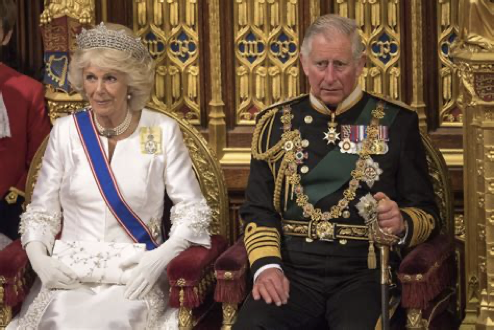
Queen Camilla and King Charles III during their coronation in Westminster Abby. Camilla appears ebullient in fulfilling her desire to become Queen Consort. In contrast with Charles becoming king, who looks on with seeming trepidation and perhaps resignation.
It is open to question whether any mere mortal could perform these oaths and do them justice; instead being doomed to fail. Though that is not the point, for in the eyes of the Eternal, He does not see as humans do. In reference to David and his brothers as to who would be chosen as king to replace Saul: ‘… the Lord said… “Do not look on his appearance or on the height of his stature, because I have rejected him. For the Lord sees not as man sees: man looks on the outward appearance, but the Lord looks on the heart” – 1 Samuel 16:7, ESV. The Eternal reveals the heart He looks upon in Isaiah 66:2, ESV: ‘… But this is the one to whom I will look: he who is humble and contrite in spirit and trembles at my word.’
While Charles has considered it prudent in pleasing the majority of people by candidly admitting to embrace all beliefs, he has in turn rejected the one true faith prescribed in the word of God. The Eternal only acknowledges those who ‘walk the walk and not just talk the talk.’ Many people and nearly all monarchs fall under the condemnation written by an unknown author in the letter to the Evangelist, Titus – Article: The Pauline Paradox. Titus 1:16, TLB: ‘Such persons claim they know God, but from seeing the way they act, one knows they don’t…’
Again in Matthew 15:8, EEB: ‘God says, “These people say good things about me, but they do not really want to obey me” and Isaiah 29:13, The Voice: ‘… These people think they can draw near to Me by saying the right things, by [honouring] Me with their lips, but their hearts are far away from Me. Their worship of Me consists of man-made traditions learned by rote; it is a meaningless sham.’
The oath taken by King Charles III expresses considerably less conscience, conviction and commitment than the one taken by his forebear James VI/I, for example.
The following is the Scottish coronation oath sworn by James VI/I, Charles I and Charles II – approved by the Parliament of Scotland in 1567:
“I… promise faithfully, in the presence of the eternal, my God, that I, enduring the whole Course of my Life, shall serve the same Eternal, my God, to the utmost of my Power, accordingly as he required in his most Holy Word, revealed and contained in the New and Old Testament; and according to the same Word shall maintain the true Religion of Jesus Christ, the preaching of his Holy Word, and due and right administration of his Sacraments, now received and practised within this Realm; and shall abolish and oppose all false Religion contrary to the same; and shall rule the People committed to my Charge, according to the Will and Command of God, revealed in his foresaid Word, and according to the lovable Laws and Constitutions received in this Realm, in no way repugnant to the said Word of the Eternal, my God; and shall procure to my utmost to the Kirk of God and whole Christian people true and perfect Peace in all times coming; the Rights and Rents, with all just privileges of the Crown of Scotland, I shall preserve and keep inviolate, neither shall I transfer nor alienate the same; I shall forbid and repress in all Estates and all Degrees theft, Oppression and all kind of Wrong; in all Judgements, I shall command and procure that Justice and Equity be kept to all creatures without exception, as he be merciful to me and you that is the Lord and Father of all Mercies; and out of all my lands and empire I shall be careful to root out all Heresy and Enemies to the true Worship of God, that shall be convicted by the true Kirk of God of the foresaid Crimes; and these Things above-written I faithfully affirm by my solemn Oath.”
It cannot be denied the focus of the monarch’s reign is allegiance to God far in excess of whatever is expected in leading the people of the realm wisely and honourably. Two points stand out. First, such religiosity based on the scriptures which were recorded by Israelites for and about Israelites, only makes any meaningful sense if one comprehends the modern people of Britain are the descendants of the sons of Jacob. And specifically, the jig saw puzzle pieces on the identity of the Scottish and English kingdoms can only be resolved once they are understood to be the living descendants of the tribes of Benjamin and Judah, the former Kingdom of Judah after its split from Israel – refer Chapter XXX Judah & Benjamin – the Regal Tribes.
Secondly, such is the gravity of the oaths taken by the British monarchs, only those who chose to follow the Way of the Eternal with their whole heart would ever endeavour to accept the role required and the destined duty in being the British sovereign – Matthew 7:14, John 14:6. For it is truly a fearful expectation to swear these oaths on the very word of God, if one does not have a pure heart and conscience – Psalm 24:4-5. Hebrews 10:31, ESV: ‘It is a fearful thing to fall into the hands of the living God.’
Constant readers will be aware that Christ did not just visit but also lived in Britain, in the area of ancient Avalon… modern day Glastonbury – Appendix VIII: When the Creator came to dwell with His Creation. Like wise, a case is put forward that King David visited Ireland and may even be the same person as the Irish King, Ollom Fodla – Chapter XXX Judah & Benjamin – the Regal Tribes; and article: The Ark of God.
Similarly, the possibility exists date wise that he could have actually been King Solomon. There are records which show descendants of Judah through his son Zarah established a monarchy not just in Ireland, but in Britain as well – refer The Trojan Origins of European Royalty! by John D Keyser – while it appears the line of Pharez and hence David’s descendants being transplanted to Ireland either through King Zedekiah’s exiled daughters or as William F Dankenbring postulates, earlier still via David’s daughter, Tamar remain speculative – refer Jeremiah, Ireland, and the Dynasty of King David.
That said, this writer has documented convincing evidence that the prophet Jeremiah did arrive in Ireland after the fall of the kingdom of Judah and the inference that he brought King Zedekiah’s daughters with him is both a plausible and realistic notion. Legend maintains that a famous survivor of the Trojan siege and defeat circa 1180 BCE, Aeneas a Trojan prince, was the grandfather of a man called Brutus. Aeneas was the son of Anchises who was a first cousin of King Priam – the sixth ruler of Troy – thus making Aeneas a second cousin to Priam’s sons Hector and Paris – Article: Thoth. Priam himself a great, great, great grandson of Darda (or Dara), the fifth and youngest son of Zarah and alleged founder of Troy. What is interesting about Brutus is that he founded a Trojan royal line in Britain circa 1100 BCE from whom Caractacus and Boadicea were descended – Appendix VIII: When the Creator came to dwell with His Creation.
According to Keyser, capitalisation his throughout: ‘Even James I [VI Scotland] knew of his background, and let it be known on several occasions that he was descended from Brutus!’ Likewise, King of the Britains, Cassibelaun wrote to Julius Caesar: ‘the SAME VEIN OF NOBILITY, FLOWS FROM AENEAS, IN BRITONS AND ROMANS, and ONE AND THE SAME CHAIN OF CONSANGUINITY SHINES IN BOTH: which ought to be a band of firm union and friendship. That was what you should have demanded of us, and not slavery…’ – Chapter XXVIII The True Identity & Origin of Germans & Austrians – Ishmael & Hagar.
Keyser continues, quoting Brigadier G Wilson, ‘Cassibellaunus was not the only king of Britain who knew of his Trojan blood-line.’ So did ‘Edward I, who removed the Stone of Destiny from Scone in Scotland… “The Irish and Scottish kings, Fergus and EDWARD HIMSELF were all DESCENDANTS OF JUDAH: in fact it is said that EDWARD used to boast of his DESCENT FROM THE TROJANS!”
It is highly pertinent that Edward I and James I claimed descent from the Zarah branch of Judah and while it is a royal line, it is not a lineal descent from the Pharez line of King David, let alone a royal one from King Solomon. Which brings us now to a monumental consideration.
In Matthew 1:1-17 we learn of the biological maternal lineage of Christ.
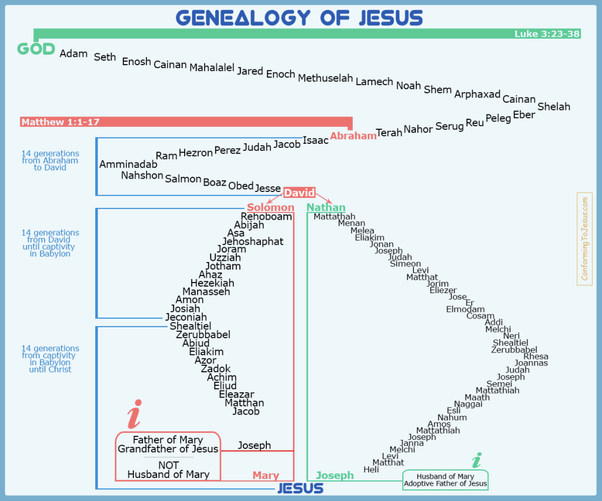
Biblical Research Institute – capitalisation theirs, emphasis & bold mine:
‘The last legitimate Jewish king, Jehoiachin [597 BCE], the son of Jehoiakim [608-597], the son of Josiah, was carted off to Babylon and an interloper chosen by Nebuchadnezzar put in his place. The Scriptures tell us: “At that time the servants of Nebuchadnezzar, king of Babylon, came up against Jerusalem, and the city was beseiged… And Jehoiachin [Jehoiakin], the king of Judah, went out to the king of Babylon, he, and his mother, and his servants, and his princes, and his officers; and the king of Babylon took him in the eighth year of his reign…[605-562 BCE]
And he carried away Jehoiachin to Babylon, and the king’s mother, and the king’s wives, and his officers, and the mighty of the land: those carried he into captivity from Jerusalem to Babylon… And the king of Babylon made Mattaniah, his father’s brother [Jehoiachin’s uncle] KING IN HIS PLACE, and changed his name to Zedekiah” [597-586 BCE] (2 Kgs 24:10, 15, 17).
Did the English monarch, [Elizabeth II], sit on David’s throne? The British Israel World Federation tells us so in their literature, and in their pamphlets, and they include (at first glance) impressive geneaologies in their (at first glance) impressive charts. If King Jehoiachin, languishing in Babylon, had no children to carry on the royal line, his pedigree exterminated, then Zedekiah as an indirect collateral branch could (within the realm of possibility) have some substance in the continuation of the Davidic line. Of course, the plain truth of the matter is that Matthew Levi totally ignores Zedekiah in his chronological geneaology of the Messiah. Indeed, if you examine the Matthean text you will discover the following statement: “And Josiah begat Jechoniah [Jehoiachin] and his brothers, about the time that they were carried away to Babylon; and after they were brought to Babylon, Jechoniah [Jehoiachin] begat Salathiel, and Salathiel begat Zerubabel” which royal line terminates in Yeshua the Messiah (Matthew 1:11)!
Please note! It terminates with the Messiah. It does not continue with a European bloodline of some “holy grail.” Thus was fulfilled the proclamation by God that with the removal of Jehoiachin the legitimate Davidic Dynasty would come to an abrupt end. All that would be left would be the stripping of the crown from the would-be Pretender Zedekiah. “Thus says the LORD God! Remove the diadem, and take off the crown: nothing will be the same: exalt him that is low, and abase him that is high. I will RUIN (Hebrew avah), RUIN (Hebrew avah), RUIN (Hebrew avah) it (the royal crown of Israel) and it shall become EXTINCT, until he come whose legal right it is (to rule) and I will give it to him” (Ezekiel 21:27 Hebrew).’
Greg Doudna: “However, the word translated ‘overturn’ means, in the Hebrew, ‘RUIN,’ not ‘transplant,’ and this is how it is translated in the Revised Standard Version and other translations. This prophecy in fact predicts the same INTERRUPTION IN THE REIGN OF THE THRONE OF DAVID reflected in Amos 9: 11-12 and Acts 15: 16-18. ‘Take off the crown… A RUIN, RUIN, RUIN I WILL MAKE IT; THERE SHALL NOT BE A TRACE OF IT until he comes whose right it is; and to him will I give it’ (Ezekiel 21: 27).”
BRI: ‘The New Berkeley Version has outdone itself when it comes to a close relation to (or transliteration from) the Hebrew, “Thus says the Lord God: Remove the turban, and take off the crown; change is in process. Let the low be exalted and the lofty abased. Ruin, ruin I will make it; only ruin will remain; there shall not be a trace left of it until he comes, whose right it is; to him will I give it.” Thus with the rapid exit of Jehoiachin and his family to Babylon, and the termination of the rule of the surrogate Zedekiah, accompanied by the subsequent tragic slaughter of his sons, came the abrupt end of the ruling power of the throne of David.
Notice again the emphasis concerning the throne of David: thrice we are told “ruin, ruin, ruin” and then… “extinction.” The rabbis understood the three-fold emphasis as referring to the three conquests of Jerusalem during which Jehoiakim, Jeconiah and finally Zedekiah were overthrown. The number 3 in Hebrew numerology represents God making His will known! [as a decision of finality].
So much for the theory that the present Royal family of Britain is the European continuation of David‘s Throne. Nothing could be further from the truth.
Zedekiah was not an heir to the throne of David. Further, he could not convey the throne to any of his descendants, including a mythical “Tea.” The powerful prophet Ezekiel denounced him as an appointed stooge of Nebuchadnezzar and as a Davidic would-be king (Ezekiel 21:25-27). The last legitimate king of Israel was Jeconiah, who was also called Coniah and Jehoiachin. Jeremiah was explicit in his prediction that as far as the throne of David was concerned, he would die childless.
“Is this man Coniah a despised broken idol? Is he a vessel wherein is no pleasure? Wherefore are they cast out, he and his seed, and are cast into a land which they know not? O earth, earth, earth, hear the word of the Lord. Thus says the Lord, Write you this man childless, a man that shall not prosper in his days; for no man of his seed shall prosper, sitting upon the throne of David, and ruling any more in Judah” (Jeremiah 22:28-30).
In reality he was not rendered childless, for the record says he had sons, but he was rendered childless in as much as the throne was concerned! Zedekiah did not occupy the throne of David in God’s consideration. He was the “profane prince” who had a human – Nebuchadnezzar – appoint his rule and we have seen that God overturned that appointment.
I must also insist that by inserting Zedekiah into their version of the chronological genealogies of Matthew and Luke (refer to Anglo-Israel charts if you possess any) and jettisoning Jehoiachin and Jehoiakim from the sacred records (in order to give recognition to Zedekiah’s daughter to a continuing [Judaic] throne in the British Isles and thus to ultimately legitimise [Elizabeth II’s] place in sacred history) British Israelites have shown themselves to be blatantly dishonest. British Israel tables grant only thirty-two generations from Luke 3:32-38 and from verse 33 they conveniently jump to Matthew 1:7-10 to the forty-eighth generation. As we have bluntly stated, kings Jehoiachin and Jehoiakim are then omitted and Zedekiah insidiously inserted. Anglo-Israelites seemingly fail to grasp that if Zedekiah is legitimised Yeshua haMashiach is dislodged from His rightful accession to the “Throne of his father David” (Luke 1:32). The entire deal is suspect. Our readers can check for themselves.’
The simple fact of the matter is the throne of David came to an end with Jehoiachin. Thus whether one of Zedekiah’s daughters intermarried with a Milesian king in Ireland or not, does not have bearing on a Davidic line of kings. Merely that a line of Pharez may or may not have entered Scotland with the Dal Riada Scots and their Zarah descended kings.
Thus a reinterpretation or rather a re-explanation is required regarding the account of the birth of Zarah and Pharez in Genesis 38:27-30. While Zarah’s hand appeared first and was tied with a scarlet thread, his hand retracted and his twin Pharez was actually born first. Commentators have read this as Pharez having preeminence over Zarah’s line. With Zarah being secondary to Pharez, probably because David and Christ were descended from Pharez and Zarah was born second, even though technically first. Though it would seem that the Zarah line has always been preeminent as evidenced by the scarlet thread and red hand symbols prevalent in Ireland, Scotland and England.
For all we know, the Pharez line may not have figured in royal lines at all, or seldom at best. Perhaps multiple lines from Zarah’s five sons – Zimri, Ethan, Heman, Calcol, and Dara – are the true royal lines, with the Hezron line from Pharez giving birth to David and Christ the anomaly and a one time only event. It means pivotal rulers such as the Jute, Hengist and the Norman, William the Conqueror were never a line descended from David. Whether they were of Pharez even, may be of little consequence, with a descent from Zarah actually being relevant. With Edward I and James VI/I claiming a Trojan and therefore Zarah descent, adding credence to this line of reasoning.
The question of whether King Charles III is a descendant of King David is comprehensively answered in the article by John D Keyser entitled: Does King Charles III Sit On a Throne of David? Keyser concludes: ‘The bottom line is, though, that the reign of the Davidic line in Jerusalem is TEMPORARILY INTERRUPTED’ until Christ’s return. He adds: ‘Nevertheless, the royal line of Judah (through Zarah) DID go to Ireland… thus fulfilling the prophecy in Genesis 49:10: “The scepter shall NOT depart from Judah, nor a lawgiver from between his feet, until Shiloh comes…”
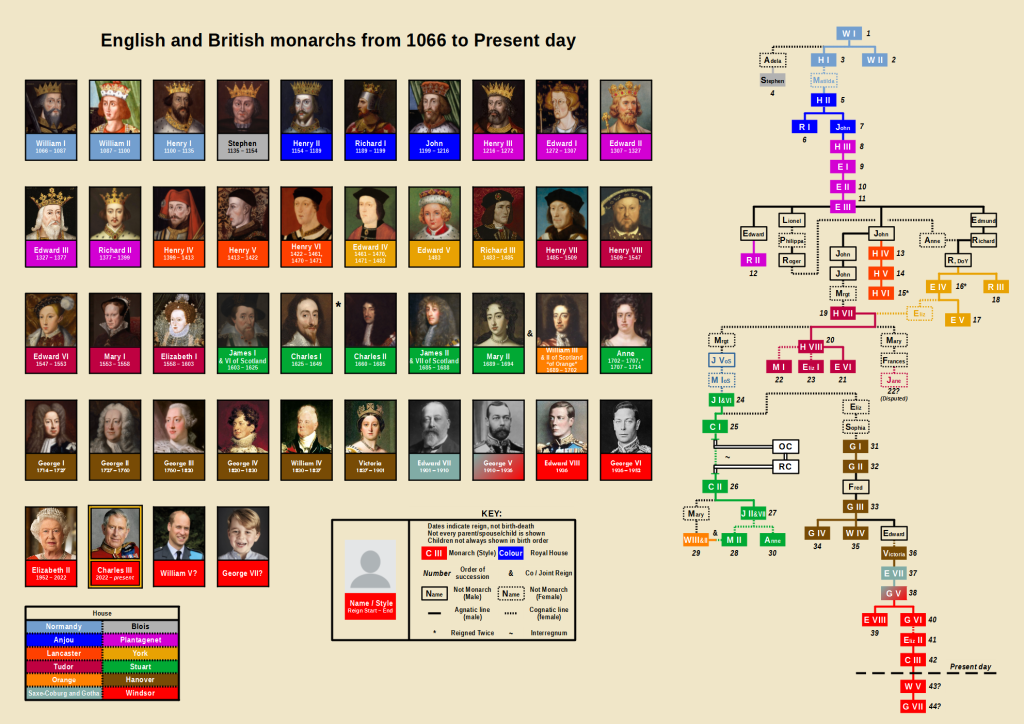
What about the claim that the British Israelites have been liberal with the truth? Reverend A B Grimaldi in 1885 posed the question: Is there a King or Queen still sitting on the Throne of Judah?… in his article: THE QUEEN’S ROYAL DESCENT FROM KING DAVID THE PSALMIST – capitalisation his, emphasis mine.
‘THE possible descent of Queen Victoria from King David was first entered upon in the present day by Reverend F. R A. Glover, M.A. (“England the Remnant of Judah.” London, 1861). He did not, however, attempt to give the genealogy link by link, nor enter into the proofs in detail. Since then the whole subject of Her Majesty’s Jewish [Judaic] ancestry has been further examined by various students and writers on our Israelitish origin.’ The aspect of her Jewish ancestry as opposed to the true tribe of Judah will be examined shortly.
‘Mr. J. C. Stephens has compiled a “Genealogical Chart, shewing the Connection between the House of David and the Royal Family of Britain.” (Liverpool, 1877.) This gives the descent from Abraham to Zedekiah in full, as found in Matthew. It then gives twelve generations only between Heremon, B.C. 580, and Victoria, A.D. 1819, thus, of course, omitting a great number of links. The descent of our Royal Family from the royal line of Judah is, however, no new discovery. The Saxon kings traced themselves back to Odin, who was traced back to his descent from David, as may be seen in a very ancient MS. in the Herald’s College, London; and in Sharon Turner. (“History of the Anglo-Saxons,” volume i.)
The full and complete genealogy of Victoria from David does not appear to have been ever printed; and it has, therefore, been thought that it would be useful, as well as interesting, to put it on record, both for reference and testimony. In its compilation reliable works of reference have been used – such as Anderson (“Royal Genealogies.” London, 1732). Keating (“History of Ireland.” Dublin, 1723), Lavoisne (“Genealogical and Historical Atlas.” London, 1814), as well as those mentioned above, and others. Perfect accuracy is hardly to be expected in such an attempt; but it is believed that the genealogy is as correct as our present knowledge of this obscure and intricate subject will permit.
In the following genealogy those who reigned have K prefixed to their names. The dates after private names refer to their birth and death; those after Sovereign’s names, to their accession and death. Wherever known, the wives have been mentioned. Besides those mentioned in Genesis, some have been obtained from Polano (“The Talmud.” London, 1877). b. and d. stand for born and died.’
After reading this introduction, there are already misgivings about a genealogy which lacks crucial connecting links; mentions a fictional Heremon in an incorrect time frame; and crucially provides an adjusted maternal genealogy for Christ in the Book of Matthew. This writer has presented proof of Christ’s maternal genealogy in previous articles, showing that Mary’s husband Joseph should actually be rendered father – refer articles: The Ark of God; and Seventh Son of a Seventh Son. And as we learned in the BRI article, Christ’s maternal lineage was not through Zedekiah but rather Jechoniah.
Matthew 1:1-17
English Standard Version
The book of the genealogy of Jesus Christ, the son of David, the son of Abraham.
‘Abraham was the father of Isaac, and Isaac the father of Jacob, and Jacob the father of Judah and his brothers, and Judah the father of Perez and Zerah by Tamar, and Perez the father of Hezron, and Hezron the father of Ram, and Ram the father of Amminadab, and Amminadab the father of Nahshon, and Nahshon the father of Salmon, and Salmon the father of Boaz by Rahab, and Boaz the father of Obed by Ruth, and Obed the father of Jesse, and Jesse the father of David the king.
And David was the father of Solomon by the wife of Uriah, and Solomon the father of Rehoboam, and Rehoboam the father of Abijah, and Abijah the father of Asaph, and Asaph the father of Jehoshaphat, and Jehoshaphat the father of Joram, and Joram the father of Uzziah, and Uzziah the father of Jotham, and Jotham the father of Ahaz, and Ahaz the father of Hezekiah, and Hezekiah the father of Manasseh, and Manasseh the father of Amos, and Amos the father of Josiah, and Josiah the father of Jechoniah and his brothers, at the time of the deportation to Babylon.
And after the deportation to Babylon: Jechoniah was the father of Shealtiel, and Shealtiel the father of Zerubbabel, and Zerubbabel the father of Abiud, and Abiud the father of Eliakim, and Eliakim the father of Azor, and Azor the father of Zadok, and Zadok the father of Achim, and Achim the father of Eliud, and Eliud the father of Eleazar, and Eleazar the father of Matthan, and Matthan the father of Jacob, and Jacob the father of Joseph the husband [father] of Mary, of whom Jesus was born, who is called Christ.
So all the generations from Abraham to David were fourteen generations, and from David to the deportation to Babylon fourteen generations, and from the deportation to Babylon to the Christ fourteen generations.’
Glover’s genealogy begins with Adam and stops first at the 31st generation with Jesse the father of David; but his dates for births and deaths are incorrect according to an unconventional chronology. Though once we arrive at Abraham, Glover is close with 1992 to 1817 BCE; where it is arguably 1977 to 1802 BCE – Appendix IV: An Unconventional Chronology. He then lists the Kings of Israel from David as the 32nd generation to Zedekiah, the 49th generation, when it should be Jechoniah. David’s life is given as 1085 to 1015 BCE; where it was closer to 1040 to 970 BCE. Glover’s dates for Zedekiah are incorrect as 578 to 599 BCE, when he must mean 578 to 567 BCE, yet he ruled from 597 to 586 BCE, when the final captivity of Judah by Nebuchadnezzar II was complete.
The next grouping is the Kings of Ireland. It jumps to Heremon in 580 BCE, yet the original Erimon reigned from 1287 to 1272 BCE. His list does not match the Milesian King List and it somehow goes from the 50th generation to the 103rd, jumping to the 104th generation and the Kings of Argyleshire, with Feargus More in 487 CE. It ends with the 116th generation and Alpin. Beginning again with Alpin’s son Kenneth and the Sovereigns of Scotland, until the 141st generation and Mary as below:
117. K. Kenneth II. (d. A.D. 854).
118. K. Constantin II. (d. A.D. 874).
119. K. Donald VI. (d. A.D. 903).
120. K. Malcolm I. (d. A.D. 958).
121. K. Kenneth III. (d. A.D. 994).
122. K. Malcolm II. (d. A.D. 1033).
123. Beatrix m. Thane Albanach.
124. K. Duncan I. (d. A.D. 1040).
125. K. Malcolm III. Canmore (A.D. 1055-1093), Margaret of England.
126. K. David I. (d. A.D. 1153), Maud of Northumberland.
127. Prince Henry (d. A.D. 1152), Adama of Surrey.
128. Earl David (d. A.D. 1219), Maud of Chester.
129. Isobel m. Robert Bruce III.
130. Robert Bruce IV. m. Isobel of Gloucester.
131. Robert Bruce V. m. Martha of Carriok.
132. K. Robert I. Bruce (A.D. 1306-1329), Mary of Burke.
133. Margary Bruce m. Walter Stewart III.
134. K. Robert II (d. A.D. 1390), Euphemia of Ross (d. A.D. 1376).
135. K. Robert Ill. (d. A.D. 1406), Arabella Drummond (d. A.D. 1401)
136. K. James I (A.D. 1424-1437), Joan Beaufort.
137. K. James II. (d. A.D. 1460), Margaret of Gueldres (d. A.D. 1463).
188. K. James III. (d. A.D. 1488), Margaret of Denmark (d. A.D. 1484).
139. K. James IV. (d. A.D. 1543), Margaret of England (d. A.D. 1539).
140. K. James V. (d. A.D. 1542), Mary of Lorraine (d. A.D. 1560).
141. Q. Mary (d. A.D. 1587), Lord Henry Darnley.
It concludes with the Sovereigns of Great Britain and James VI/I, ending with the 160th generation and Queen Victoria. Meaning by this reckoning that King Charles III is the 166th generation.
142. K. James VI. and I. (A.D. 1603-1625), Ann of Denmark.
143. Princess Elizabeth (1596-1613), K. Frederick of Bohemia.
144. Princess Sophia m. Duke Ernest of Brunswick.
145. K. George I. (1698-1727), Sophia Dorothea Zelle (1667- 1726).
146. K. George II. (1727-1760), Princess Caroline of Auspach (1683-1737).
147. Prince Frederick of Wales (1707-1751), Princess Augusta of Saxe-Gotha.
148. K. George III. (1760-1820), Princess Sophia of Mecklenburgh Strelitz (1744-1818).
149. Duke Edward of Kent (1767-1820), Princess Victoria of Leiningen.
160. Q. Victoria (b. 1819, cr. 1838), Prince Albert of Saxe-Coburg.
There are three pivotal questions or concerns. The first, is the messy jump from Judah in the Middle East to Ireland, compounded by not even using the correct paternal ancestor for the Pharez line of David. The second issue, is the fact that the genealogy is reliant on this unclear connecting link for the Pharez line. While this writer is persuaded and convinced from research – and as addressed in other articles – that a line from Zarah existed in Ireland, transferred to Scotland and again finally to England; it does not explain or reveal a descent from Pharez, let alone from David. The third point, is that by concentrating on this line of descent via Ireland and Scotland, any clues in the genealogy of the Kings of the Britons, the Saxons and Normans have been incredibly either excluded or ignored.
This is quite remarkable, for the simple reason that the identities of Ireland and Scotland are not Judah – they include, Reuben, Gad, Dan and Benjamin – whereas the modern peoples of England are descended from Judah. Pointedly, the injection of the true tribe of Judah was through two peoples… the Jutes and the Normans. Thus any lines from Pharez and specifically of David will be found in these migrations into Britain and principally England. It is worth noting that both the Jutes and Normans entered into Britain on the same southeastern coastline, whereas the Saxon tribes constituting the Angles and Frisians entered from the East Anglian coast.
Israelite identity researchers have been so fixated on an incorrect theory, they have completely missed or ignored any prospective lineages from Judah (or Pharez and David) entering from the East via Europe while focussing exclusively on the West and from Ireland. But, as the reader will now be assimilating, looking for a Pharez lineage, let alone one from David may be both a pointless and fruitless exercise. One the identity researchers and British Israelites will be cognisant. Of course, what has compounded the errors, is the fact that British Israelism and fundamentalist Christians maintain England is the tribe of Ephraim and the Jews are the tribe of Judah, when such is not the case – refer Chapter XXIX Esau: The Thirteenth Tribe; and Chapter XXXIII Manasseh & Ephraim – the Birthright Tribes.
The constant reader will be well aware of the true identities for the Jewish and English peoples. Thus they will be at an advantage as we head into the next section investigating ethnicity, DNA, Y-DNA Haplogroups and the legitimacy of the current British royal family sitting on the throne of Great Britain.
Y-DNA of the British Monarchy, Bradley T Larkin, 2013 – emphasis & bold mine:
‘Media observers refer to the current royal family as ‘The House of Windsor’ but the three generations of current royal heirs will probably be known in the future as the Mountbatten dynasty:
- Charles… (b. 1948)
- Prince William, Duke of Cambridge (b. 1982)
- Prince George of Cambridge (b. 2013)
All these Mountbatten heirs trace their Y-DNA from Prince Philip Mountbatten, Duke of Edinburgh (b. 1921 Greece). Prince Philip descends maternally from Queen Victoria (1819-1901) and Prince Louis of Battenberg (1854-1921). Phillip’s Y-DNA lineage, however, is traced to King Christian III of Denmark (1503-1559) and further back to the medieval House of Oldenburg: John II of Oldenburg, Germany (1272-1301).
… The House of Oldenburg is one of Europe’s most prolific lineages with branches that include:
- the current King Harald V of Norway (b. 1937)
- the current Queen Margarethe II of Denmark (b. 1940)
- Prince George Oldenburg of Denmark (1653-1708), husband of British Queen Anne (1665-1714)
- Nicholas II of Russia (1868-1918), the last Romanov Tsar
Because Prince Philip is also a matrilineal cousin to Tsar Nicholas II’s wife, he should have both Y-DNA and MtDNA matches for members of the last Tsar’s family. When remains thought to belong to that family were discovered in Russia, Philip personally contributed a DNA sample which helped verify their authenticity.’
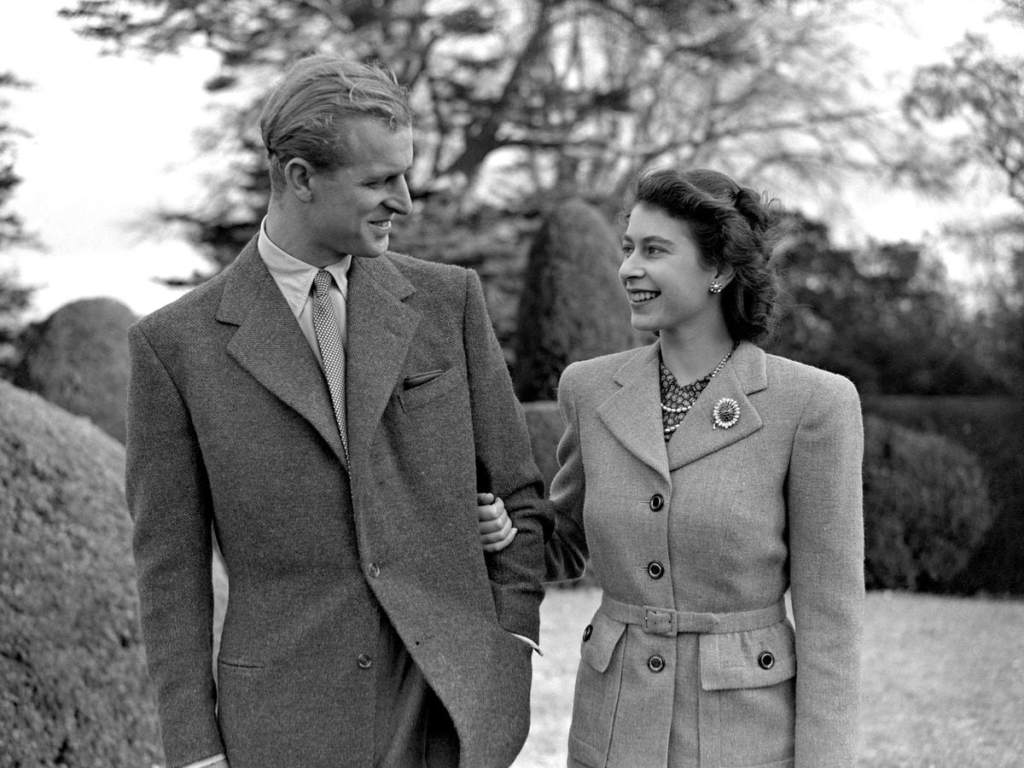
Prince Philip, Duke of Edinburgh and Queen Elizabeth II
Rogaev, 2009: ‘… tested the DNA of the presumed grave of Tsar Nicolas II of Russia and all his five children, and compared them against archival blood specimens from Nicholas II as well as against samples from descendants of both paternal and maternal lineages. The results unequivocally confirmed that the grave was the one of the last Russian Royal family. Nicholas II belonged to Y-haplogroup R1b and mt-haplogroup T2.
Eupedia: ‘Ivanov et al. (1996) sequenced the mitochondrial DNA of Grand Duke of Russia Georgij Romanov in order to establish the authenticity of the remains of his brother, Tsar Nicholas II of Russia. They also compared the sequence to that of [two] living matrilineal relatives. The mtDNA all matched and fitted into haplogroup T2 (with heteroplasmy at position 16169). Retracing the matrilineal genealogy of Nicholas II leads to Elizabeth of Luxembourg (1409-1442), Queen of Germany, Hungary and Bohemia, and daughter of Holy Roman Emperor Sigismund. Her female-line descendants include a great number of European nobles’ including: Charles I, George I, George III and George V, as well as dozens of German princely and ducal houses.’
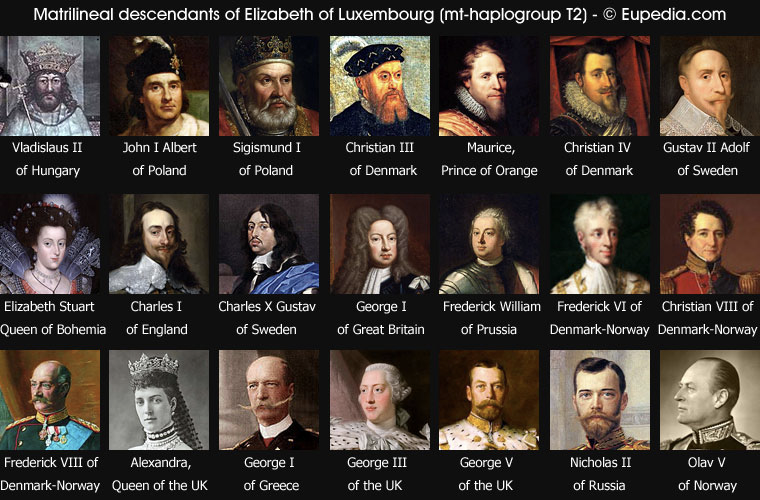
Rogaev: ‘Consequently, all Russian emperors of the Romanov dynasty since Peter III (1728-1762) also belonged to haplogroup R1b [particularly the later Tzars of the House of Romanov who descended from the ‘House of Holstein-Gottorp in Schleswig-Holstein’]. This paternal lineage ultimately descends from the House of Oldenburg, which includes all the Kings of Denmark since Christian I (reigned from 1448) as well as several Kings of Norway, Sweden and Greece, and the current heirs to the British throne’ Prince William and his son Prince George.
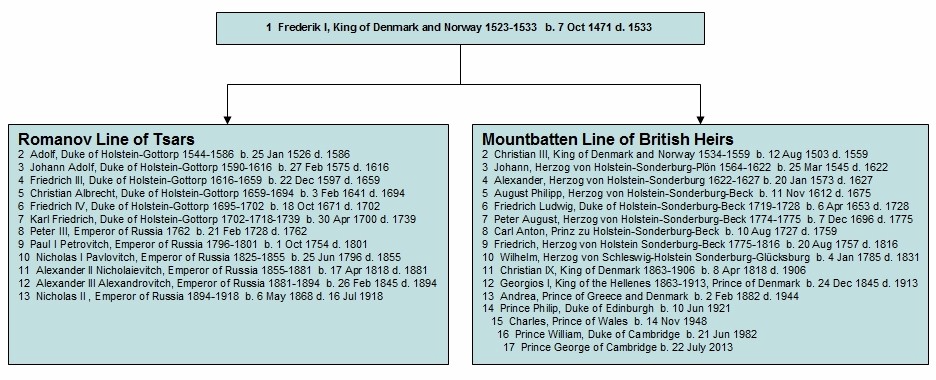
Larkin: ‘Figure 2 [above] illustrates how Prince Philip, Duke of Edinburgh and Tsar Nicholas II of Russia are patrilineal 11th cousins, once removed with a known TMRCA of 450 years. In terms of the potential difference in their STR allele values, their relationship is 26 DNA generations apart (26 x 17 alleles = 442 potential mutation events). With an average Y-STR mutation rate of 0.0024, we would expect to see only a single allele difference between the two men over 17 markers.’
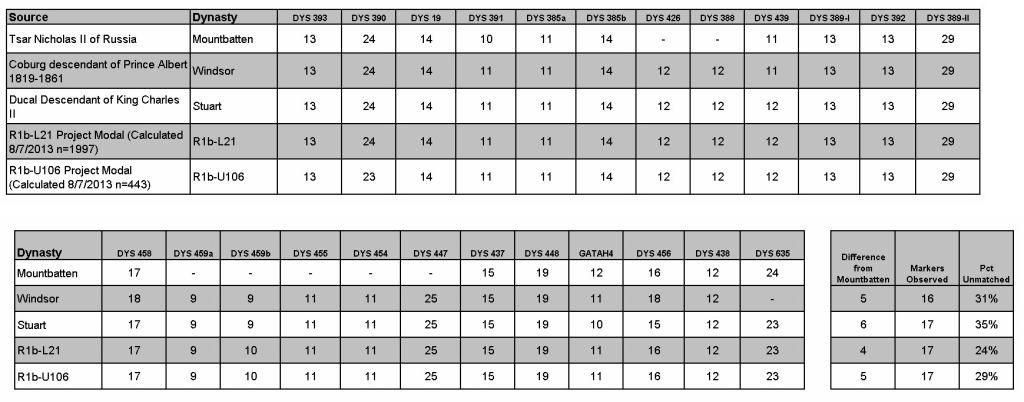
‘Based on the Y-STR results released in the Romanov studies, the Mountbatten Y-DNA signature can be inferred from the Tsar’s results shown in Figure 3 [above]. This Y-DNA signature was classified as part of the Atlantic Modal Haplotype (AMH) cluster within haplogroup R1b. Unfortunately, with only 17 STR values published, we can only make a low resolution assessment.
For this paper, a comparison was made between the Tsar’s results and the latest modal values for R1b-L21 and R1b-U106 but no clear distinction was found. The precision of the Mountbatten/Oldenburg lineage could be improved with a new round of SNP testing and publication of the existing samples from Prince Philip and living Romanov descendants.’
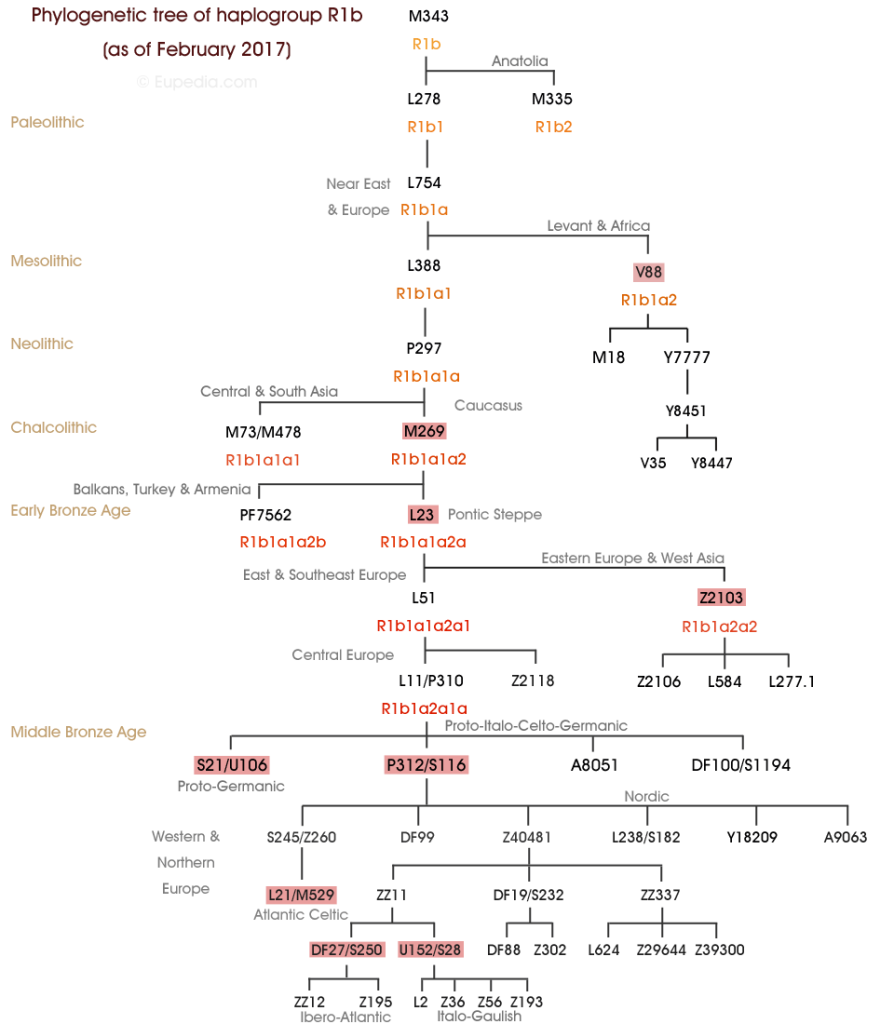
Most men in Western Europe have received in their Y sex chromosome from their father, the Haplogroup R1b. Related Western European Haplogroups are the older Haplogroups I1 and I2a2 – refer article: Y-DNA Adam & mtDNA Eve: The Genesis and Evolution of Homo sapiens. Larkin is explaining that results were inconclusive in which type of R1b Nicholas II carried. The Phylogenetic tree above highlights the evolution of R1b mutations.
ISGG: ‘In human genetics, the Western Atlantic Modal Haplotype (WAMH) is the most frequently occurring 12-marker Y chromosome haplotype associated with haplgroup R1b1a2[a1a – L11], the most common haplogroup in Europe. WAMH is the modal haplotype of R1b-L11 and predominates in two subclades of L11 – R1b-P312 [S116] and R1b-U106 [S21]. It is also common in R1b-L21 [M529], a subclade of P312. It is sometimes possible to predict a more downstream subclade of P312 or U106 from a 67-marker haplotype.’
Broadly speaking, men in Western Europe with R1b fall into either the Germanic U106 (found in Scandinavia, Germany and England); the Latin ZZ11 (which includes U152 found in France and Italy, and DF27 located in Spain and Portugal); and the Celtic L21, found in the Celtic arc of Europe (which includes the Basque, Brittany, Cornwall, Wales, Ireland, Northern Ireland and Scotland).
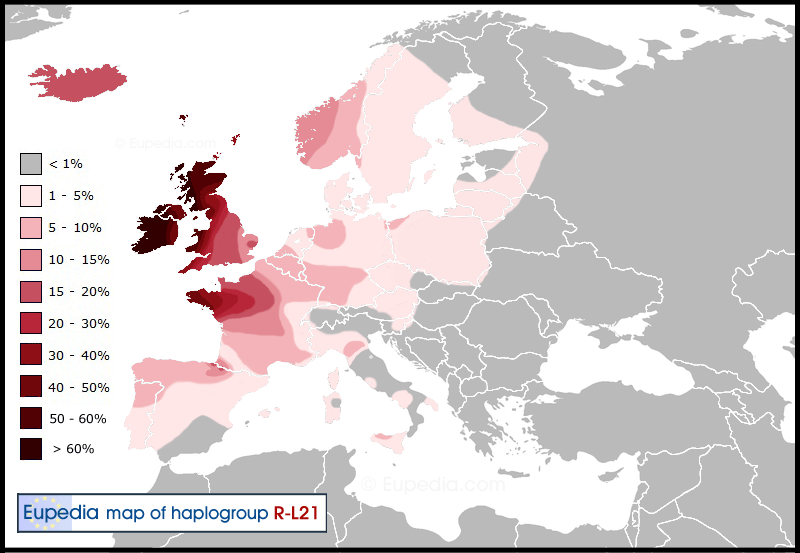
Haplogroup R1b-L21 regional concentration levels are shown on the map above. It is clearly a Celtic marker. While R1b-U106 is dominant in the regions shown in the map below.
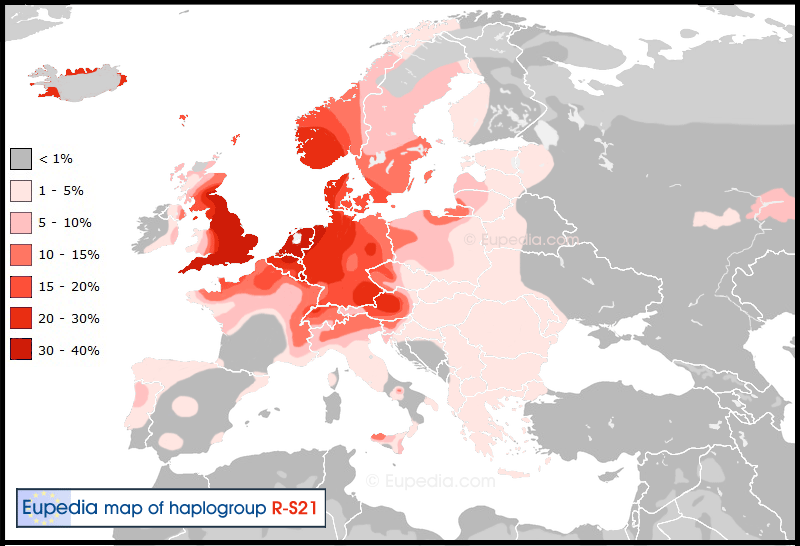
While Tzar Nicholas II could be from the lineage of L21, logic – rightly or wrongly – would deem it more likely he was descended from U106.
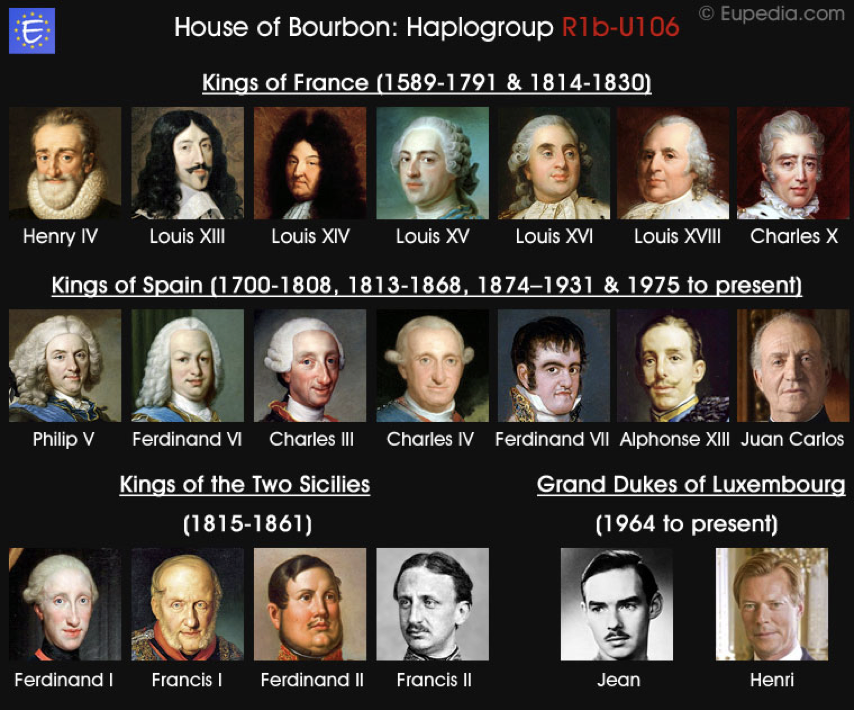
Though as the kings shown above should be expected to be descended from the R1b lineages U152 or DF27 – France and Spain respectively – they are not in fact and are rather from the Germanic U106.
Larkin: ‘The Windsor dynasty began with the crowning of King Edward VII (1841-1910) in 1901 and culminates with its fifth monarch… Queen Elizabeth II (b. 1926). The family surname was changed from ‘Saxe-Coburg and Gotha’ to ‘Windsor’ when King George V (1865-1936) renounced his Germany territories and titles during World War I. This Y-DNA lineage came from Prince Albert of Saxe-Coburg and Gotha (1819-1861) who was the husband of Queen Victoria (1819-1901). The paternal Windsor DNA line continues back to Franz Josias (Germany 1697-1764); John, Elector of Saxony (1468-1532); and further to Dietrich I of Wettin, Germany (916-976).’
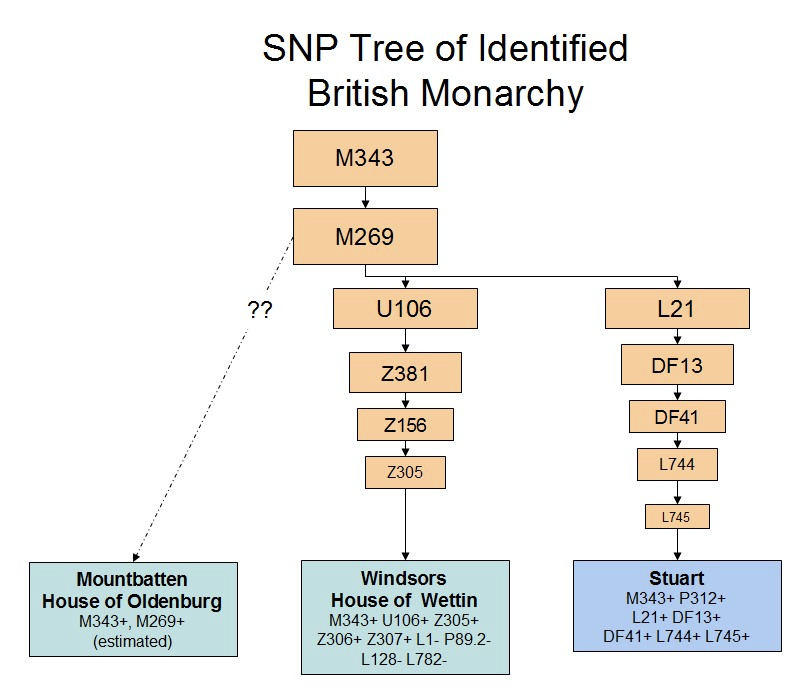
‘… There are numerous royal lineages from the House of Wettin. The Y-DNA signature for the House of Wettin is characterized as Haplogroup R1b-U106 with the additional SNP Z305+ (Figure 5) [above]. This finding comes from tests of two descendants of Prince Franz Herzong von Sachsen-Coburg-Saalfeld (1750-1806). Figure 4 [below] illustrates the genealogy connection between a Coburg Prince and the Windsor Monarchs. The test participant is a second cousin, twice removed to King George VI (1895-1952) with a known TMRCA of 166 years.’
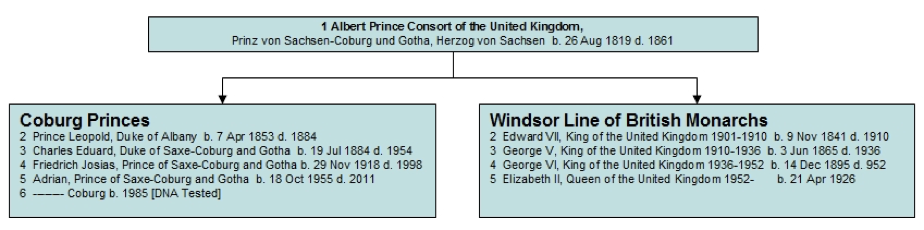
‘The Stuart line of monarchs were among the most controversial in their own time… a total of six (6) monarchs were crowned from the paternity of Henry Stuart, Lord Darnley of Scotland (1545-1567). This Y-DNA linage can be traced further back to Robert II of Scotland (1316-1390), Walter FitzAlan (1106-1177) and Alan FitzFlaad (1070-1114) who came from Brittany, France as a knight in Norman service. Because Brittany was settled (and named) by displaced Celts from Britain in the 5th century, this lineage is thought to be anciently Celtic.
Although the Stuart line of British monarchs ended with the death of Queen Anne in 1714, there are several living Dukes and other Peers who are patrilinealy descended from King Charles II (1630-1685). Thus, the Stuarts could easily return to the throne if a female Mountbatten heiress were to marry a Stuart male in the future. The recent birth of a male Prince Cambridge, however, makes the possibility of returning a Stuart to the throne unlikely for the 21st century.
Thanks to an energetic DNA project and the participation of many Stuart/Stewart descendants, the Stuart Y-DNA signature is the best-studied of all the British monarchs. Figures 3 and 5 include test result highlights for the Stuarts based on an identified ducal descendant of King Charles II. Their Y-DNA is characterized as part of haplogroup R1b-L21 with the key SNP mutation L745. This R1b-L21 result is consistent with the Celtic attribution of the Stuart’s 11th century patriarch.
The Tudors are best known for King Henry VIII (1491-1547) and his daughter, Queen Elizabeth I (1533-1603). This dynasty provided five (5) English monarchs and is the only royal male line attributed to Celtic Wales. Henry VIII’s father, Henry Tudor (1457-1509), began the dynasty in 1485 by winning the crown in battle for the Lancastrians and closing the War of the Roses by marrying Elizabeth of York (1465-1503). Henry Tudor’s paternal ancestors are believed to descend from Ednyfed Fychan (1170-1246) of Wales.
A Tudor Y-DNA signature has not been identified and there are no documented descendants after the 17th century. If a signature can be identified, however, there may be numerous living matches because the ‘Tudor’ surname is still common where the royal Tudors originated on the Isle of Angelsey in Wales. There is at least one person of Welsh descent and surname who claims paternal descent from Henry VIII’s ancestor, Ednyfed Fychan. It is also reputed that Mary Boleyn’s first son, Henry Carey (1526-1596), was an illegitimate son of Henry VIII and may have had descendants that survived but faded from historical records. Carey’s remains lie in Westminster Abbey while Henry VIII’s remains lie in St George’s Chapel at Windsor Castle so the potential for aDNA to reveal this Y-DNA signature is tantalizing.’
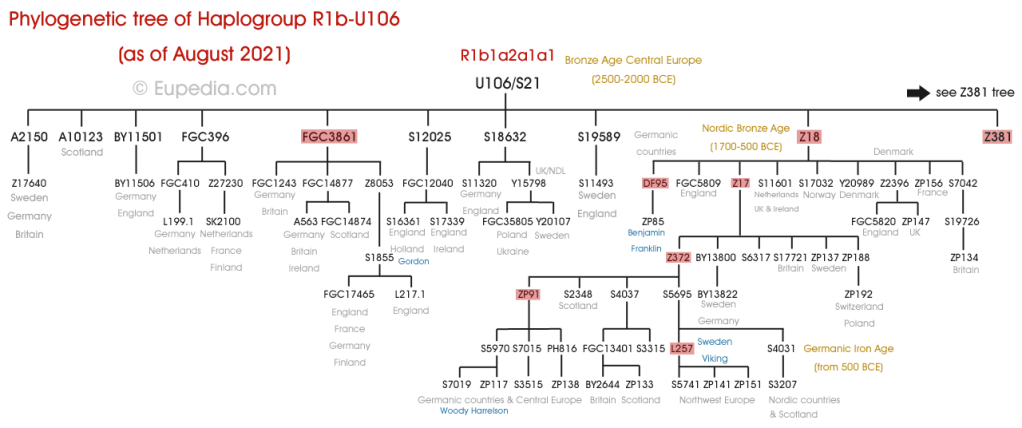
‘The Plantagenets are perhaps best known for King Edward I (1239-1307) as portrayed in the movie Braveheart (1995). The Plantagenets are sometimes subdivided into the Lancastrian and Yorkist factions who fought the bloody War of the Roses over succession. But all of the fourteen (14) monarchs of this group were paternally descended from King Henry II (1133-1189) who was born in France and brought Ireland and England under the same crown. Although his mother was a granddaughter of William the Conqueror (1028-1087) and daughter of English King Henry I (1068-1135), Henry II’s Y-DNA came from his father Count Geoffrey V of Anjou (1113-1151) and further back from Geoffrey Ferole II, Count of Gastinois, France (1000-1046).
Plantagenet DNA characterization has been in the news… with an announcement of findings (without data) that MtDNA evidence supports the identification of a body discovered in Leicestershire as being the remains King Richard III (1452-1485). Researchers have identified four (4) surviving male descendants of Henry Somerset, 5th Duke of Beaufort (1744-1803) who should be Y-DNA matches for Richard III and all Plantagenet kings. Unfortunately, those results have not been published and were refused for this paper.
There have also been news stories about an Australian man named Simon Abney-Hastings, 15th Earl of Loudun (b. 1972), who might have been heir to the British crown from George Plantagenet, Duke of Clarence (1449-1478) under an alternative succession. However, that lineage has seven (7) maternal descents and so does not have any Plantagenet Y-DNA preserved. If a confirming Plantagenet aDNA sample is needed, investigators might consider King Henry III (1312-1377) who was interred in a chest tomb inside Westminster Abbey, London. Or perhaps the royal tomb of King Henry IV (1366-1413) at Canterbury Cathedral should be considered. Unlike many of his kinsmen, Henry IV died of natural causes and was buried with great care by his widow.’
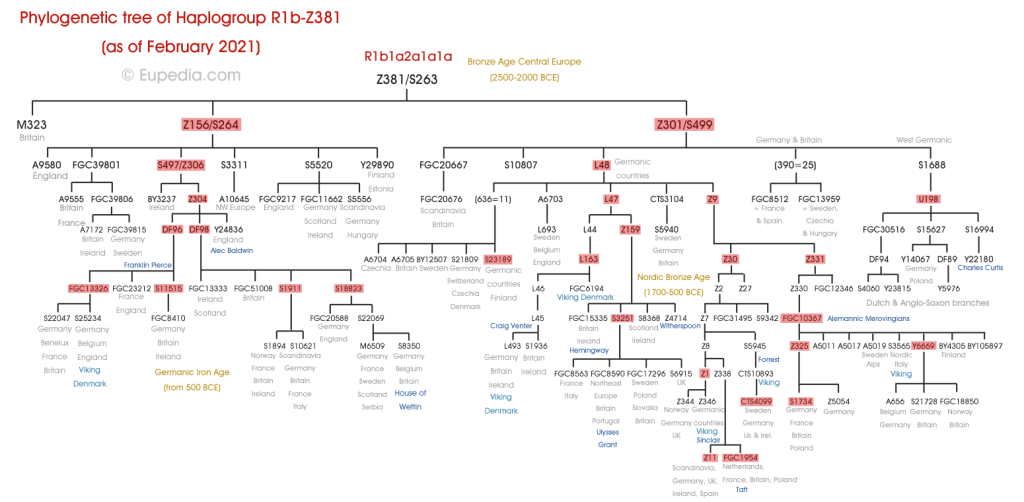
‘The House of Normandy was seated with the successful invasion of England in 1066 by William I (1028-1087). This dynasty introduced French language and martial skills into the Anglo-Saxon culture of England. To put it in modern terms, these Normans were the high tech gurus of the 11th century with innovations like the Domesday Book, elaborate castles, and combined-arms warfare. Yet for all the territorial gains of William the Conqueror, his dynasty did not last long – only three (3) monarchs over 69 years. William’s Y-DNA came from his Viking ancestor Robert I (846-931) who was probably born in Denmark and became Duke of Normandy, France in about the year 900.
There are no patrilineal descendants of William the Conqueror who survived past the 12th century. Nor are there any modern DNA test results that have been linked to his paternal ancestors. William I and Henry I were both buried in abbeys but their remains were destroyed in subsequent centuries. There may be a chance for an aDNA test, however, as some of the bones of William II (1056-1100) are believed to be in a mortuary chest in Winchester Cathedral.
Geographically, only one (1) of these dynasties (Wessex) originates in England before the 10th century and another in Wales. Six (6) of these dynasties converge on Germany and Denmark (and Wessex would make a seventh if one considers its origins prior to the 7th century). Two (2) more of the dynasties originate in France. Culturally, two (2) of these dynasties are Celtic in origin, two (2) French, and five (5) Germanic.
Based on the royal test results available, the overall Y-DNA results from Europe, and the geographical convergence of many of these lineages on Denmark and Germany, it is hypothesized that the Normandy, Wessex, and Knýtlinga dynasties will be found to come from the R1b-U106 haplogroup. The Tudor line is likely to resemble the Stuart line and come from haplogroup R1b-L21. The Plantagenets are a bit more difficult to predict as some speculate that they are related to the Carpetian kings of France and descended from Roman citizens… However, early sources attribute them as Germanic Franks and thus more likely to be another branch of R1b-U106′ or possibly from R1b-U152.
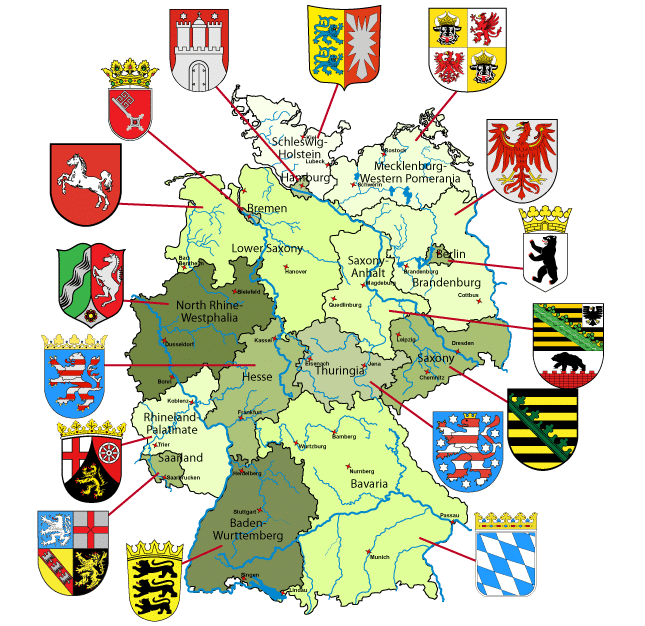
A brief reminder on the origin of the royal dynasties in Britain originating in Germany. They include the House of Hanover from the lander of Lower Saxony in northwestern Germany; the House of Saxe-Coburg and Gotha or Windsor from Thuringia in central Germany; and the House of Mountbatten, from Hesse also located in central Germany.
Aside from maternal mtDNA T2, other Haplogroups linked with European royalty include J1c2c found in the remains of Edward IV and Richard III as well as the most prevalent mtDNA Haplogroup, H. William III carried Haplogroup H as did Queen Victoria. Victoria was a descendant of Matilda of Flanders, 1031-1083 who married William the Conqueror.
There is conflicting information surrounding the famous Scottish king with Norman ancestry, Robert I of Scotland and Clan Bruce. One source claims Haplogroup I1 and another that ‘Clan Bruce, Robert the Bruce and David II of Scotland and High King of Ireland, Edward Bruce, Earls of Elgin and Earls of Kincardine [were] R1b-DF27 > ZZ12 > Z46512 > FGC78762 > ZZ41 > S7432.
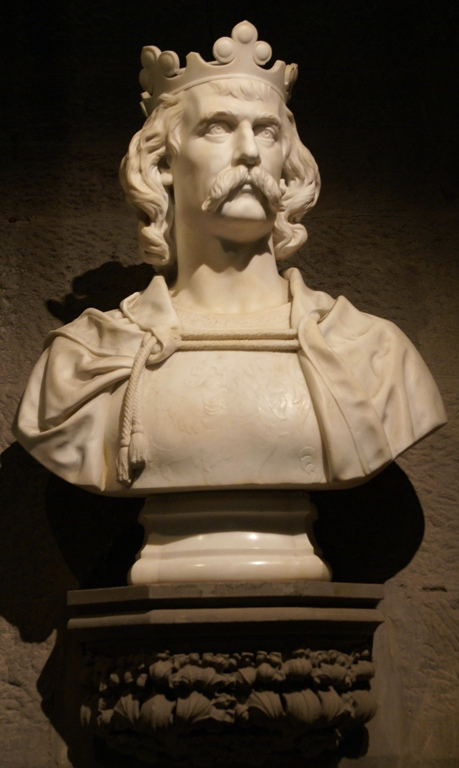
Hero or anti-hero – Robert the Bruce
The Austrian [German] House of Hapsburg were instrumental in spreading their royal connections throughout Europe, almost as successfully as Queen Victoria. The Hapsburg Y-DNA Haplogroup being: R1b-U152 > L2 > Z41150 > DF90 > FGC59564. Richard III of England also carried U152. Eupedia state: ‘… three modern relatives with the surname Somerset and descended from the House of Lancaster all belonged to haplogroup R1b-U152 (x L2, Z36, Z56, M160, M126 and Z192). Although this points to a non-paternity at some time in the Plantagenet lineage, it is likely that most if not all Dukes of Beaufort, and possibly most Plantagenets monarchs outside the House of York belonged to R1b-U152.’
The O’Neil Dynasty of Gaelic Irish lineage in Northern Ireland, descended from Niall of the Nine Hostages and carried R1b-L21 > DF13 > DF49. Similarly as stated earlier, the House of Stewart, ‘who ruled Scotland from 1371, then also England and Ireland from 1603 until 1707, [belonged] to R1b-L21 > DF13 > Z39589 > DF41/S524 > Z43690 > S775 > L746 > S781. The most prominent members were King Robert II of Scotland, Kings James I, Charles I, Charles II and James II of England and Ireland. This is concordant with the history of the House of Stuart, which traces its roots to Brittany (a region with a high frequency of R-L21) before settling in Scotland during the Norman period.’ While Charles I had mtDNA T2, his son Charles II inherited Haplogroup H from his mother, Henrietta Maria of France. James II was also mtDNA Haplogroup H.
Prince Philip who carried Y-DNA R1b and mtDNA H, was the son of Princess Alice of Battenberg – who helped rescue Jews during the holocaust – and Prince Andrew of Greece and Denmark. While the Windsor (Wettin) kings have belonged to the Germanic R1b-U106, it is not clear if Philip and hence Charles are the same or the Celtic R1b-L21.
According to Eupedia, regarding the House of Bourbon: ‘All kings of France being descended in patrilineal line from Robert the Strong (820-866), unless a non-paternity event happened some time before Louis XIII… belonged to the same R1b-Z381 lineage. The House of Bourbon also includes all the kings of Spain from Philip V (1683-1746) to this day with King Juan Carlos, all the kings of the Two Sicilies, the grand dukes of Luxembourg since 1964, and of course all the dukes of Orléans and the dukes of Bourbon.’
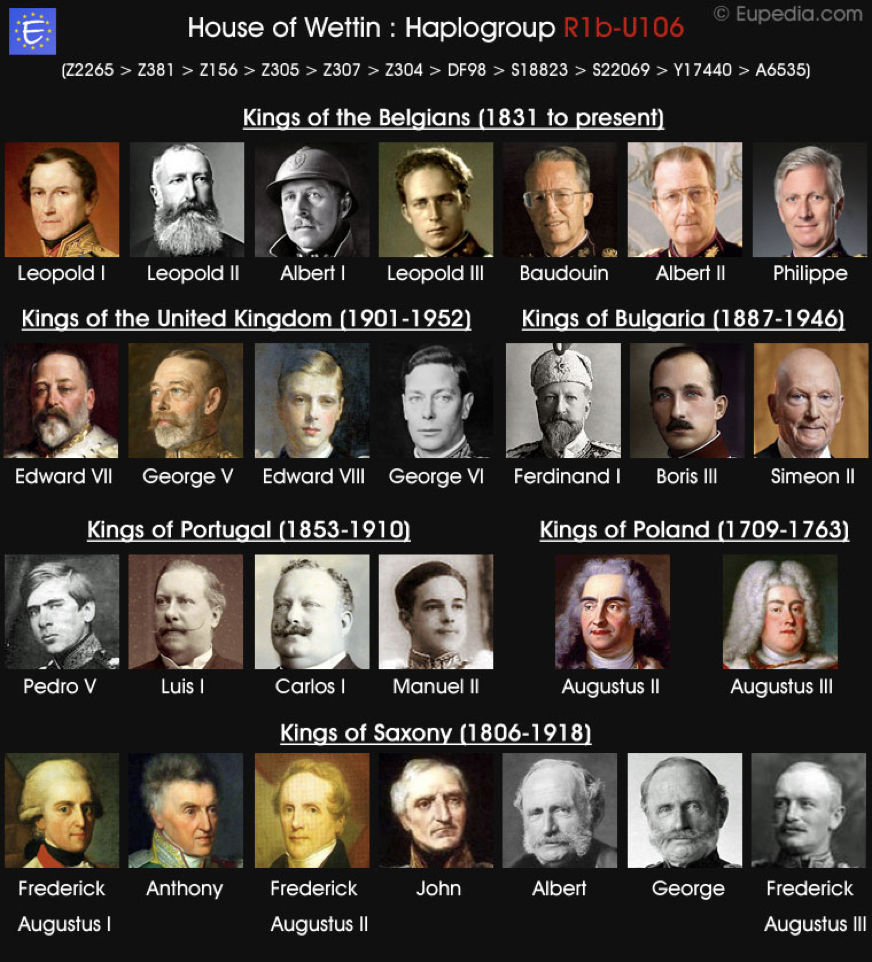
‘The lineage of the House of Wettin was identified as R1b-U106 > Z2265 > Z381 > Z156 > Z305 > Z307 > Z304 > DF98 > S18823 > S22069 > Y17440 > A6535… Members of the House of Wettin include the Kings Edward VII, George V, Edward VIII and George VI of the United Kingdom, all the Kings of the Belgians, the Kings of Portugal from 1853 to 1910, the Kings of Bulgaria from 1887 to 1946, several Kings of Poland and Grand Dukes of Lithuania, the Margraves of Meissen from 1075 to 1423, the Electors of Saxony from 1423 to 1806, the Kings of Saxony from 1806 to 1918, and the rulers of the numerous smaller Saxon duchies.’
Remarkably, a number of United States presidents have also been Z381. One perhaps would expect a truly legitimate royal line to exhibit the paternal ancestry evidenced in the R1b Haplogroup and principally, the sub-clade U106 from which Z381 is downstream. For while L21 is undoubtedly a Celtic and thus Israelite R1b sub-clade, it is not given that it is a pure line from Judah. Likewise, the maternal Haplogroups H and J may not be as representative of a royal or Judaic pedigree as mtDNA Haplogroup T2.
Edward VII carried mtDNA H from his mother Victoria and Y-DNA R1b-U106 (Z305+) from his father Prince Albert. Edward married Alexandra of Denmark (1844-1925) who passed her mtDNA Haplogroup T2 to George V – who was Y-DNA R1b-U106 like his father.
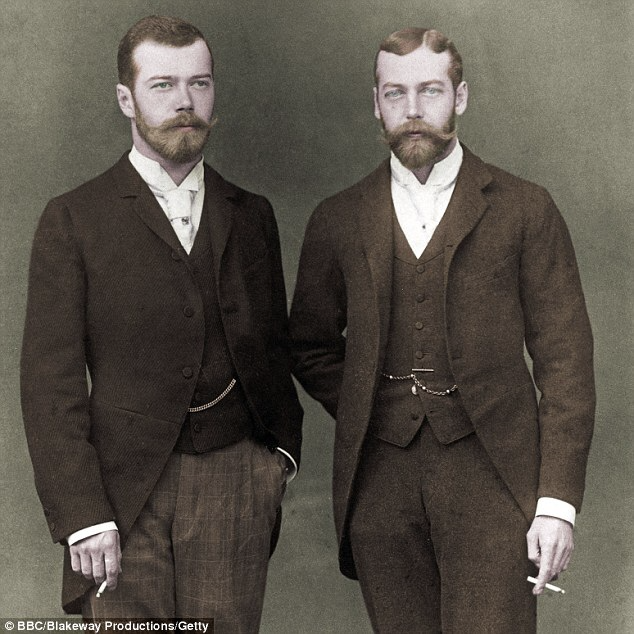
Nicholas on the left and George on the right
It is curious then, that George V possessed a remarkable physical similarity to his cousin, Nicholas II.
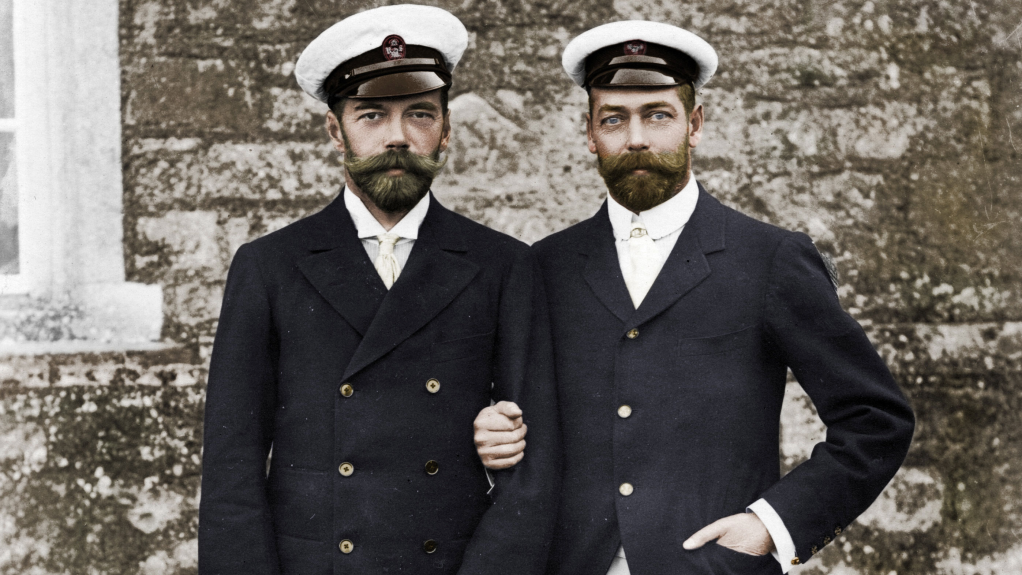
Nicholas on the left and George on the right
Perhaps the Tzar was R1b-U106 and not R1b-L21 after all?
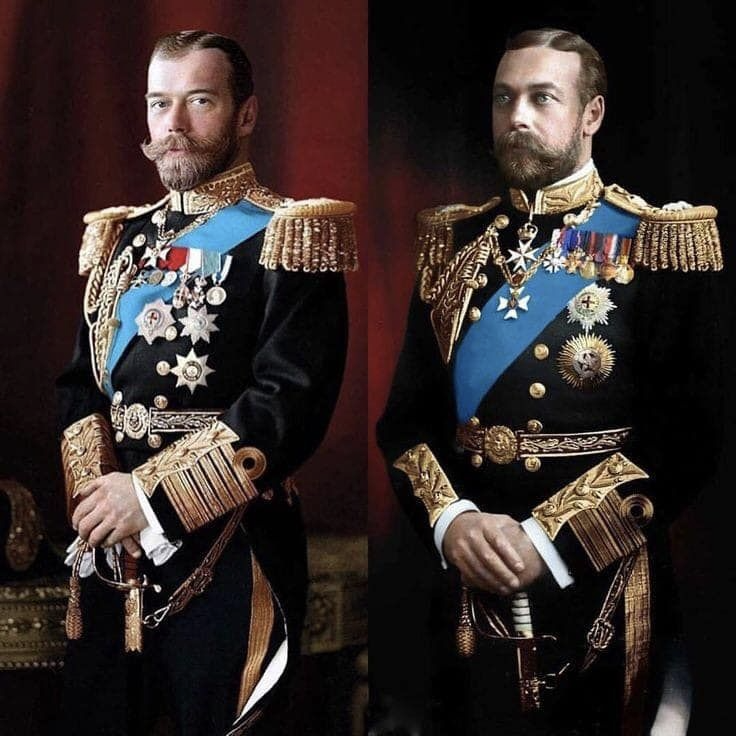
Nicholas on the left and George on the right
With this in mind, it is fascinating to learn just how English or perhaps German, the British royal family’s ancestry is. An example of just how interesting yet convoluted family ancestry can be, is the fact that ‘Charles is related to Vlad the Impaler, the inspiration for Dracula. The grandmother of Elizabeth was believed to be descended from two of Vlad’s sons’, says Ella Creamer.
According to Jim Wade: Elizabeth Alexandra Mary Windsor (1926-2022), was ‘ethnically 42% German, 39% English’, leaving 19% unaccounted. The contention would be that nestled within the German figure or perhaps the remaining nineteen percent, was a hidden Jewish ancestry. This we shall explore, though the subject has been addressed in Chapter XXIX Esau: The Thirteenth Tribe.
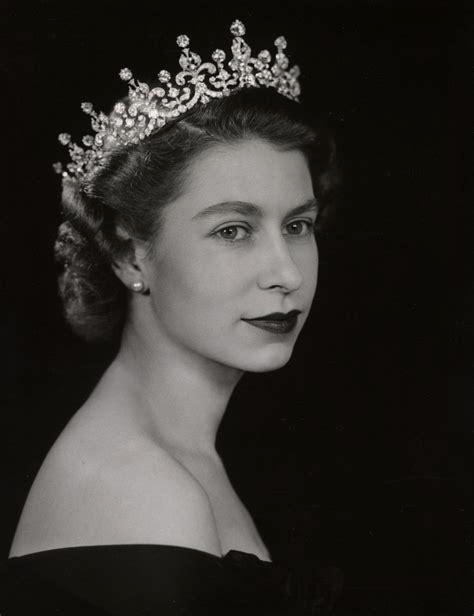
Wade continues in saying that Prince Philip was ‘ethnically 90% German, 0% English’, leaving 10% unaccounted. Meaning a Jewish component likely resided within the German percentage or the remaining ten percent. Charles is ‘ethnically 66% German, 19% English’, leaving questionably 15% room for a Jewish element. Prince William is ‘ethnically 34% German, 35% English’, leaving a substantial 31% to be deciphered.
Wade – emphasis his: ‘Let’s look more closely at ethnicity as researched by eminent genealogist William Addams Reitwiesner in [his] paper: The Ethnic ancestry of Prince William. I’ll summarise first and then show the detail.
“Queen Mother was entirely British” Almost true. She was a good three-quarters English but ethnically five times more French than Scottish.
“King George VI was at least part ethnically British” Not true. He was ethnically 0% British, 83% German**
“Prince Philip descends from the English, Scottish and British monarchs” True but he was also ethnically 0% British – and 90% German**
“Princess Diana was entirely British” Not quite true. She was ethnically largely British (over 90%) but not entirely.**
The ‘German’ figures I’ve used reflect the fact that, according to Reitwiesner, the ‘Royal’ ethnic group (created by the historic extensive inter-breeding between European Royals) is essentially German. So he says it’s valid – and I quote – to “simply add the values I refer to as Royal to the values I refer to as German and call the result German.” Here are the ethnic group details from Reitwiesner’s extensive research – which I know upsets the standard narrative.’
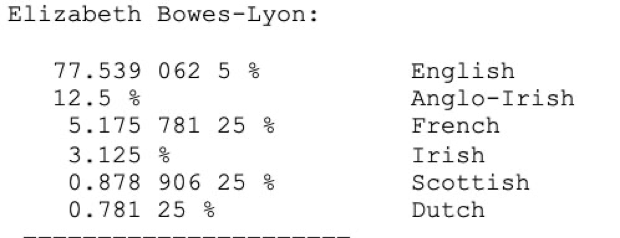
The first set of results are for Queen Elizabeth’s mother. It is not clear what the right hand columns signify, but for our purposes the percentages applicable are on the left. In this case, the Queen mother was 77.5% English – therefore of the tribe of Judah. It is presumed the Anglo-Irish means Northern Irish. Added to the Irish and Scottish, it totals 16.5%. This number added to English adds up to 94% British and Irish, with only 6% equating to non-Israelite DNA. No German and on the surface, no Jewish. Unless there is unaccounted ancestry within her ‘English’ heritage.
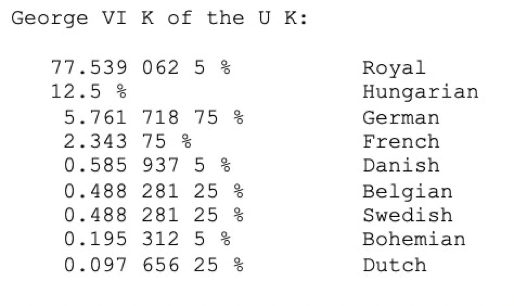
The second table is for Queen Elizabeth’s father George VI, husband of Elizabeth Bowes-Lyon and great grandson of Queen Victoria. His principle ethnicity is counted as royal which is a euphemism for German. Thus added to obvious German is actually 83%. There is no British or Irish DNA at all. Apart from Hungarian, the remaining ethnicities are negligible. A Jewish element resides within the eighty-three percent for German. The question remains, how much?
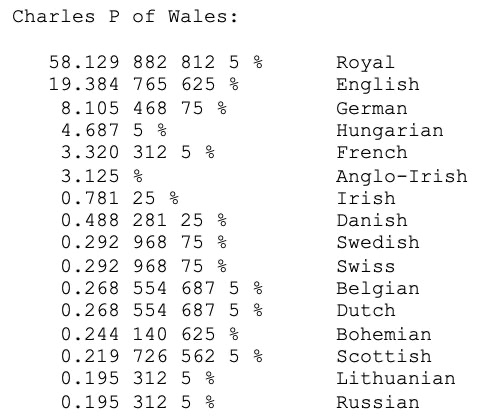
King Charles’ table is interesting for the diversity it reveals. His combined royal and German total is 66% and again, somewhere in that figure lies a percentage of Jewish ancestry. Charles’ actual Israelite descent equals 23.5% – of which 19% equals the tribe of Judah – with the remaining 10.5% miscellaneous. Presumably inherited from his mother?
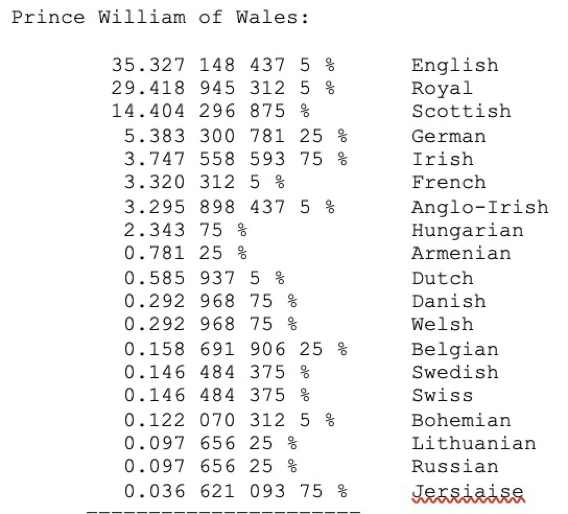
Finally, the most interesting of all, William, the Prince of Wales and Duke of Cambridge (1982 -). His combined royal and German percentage is 35%, the same as his English figure of 35%. Yet, this is still misleading, for while his mother Diana Francis Spencer (1961-1997) was 90% ‘British’, she had a Jewish mother – Frances Ruth Roche (1936-2004) and her father John Spencer, the 8th Earl Spencer (1924-1992) was from a line of Earls and Dukes all the way back to James VI/I. Thus the English percentage for William is not just from the tribe of Judah, but also includes Jewish descent from Edom. William’s known Israelite blood is 22%. Meaning the remaining 8% is miscellaneous.
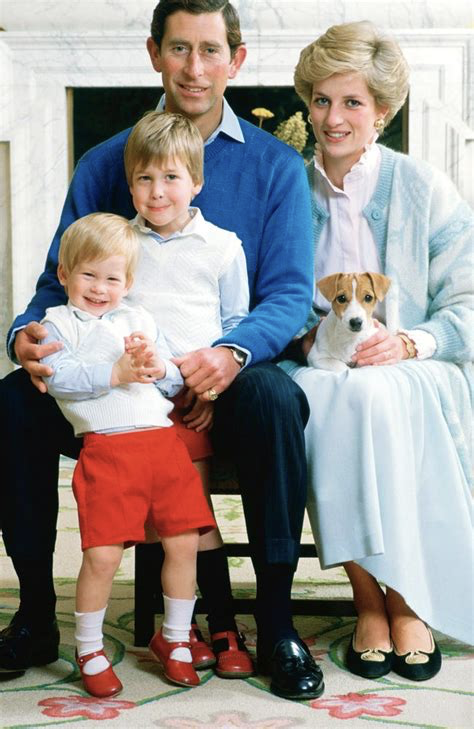
Therefore, William’s son George Alexander Louis (2013 -), has inherited not only Jewish blood from his father William via both grandparents, Charles and particularly Diana; George has also inherited Jewish ethnicity from his mother Catherine Middleton, Princess of Wales and Duchess of Cambridge (1982 – ) who herself has a Jewish mother.
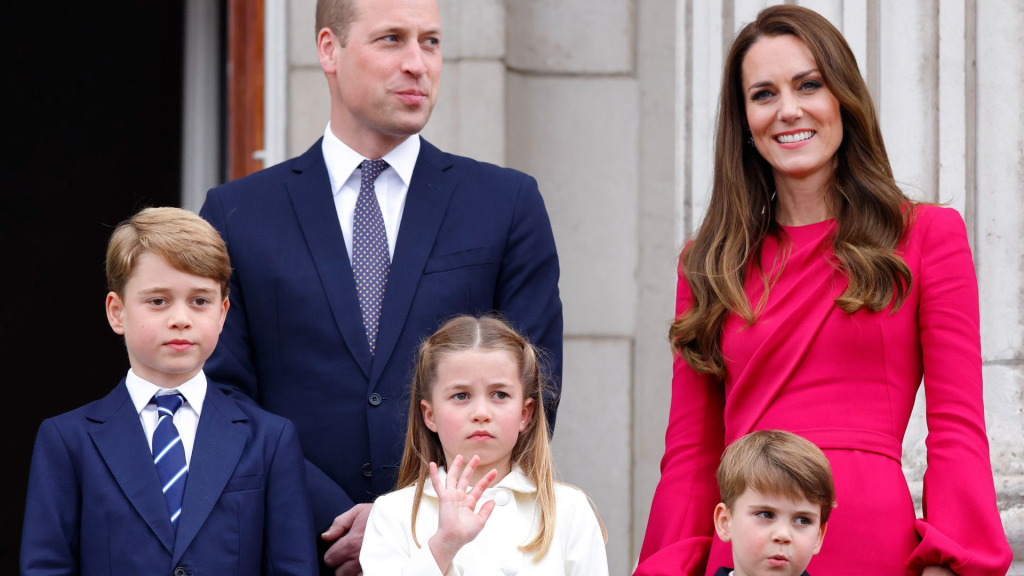
It is appreciated constant readers will realise where we are heading, while other readers will be grappling with why we are questioning German and Jewish ethnicity. This writer has no prejudice against Germans, Germany, Jews or Israel.
The issue is related to whether: a. Charles III sits on David’s throne – yes he does; b. whether he is descended from David – he is almost certainly not; and c. if Charles could be honestly called English and a descendant from the tribe of Judah. Or, is he for all intent and purpose, German-Jewish? If such is the case, then this has historical and prophetic significance – refer article: The Establishment: Who are they… What do they want?; Chapter XXVIII The True Identity & Origin of Germans & Austrians – Ishmael & Hagar; Chapter XXIX Esau: The Thirteenth Tribe; and Chapter XXX Judah & Benjamin – the Regal Tribes.
As stated in a previous work, “… whether one deems the royal family as being descended from [Judah] as ‘Jewish’ or not – but rather a German-British (English, Scottish and Welsh) amalgam of peoples – does not change the fact that the English are the true descendants of Judah. Therefore the present royal family, while with some form of ancestral ties to the true tribe of Judah through English, Scottish and Welsh royal families, they are predominantly German and Jewish. Meaning they are descended from ostensibly Ishmael, but even more accurately, [from] Esau…”
Testament to this is the fact that George VI had 0% British ancestry; Elizabeth II somewhere between 40% to 50% British ethnicity; Charles has only 23.5% British DNA; and William is 57% at best and more plausibly about 40% genetically British. The royal family of Windsor – a pseudonym for the true Saxe-Coburg-Gotha and Mountbatten origins – are not very English let alone British, at all. Even their ‘German-ness’ is open to question as actually being Jewish.
Concerning Prince Charles, Ella Creamer states: ‘He once sent Barbra Streisand flowers. She later commented “I had a very funny line on stage when he came to see (my) show. I said, ‘You know, if I played my cards right, I could have wound up being the first Jewish princess!’
This is not an attack on Jewish people, rather an exposition of the higher echelons of Jewry and their attack on us – Article: The Establishment: Who are they… What do they want?. It is difficult to call King Charles wholly English and if he is substantially Jewish, then why does he and the Windsor family keep this secret from the public? In a fulfilment of biblical prophecy, the Jewish establishment for the past handful of centuries sought to control the world’s money supply and to infiltrate the royal families of Europe – Genesis 25:23; 27:40. Both objectives have been successfully staged. The result is that a tightening of control continues to grip our civilisation as we head towards a totalitarian one world, theocratic government, again prophesied in the Bible (Daniel 7:23-25, Revelation 13:1-18) – Article: Is America Babylon?
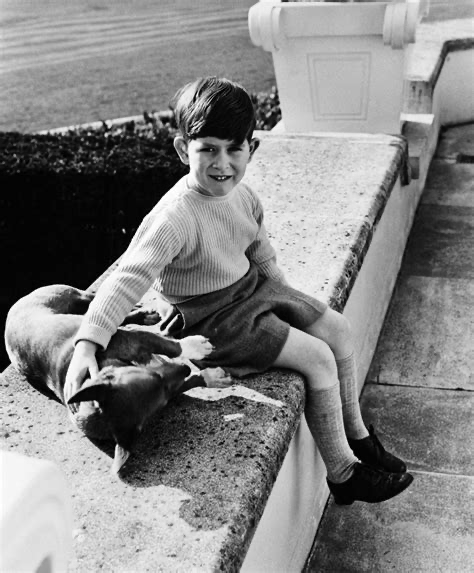
A time when young Charles enjoyed little responsibility…
… the somewhat relaxed smile of childhood, giving way to the weight of royal duty
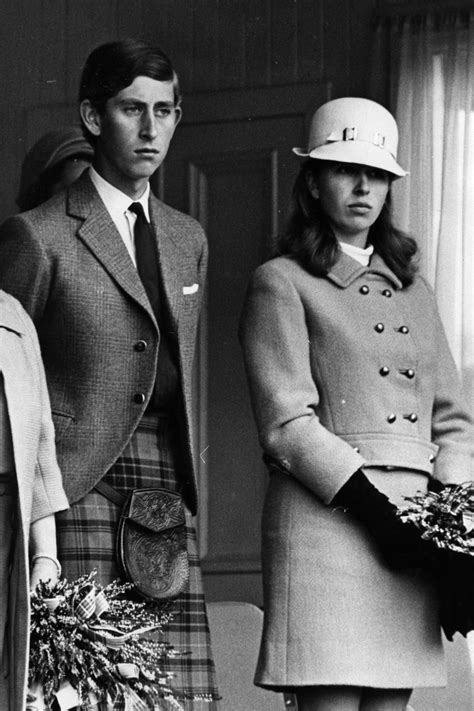
Charles and Princess Anne
… the anxiety of being heir to the throne…
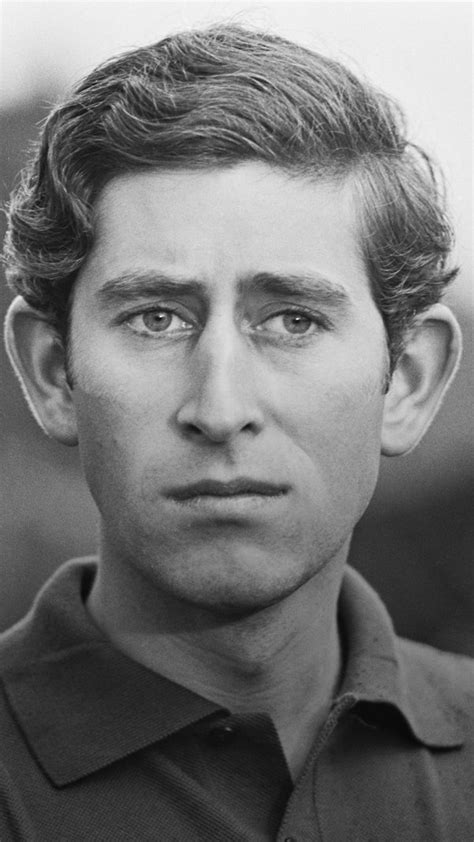
… yet waiting in the wings lasted decades longer for a future king in the shadow of the longest reigning British monarch in history…
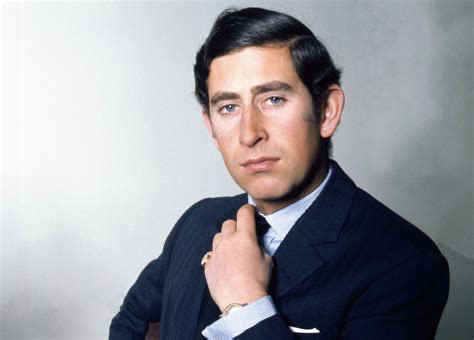
The following is an edited excerpt from Chapter XXIX Esau: The Thirteenth Tribe:
‘An example of the related closeness of European royalty was exhibited at the beginning of the first World War, where Kaiser Wilhelm of Germany and Czar Nicholas II of Imperial Russia were third cousins and both of them were first cousins with King George V of England. The British monarchy had been able to gloss over their German roots, though quickly realised that it did not help their public image to be known as the House of Coburg-Saxe-Gotha, while at the same time their British ‘subjects’ were dying in trenches fighting their equals including from none other than Coburg-Saxe-Gotha, in Thuringia, Germany. Thus the Germanic monarchy of Britain changed their name to the far more agreeable: House of Windsor.
George III, great Grandson of George I, was the first German monarch to be born in England, in London, 1738. Though it appears that the House of Hanover is German, it is really Jewish. Since at least the seventeenth century every European royal house has been infiltrated by the Jews. For instance, the famous and influential Hapsburg Royal House in Austria. It wasn’t truly a German family who… [ascended] the British throne. The Hanoverian royal family were originally a Jewish family who claimed to have converted to Christianity in the fifteenth Century. The rumours are persistent in that the British royal family are still, secretly, Jewish.
Interestingly, the sovereign Bible that all British Kings and Queens use at their Coronation has been written in Hebrew since 1714. All British Monarchs are required to attend secret ceremonies at the Bevis Marks Synagogue – established by the Bank of England in 1701 – in the City of London, the night before their Coronation. The ceremonies are always attended by Britain’s senior Jews and Bankers. The very real, yet shadowy rulers behind the throne.
James Stuart the Old Pretender, son of King James II invaded Scotland in 1715 and attempted unsuccessfully to take back the British Crown from the Jews. The Stuarts made their final attempt to re-take British sovereignty from the Jewish usurpation when they invaded England in 1745 with an army of Scottish Highland Clans under Bonnie Prince Charlie, the grandson of King James II – and recall the first Charles III. Defeated at the Battle of Culloden in 1746; Bonnie Prince Charlie went into exile and the British Royal House of Stuart came to… [a sudden] end.
The Jewish connection within the British Royal family is evidenced by the rite performed by the Mohel; a Jewish practitioner of circumcision in London on the royal family. Odd ‘that the male patron of the world’s largest protestant church is circumcised by a rabbi in a Jewish ceremony.’ Charles, as Prince of Wales, was circumcised by Rabbi Jacob Snowman a medical doctor and the leading Mohel in London at the time; circumciser to the royal family. Snowman has only ever circumcised Jewish patients. All ‘British’ Kings have been circumcised by Jewish Doctors since 1714.
Queen Victoria claimed to be a direct descendent of King David and several items in the Crown Jewels are engraved with the Star of David. The Star of David is a Jewish, Edomite symbol and though it is ironically linked to the tribe of Judah, it has nothing to do with King David – refer articles: The Ark of God; Thoth; and Seventh Son of a Seventh Son. In all Royal Palaces and other premises it is purported that both Sunday and Saturday are treated equally as the Sabbath Day – Article: The Sabbath Secrecy.
It is reported that King Charles has his own blue velvet kippa, with a royal crest on it in silver to wear at Jewish weddings and that he possesses other Jewish regalia, of which the exact purpose is not known. As the defender of the Church of England and the christian faith, it can be understood why King Charles should wish to uphold all faiths, when in fact he is secretly Jewish. His duplicity of allegiance and being a member of the Magic Circle since 1975 for instance, would only cast hypocrisy if his oath as king had not been amended. Ella Creamer adds: ‘Charles has a love for magic, and was inducted into The Magic Circle… after performing a cup and balls trick. Though his acceptance may have been pre-decided, as his certificate was signed in advance of the audition.’ At all synagogues in the United Kingdom, two daily prayers are always held, one for the Royal Family and one for the State of Israel. Both are Jewish and neither are the tribe of Judah.
Reitwiesner’s extensive research includes the following incredible ethnicities in King Charles ancestry: English, Scottish, Irish, Anglo-Irish, Royal, German, French, Dutch, Belgian, Danish, Swedish, Swiss, Bohemian, Lithuanian, Hungarian, and Russian. Yet Jewish is not listed, included or discussed? Its omission resonates resoundingly. Ironically as the former Prince of Wales, Welsh is not included in King Charles ancestry either.
Princess Diana’s mother, Frances Shand Kydd is known to be Jewish – born Frances Ruth Burke Roche, a Rothschild. That is sufficient cause for Princess Diana to be certified as Jewish as well as her son, Prince William, the future King of England. Prince Harry’s appearance in a Nazi uniform with a swastika at a party in 2005, is both irregular and unsettling in light of this. Princess [Catherine’s] mother, Carole Goldsmith, is the daughter of Ronald Goldsmith and Dorothy Harrison who were both Jewish. Thus Carole Goldsmith is Jewish and by extension, according to Jewish law and custom through the maternal line, her daughter Kate Middleton is Jewish. Therefore, the future monarch Prince George is ethnically, predominantly Jewish – not even primarily German and certainly not principally English.’
One can observe in Prince George’s face above, the apprehension seen so frequently on the face of his grandfather Charles…
… while in this photograph, there is a more than a hint of none other than Prince Andrew, as evidenced below left…
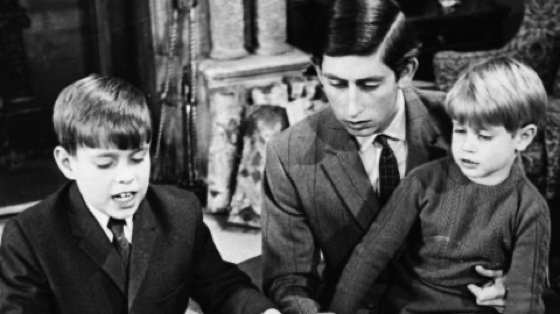
The three brothers below – Andrew, Charles and Edward – sharing a happier moment…
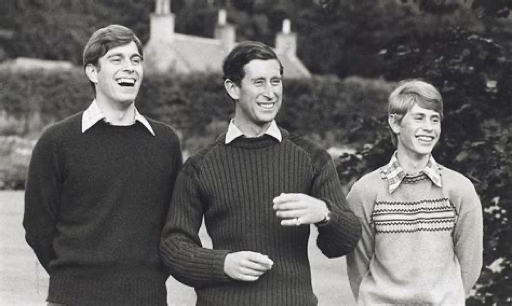
‘One commentator states, British mainstream media ignored how a flight attendant married the Queen’s grandson, William. Kate’s selection was carefully crafted and although the pretence maintained in Kate Middleton’s wedding ceremony is that she is Christian, her family roots show that she is considered a Sephardic Jew from her mother’s side. According to the same commentator: ‘This gains more significance once we realize that… Sources close to… Kate Middleton’ said the ‘Church of England decided to baptize and Christianize the new member unofficially and secretly so that her marriage to Prince William could be confirmed. Nevertheless even being baptized… cannot prevent Prince William’s son [George], the next king and the senior governor of the Church of England, from being a Jew…’
One considerable side benefit for the Jewish infiltration into the British monarchy is that since William the Conqueror in 1066, all of the property of England, Britain and the United Kingdom belongs to the Crown. When one thinks they own their property outright, having no debts due on say, a house; they in fact just own license to the title, and it’s the monarchy which actually owns the property. The Queen continues to legally own the lands of Britain, Northern Ireland, Canada, Australia, New Zealand, land in Antartica and thirty-two of the member nations of the Commonwealth. The king who is the Crown, owns approximately one sixth of the planet’s surface. As one website explains: ‘Feudalism is not dead. It’s just hiding.’ Eminent Domain, that is Compulsory Purchase, gives the Crown or its Government agents, the power to purchase land from the freeholder in the event of necessity. The freeholder has no power to refuse.
The fact that the royal line in England is a fraudulent usurpation and the identity of the House of Windsor is not what everyone thinks it is, is concern enough, one would think; though an additional controversy is that the marriage of Queen Victoria to Prince Albert tempestuous at times, was possibly more divided than realised. Victoria was smitten when she first met Albert of Coburg-Saxe-Gotha; though Albert revealed a different side after marriage, with his thirst for power. In reality, he was king in all but name. Though public perception was a fairy tale marriage, Albert’s strong hold on Court life and Victoria, reshaped life in the palace in the twenty-one years they were married. Victoria having seven of her nine children in the first ten years of Marriage between 1840 and 1850, was in no condition to resist Albert’s aims and was wholly subjugated.
Queen Victoria was also the first known royal carrier of Haemophilia; which is commonly associated with European royal bloodlines – refer article: Rhesus Negative Blood Factor. Persistent rumour surrounds the father of Queen Victoria’s second child and first son, being Lionel Nathan Rothschild who was Nathan Mayer Rothschild’s son. Thus King Edward VII was the firstborn son officially, yet perhaps born in a bigamous relationship and therefore illegitimate. So added to an already fraudulent line, we may have an illegitimate monarch, who was quite accepting and willing to perpetuate a deception – Article: The Establishment: Who are they… What do they want?
The royal blood inherited from King Edward VII – who was known as ‘The Father of Europe’ – in Edward’s son, King George V was in tandem with his marriage to Mary of Teck, who was German on her father’s side and a great granddaughter of King George III on her mother’s side; producing the sons who became King Edward VIII and King George VI – the father of Queen Elizabeth II. The result is that Prince William and particularly his son Prince George, are not legitimately royal, or ‘mainly’ from the tribe of Judah but rather are in truth Jewish, descended from an Edomite bloodline.
The exact nature of the subterfuge perpetrated by influential Jews relating to European royalty and particularly the Royal family of Britain, would be eased if they gave an account of themselves. Though this will never happen. In an ideal world, the advocacy of total respect for the institution and to the Monarch would be appropriate; though as the Crown is corrupt, deceitful, lawless and opposed to truth, liberty and righteousness, with the family culpable of being willing participants in upholding a duplicitous status quo, their position is therefore vulnerable to the scrutiny we are putting it under and its subsequent exposition.’
When the question was posed on the online forum Quora, regarding the usurpation of the British throne by a family with a ‘German-Jewish’ genealogy, it was understandably met with consternation, derision and disbelief. Some of the responses are included.
Cris Smith: “There is [of] course three ways you can gain the throne and crown in the UK. Right of conquer. Right of inheritance. And the third very British way, be invited by parliament who will pass a law declaring you the monarch.”
Therein lies the problem, in that the second option makes sense, while the third is a convenient way of enacting a change of monarch with one deemed more, agreeable? Where would one draw the line for reasons to substitute a monarch?
Chris Spencer: “The only real usurper was William the Conqueror, who was not descended from the English kings and took the throne by military invasion. Every monarch since then has been one of his descendants. There have been a few occasions when the strict rules of inheritance were not followed – three times leading to civil war (the Anarchy, and the Cousins’ War, the Glorious Revolution) and then once to a political decision by Parliament which brought the Hanoverians to the throne… as they were not willing to tolerate another Catholic monarch. The current monarch reigns because he is a direct descendant of William I, and because according to UK law he is the senior descendant of Sophia of Hanover, and therefore the legal monarch of the UK.”
It could be argued that William the Conqueror was actually the rightful heir – from the tribe of Judah. A closer related bloodline sitting on the throne would in the mind of some, be preferable even if Catholic than a monarch 52nd in line who in reality was only overtly Protestant and who was really Jewish. The problem is compounded in placing so much confidence in the ‘law’ of the United Kingdom.
Helen Grant: “… there is no record of Jewish ancestry in the British Royal Family… who do you have in mind for this quintessentially British Royal Family to replace our current one? Of the remaining European monarchies, the Dutch, Spanish and Swedish ones all originated in France, the Belgian one in Germany, the Norwegian one in Denmark and, as far as the Danish Royal Family is concerned, the current branch originated in the Duchies of [Schleswig]-Holstein, which were parts of the Holy Roman Empire, but now part of Germany. I’m sure you will find many people in those countries who oppose the monarchy, but I doubt if anyone does so on the basis that they are not ethnically pure enough.”
No record of Jewish ancestry does not mean it is not there. Jews by necessity through the ages have been masters at disguising their identities. The final point is a valid one, though it remains unsaid, because the citizens of these countries are not aware of the conspiracy by stealth to infiltrate their royalfamilies with a Jewish bloodline.
A Jewish King And Queen Of England? It’s Possible, Bernard Starr, College Professor (Emeritus, City University of New York), Psychologist, Journalist, June 17, 2011 – emphasis mine:
‘What’s the chance of running into two Jews at Buckingham Palace and discovering that they are the King and Queen of England? Farfetched you say. Some curious emerging facts suggest that it could happen.
When the Royal Wedding uniting Kate Middleton and Prince William was announced, genealogy sleuths got to work. At first, the buzz indicated that Kate’s mother, Carole Goldsmith (maiden name), had Jewish ancestry. If Carole Goldsmith were Jewish then, according to Jewish law, her daughter Kate Middleton would be considered Jewish – and could become the first Jewish Queen (Consort) of England.
But alas, investigators still believing that there was a Jewish heritage in Kate’s lineage found that the last five generations of her family were married in churches. Of course, that doesn’t rule out that some may have been secret Jews, which was true for many Jews during the Inquisition. Other sources still suspect Jewish lineage for Kate. And according to an Orthodox Sephardic Rabbi in Israel, both parents of Kate’s mother were Jewish.
But wait, the plot thickens. Other intriguing bits of “evidence” and speculation have been cited… that claim that Diana was conceived during her mother’s affair with the Jewish banker tycoon Sir James Goldsmith (originally Goldschmidt and no apparent relationship to Carole Goldsmith). The report says that Frances was estranged from her husband, Earl Spencer (Viscount Althorp), and had an affair with Sir James Goldsmith just at the time that Diana was conceived. Strengthening the case, a report points to striking resemblances between Princess Diana and Sir James Goldsmith’s other three children, Zak, Ben and Jemima Goldsmith.
If these tidings are true then Diana would be thoroughly Jewish with a Jewish mother (Frances Ruth Burke Roche aka Rothschild) and a Jewish father (Sir James Goldsmith). In turn William, the future King of England, would have deep Jewish roots.
What a myseh (story).’
If there is truth to these accounts, then Prince William could be at least quarter Jewish from his mother Diana and perhaps half Jewish. Add this to Charles’ genetic input, where William would have 9.5% English/Judah blood and 29% royal aka Jewish DNA. Thus, William could be anywhere between 54% to 79% Jewish and far outweighing his English ancestry. For his son George, it means he would be 25% Jewish from his mother Kate and between 27% to 39.5% Jewish from his father William. Giving a total percentage of between 52% and 64.5% Jewish ancestry for Prince George.
Ostensibly, a convenient and plausible picture is painted of a British Monarch who is both English and Scottish. But this is not wholly accurate. The partial truth, is that King Charles III does possess ancestry of all the major ‘royal’ blood lines of the countries that comprise Great Britain and Northern Ireland. For in part, Charles is the descendant of the Stewarts of Scotland, the Tudors of Wales, the Milesians of Ireland and the Plantagenets of England. But, his ancestry is dominated principally by his descent from a ‘German-Jewish’ family, transplanted to the British Isles.
What is incredibly fascinating, is understanding now the thread that unites the four major royal strands Charles has inherited from the British and Irish peoples. Specifically, the actual origin of those four but related lines of Israelite descent. And if that wasn’t enough, even more startling, is the paradoxical intrigue surrounding the origin and identity of Charles III’s real ancestral roots; though geographically stemming from Germany, yet in reality, genealogically Jewish.
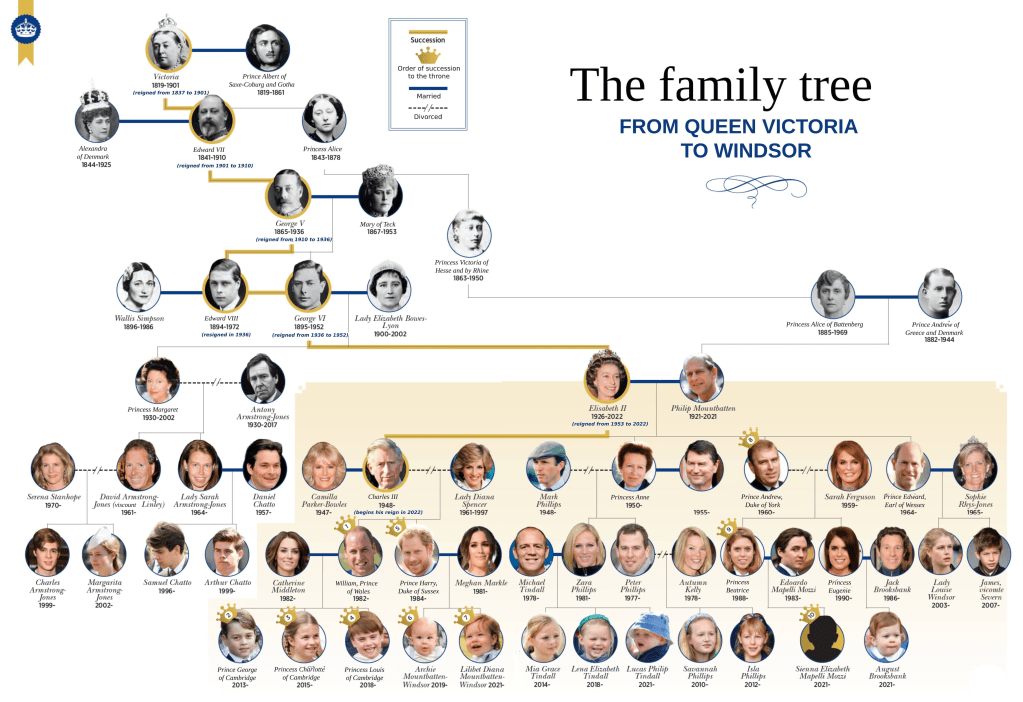
Before continuing with King Charles, the following article articulates the dedication his mother Queen Elizabeth exhibited. While she is not a monarch without blemish, she was certainly the epitome of what is required of a British monarch and set an exemplary example in her service to the United Kingdom and the Commonwealth.
Who is the least signifiant person in history that we’ve all probably heard of? Allen Lobo – capitalisation and emphasis his:
‘Not “probably”, but definitely heard of… that would be some understatement if ever there was one! Everyone… living on this planet… knows who she is. In fact I won’t even mention her name at any point in this answer, because I simply don’t need to.
She is easily the most famous sitting monarch, and I’ll bet that if you did a random test of the most recognizable faces in a… poll across the globe, she would rival the American president. Except that she’s been around (and famous) for a time period spanning no fewer than thirteen U.S. presidents (and coincidentally precisely thirteen U.K. prime ministers). So when viewed over that period, that race isn’t even close. She wins a recognition contest hands down. Not even 10% of people today outside of America would recognize a picture of Harry Truman or Dwight Eisenhower, or outside of the U.K. of say John Major or Ted Heath. The good woman has been world famous for nearly 70 years now! In terms of time, more than any other human over that period.
But tell me now, Of what actual significance is she? What real power does she have None. She is a mascot. Nothing more, nothing less.
That isn’t some hyperbole.
The surest way to be unpopular with the [Americans]? Insult their flag.
The surest way to be unpopular with the Brits? Insult their queen.
For all of the fun that Brits often make of [Americans] about the latter’s display of their national flag 24/7 in every… place, the Queen is to the Brits exactly as the “Stars and Stripes” is to the [Americans].
But the American flag has no power in and of itself. It is merely a symbol, albeit an immensely powerful one. Likewise The Queen is an incredibly powerful symbol. But a symbol nonetheless. A rubber stamp who must simply sign off on any decisions made at 10 Downing [Street].’
Well, that is not entirely true as we will learn.
Lobo: ‘Let her try to overrule the prime minister on any critical policy decision and that will be the end of the British monarchy. Go ahead, name any time in the last seventy years where she said “No!” to the prime minister openly on any national decision of actual consequence. This complete lack of power is not a position borne out of some kind benevolence but out of both necessity and astuteness.
That isn’t to say that the royal family are a deviously power-hungry bunch, but that the House of Windsor is acutely aware of how precarious the position of monarchs is. Not least given the demise of those in every other major European continental power, most notably of their own cousins in Germany and Russia a hundred years ago (the houses of Hohenzollern and Romanov respectively). And then the House of Hapsburg in Austria.
The Windsors are the last ones standing among major European powers.
They know it. They are VERY conscious of it!
And they will not risk anything at any cost, she knows how trying to insert herself into any political decisions would be the quickest way to ensure the demise of the monarchy.
Know why?
Because the public opinion can then turn on a dime at any time if a domestic policy or foreign war which she goes on to even support let alone dictate, then goes seriously bad.
With Tony Blair for the Iraq War or Theresa May with Brexit the public will say “Vote this person out!” But with the monarchy the public will say “ENOUGH!! We didn’t even vote for these people and they’re now trying to dictate our affairs?! Why are they even around?!!”
Now I personally hold that the monarchy is a very important tradition that should be maintained, that the Brits who want to abolish it are… bonkers. But and because of that’s precisely what it is – a venerable tradition, an institution. She is merely the face of that great institution which the British people can rally around, especially given the decimation of other ones like the Anglican Church. And she of all people knows that more than anyone else.
She has no real decisive say in foreign policy or domestic affairs. She is much like the president in India. A titular head of state but for all intents and purposes in frank terms, a completely toothless tiger.’
Again, not quite true and not the closest analogy. The monarch is more akin to a coiled serpent; who’s presence regarding issues remains hidden. Yet it still has two sharp fangs and a whole lot of poison, if and when it needs to strike with a bite.
Lobo: ‘Nobody even knows what she thinks on any important matters of state! Save perhaps for the prime minister who has to meet and consult with her on a fairly regular basis. Show of hands now by any of you who even have a clue about what her opinions are on the real contentious issues of the day among her subjects, like immigration or Brexit.
Any takers? No?
Okay then now go ahead, give me any other major head of state anywhere in the world at large who has significant political power – and about whose policy positions, you not only know practically nothing about but won’t find anything even if you tried. Just even one. Go on, take your time, I’ll wait. Yeah okay, you won’t find any.
Which is precisely the reason for her almost universal popularity. She’s like everyone’s favorite grandma – loved in most part precisely because she is completely powerless. Even her most loyal subjects today would turn against her within moments if she had the power of an actual monarch over their lives. With… good reason. Conversely, even republicans who want to abolish the monarchy and often speak of the royal family as ‘free loaders’ have nothing but good things to say about her. But nobody except the innermost circle of royal family staff and attendants knows what she is like in person, nobody knows how she feels, she never lets her guard down.
She is remarkably unremarkable in terms of behavior, especially in comparison to other royal family members. She has to be, she is after all the monarch. It is on purpose, and it is wise. It is also why Prince William is relatively “bland and boring” compared to his “edgy and cool” brother, Prince Harry. Because Harry won’t be king someday, William will.
When kings, queens and popes had real political power as de facto heads of state? They weren’t anywhere as popular as they are now, after being thoroughly declawed. May sound harsh but it is the plain truth. Her namesake predecessor from four centuries ago, had far more power, actual real power… and was far less popular among her subjects than this one. Because the former then had to take a lot of hard decisions which naturally displeased certain factions, most notably her Catholic subjects. [Even] a member of her own family (Mary, Queen of Scots) plotted to kill her and then was put to death!
But this one has played her part with unerring fidelity, spectacularly well in keeping the dignity of what is perhaps the nation’s most respected institution outside of its armed forces. And the British people should be thankful for that. But therein precisely lies the paradox. She knows that the monarchy must stay distant from the people, smile and wave from afar, to maintain its regal aura.
An emblem. A mascot. Albeit an exemplary one.’
King Charles at the most, has special shoes to fill, or at the least, impressive steps to follow. Yet although Queen Elizabeth may have served valiantly and performed her duty for longer than any other British monarch, it is whether she followed the Eternal and obeyed Him with her whole heart that is the only marker which will count. Jeremiah 17:9-10, TLB: ‘The heart is the most deceitful thing there is and desperately wicked. No one can really know how bad it is! Only the Lord knows! He searches all hearts and examines deepest motives so he can give to each person his right reward, according to his deeds – how he has lived.’
After just over a year since the king was crowned, how is Charles measuring up? One thing which stood out about Elizabeth II was that she was highly visible, whether at public events or in the media. It seems to this writer that Charles III is rather invisible by comparison. Where is the king?
This is somewhat unfair as seventy-five year old Charles has been undergoing health issues since January 2024. Charles has an unspecified ‘form of cancer.’ The cancer was discovered by accident when he underwent a ‘corrective procedure’ for a benign [non-cancerous] prostate enlargement. Charles spent three nights in a private hospital in London and was discharged hours after forty-two year old Catherine, Princess of Wales was released from the same facility after a successful major ‘abdominal operation.’
Charles is receiving treatment for the cancer, which presumably is an orthodox medication involving chemotherapy or similar solution. Cancer is invariably a result of an issue out of kilter in a person’s life, such as a poor diet or mental health – often a product of stress. As such, a correction in one’s diet, the addition of exercise and a positive change in attitude can each be a healthier, more effective and permanent method of healing. It is somewhat frustrating not knowing what type of cancer or how severe it is. All we know is that it is not supposedly prostrate cancer. How refreshing, if the king was open and frank. It would endear him to the people.
As the king is advanced in years, any serious health issue is a cause for concern. Lauren Said-Moorhouse and Max Foster: ‘If the King becomes completely unable to carry out his constitutional duties and the state can no longer function properly, his powers can be withdrawn and assumed by a regent. Under the Regency Act 1937, that would be the next in line to the throne, which is Prince William.’
It is a strange coincidence that two high profile royals should both undergo routine operations and then learn they have in the case of Kate, cancer in the region of her initial operation. She is undergoing a ‘course of preventative chemotherapy.’ Again we do not know what type of surgery or where the cancer is located. Possibly, Kate had a hysterectomy or an ovarian cyst removed. Could Kate’s cancer be stressed related. This writer is not convinced that all is well within the Wales’ household behind closed doors.
Kathryn Lamontagne, historian and British monarchy expert was asked questions by Boston University in an article: What King Charles’ Cancer Could Mean for the Royal Family.
BU: ‘Do you think William is upset about not having this continued privacy during this time?’
KL: “… there is a general concern that William could be thrust into taking on the monarch’s role sooner than expected. And there is concern he might not be ready to take on the mantle… Is he leaning into being a father, rather than a Head of Church and State?”
BU: ‘He wouldn’t be the first heir who unexpectedly took the throne. What are the dangers or issues with that?’
KL: “I think [with] the… 24/7 news service/social media and the issues with his brother… there is so much speculation and a beady eye is always trained on him… but the reactions and expectations would be so quickly amped up that it might be untenable. Never-ending speculation about what’s going on in your family life and an ill father and wife are not a great combination for anyone. He has clearly lost his brother as his advisor and friend, and one wonders if he is in the right place mentally to take on this extra burden [in] possibly becoming monarch.”
BU: ‘Might the King’s younger son, Prince Harry, who has largely been estranged from his family the last few years, take on new responsibilities if Charles is forced to take an extended medical leave?’
KL: “This is speculation, from having read Spare, talking with friends… but if his family needs him, and, importantly, wants him – on his terms – Harry will be there. But there has to be some kind of “moment of clarity” between the different parties. If that happens, I imagine he would be flying over as much as they needed him. But I don’t know that his brother is at that point. There’s a lot in the news about the family dynamic in Britain, and many Britons are exhausted by the narrative. Others are really hoping that a reunion happens and a bond is re-created in some way. But, it can’t be overlooked that Lilibet has never met her grandfather…”
YouGov conducted a poll in late 2023 regarding the monarchy under Charles III.
Q: Do Britons think the UK should continue to have a monarchy?
A: Currently, 62% of Britons say the UK should continue to have a monarchy, with 26% saying the country should have an elected head of state instead. A further 11% are unsure. However, the youngest Britons are divided on whether or not to keep the monarchy – as they have been since 2020. Currently, just 37% of 18-24 year olds want to Britain to remain a monarchy, while 40% would prefer an elected head of state.
Q: Do Britons think the monarchy is good for the country?
A: Most people (58%) think the institution of the monarchy is good for Britain. Only 21% consider it bad for the country, while 21% say it is neither good nor bad. Another 11% are unsure. The youngest Britons disagree with the majority view, however. Only 30% of 18-24 year olds say that the monarchy is good for Britain; the same number think it is bad for the country, and 27% say it is neither good nor bad.
Q: Do Britons think the royal family are good value for money?
A: The public… tend to see the royal family as being worth the money they receive. Half (53%) think they are good value for money, compared to 34% who say they are bad value. Among 18-24 year olds, just 34% agree – in fact, almost half (47%) say they are bad value.
Q: Are Britons proud of, or embarrassed by, the monarchy?
A: The public tend to be proud of the monarchy – 48% say so, compared to only 19% for find them embarrassing. A further 30% say they are neither proud of, nor embarrassed by, the monarchy, while 3% answered ‘don’t know.’
Q: Do Britons think King Charles is doing a good job?
A: Most Britons think the king is doing a good job (59%), compared to only 17% who say he is doing a bad job.
Q: Royal favourability ratings
A: One year into his reign, 60% of Britons have a favourable view of King Charles III, compared to 32% who have a negative view. Prince William, Princess Anne, and Catherine, Princess of Wales, are the most popular royals, with 72-74% of Britons holding a positive view of them.
Prince Andrew continues to feature at the very bottom of the tables, with a mere 6% of Britons saying they feel positively about him. Prince Harry and Meghan, Duchess of Sussex, also continue to be unpopular, with only 31% saying they have a favourable view of the former and 24% the latter. As with all our other royal questions, younger Britons take a more negative view of individual members of the royal family. Indeed, 18-24 year olds actually have net negative opinion of King Charles, with 52% disapproving of him compared to 28% who hold a positive view (giving a net score of -24).
What hasn’t helped the image of the royal family has been the rift between Prince Harry and his wife Meghan with King Charles, Prince William and Princess Catherine. Harry told Britain’s ITV he had fled the UK with his family for California in 2020 “fearing for our lives”, saying he no longer recognised his father or his elder brother Prince William, the heir to the throne. Harry also said he wanted reconciliation with his family members but they had shown no interest, giving the impression it was better to keep him and Meghan as villains. In his memoir, Spare, Harry reveals that William had knocked him over in a brawl. As well as the fact that both brothers begged their father not to marry his second wife, Camilla now the Queen Consort.’
It is sadly ironic that Charles and Harry are not on good terms. For Charles did not have an easy relationship with his father, Prince Philip.
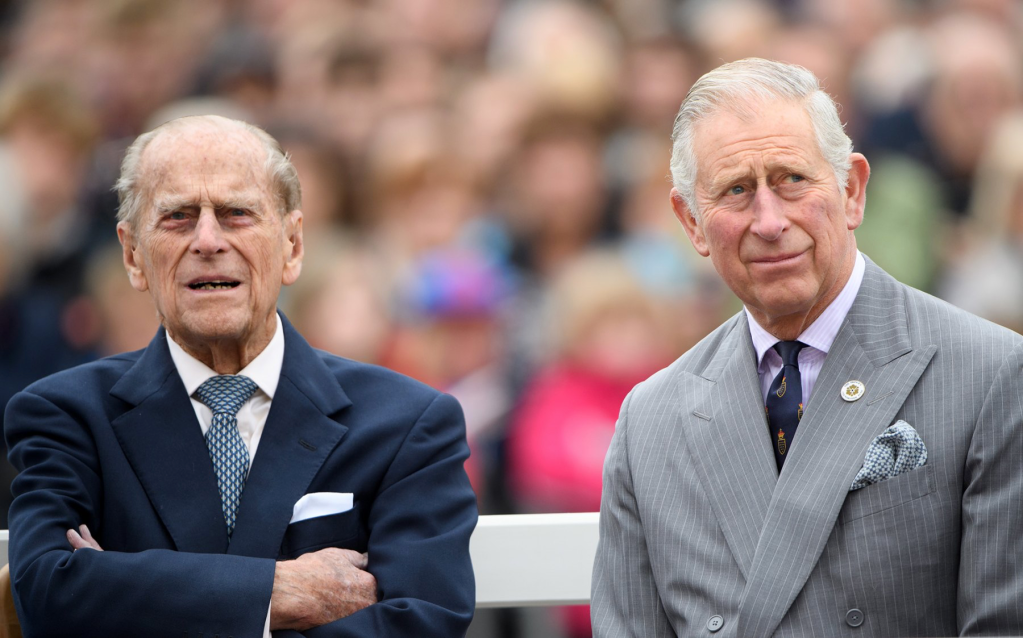
Ella Creamer: ‘In an interview when he was 20, Charles was asked whether his father had been a “tough disciplinarian” and whether the prince had been told to “sit down and shut up.” Charles responded: “The whole time, yes.”
One wonders whether Prince Philip did not relate well with William either and instead preferred his friendship with Harry.
Prince Philip possessed a blunt and sarcastic wit, one not unlike a stereotypical Jew. He was known for using it at inappropriate occasions and oft with a racist or sexist undertone. The following are examples:
“You are a woman, aren’t you?” (in Kenya after accepting a small gift from a local woman – 1984).
“Aren’t most of you descended from pirates?” (to a wealthy islander in the Cayman Islands).
“Still throwing spears?” (question put to an Aboriginal Australian during a visit).
“It looks as if it was put in by an Indian” (referring to an old-fashioned fuse box in a factory near Edinburgh – 1999).
“There’s a lot of your family in tonight” (after looking at the name badge of businessman Atul Patel at a Palace reception for British Indians – 2009).
“If you stay here much longer you’ll all be slitty-eyed” (to a group of British students during a royal visit to China – 1986).
“The Philippines must be half-empty as you’re all here running the NHS” (on meeting a Filipino nurse at Luton and Dunstable Hospital – 2013).
“You can’t have been here that long, you haven’t got [a] pot belly” (to a Briton he met in Hungary).
“How do you keep the natives off the booze long enough to pass the test” (to a Scottish driving instructor).
“Do you have a pair of knickers made out of this?” (question to female Scottish Conservative leader Annabel Goldie, while pointing to some tartan in Edinburgh – 2010).
“I would get arrested if I unzipped that dress” (to 25-year-old council worker Hannah Jackson, who was wearing a dress with a zip running the length of its front, on a Jubilee visit to Bromley, Kent – 2012).
Anonymous quote: “Prince Philip to European aristocracy is what Donald Trump is to American liberal democracy: an embarrassment – the men who flaunt the ugly truth from under the thin veneer of their bourgeois etiquette.”
Tom Sykes provides an overview of a man who may have shaped the Windsor family more than the late Queen – emphasis mine:
‘The dysfunction at the heart of the British royal family has often been ascribed to the outsized role of its domineering patriarch, Prince Philip… At moments he was a tyrannical father and vengeful ex-father-in-law, whose child rearing was condemned by his own son. Philip rarely showed what might be called a soft side, at least in public – but he was absolutely dedicated to his wife in supporting her role as queen. Although she remained devoted to him throughout their long and sometimes turbulent marriage, finding a role that would fulfill him within the marriage presented Philip with a major challenge.
As viewers of The Crown saw, Philip was in many ways a traditional man of his times; however, he was in a marriage which defined him as number two, an adjunct. He railed, for example, when it was decreed by the government that his children’s last name would be “Windsor” and that he was “the only man in the country not allowed to give his name to his own children.” The Queen compensated these emasculating wounds to Philip’s pride by allowing Philip to be “the dominant force in the family”…
This dynamic hardened after the queen ascended unexpectedly early to the throne in 1952 at the age of 26; her official duties meant she was able to find very little time for her children. “… [relying] increasingly on her husband to make the major family decisions, and she depended on the nannies to supervise daily lives.” Philip was not only in charge of things like school, activity, and (later) career choices, but also dictated the overall tenor of their hands-off, nanny-reliant parenting style. Philip, who had been abandoned by his own parents, expected his children to stand on their own feet.
“He took the view… that it was no good trying to mould them, that the only way they’d learn was by doing it for themselves… the queen and Prince Philip brought up the children extremely toughly. Never cry when hurt, never make a fuss.” The impression of Philip as a tough, unemotional, and rather cold-hearted parent was devastatingly confirmed when Prince Charles, in 1994, gave a series of interviews to Jonathan Dimbleby… In a series of candid tirades, he publicly blamed his father for his lonely, unhappy childhood and for forcing him into a loveless marriage with Princess Diana. Dimbleby’s book, described Charles as a timid and passive young boy who was cowed by his father.
Philip for his part, was upset that his son preferred the arts to sports, and was “a bit of a wimp.” He publicly humiliated him, using “mocking banter” that brought him to tears “particularly at social gatherings.” Philip’s cousin Patricia Knatchbull said that Philip was tough on Charles because he wanted to help him develop traits that would help him deal with the pressures of being the future king. Charles told Dimbleby that his dad seemed to prefer his more outgoing and “fearless” sister, Anne. Philip and Anne were certainly more attuned emotionally than Philip and Charles… [and] that Philip encouraged her boisterous behavior as a youngster, and respected her opinionated personality.’
“Anne and the Duke of Edinburgh are actually very similar characters. In many ways I think Anne is the son he wishes he’d had “- Penny Junor
‘Undoubtedly, Philip was not as tough on Edward and Andrew as he was on the boy who would be king, and neither of them have ever complained publicly about his child-rearing. Society journalist Sue Arnold told Vanity Fair, “Andrew’s romantic escapades, together with some much-publicized midshipman japes, earned him the reputation of Royal Lout-About-Town, a label that saddened his mother and annoyed his father. Secretly, however, Prince Philip admires Andrew’s macho action-man image – it reminds him of his own youth.”
However Philip was disgusted, in later years, by Andrew’s unfailing ability to bring the royals into disrepute. He also loathed his unconventional post-divorce living arrangements, which saw him continue to share a home with ex-wife Sarah Ferguson, who he hated with a passion. Philip and Edward were never believed to be close. Philip was dismayed at Edward’s decision to pursue a career in the arts, as a theater and TV producer, and ridiculed him for the embarrassing TV show he organized featuring members of the royal family called It’s a Royal Knockout…
It wasn’t just Charles’ youth that he claimed his father destroyed; the book also said Prince Charles was rushed into asking Lady Diana Spencer to marry him by Philip. After they had been courting just a few months, Dimbleby said, Philip wrote to Charles saying he had one of two options: “Either to offer his hand in marriage, thereby pleasing both his family and the country, or to end the relationship immediately” for the sake of her honor. The prince “interpreted his father’s attitude as an ultimatum,” the book said, and in a “confused and anxious state of mind” he “tried to reconcile himself to the inevitable.” Robert Lacey described in his book, The Queen, how… “At some stage when the marriage started going wrong… he dug this letter out, folded it up and started carrying it round and showing it to everyone. It was his attempt to say that he was forced into it.”
Philip remained so annoyed by Charles’ attack on him in Dimbleby’s book that seven years after it was published he quietly co-operated with Turner… sometimes described as a biography, which, while not officially authorized, was well sourced and quoted Philip’s judgment of Charles as “precious, extravagant, and lacking in the dedication… to make a good king.” It was originally published in The Telegraph in 2001, but is no longer [believed to be] available in full online.
Turner claimed Charles never learned how to handle his father’s “hectoring” manner and quoted an aide as saying: “He is quite frightened of his father, who dominates the family by being bullying and loud. Charles deals with it by disengaging. That is why he doesn’t play a bigger role in family affairs. His father often doesn’t let him get a look-in. Charles is far too sensitive.” Perhaps Charles was weak, but there is little doubt that Philip could be a terrifying and intimidating patriarch’ and he despised self-pity in others, ‘especially Charles, whose extravagance and self-indulgence drove him to distraction.
In 2004, a friend of this reporter, who was at that time a confidant of Sarah Ferguson’s, said that she would describe Prince Philip thus: “He rules that family with a rod of iron.” Philip and Fergie fell out spectacularly and he vengefully (although ultimately unsuccessfully) sought to exclude Fergie from her family’s life in the wake of her divorce from Andrew. The narrative of the tyrannical despot was certainly spread by Ferguson to almost anyone who would listen. It is also only fair to point out that he was also hugely supportive to both Fergie and Diana (another royal woman he was accused of bullying) when they first married into the family.
Clear evidence of his warm relations with Diana was actually made public in a series of letters between Diana and Philip that were presented to an inquest investigating the death of Diana and her lover Dodi Fayed in a Paris car crash in August 1997. Philip wrote in one typewritten letter, dated 1992, as the Wales’ marriage foundered: “If invited, I will always do my utmost to help you and Charles to the best of my ability, but I am quite ready to concede that I have no talents as a marriage counsellor!!!” In her handwritten reply, Diana addressed Philip as “Dearest Pa,” and said: “I was particularly touched by your most recent letter which proved to me, if I didn’t already know it, that you really do care. You are very modest about your marriage guidance skills and I disagree with you.”
Philip was also a cheerleader for Ferguson in the early years of her marriage to Andrew, which took place five years after Diana’s wedding. Fergie’s father, Major Ronald Ferguson, was Prince Philip’s polo manager and, a keen flyer himself, Philip was impressed by Fergie getting her pilot’s licence in 1986, and helicopter license in 1987. She also learned horse-drawn carriage driving, with Philip, who continued carriage driving until his 98th year (when COVID, not old age, put a stop to it) as her tutor.
But Philip absolutely believed, with every fiber of his being, that being a royal meant sublimating one’s own desires and wishes to the sacred task of doing one’s duty to the institution. And when he decided that Fergie and Diana had abandoned that duty, he went to war on them as ferociously and brutally as he had once protected them. He maintained a mean-spirited boycott of Fergie to the end of his days, refusing to even be in the same room with her, a vow that was only broken once, when they both attended Prince Harry’s wedding.
His critics say that Philip exhibited gross double standards and was accused of having several affairs himself, most notably with showgirl Pat Kirkwood. It could be argued he exploited his wife’s predictable silence in the service of upholding the monarchy’s reputation. Other women rumoured to be lovers of Philip included the actress Merle Oberon; the Duchess of York’s mother, Susan Barrantes; and Philip’s glamorous carriage-driving companion, Lady Romsey. The Duchess of Abercorn, while admitting to “a highly charged chemistry” with Philip, denied any physical relationship, adding that “the passion was in the ideas.”
Caroline Halleman: ‘Philip has also been tied to Penelope “Penny” Knatchbull, Countess Mountbatten of Burma, a close family friend and the wife of Norton Knatchbull, the grandson of Philip’s uncle, Louis Mountbatten. Their relationship is a key plot point in season five of The Crown. Again, of course, an affair or any impropriety has never been confirmed, but Philip and Penny were undeniably close.’
‘Biographer Sarah Bradford had no doubts when she plainly labeled Philip an adulterer… “The Duke of Edinburgh has had affairs… full-blown affairs and more than one… He has affairs and the queen accepts it. I think she thinks that’s how men are. He’s never been one for chasing actresses… His interest is quite different. The women he goes for are always younger than him, usually beautiful, and highly aristocratic.” Penny was one of only 30 mourners invited to Prince Philip’s private funeral in April 2021.’
Penny Knatchbull, Countess Mountbattern of Burma
‘Tapes of Princess Diana recorded by her public speaking coach Peter Settelen reveal that Philip approved of Prince Charles’s affair with Camilla. Or at least, Diana thought so… “Diana says that Prince Philip told Charles that he could go back to Parker-Bowles ‘after five years’ if the marriage did not work.”
Sykes: ‘Philip himself explicitly denied infidelity, reportedly once telling an unidentified female journalist: “Good God, woman, have you ever stopped to think that for years, I have never moved anywhere without a policeman accompanying me? So how the hell could I get away with anything like that?” Hypocritical or not, Philip became utterly furious with his daughters-in-law when they publicly admitted affairs (Diana) or were caught in the act like Fergie.
That his racist and sexist jokes are sadly part of his legacy in the popular imagination only serves to remind us that while Philip may have believed everyone else was too sensitive, it was his own lack of sensitivity that may be construed as his greatest weakness. Ultimately, unlike the queen, he was simply not able to change with the times, or – like other royals – telegraph a relatable empathy.
… Philip took great pride in fulfilling the drudgery of royalty; whether he was meeting celebrities or opening a supermarket, he would go. His commitment to showing up meant he became a much-in-demand charitable patron: When he finally stood down from public life in 2017, he was patron, president, or a member of over 780 organizations. He was regularly cited as the hardest working royal, and the Telegraph calculated that, over his life, he carried out over 22,000 public engagements, made 637 solo overseas visits, and gave 5,493 speeches. They are amazing numbers, and there is no disputing that, for all his faults, Prince Philip made an extraordinary contribution to British public life.
He had planned to live out the rest of his days at a farmhouse on the Sandringham estate, but the coronavirus meant he actually spent most of the last year of his life in lockdown with the queen at Windsor Castle. It was an extraordinary twist of fate for this most unsentimental, family-minded of men, that the last year of his life was the longest, by far, that he ever spent with his wife.’
It was only natural then, that Charles would turn to his mother for everything he was not receiving from his Germanic father.
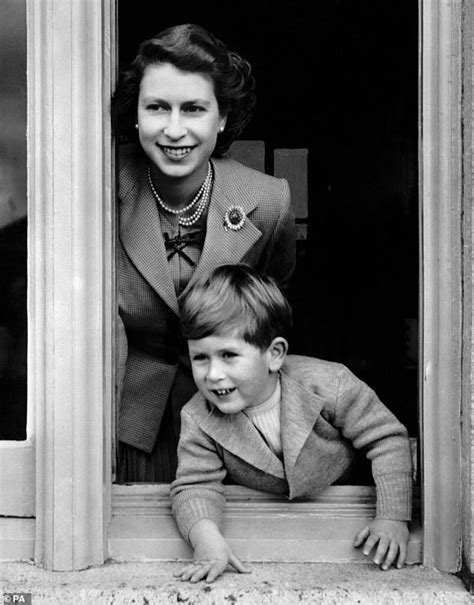
Charles remained in the shadow of the most recognised mother in the world for seventy-five long years. One wonders how her death has really impacted him and just how greatly he on the one hand misses her and on the other, is relieved to finally be on a throne which ironically now holds far less appeal than when he was younger.
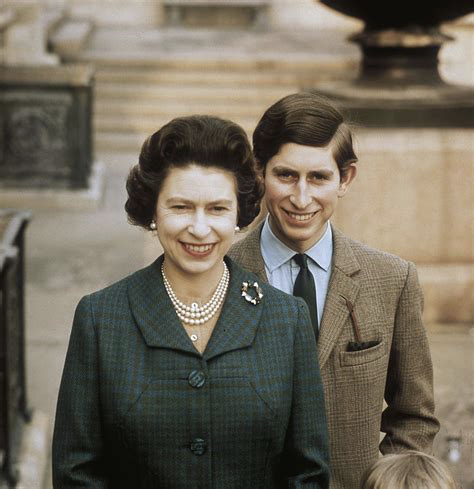
According to Ella Creamer: ‘Charles’ U.S. Secret Service codename is “Unicorn.” Not a coincidence, as the Scottish symbol of a unicorn is on the Royal Coat of Arms as well as Charles’s former Prince of Wales Coat of Arms – below.
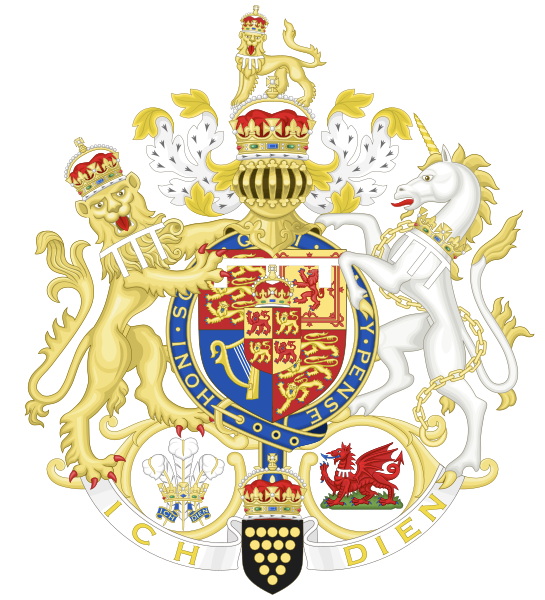
While Philip undoubtedly had mistresses and affairs, it appears that the apple does not fall far from the tree. “Do You Seriously Expect Me To Be The First Prince Of Wales In History Not To Have A Mistress?” – Prince Charles. A surprisingly open quote by Charles from the Daily Mail newspaper in 1994. If Charles had been pressured to marry Diana as he claims, then it was doomed from the beginning as highlighted by the fact that when Charles and Diana married on July 29th, 1981 at St Paul’s Cathedral, they had only met thirteen times beforehand. Charles had proposed February 6, 1981 in a rushed romance. On February 26th, an interviewer said, “You both look very much in love,” to which Lady Diana replies, “Oh, yes. Absolutely.” Charles however, answers with an enigmatic, “Whatever ‘in love’ means”, with an awkward silence ensuing.
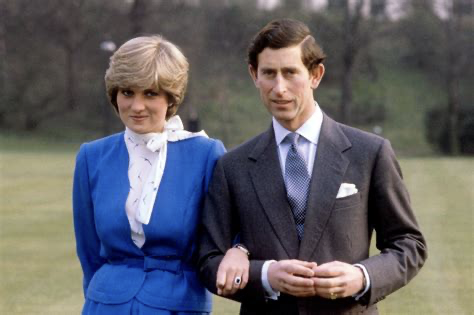
A reticent looking Prince Charles
With hindsight, how could the people’s princess compete with a woman who so obviously is Charles’ soul mate.
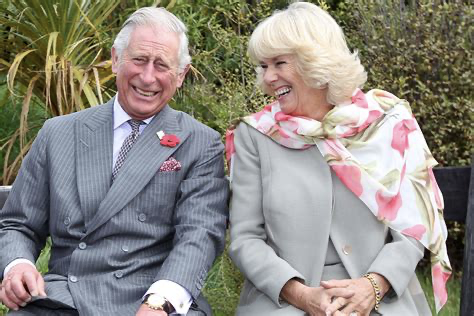
Any mention of Diana is tinged with huge sadness and the dramatic loss of one so young. She had a unique gift in making people feel included and that they were not alone. The jury is still out on the manner of her death, for those who do not subscribe to it being merely a horrendous accident. If we place the simple accident scenario to one side and entertain a conspiracy to murder, then a suspect and a motive are required. First, it may be helpful to discuss the anomalies surrounding the tragic incident on the evening of August 31, 1997 in the French capital.
Rumours of a conspiracy were so prevalent – fuelled by the Daily Express and Egyptian businessmen Mohamed al-Fayed – that the the ‘Met Police were forced to launch Operation Paget, an inquiry to establish whether there was any truth in the theories. It lasted years, cost millions of pounds – and found that the theories were entirely without foundation, and that all that happened that night was an incredibly unfortunate accident. The report examined 175 theories about what happened that night, some of them small and some of them profound. It found that none of them were true.’
Of course it did. There is no way any other result would have been forth coming. It is exactly the same as any enquiry into the death of John F Kennedy. Even if the truth had been uncovered, it would never be disclosed to the public.
Diana was pregnant and according to Mohamed al-Fayed, this was was the reason for the plot to murder her. Diana was pregnant with his son’s child and that idea was unpalatable to the British state. Andrew Griffin: ‘Mr Fayed said that the royal family “could not accept that an Egyptian Muslim could eventually be the stepfather of the future King of England.” Yet in Diana’s post-mortem examination there were no signs of pregnancy; with tests on her blood finding no evidence of this condition. Close friends and confidantes confirmed that she hadn’t mentioned the possibility of being pregnant.
A reoccurring accusation is that of the photographers on the night who are repeatedly blamed for causing the car to crash, whether there was a conspiracy or not on their part. This solution has a wide acceptance because of the paparazzi’s treatment of Diana and its harmful impact throughout her life. The chasing pack of motorcycles may have caused the Mercedes Diana was in to accelerate to an unsafe speed. Their chase pattern in circulating around the vehicle may also have encouraged an environment where a crash could more easily happen. The official investigation by Operation Paget pointed out that the paparazzi are not a cohesive group – they act separately, competing for the best photo – and were unlikely to have been working as a conspiratorial unit.
Of course in a conspiracy scenario, not all, just one motorcyclist or moped rider could have been bought off to make sure they chased hard and pushed the Mercedes to keep increasing speed. A car going too fast within the city limits has an increased chance of an accident. Whether the paparazzi pack kept up or not with the designated motorcycle and in this case they did, only added to the occupants of the car feeling all the more harassed and placing the onus on the driver to try and outdistance them. In this case dangerously so.
While the Mercedes driver Henri Paul was the head of security at the Ritz Hotel in Paris, it is thought by some that he was working for a UK or French security service – as he appeared to have more money than would be expected. The claim that Mr Paul was ‘drunk’ at the time of the crash is believed to be false and a lie spread in the media to cover up the killing. His body perhaps swapped with another person, so that the toxicological results would appear correct, or alternatively the results were falsified. Support for this line of reasoning is that Mr Paul did not behave like he was inebriated earlier in the night. Even so, there is no evidence to suggest that either of these points contributed to the crash. Granted, there were ‘mistakes made with the tests’ involved in checking the alcohol level in Henri Paul’s blood.
Central to the conspiracy on Diana’s death is the car that Diana was travelling in. Griffin: ‘Conspiracy theorists claim that its route was blocked, that it was driving at an unusual speed, or that something had been tampered with in the car.’ Reports did not reveal anything out of order with the car. Nor did witnesses express anything unusual about the way it was driving, only that it was going fast.
A number of people reported observing flashes as the car headed into the tunnel prior to crashing. Thus blaming the flashes as the cause of the car crash. Yet evidence for these flashes is lacking and could well be explained by the photographer’s camera flashes or oncoming vehicle headlights.
Coupled with a bought off paparazzi driver – or perhaps just a singular event as the paparazzi were a given on the night – it would have been relatively straight forward to slip a drug in one of Henri Paul’s drinks while he waited at the Ritz Hotel. A drug which heightened his paranoia, agitated his pulse and heart rate; while at the same time affecting Paul’s coordination and judgement.
A vital aspect of the events that night is the belief that a lack of proper medical attention contributed to Diana’s death. ‘Conspiracy theorists believe that doctors allowed Diana to die, on purpose.’ This stems from the fact that French emergency services focus on giving treatment at the scene before moving a person to hospital. While in the United Kingdom the priority is getting the patient quickly to hospital. The Operation Paget report concluded that ‘such a conspiracy would require a substantial number of expert doctors and other caregivers to both break their ethics and then lie about doing so.’ Regardless of the order of process, doctors have since said that it was almost impossible for Diana to have ever survived her injuries.
Griffin: ‘The main motivating factor behind the conspiracies is the belief that Diana herself thought she was going to be killed. And that much, it appears, is true. Chief among them is a letter that was disclosed by Paul Burrell, Diana’s one time butler, who said he had been given it for safekeeping.’
“I am sitting here at my desk today in October, longing for someone to hug me and encourage me to keep strong and hold my head high. This particular phase in my life is the most dangerous… [?] is planning ‘an accident’ in my car, brake failure and serious head injury in order to make the path clear for Charles to marry…”
‘The letter appears eerily prescient. And, indeed, it had history: when Diana wrote the letter, she had experienced problems with her car, had voiced fears about them, and her bodyguard had died in an accident that she believed had been a conspiracy. Diana clearly had concerns about her safety: that much isn’t a conspiracy theory.
In 2004, US news channel NBC aired video showing Diana talking about an affair with Barry Mannakee, a former bodyguard who she described as “the greatest love I’ve ever had. [But] it was all found out and he was chucked out [from royal protection]. Then he was killed. I think he was bumped off,” she said in the tapes.’ It was suggested there was a mysterious driver who had helped orchestrate the car crash in which Mr Mannakee died. He was riding as a pillion passenger on a motorbike, when the bike crashed into another car ‘intentionally’ coming out of a junction.
The truth on what happened late that night in Paris will likely never be known, if it was more than an accident. Chief suspects in ascending order of likelihood would include: the British government; Prince Charles; Camilla Parker-Bowles; and Prince Philip.
The two most likely motives would be one: Charles had lived in the shadow of his mother the Queen, but it would be intolerable for him once king, to be continually overshadowed by the ever popular and arguably the most famous and loved person in the world: Diana. No one puts Charles in the corner. Except in this case, Diana certainly did, through no fault of her own. She epitomised everything Charles doesn’t, yet frankly a monarch should. How authentic it would be if the Crown only but realised that a shroud of secrecy and mystery – as forged by the Wizard of Oz for example – only distances and disenchants people.
Diana once said she would ‘Like to be Queen of people’s hearts.’ Which she undoubtedly and dearly achieved. Diana was vulnerable, honest, kind and generous. The outpouring of grief and respect at the news of her death and exemplified during her funeral, proof she had touched not just a nation, but the world. My, the monarchy has a lot to learn. And in their self-satisfaction they have failed to digest the lessons which should have been eagerly assimilated from Diana’s experience. Instead they were relieved that she could be compartmentalised away forever after her ‘untimely’ demise.
While Charles is not the formidable man his father was, he is a Scorpio and they have a sting in their tail and are not afraid to use it. That said, it is difficult to imagine Charles being involved in any order to kill Diana, let alone masterminding the operation. Perhaps Philip, the ruthless and cold patriarch took matters into his own hands and had the immensely problematic Diana silenced once and for all. Even though divorced, the other motive and one which Diana alluded to in her letter, was clearing the path for Charles to remarry with no hindrances of any kind. In this case, her nemesis Camilla. Who suddenly finds herself suspect number one with a very plausible motive. She certainly had the most to gain, more than Charles. For if Camilla’s intentions were to marry Charles, with designs on becoming queen with no rival to outshine her… well, the rest is history.
This brings us to the equally unsavoury topic of associations with unseemly individuals. Most recently and publicly, involving Prince Andrew. Yet in the distracting furor of this event, Charles similar friendship never came under the same microscopic scrutiny as his younger brother. The intention is not to go into detail. Only to highlight that ‘where there is smoke there is fire’ and that one can be ‘guilty by association.’
Jeffrey Edward Epstein allegedly died by suicide in a New York prison during August, 2019. Strange then that he has been sighted more than once, including in Lebanon.
The list above purporting to include visitor’s to Epstein’s ‘island’ is like reading a who’s, who of celebrities. It may be a complete fabrication. Or it may have a semblance of truth. And of course, just because someone visited Epstein’s island, does not mean they took part in what was on offer. With that said, there are names on the list which this writer recognises are people who unfortunately, align ideologically with Establishment groups such as the Illuminati and in practicing Satanic worship. The two most glaring names on the list, are Prince Andrew and alarmingly, Charles.
The adage ‘a man is known by his friends’ is a true one, as is ‘birds of a feather flock together.’ It certainly does not paint Prince Andrew in a good light, nor does it for King Charles. Even Paul stated the same understanding to the church congregation at Corinth, who were want to allow sinners openly transgress the law. 1 Corinthians 15:33, EEB: “Do not let anyone deceive you. Remember this: ‘If you become a friend of bad people, you also will live in a bad way.’
One would like to give the present king the benefit of the doubt. Except, Charles had a friendship with James Wilson Vincent Savile… otherwise known as Sir Jimmy Savile OBE KCSG. Photographs of Savile and Charles in public together show them clearly comfortable in one another’s presence, invariably laughing and sharing a joke. It definitely wasn’t a mere acquaintance, as evidenced by Savile claiming to be a frequent visitor to both Buckingham and St James palaces.
The name Savile is ‘English (of Norman origin; Yorkshire): a habitational name from’ Normandy in northern France of ‘which the identity is not clear though it is probably Sainville in Eure-et-Loire so called from Old French saisne ‘Saxon’ + ville ‘settlement.’ Saville signifies a ‘Saxon settlement.’ Saville is a variation of Savile. Famously, Savile Row is a sophisticated street in Mayfair, London, specialising in bespoke suits and garments.
Jimmy Saville was born on Halloween, October 31, 1926 and died just short of his 85th birthday on October 29, 2011. Of note is that his last name contains the word vile and can be re-spelt as evil, in which Savile certainly was both.
Regarding Savile: “Hidden in plain sight,” wrote one commenter, while another person said: “They all knew. Shielded as he was in the inner circle of the establishment.” An Establishment which included, the BBC, Prime Minster Margaret Thatcher and Buckingham Palace.
Savile’s authorised biographer ‘Alison Bellamy… unearthed the paedophile’s guide in the files she kept while researching for her book. The Former Yorkshire Evening Post journalist said: “Jimmy is advising them how to do it. “What they should do. How they should act. What they should say. Should they say anything?” She added: “Jimmy seems to be a kind of unofficial chief advisor to the Prince of Wales.”
‘… Charles penned his own response to Savile on January 27, 1989. His letter allegedly read: “I attach a copy of my memo on disasters which incorporates your points and which I showed to my Father. He showed it to Her Majesty.”
Whether Charles has proclivities or not like Savile or was blissfully unaware of Savile’s predilection, it shows a serious gross misjudgement of Jimmy Savile’s character on Charles’ part. This shouldn’t come as a great surprise, as he has shown the same naive weakness of character as a young man, in allowing Camilla to gain not only his ear, but also his heart.
Comments online on Charles’ relationship with Savile and other sex offenders: 1. “You can tell a lot about a man by the company he keeps.” 2. “… ‘if a man keeps company with thieves he is either a thief himself or has no issue with thieves’. The same applies in this situation, either he’s a pedophile himself or he has no issue with pedophilia as a whole, hence why he’s befriended many pedophiles and further defended them.”
Some readers may blindly think Charles III is a king who exercises his authority in accordance with parliament; bound in exercising his powers within limits prescribed by the established legal framework of the constitution. In other words, a constitutional monarch, unlike an absolute monarch who is the only decision-maker. Yet in February 2021, The Guardian newspaper published two articles which demonstrated Queen Elizabeth and King Charles’ influence and power over parliament. The Queen for example had lobbied parliament to make herself exempt from a law that would have publicly revealed her private wealth. It was then revealed that over the course of her reign she and King Charles had vetted the drafts of at least a thousand articles of legislation prior to their public debate in parliament. So much for King Charles merely being a ceremonial figurehead.
Author Christopher D Spivey in his book, Monsters in the Palace, 2019, lifts the diabolical lid on the monarchy of Great Britain, which isn’t so great. In the vein of other authors such as Chris Everard and David Icke. Not everything can be vouched for as accurate, though even if ten percent were true, it would be enough to make one recoil in horror and complete disgust at the ‘sheer depth of corruption and rottenness in the ruling establishment’ in the United Kingdom. Two of the ten chapters in Spivey’s book include: Prince Philip: The sickest man in the UK? and Prince Charles, heir to Dracula’s blood line.
Spivey – emphasis mine: ‘Filmmaker and child abuse survivor Bill Maloney… [in] a rousing speech… committed treason under Nelson’s column [on August 7, 2010]… [when he declared] that the Queen Mother was a paedophile. Diana had apparently [confirmed] to a close friend that she was evil. Her footman, who had previously been a butler to the Queen, was a convicted child sex offender who used to groom his victims by taking them to parties with the Queen Mother at Clarence House.’
It is tragically ironic then that the Queen committed a treasonous act herself in 1972 ‘when she let the corrupt paedophile Prime Minister, Edward Heath sign away our sovereignty… under very unfavourable terms for the [United Kingdom] – Terms which Heath had in fact been blackmailed into agreeing… [for] it was allegedly discovered that Heath was molesting young boys from various children’s care homes around the country.
Many of these boys were… provided to Heath – and many more prominent MP’s for that matter – by the Radio 1 DJ and TV celebrity, Jimmy Savile… he was extremely flamboyant, he never married… never… had a girlfriend. But most tellingly of all was his fondness for children, especially boys in care homes.’ Regarding Charles, Spivey says: ‘Charles, on the other hand is also rumoured to be gay, or at least bisexual.’
Spivey concludes: ‘… in reality the British Royal Family are evil, inbred parasites who despise us. And far from being holier than thou, they worship Satan, are ALL deeply perverted and – if many royal researchers are to be believed – they actively take part in child sacrifice.’ Now this might sound harsh and far-fetched. But it is worth noting what one outsider who became an insider thought about the wonderful Windsors.
Royal biographer Sarah Bradford documented that Diana called the Windsors “the Germans” and that she viewed them as “jumped-up foreign princelings.” Diana and Charles were distantly related, as he was her sixteenth cousin once removed. Yet ironically, Diana actually possessed more British ‘royal blood’ than her in-laws. Thus explaining why she viewed them as the Germans. Bradford also implied in her 2006 biography of Diana that the late princess looked down on the royals due to their German roots, and because her blood was bluer than theirs.
Not only did Diana make this dig against the royal family, she infamously labelled them lizards during her interview with Barbara Walters in 1995. This is some allegation and of course one which most would laugh at with scorn at a woman seemingly off her trolley. Yet in 1998, David Icke published The Biggest Secret, which is considered an important tome in lizard people conspiracy theory. In it, Icke claims that the Royal Family are “bloodsucking alien lizards” and that the late Queen and Duke of Edinburgh, were shape-shifters who drank human blood in the endeavour to remain human looking. As incredulous as this sounds, the concept of beings such as this is not to be ridiculed without consideration – Articles: Principalities & Potentates: What they want… Who they are; Rhesus Negative Blood Factor; and Chapter XXII Alpha & Omega.
For newer readers, one commentator describes the lizards as humanoid reptilians who have the power to shape-shift into human form. They are very tall and have retractable wings. It is held that the lizards are the hidden rulers behind secret societies such as Freemasonry and the Illuminati. The lizards have been visiting Earth for millennia and breeding with humans; resulting in lizard-human hybrids. The reptilian lizards originate from the constellation Draco and have links with other systems like Sirius and Orion. They are in our popular culture called aliens and the Greys are in their service. Draco, is the eighth largest constellation, shaped like a dragon and means ‘huge serpent.’
The following article is quoted for the interesting points it makes, which tie in with a number of subjects raised thus far; though this writer disagrees with its central thesis: that Charles is the prophesied Antichrist in the Book of Revelation – refer Chapter XXI The Incredible Identity, Origin & Destiny of Nimrod; Chapter XXII Alpha & Omega; and article: Is America Babylon?
Calculate the Number of the Beast, Dani Cheung – emphasis mine:
‘There is a man on the world scene whose name and title calculates to 666 in both Hebrew and English. He doesn’t fit the image of a strong charismatic leader, and most of us think of him as “weak”. He is… Prince Charles of Wales.
He is a Prince, through his father’s lineage, of the same people who destroyed the Temple in 70 AD – the Romans – refer Chapter XXVIII The True Identity & Origin of Germans & Austrians – Ishmael & Hagar. There was a documentary on Israeli television about Prince Charles which introduced his lineage chart to the Jewish people.
Prince Charles is not well respected by his own people (even more so after the Diana ‘car crash’). He has been through many messy public scandals, and there have been rumours of homosexuality, adultery (proven), occult practices and spiritual worship…
There were seven emperors of the Holy Roman Empire named Charles… Prince Charles’ lineage chart shows that he is descended, through his father, from the fifth emperor of the Holy Roman Empire named Charles, of the House of Hapsburg.
Prince Charles’ coat of arms and crest was designed for him by the British College of Heraldry, using a system of guidelines over 500 years old. It contains… the Biblical symbols of the Antichrist. It has a dog supported by a roaring lion and a unicorn, (called a wild beast with a straight horn, or a wild oxen). Psalms 22:19-21 describes these animals, with a prayer for deliverance. The composite beast of Revelation 13:2, with the head of a lion, body of a leopard and feet of a bear.. is on his Coat of Arms.
It represents the emperors of the Holy Roman Empire. These are the animal symbols for France, the leopard;* Germany, the Bear; and England, the lion. These nations represented the western arm of the Holy Roman Empire.’
In the Bible, these animals are symbolic representations for successive kingdoms or empires as outlined in Daniel 7:3-7. Where the Lion, was Chaldea-Babylonia; the Bear, Medo-Persia; and the Leopard, Greco-Macedonia.* Today, the descendants of these ancient peoples are respectively the Italians; Turks; and French.*
Cheung: ‘That verse also says, “And the dragon gave him his power and his throne and great authority.” The dragon is “symbolic”… Prince Charles… has a red dragon on his coat of arms. It comes from the flag of Wales… At his coronation, he sat on a chair with a large red dragon emblazoned on it.’

And what is a dragon? It is a very large lizard with wings.
Cheung: ‘During the ceremony, his mother said, “This dragon gives you your power, your throne and your authority” – Chapter XXII Alpha & Omega. His response to her was, “I am now your Leige-man, and worthy of your earthly worship.” Leige is an old English word meaning “Lord”.
… Prince Charles Coat of Arms has another symbol – The Order of the Garter. The Order of the Garter is the parent organization over Free Masonry, world-wide. When a man becomes a 33rd Degree Mason, he swears allegiance to that organization, and thereby to [King] Charles [Articles: 33; and The establishment: Who are they… What do they want?]
It also always seems that the devil or dark characters like Dracula often appear or are symbolised in books and films as an aristocratic person.
I also remember a newspaper article a couple of years ago when a young man tried to “assassinate” Prince Charles. He had a fake gun and ran on to the platform where Prince Charles was speaking and aimed a gun at him – Prince Charles just stood there in front of him and did not flinch. After that incident he was interviewed and asked how he managed to stand there and not move or duck out of the way… He said “It was from years of breeding.” I never quite understood what he meant until now.’
The fourteenth monarch of the kingdom of Judah was the inherently evil Manasseh. Of the twenty rulers before Judah’s fall and captivity, twelve were deemed evil.
2 Kings 21:1-16
English Standard Version
‘Manasseh was twelve years old when he began to reign, and he reigned fifty-five years in Jerusalem [from 696 to 642 BCE]… And he did what was evil in the sight of the Lord, according to the despicable practices of the nations… For he rebuilt the high places that Hezekiah his father had destroyed, and he erected altars for Baal and made an Asherah [tree or pole], as Ahab king of Israel had done, and worshiped all the host of heaven [false gods] and served them… and used fortune-telling and omens and dealt with mediums and with necromancers. He did much evil in the sight of the Lord, provoking him to anger… Manasseh led [Judah] astray to do more evil than the nations had done whom the Lord destroyed before the people of Israel…Moreover, Manasseh shed very much innocent blood, till he had filled Jerusalem from one end to another…’
Manasseh had followed in the footsteps of the eighth king of the Kingdom of Israel, the equally evil Ahab – who reigned for 21 years from 874 to 853 BCE. Of the twenty kings of Israel, not one was counted as righteous, for all of them were recorded as evil – Article: Belphegor.
1 Kings 21:25-26
English Standard Version
‘There was none who sold himself to do what was evil in the sight of the Lord like Ahab, whom Jezebel his wife incited. He acted very abominably in going after idols, as the Amorites had done, whom the Lord cast out before the people of Israel.’
Even so, King Ahab differed from King Manasseh in that he repented of his evil ways – 1 Kings 21:27-29. In so doing, he averted disaster befalling Israel and stalled their captivity at the hands of the Assyrians, until 722 BCE.
King Charles could take the unprecedented step of turning from evil practices – whether they be embracing other faiths or worse – and return to the true faith once delivered (Jude 3). If he is desirous of etching himself into history for all time and at once gaining the favour of the Almighty, his example to the British people and to the whole world in turning to the truth of the word and to the one true God would be monumental. Such actions would impact the future of the monarchy and those who sit on the throne after him.
For the future of the monarchy is at stake, as it is in grave danger. At a certain point, the true Antichrist – not Charles III as postulated by Dani Cheung – will seek to depose earthly rulers and seize their thrones for itself (Daniel 8:24, Revelation 13:2, 7) – Chapter XXI The Incredible Identity, Origin & Destiny of Nimrod; articles: Four Kings & One Queen; and Is America Babylon?
Michel de Nostredame – aka Nostradamus – was a French astrologer, apothecary [Pharmacist], physician and seer who lived between 1503 to 1566. Nostradamus is reputed to have foreseen many future events. He wrote 942 predictions in his book Les Propheties in 1555.
Supposedly, a quatrain predicts King Charles’ reign coming to an abrupt end. Where it says: ‘King of the Isles driven out by force… replaced by one who will have no mark of a king.’ Mario Reading analysed the passage – in his 2005 book, Nostradamus: The Complete Prophecies for the Future – interpreting it as: “Because they disapproved of his divorce, a man who later they considered unworthy; The People will force out the King of the islands; A man will replace who never expected to be king.”
Reading thinks Nostradamus predicted the king may abdicate, with Prince Harry possibly taking up the throne, despite now being fifth in line – behind his brother William and his three children, George Alexander Louis, born 2013; Charlotte Diana, born 2015; and Louis Arthur Charles, born 2018.
The common issue with Nostradamus’ prophecies is that they are vague and open to individual interpretation. The above could easily be about the future Antichrist deposing the British monarch and therefore nothing to do with King Charles – Article: Is America Babylon?
For instance, Reading interprets Nostradamus as predicting: “Queen Elizabeth II [would] die, circa 22, at the age of around 96”, though Nostradamus is not that specific. Even so, Reading’s ‘guess’ in 2005 was remarkably accurate. Mario Reading died in 2017. Reading also predicted – based on Nostradamus’ writings – that when Charles took the throne, the Commonwealth would no longer exist. Though this is not the case. But that does’t mean that it won’t exist in the future. Particularly, if the quatrains are about a future king and not about Charles himself; or perhaps the dissolution of the Commonwealth occurs during Charles’ reign?
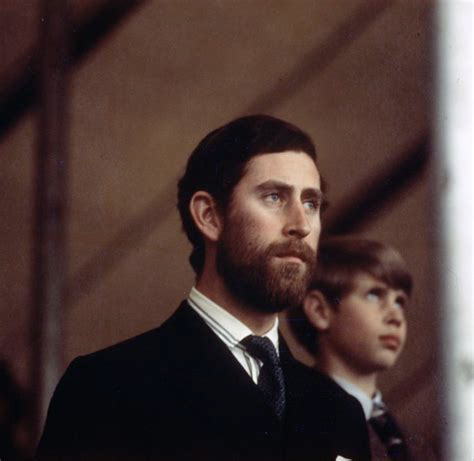
A photo of a young Prince Charles and his brother Prince Edward. Look closely at Charles’ face, particularly the set closeness of his eyes; his nose; and the expression of his mouth. Who do we see staring back at us, but an uncanny likeness of his youngest son, Prince Harry. There are persistent rumours that Charles is not Harry’s father. Yet, while Diana did have affairs – there is no evidence she was doing so early in her marriage – nor does it remain consistent with Diana’s moral duty that she would not take precautions, or allow the second heir to the throne to have not been Charles’. The royal family carry the gene for red hair and so Harry’s ruddiness is in keeping with his paternal ancestor of the same name – King Henry VIII.
Asparamancer, Jemima Packington, predicts the king stepping back from duties and making Prince William, Regent. A psychic from Birmingham, John Hughes has said that King Charles will only reign seven years before abdicating the crown to Prince William. Hughes maintains that Charles ‘will restructure the royal family and put a young king in.’
As close as Reading’s prediction for Queen Elizabeth’s death was, it was not as eerily exact as that made by Logan Smith, who on July 6, 2022, predicted the death of the Queen merely two months later on September 8, 2022. What is more startling is that on the same tweet, Smith predicted: ‘King Charles dies March 28, 2026.’ What if there is substance to this? Could Charles pass away at the age of 77? Meaning a new king: William V at the age of 43, or his brother… Henry IX?
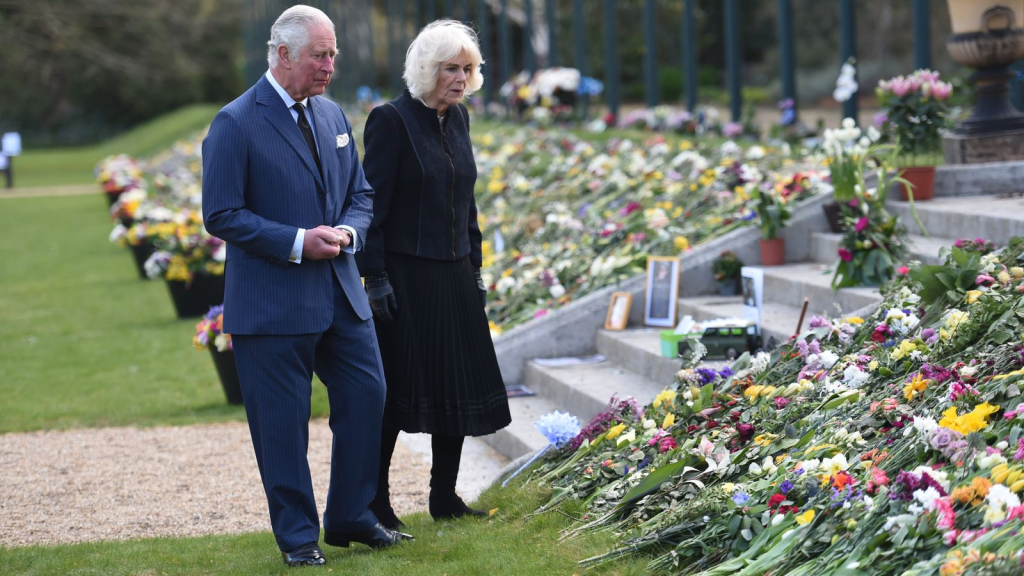
A prescient picture of a forlorn King and Queen of the once mighty United Kingdom of Great Britain and Northern Ireland. The descending fortunes of the country are sadly mirrored by the present prosaic monarchy.
The future does not hold much better hope…
“It comes down to whether Charles will have a momentary reign as King and ultimately, if he should ever be noted as a “Token Gesture” as his mother, Elizabeth, dwelled far too long on the throne… Thus, she condemned her son, by default, to a very short and inglorious reign as [nothing] more than the “Harbinger” to the eventual [dissolving] of The British Monarchy…
William is no better than his father as neither are Leaders in any manner and form. Once Elizabeth died, the Monarch ended. What is left is the “[denouement]” of Charles and his Offspring. The Monarchy is allowed to continue by “Parliament” because it brings in millions and millions of tourist tax dollars. The Monarch is “Effete” and “Anachronistic”… Charles… will be maintained just as Elizabeth was… It is already over…” – anonymous comment
The Lord will keep us safe. He is our judge, our ruler and our king.
Isaiah 33:22 – Easy English Bible
I will lift you up high, my God, the true king. I will bless your name forever and always.
Psalm 145:1 – Common English Bible
© Orion Gold 2024 – All rights reserved. Permission to copy, use or distribute, if acknowledgement of the original authorship is attributed to Orion Gold


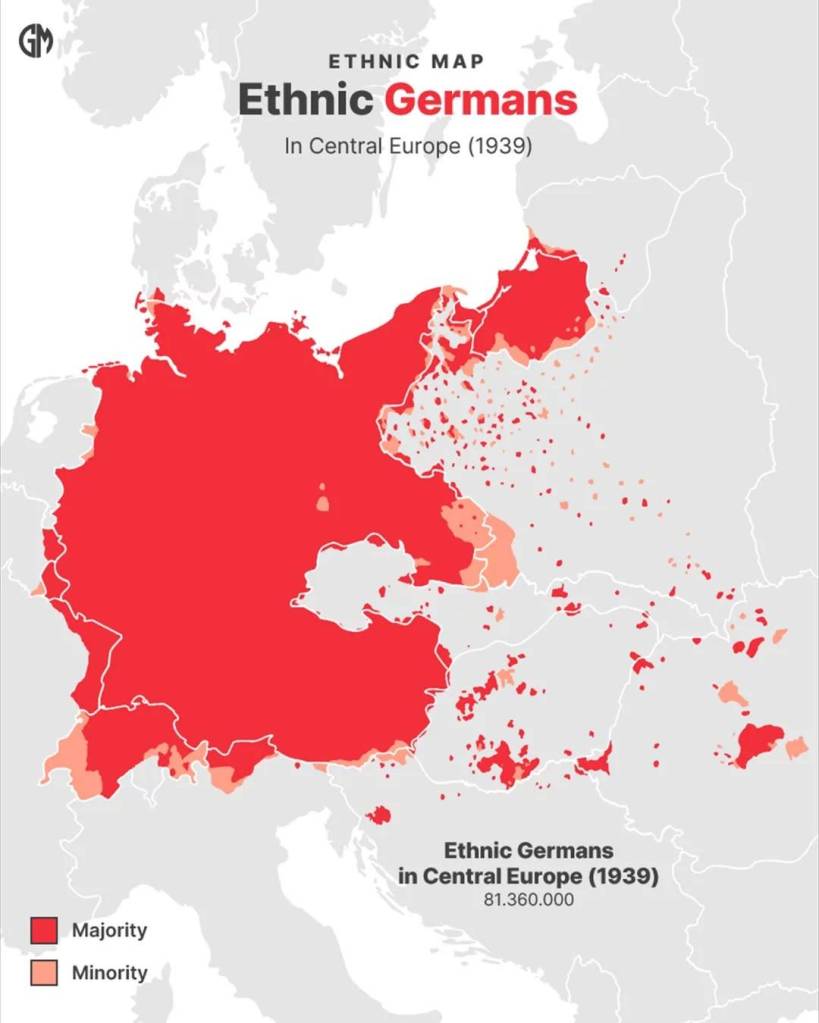

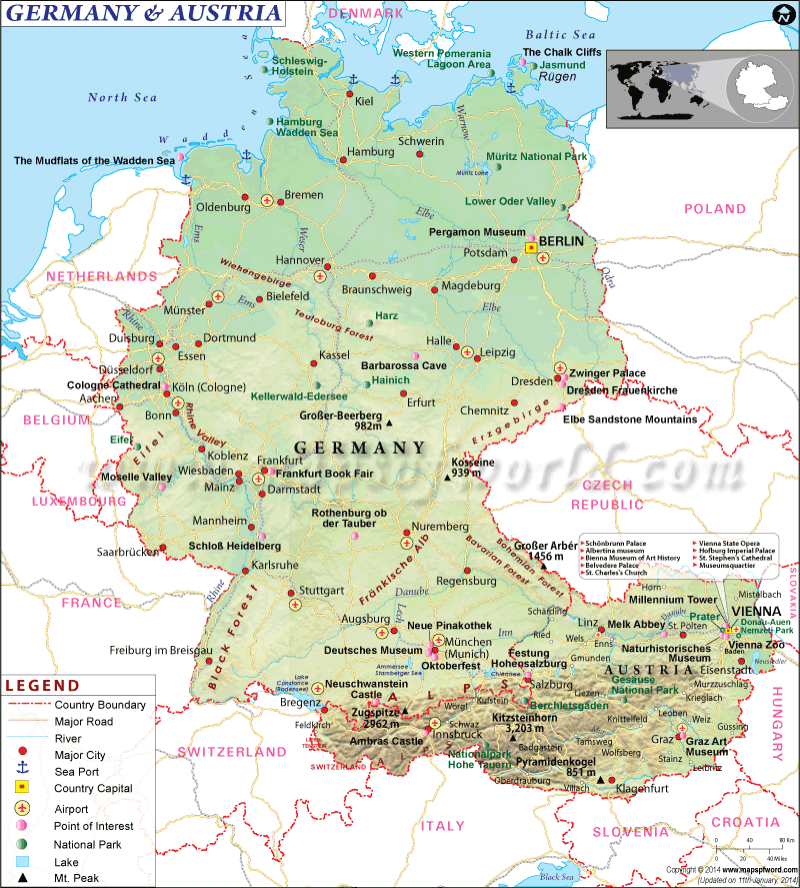
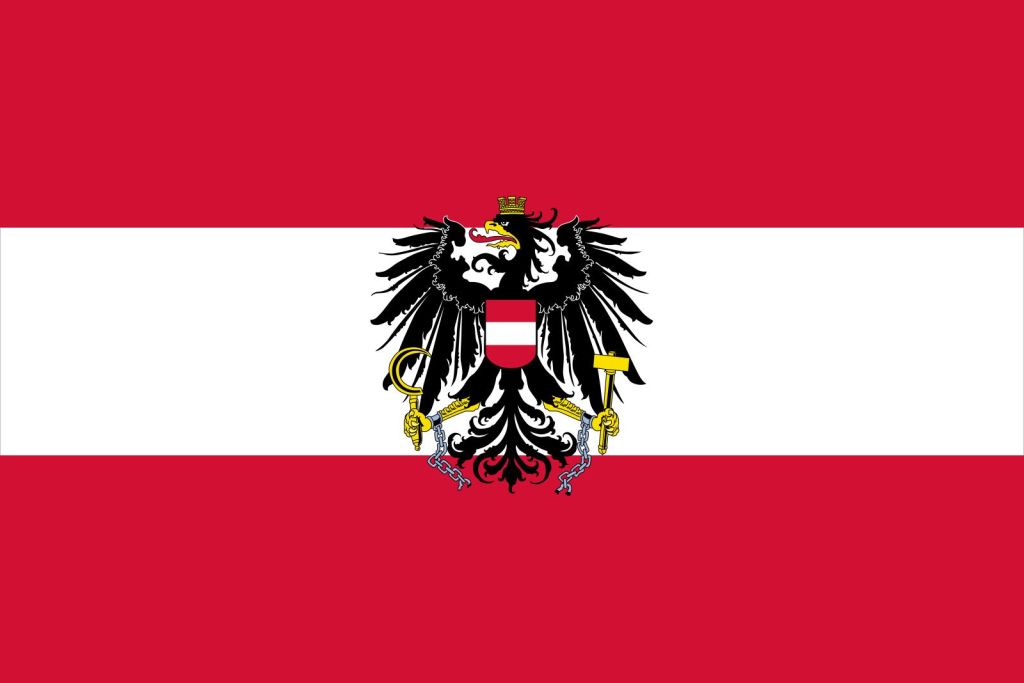
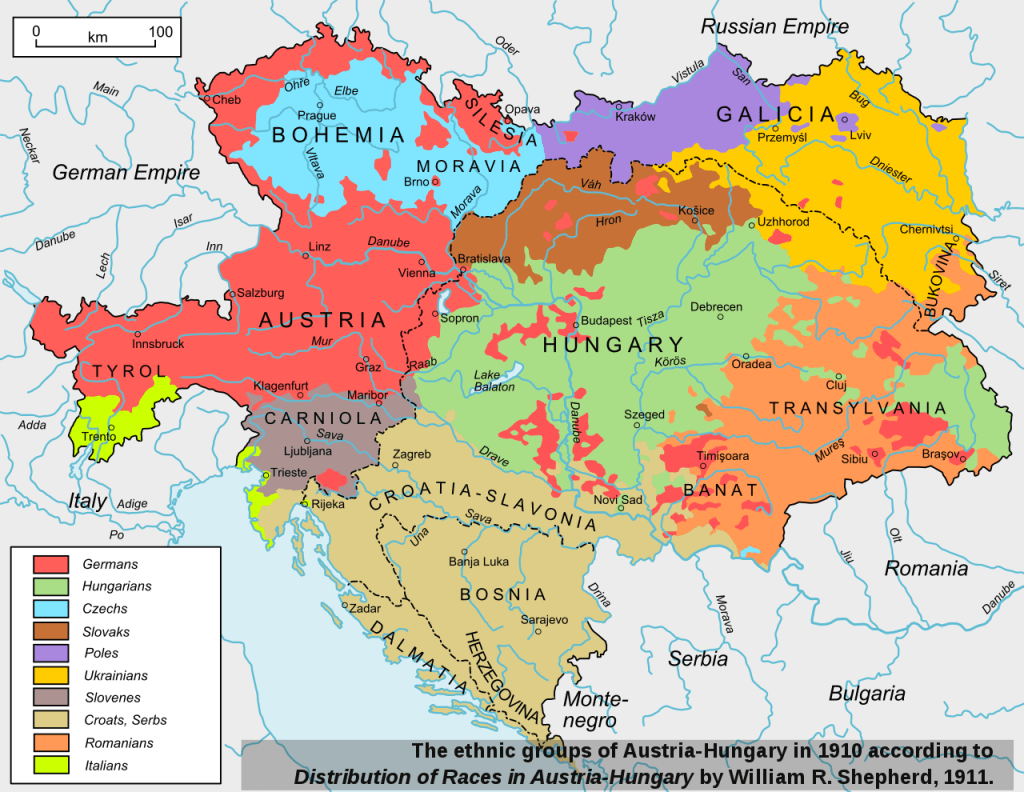




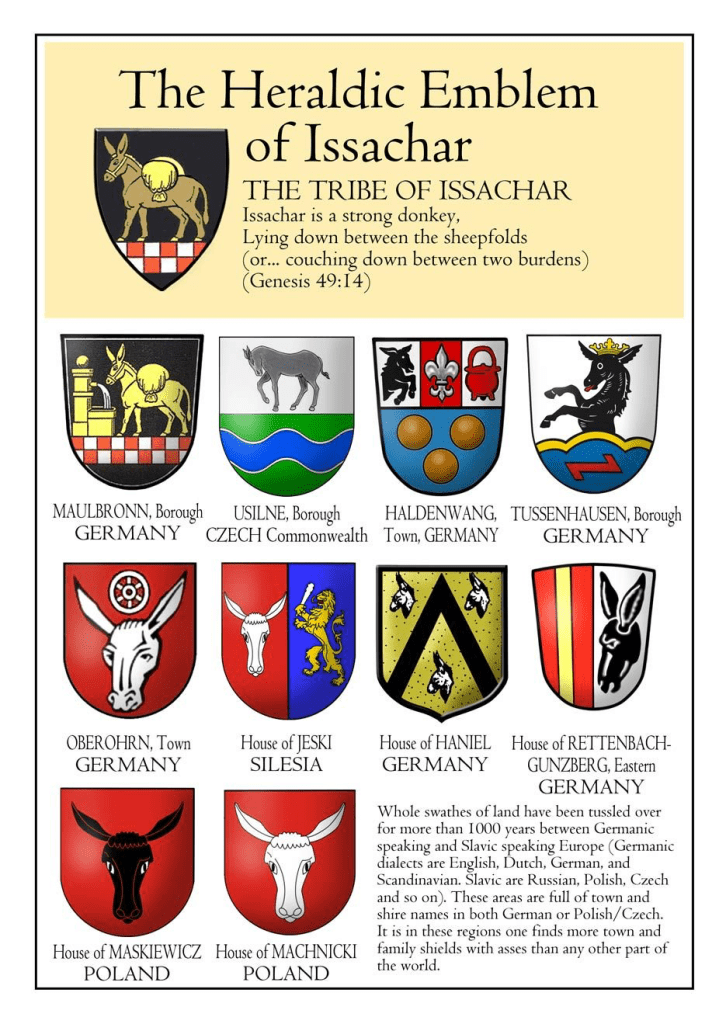







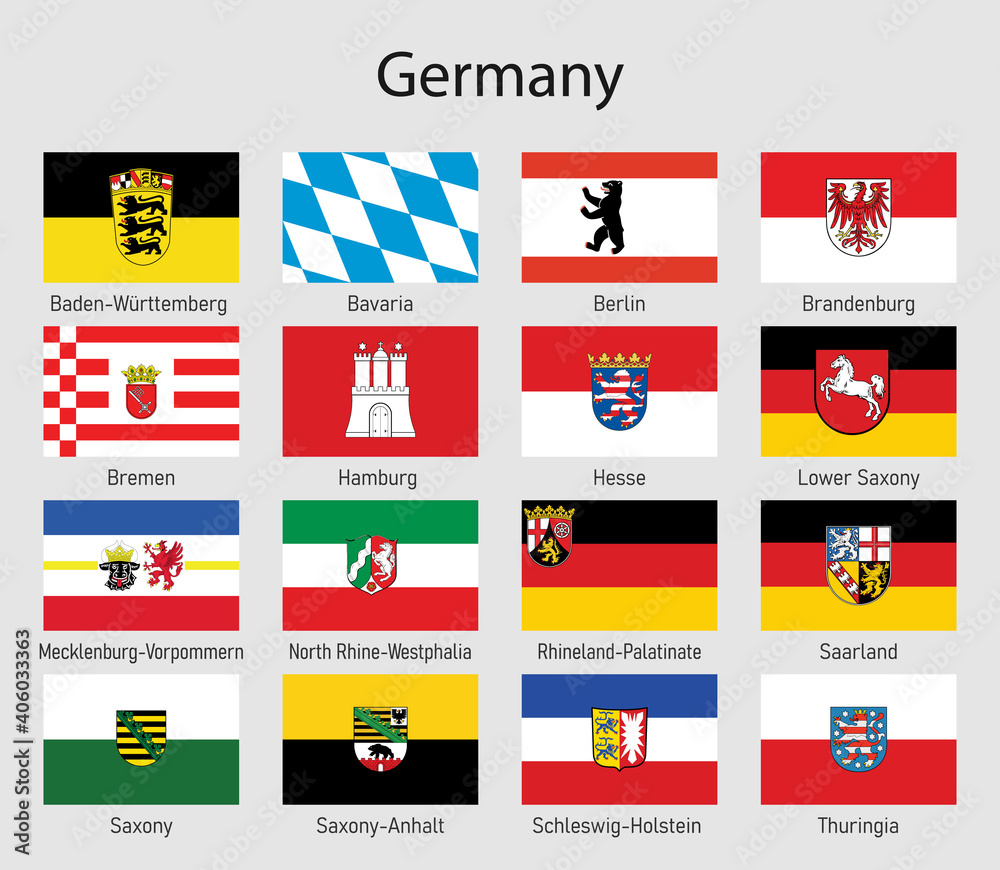





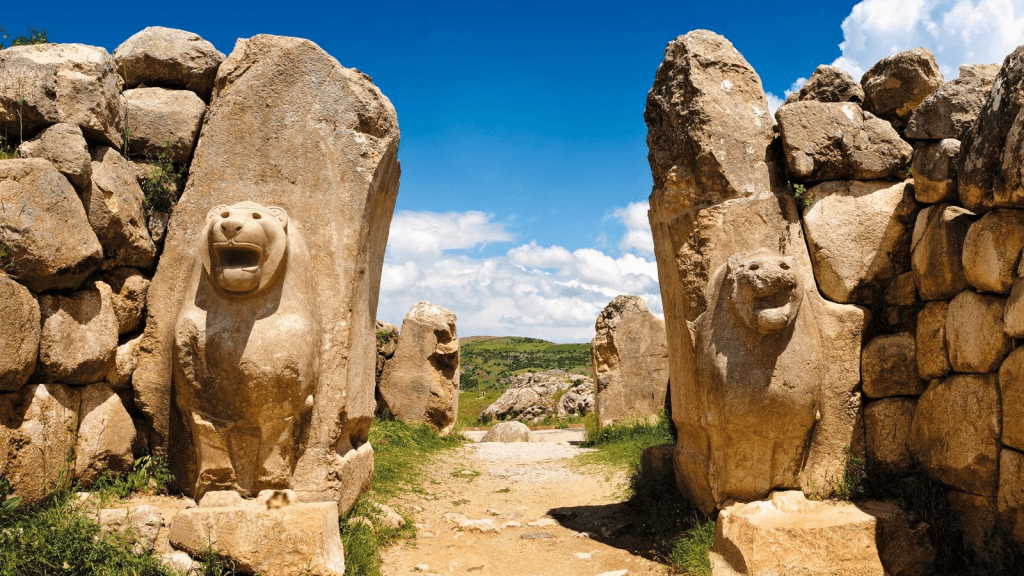

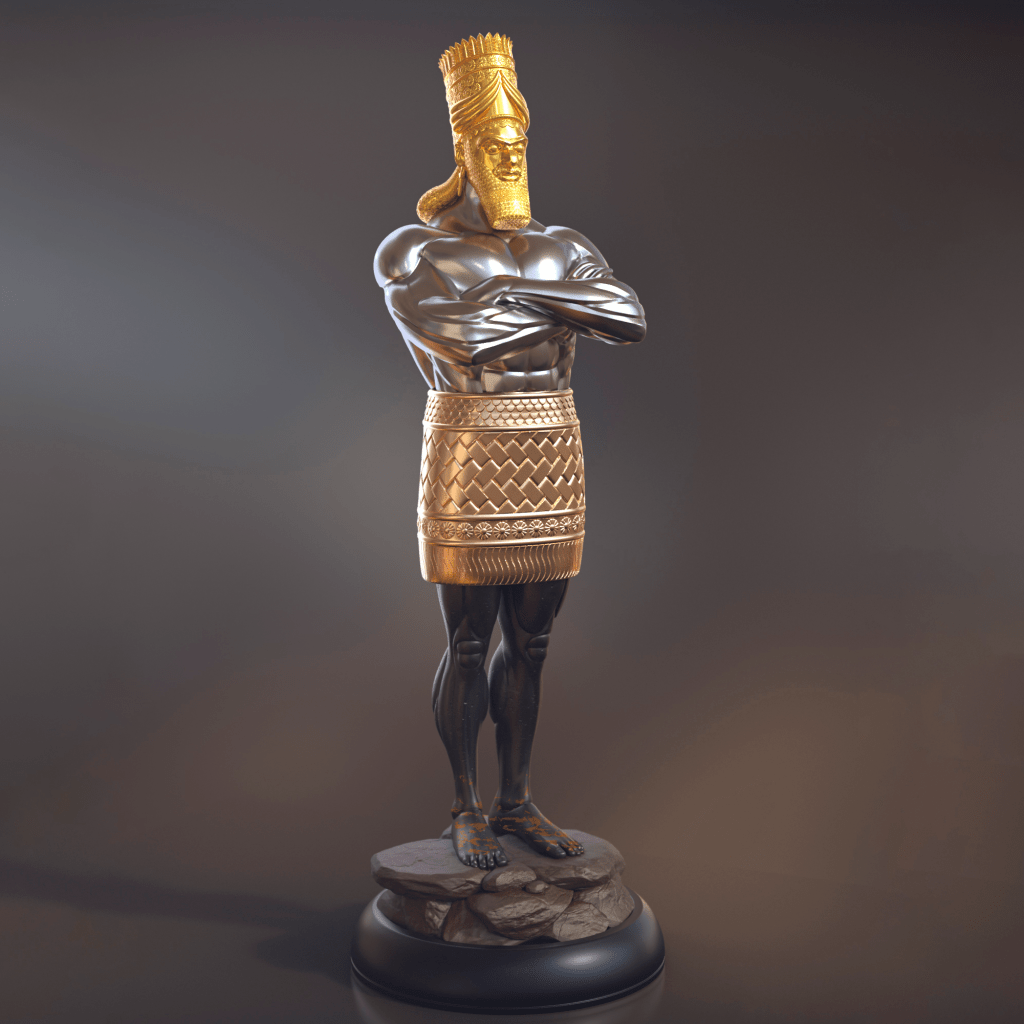

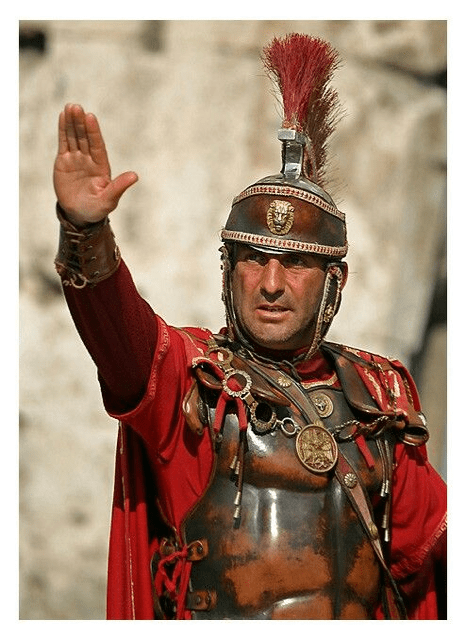

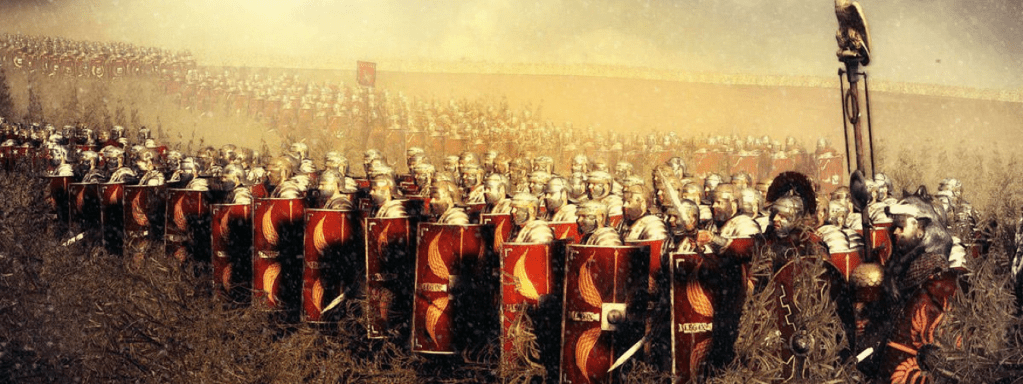









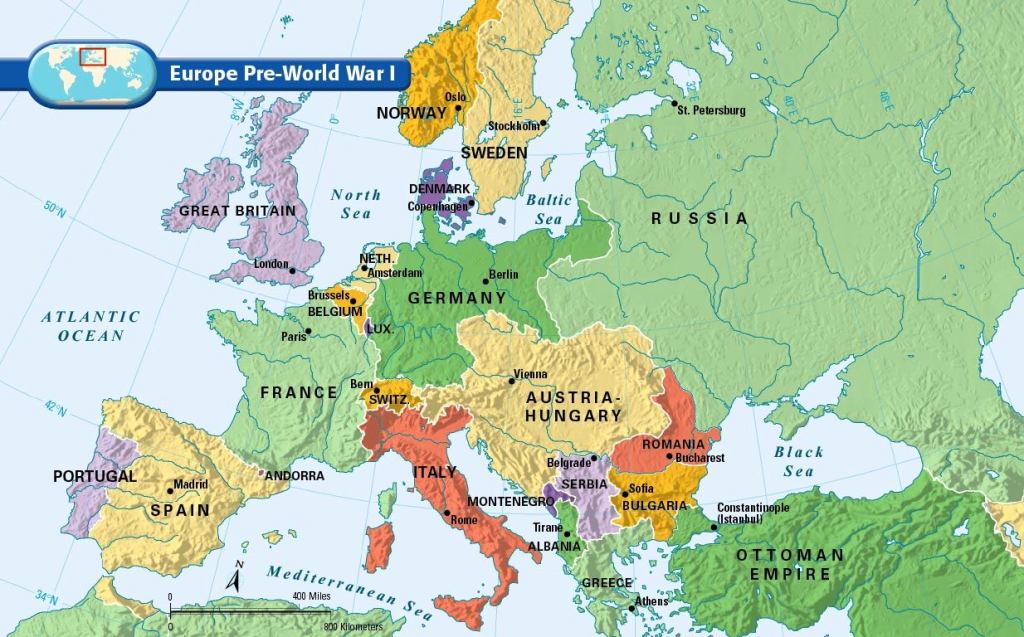


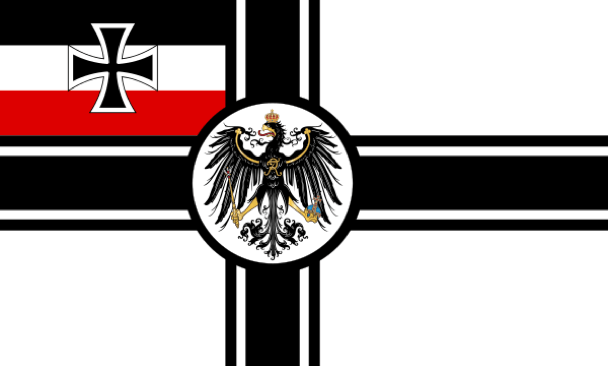



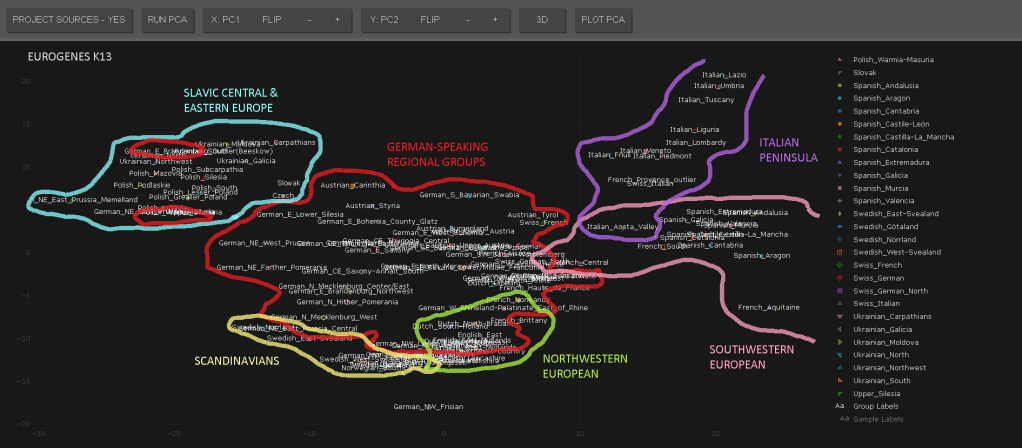



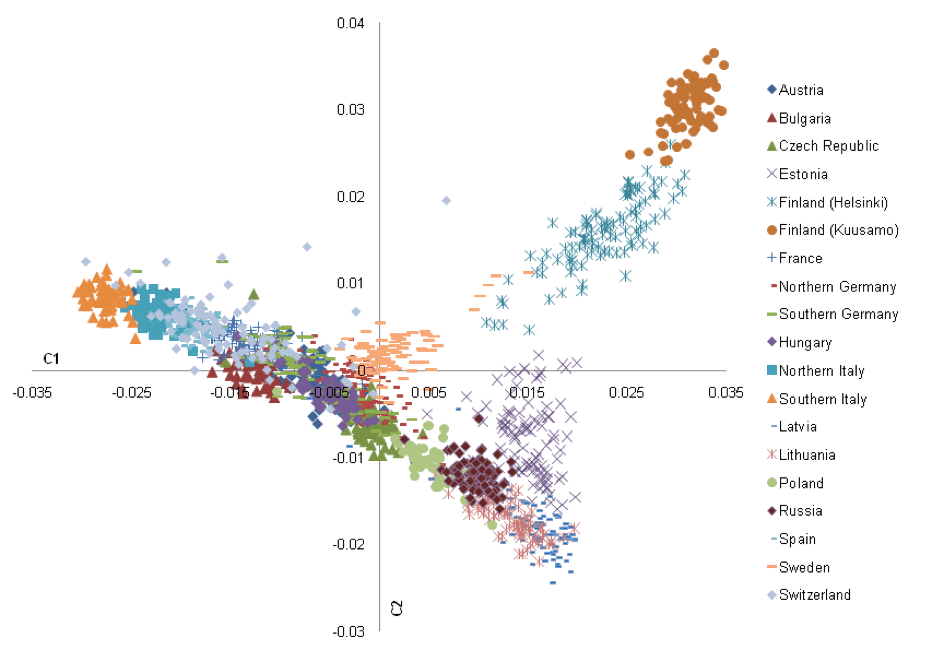
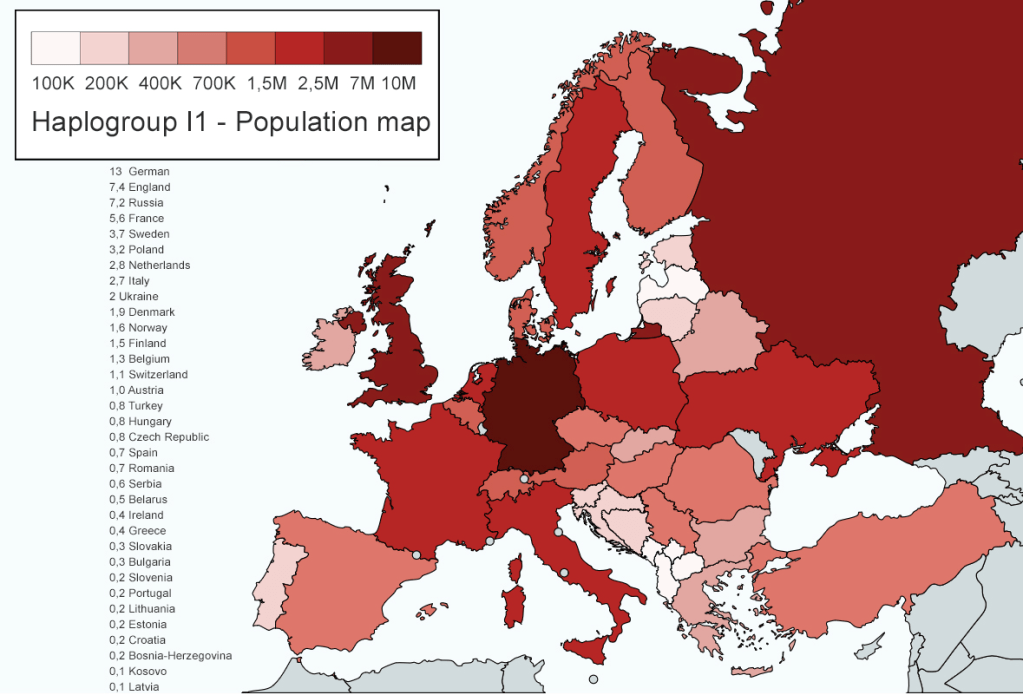
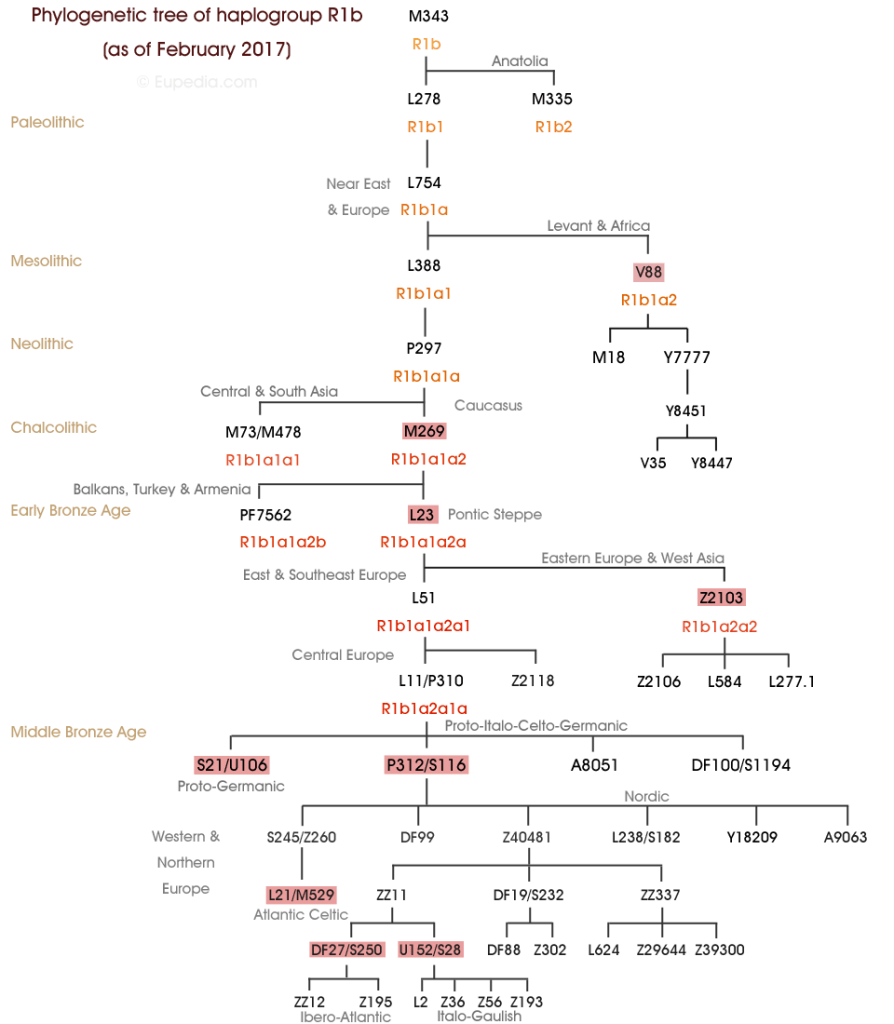


 The Lightkeeper